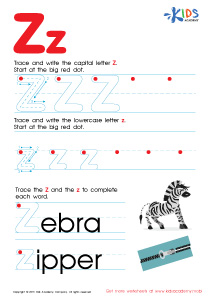
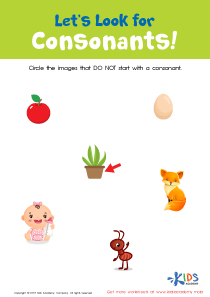
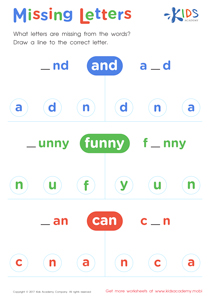
Vocabulary expansion Extra Challenge Phonics Worksheets for Ages 3-8
10 filtered results
-
From - To
Unlock your child's potential with our Vocabulary Expansion Extra Challenge Phonics Worksheets designed for ages 3-8! These engaging resources focus on enhancing word recognition, pronunciation, and vocabulary skills through fun activities. Each worksheet is crafted to inspire young learners while reinforcing phonics fundamentals and encouraging language development. From exciting matching exercises to creative writing prompts, our worksheets cater to diverse learning styles. Empower your child to explore new words, improve reading skills, and build confidence in their language abilities. Perfect for home learning or as supplementary resources in the classroom, these worksheets make learning enjoyable and effective. Help your child shine!
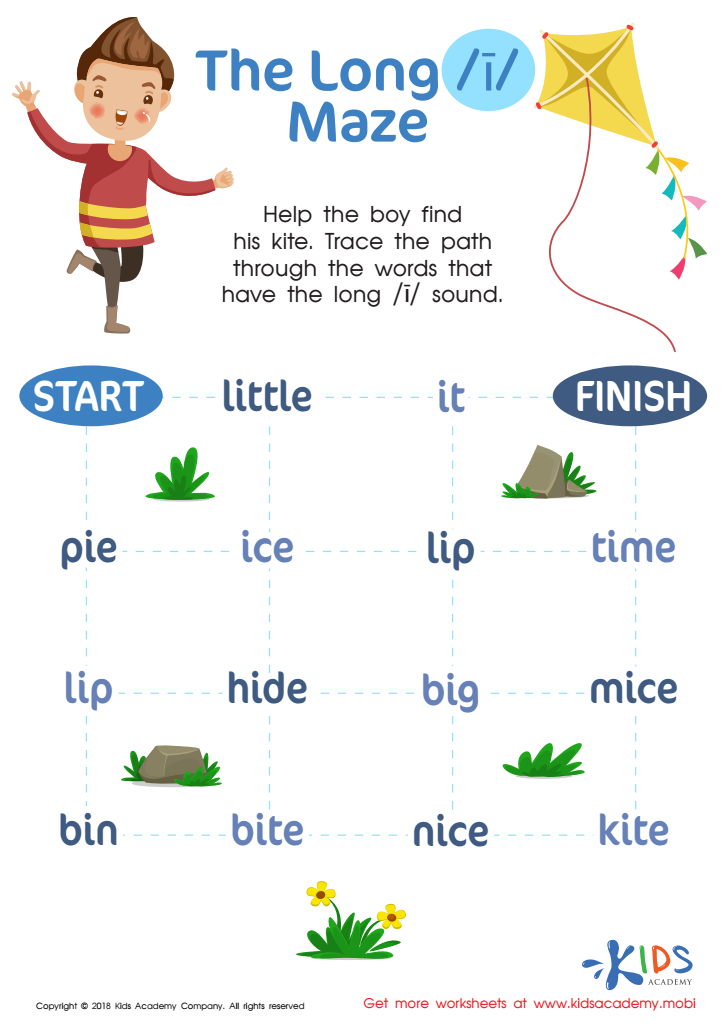
The Long I Maze Reading Worksheet
 Assign to My Students
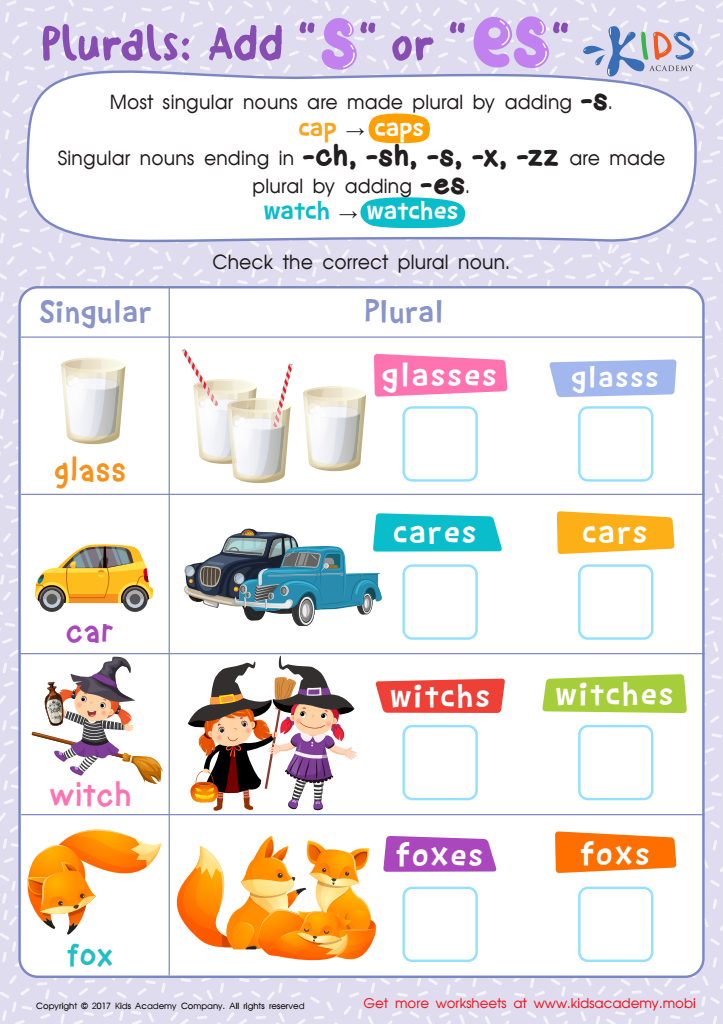
Plurals: "–es" or "–es"? Worksheet
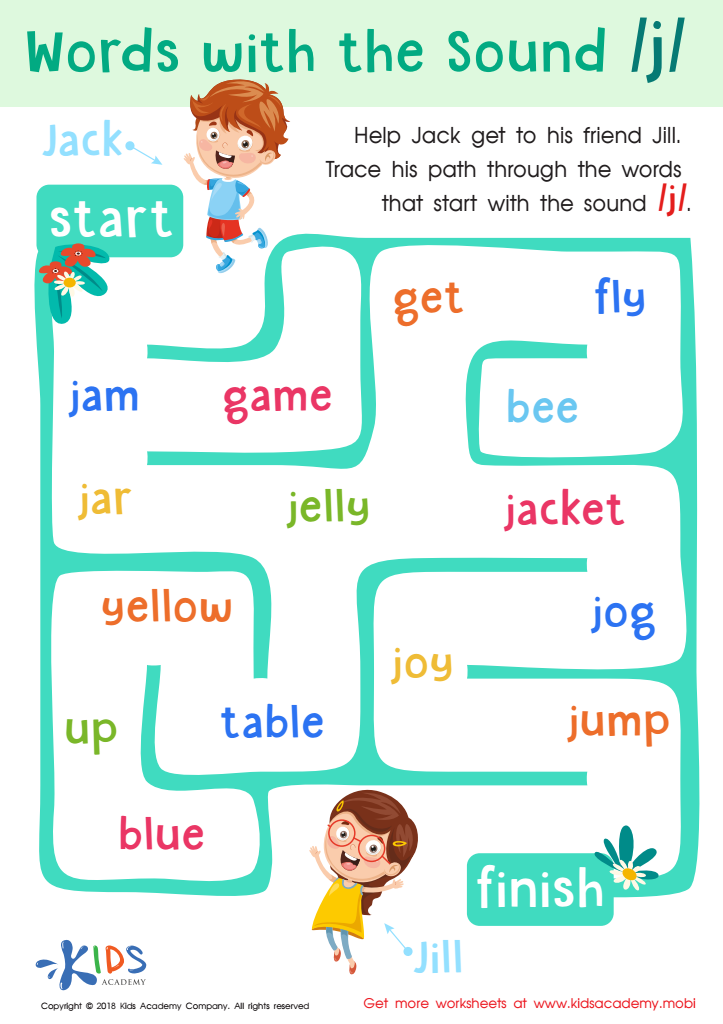
Words with sound j Reading Worksheet
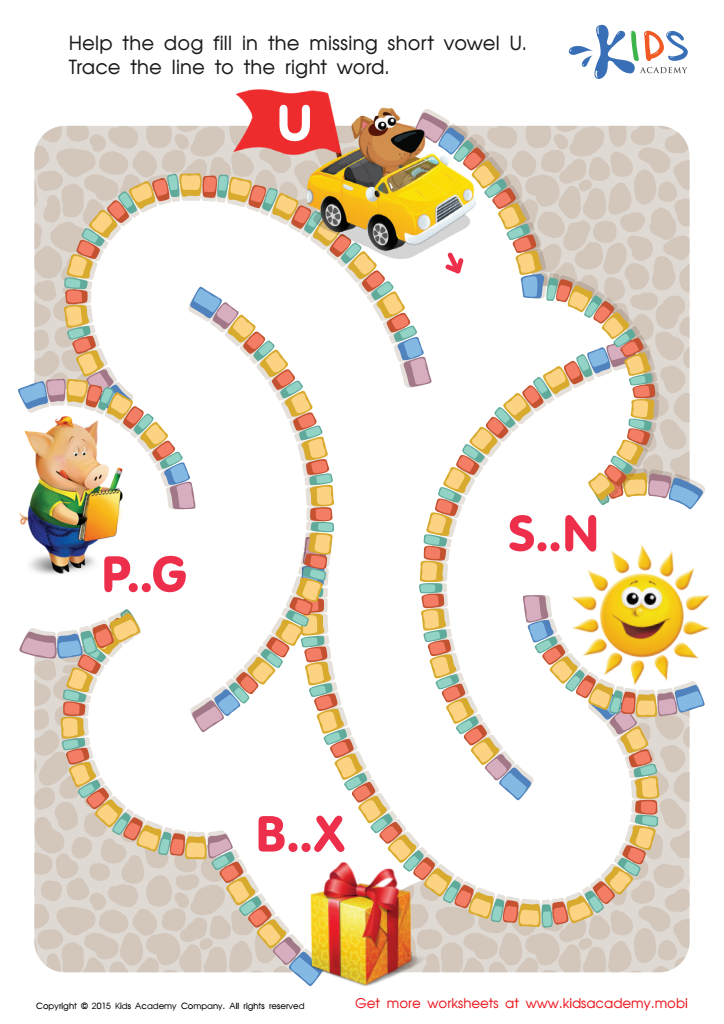
Short Vowel Sound U Worksheet
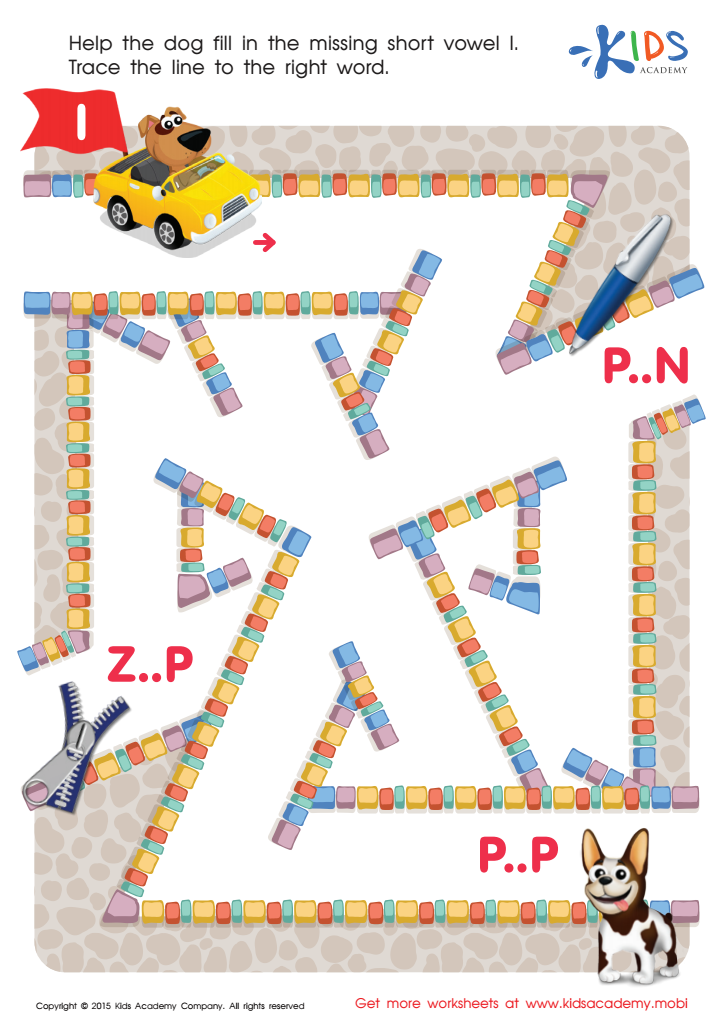
Short Vowel Sound I Worksheet
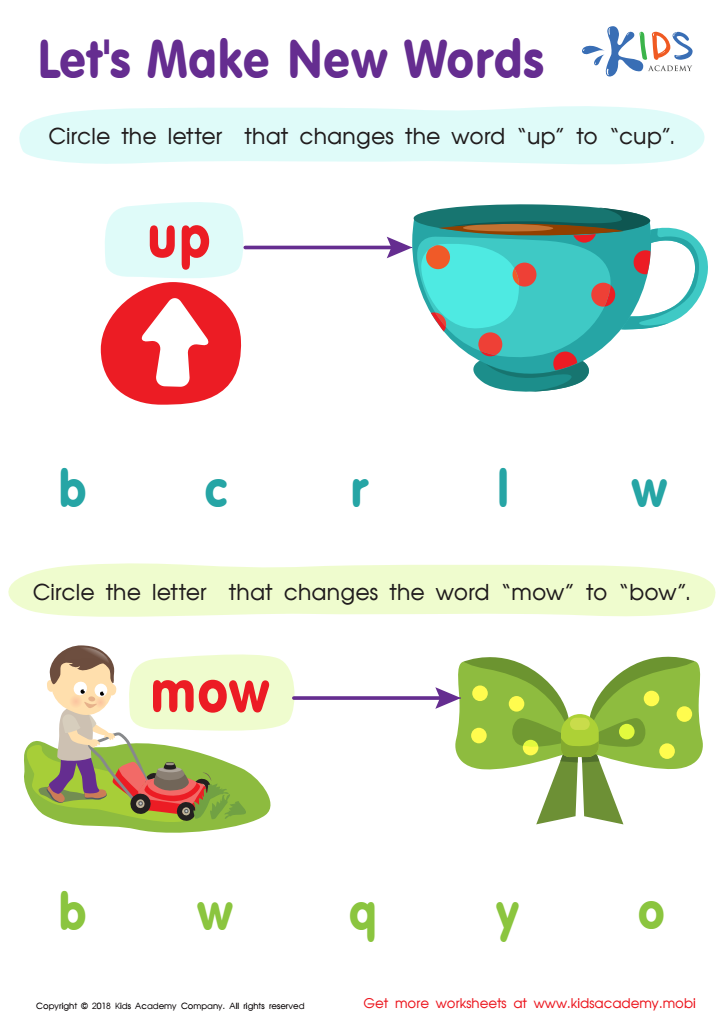
Let's Make New Words Worksheet
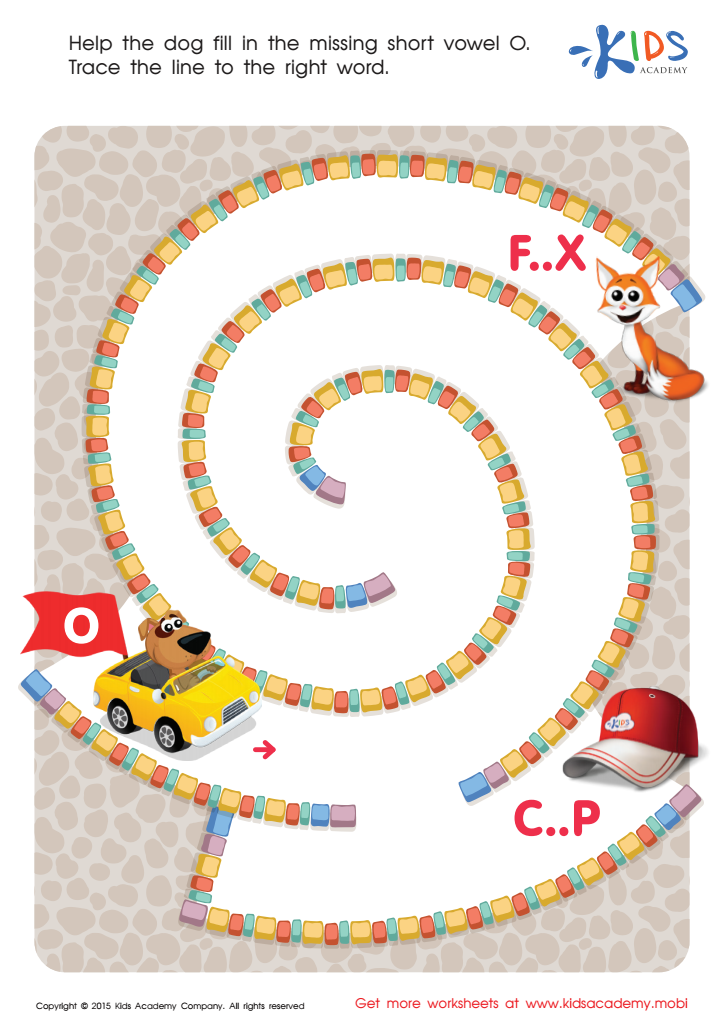
Short Vowel Sound O Worksheet
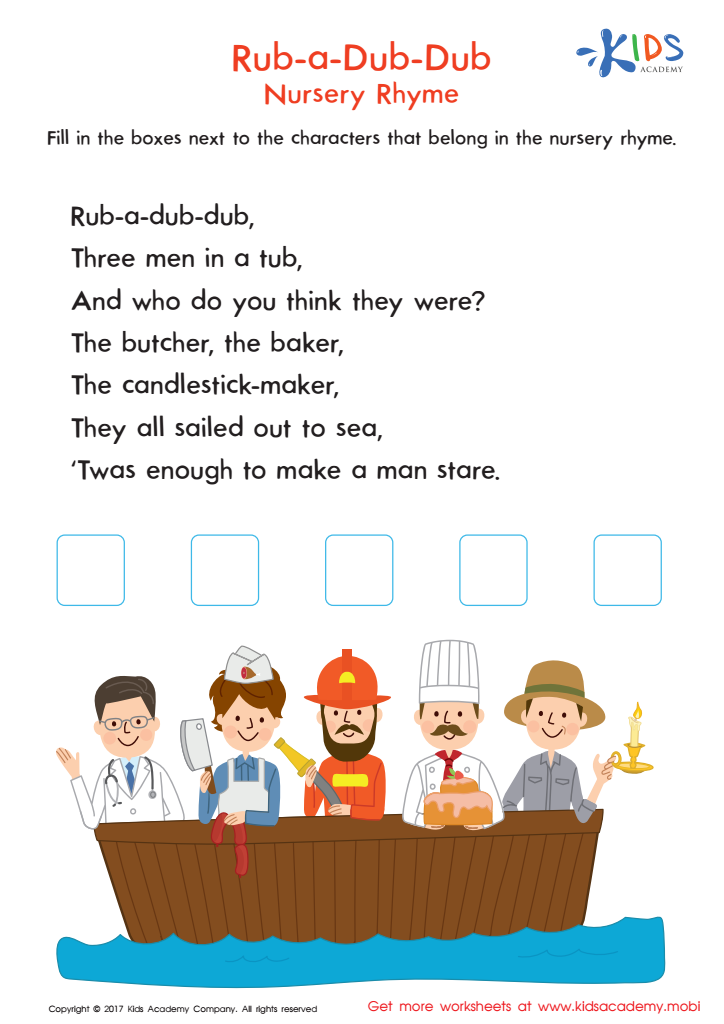
Rub a Dub Dub Printable
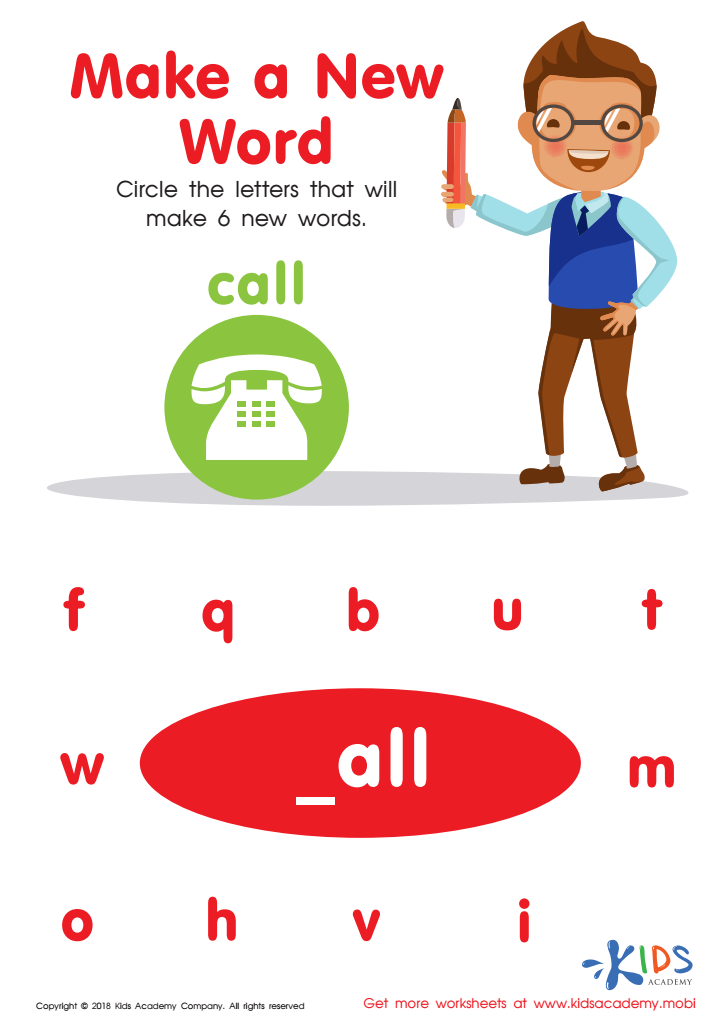
Make a New Word Worksheet
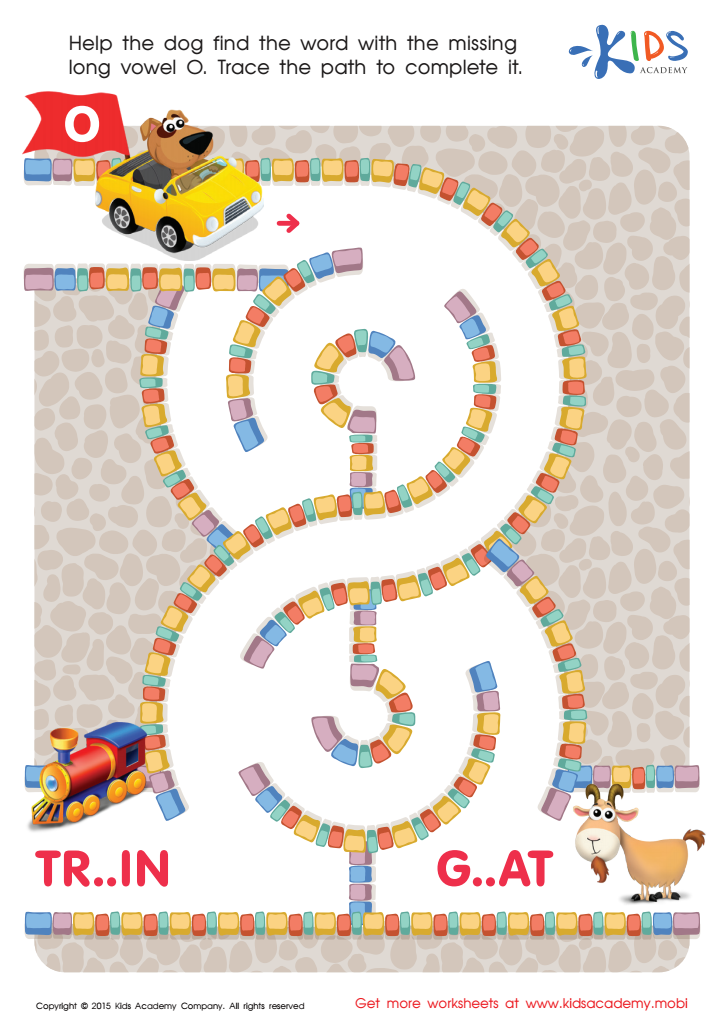
Long Vowel Sound O Worksheet








Vocabulary expansion and phonics instruction are critical components of early literacy development for children aged 3-8. During these formative years, children build the foundation for their reading and language skills, which will profoundly impact their overall academic success.
Phonics instruction teaches children the relationship between letters and sounds, enabling them to decode words as they encounter them. This skill is essential for fluent reading, which allows for greater comprehension. When children understand how to sound out words, they are less likely to hesitate or struggle as they transition from learning to read to reading to learn.
Simultaneously, vocabulary expansion fosters children's abilities to express themselves and understand the world around them. A rich vocabulary enhances comprehension and encourages effective communication, which is vital for academic achievement and social interactions.
Moreover, engaging young learners in vocabulary and phonics activities through playful and interactive methods can create a positive, enjoyable learning environment. It drives curiosity and motivates children to explore language, both critical for lifelong learning. Thus, parents and teachers should prioritize programs like Extra Challenge Phonics, as they profoundly influence children’s literacy skills, setting the stage for their future educational endeavors and conversations in the broader world.