Basic Counting Extra Challenge Worksheets for Ages 3-8
3 filtered results
-
From - To
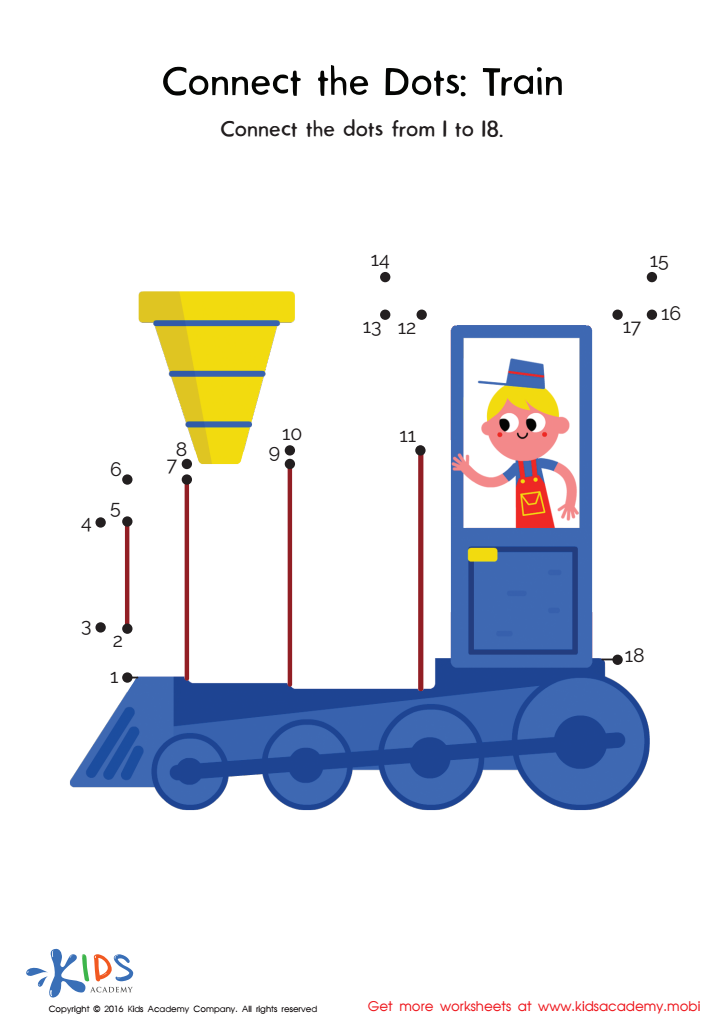
Boost early math skills with our "Basic Counting Extra Challenge Worksheets for Ages 3-8." Designed to engage young learners, these worksheets are packed with fun activities tailored to enhance counting abilities. Perfect for kids aged 3-8, the challenges build foundational skills with vibrant illustrations and interactive tasks. Whether it's counting objects, recognizing numbers, or simple addition, each worksheet ensures learning is both effective and enjoyable. Equip your child with the tools they need to excel in math while making learning an adventure! Download now and watch your kid’s confidence soar as they master basic counting concepts.
 Assign to My Students
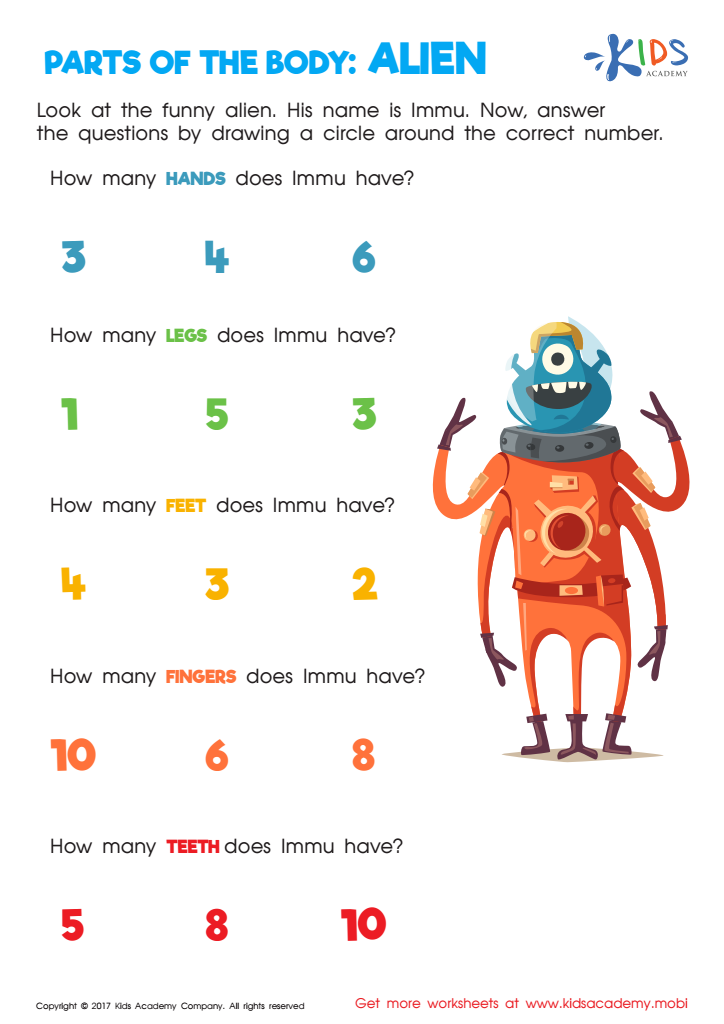
Alien Worksheet
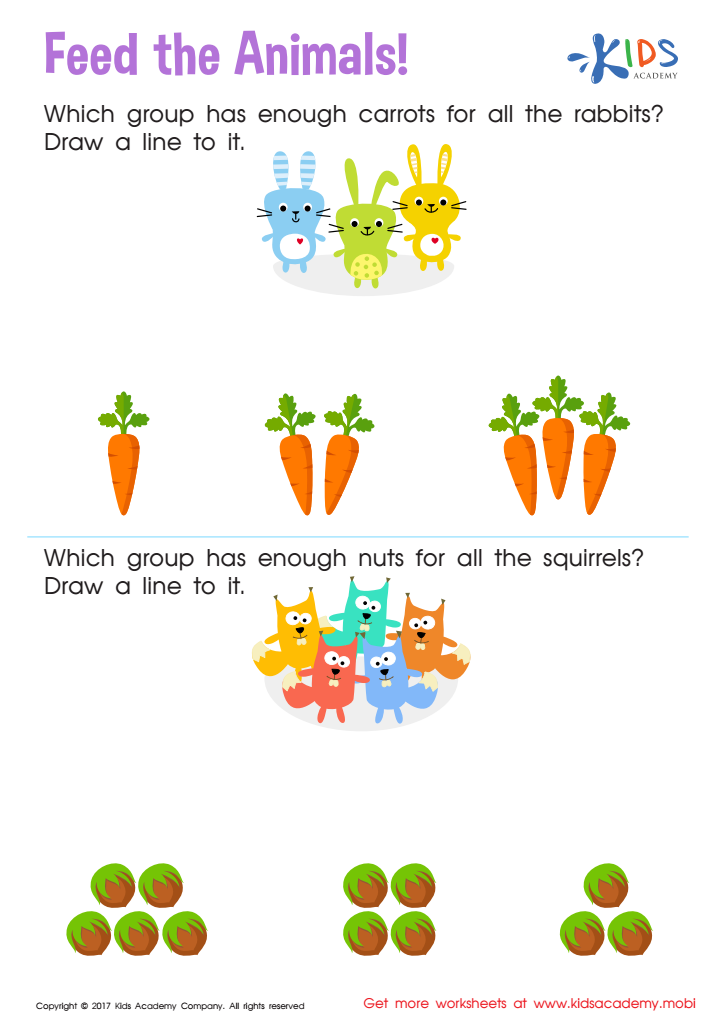
Count and Match: Feed the Animals Worksheet






.jpg)

Basic counting is a fundamental skill that lays the groundwork for future mathematical understanding and numeracy. Parents and teachers should care about providing extra challenges in counting for children aged 3-8 because it helps solidify their grasp of numerical concepts, which forms the foundation for more complex math skills later on. Engaging children in counting challenges fosters cognitive development, enhances memory, reinforces number recognition, and builds a strong sense of place value.
Stimulating activities like counting games, puzzles, and practical tasks that challenge children's counting abilities can make learning fun and enjoyable, ensuring that children stay motivated and interested. These activities also help in developing problem-solving skills, critical thinking, and concentration, which are essential for overall academic success.
Furthermore, early mastery of counting can boost a child’s confidence and willingness to tackle more complex tasks. When children see their progress and achievements in counting, their self-esteem improves, creating a positive attitude toward learning in general. For teachers, part of the reward is observing their students’ growth in understanding and ability; real progress in early numeracy indicates future academic successes.
Thus, prioritizing basic counting challenges isn't just about learning to count—it's about cultivating a range of cognitive skills that support lifelong learning.








