
Color Identification Extra Challenge Worksheets for Ages 3-8
7 filtered results
Difficulty Level
Grade
Age
-
From - To
Subject
Activity
Standards
Introducing our Color Identification Extra Challenge Worksheets for Ages 3-8! Designed to enhance your child's learning experience, these worksheets offer fun and engaging activities aimed at improving color recognition and identification skills. Perfect for young learners, each worksheet combines educational exercises with playful color challenges to keep kids motivated and excited. With vibrant visuals and interactive tasks, your child will not only become proficient in identifying colors but also develop critical thinking and observational skills. Ideal for both classroom and home use, our extra challenge worksheets are the perfect resource to take your child's learning to the next level!
Favorites
With answer key
Interactive
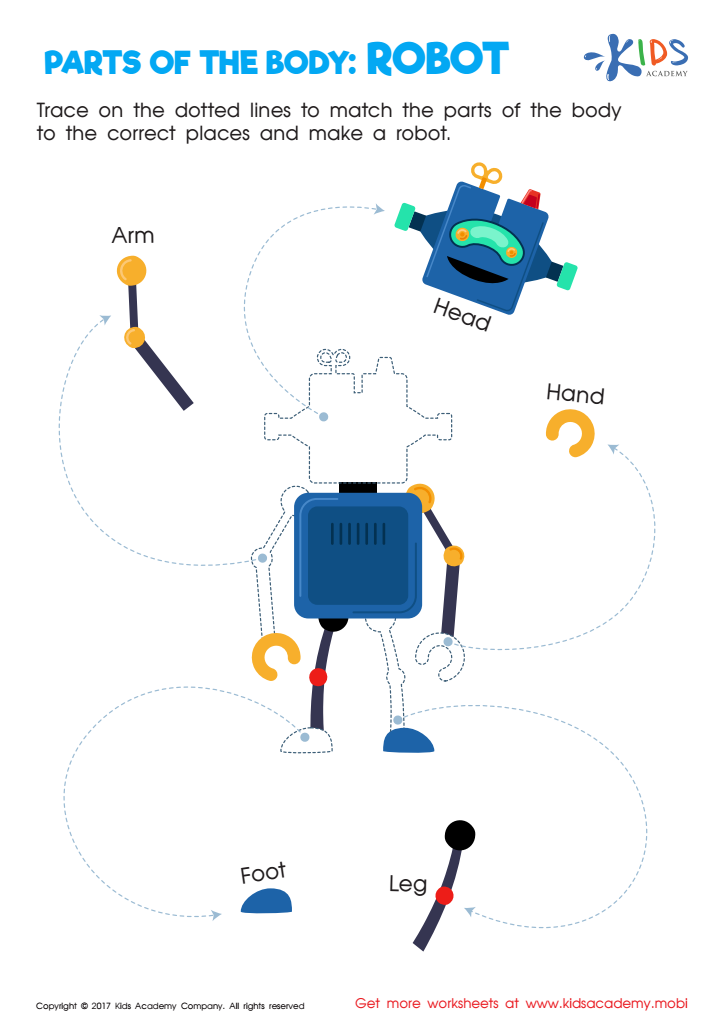
Robot Printable
Introduce your child to a fun robot and help her hone her matching skills with this parts of the body worksheet! Your child will trace dotted lines to match the robot's body parts to the right place, helping her focus, use abstract thinking and reason better. This worksheet is sure to get your child excited and help her build essential skills for future success!
 Assign to My Students
Robot Printable
Worksheet
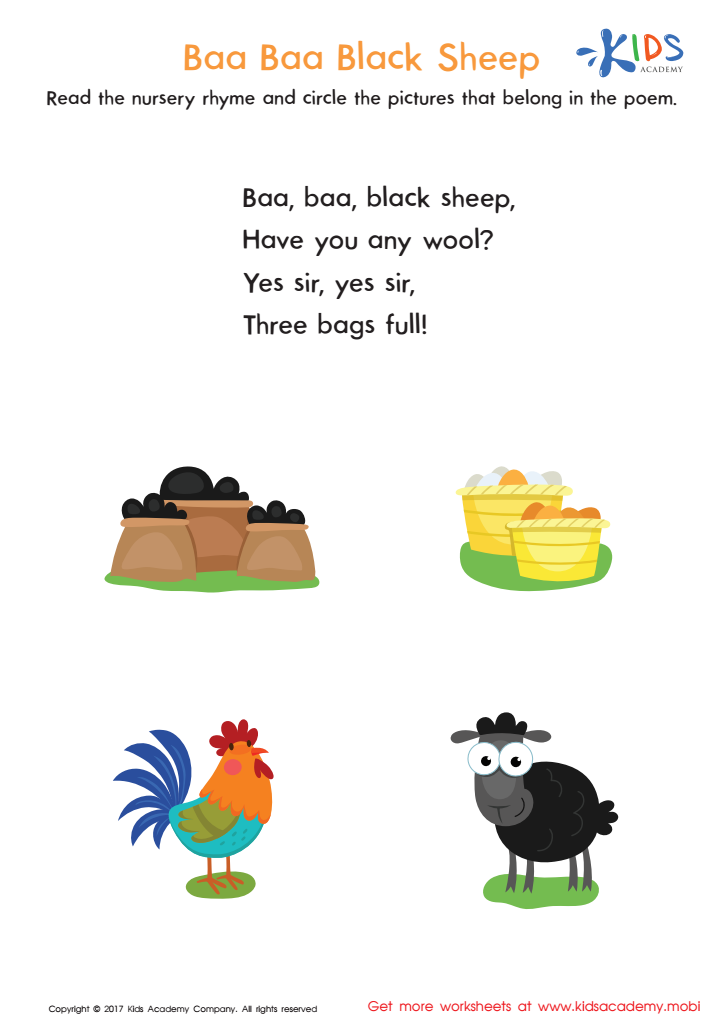
Baa Baa Black Sheep Printable
Jumpstart your child's reading skills with this printable Baa Baa Black Sheep worksheet! Recite the lines with them, then have them select the pictures associated with the poem to test comprehension. Fun and educational!
Baa Baa Black Sheep Printable
Worksheet
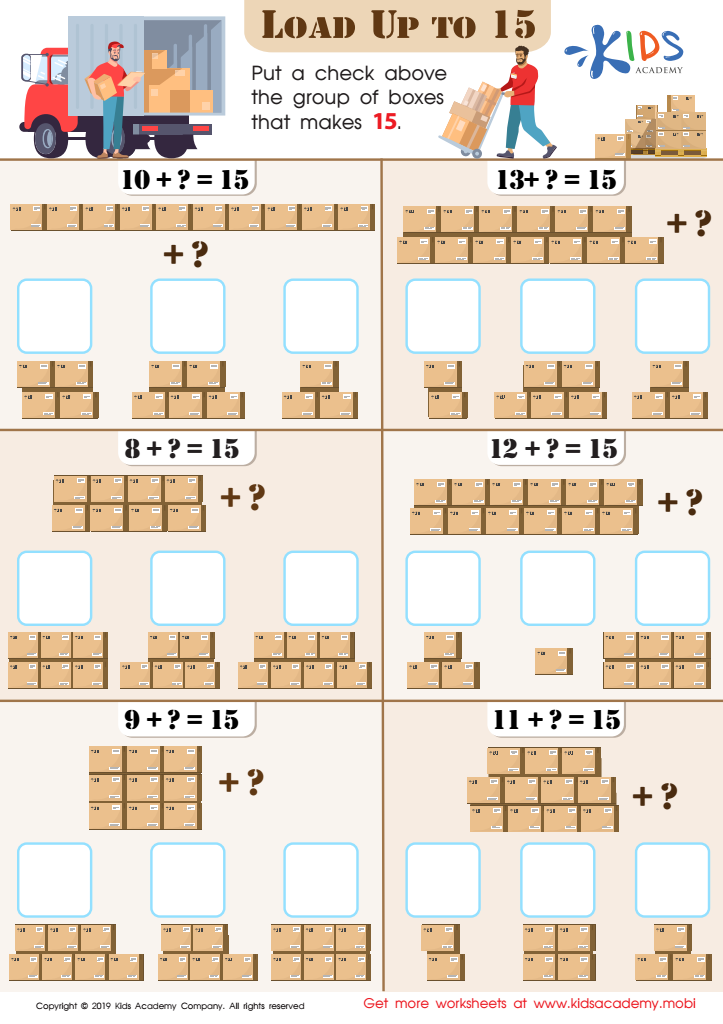
Load up to 15 Worksheet
Your students can practice addition and counting skills with this worksheet. Each equation has 6 boxes to count. Check the group that equals 15 to complete the exercise. Help your kindergartners if they need it.
Load up to 15 Worksheet
Worksheet
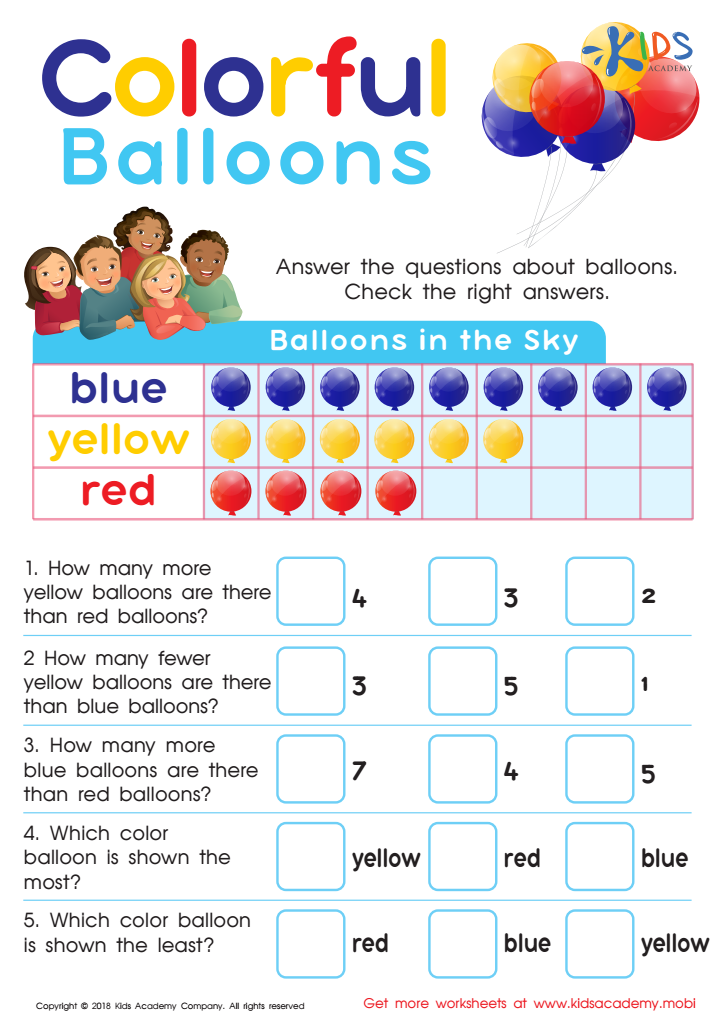
Picture Graphs: Colorful Balloons Worksheet
Kids love balloons at parties! Now you can use them to review graphs and math with this worksheet. View the balloons and count how many of each color, then answer the questions to complete math problems and report important details. Bring joy to your child's studies and make learning fun!
Picture Graphs: Colorful Balloons Worksheet
Worksheet
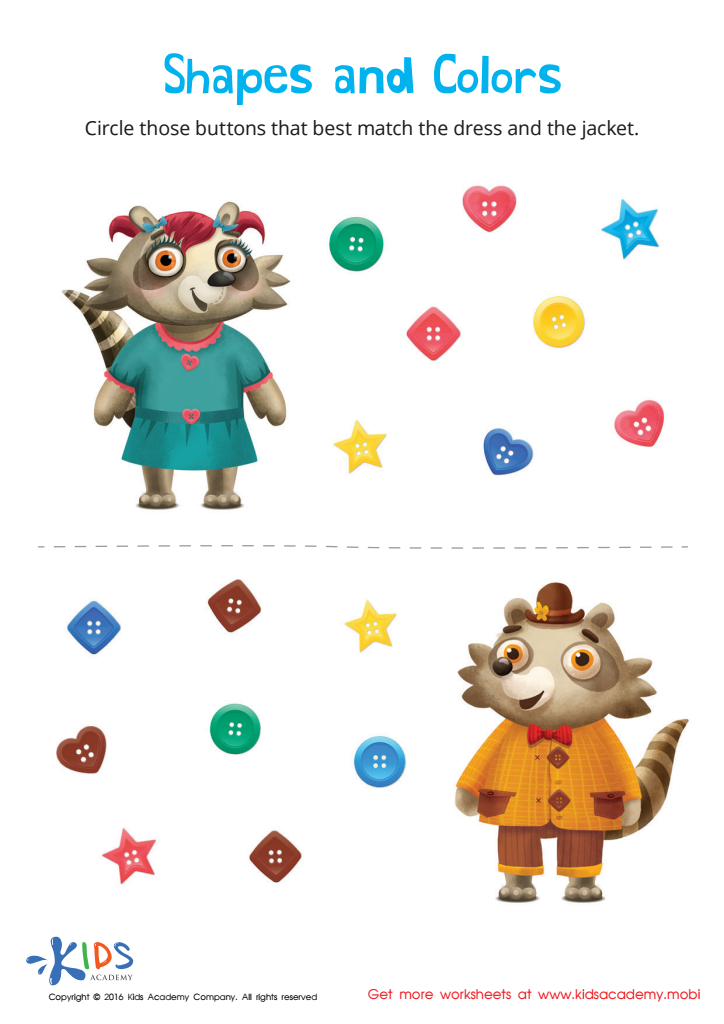
Matching: Shapes and Colors Worksheet
Help Mr. and Mrs. Raccoon find the right buttons to match their shirts! Kids will identify shapes and colors and learn to match them correctly.
Matching: Shapes and Colors Worksheet
Worksheet
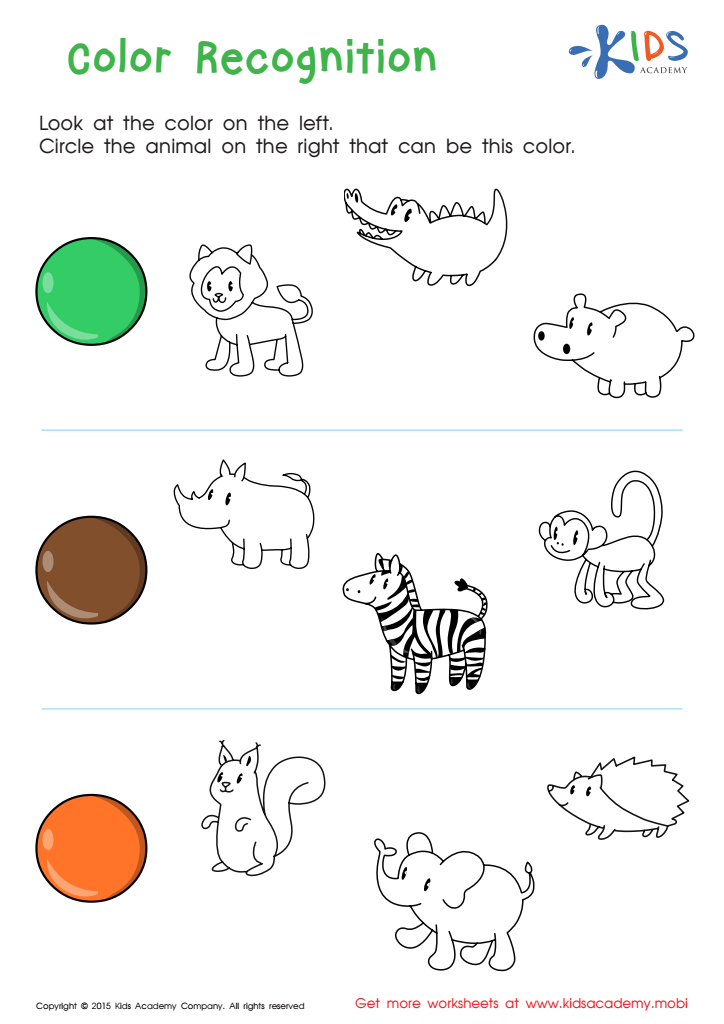
First Words: Color Recognition Worksheet
Kids learn colors early. This free printable color recognition worksheet for preschoolers helps them practice important cognitive skills. It encourages your child to match colors to animals, plus use artistic skills to color their answers. After solving each section, encourage them to color the picture with the indicated color! Fun and learning go hand in hand!
First Words: Color Recognition Worksheet
Worksheet
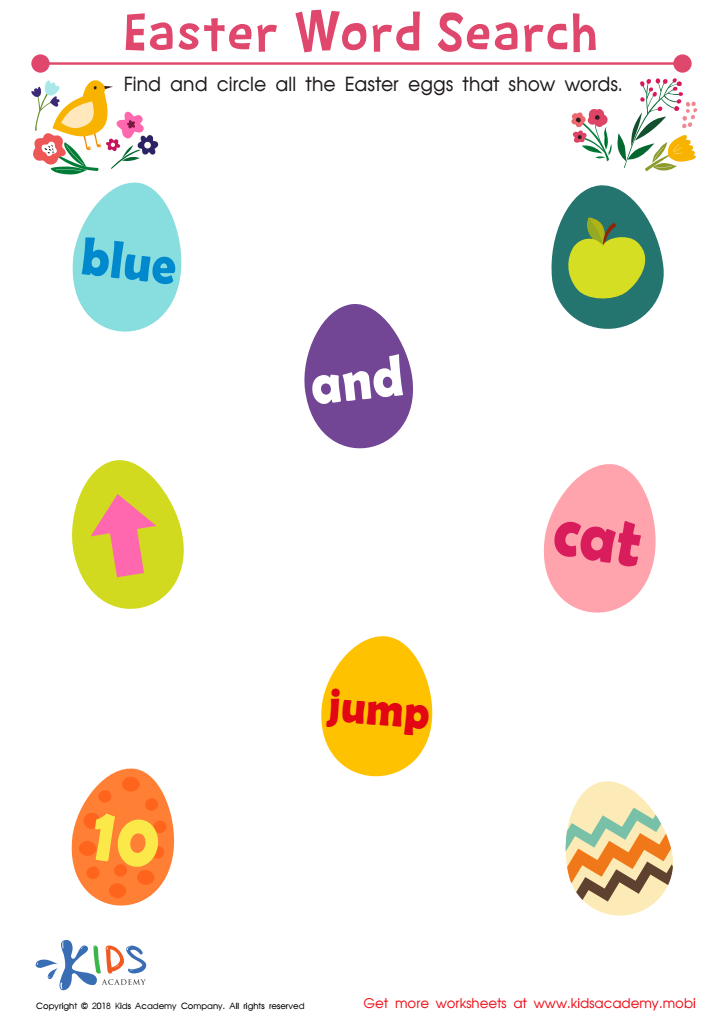
Easter Word Search Worksheet
Kids love Easter - food, picnics, games - and the egg hunt! Does your family celebrate Easter? Get your kids to find some of the Easter egg words in this word search. Ask them to read each word and circle the eggs. It's a fun way to celebrate the holiday!
Easter Word Search Worksheet
Worksheet
Join Kids Academy for Free
Who is primarily going to use this learning content?








Color identification is a foundational skill for young children, playing a crucial role in their overall cognitive and sensorimotor development. Engaging in extra challenges enhances color recognition, benefiting kids aged 3-8 in multiple ways.
First, understanding colors helps youngsters make sense of the world around them, fostering their observational skills. Recognizing colors is often one of the earliest milestones in learning, aiding kids as they start identifying objects, which enriches their vocabulary and language development.
Second, color identification tasks refine children’s visual discrimination abilities. Differentiating between various hues trains their brain to process visual information more efficiently, which is essential for reading and numeracy as these skills also rely heavily on recognizing patterns and differences.
Socially and emotionally, color activities encourage children to express themselves creatively through art and play, leading to enhanced self-expression and emotional regulation. Success in these tasks increases their confidence and willingness to take on new academic challenges.
Finally, integrating color identification extra challenges in educational or home environments promotes critical thinking and problem-solving skills. Children learn not just to recognize colors, but to sort, classify, and associate them, laying the groundwork for more advanced concepts in science and mathematics.
Therefore, parents and teachers should emphasize color identification to support holistic early childhood development, setting a strong foundation for future learning.








