Observational skills Extra Challenge Worksheets for Ages 3-8
3 filtered results
-
From - To
Enhance your child's learning with our Observational Skills Extra Challenge Worksheets, specially designed for children aged 3-8. These engaging worksheets are perfect for fostering critical thinking and attention to detail while making learning fun! Each activity encourages children to observe, analyze, and interpret their surroundings, boosting their cognitive development. With colorful illustrations and age-appropriate tasks, kids will be excited to explore patterns, differences, and visual clues. These extra challenges support early literacy and numeracy skills, making them ideal for home or classroom use. Dive into a world of discovery and watch your child's observational skills flourish with these delightful worksheets!
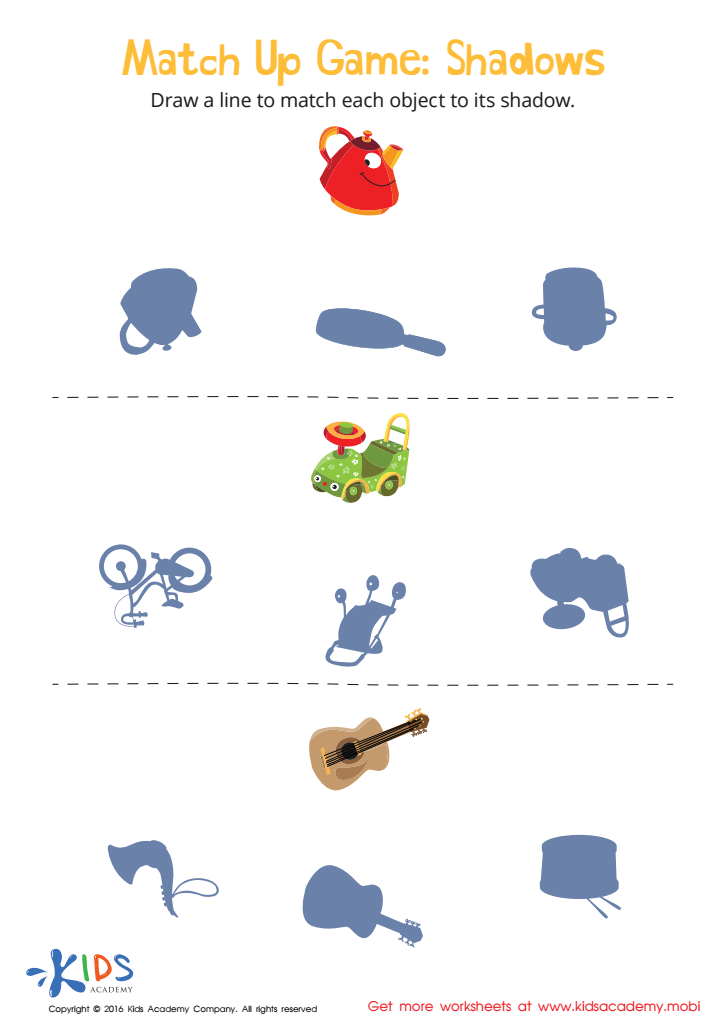
 Assign to My Students
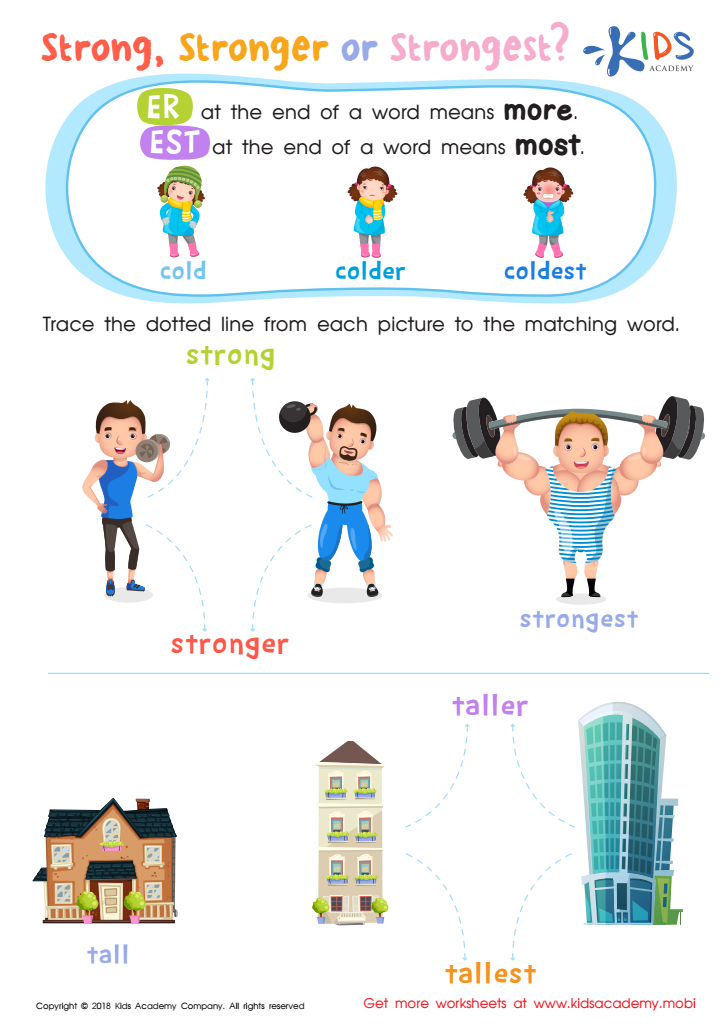
Strong or Stronger? Worksheet
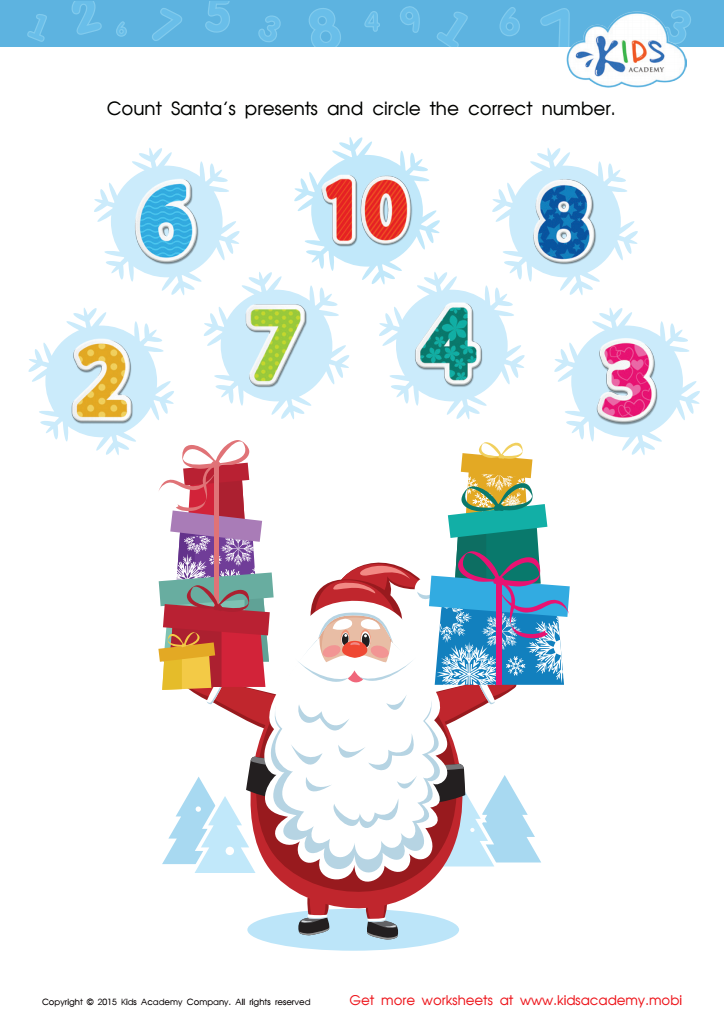
Count Santa's Presents Worksheet







Observational skills are crucial for children aged 3-8, and parents and teachers play a vital role in fostering these abilities. By focusing on observational skills, children enhance their attention to detail, which is foundational for learning across all subjects. For instance, strong observational skills can improve a child’s ability to identify patterns in math, notice intricacies in science experiments, and interpret story elements in literacy.
Engaging in extra challenge activities that promote observation encourages critical thinking and problem-solving, skills essential for lifelong success. These activities can be both fun and educational, helping children explore their environment, understand their emotions, and cultivate social awareness by observing their peers.
Furthermore, improving observational skills promotes a sense of wonder and curiosity, inspiring students to ask questions and seek answers. This supports their emotional and cognitive development by enriching their vocabulary and communication abilities, as they learn to articulate their observations.
Ultimately, parents and teachers who prioritize observational skills equip children with necessary tools for academic success and personal growth. By nurturing these skills, we prepare young learners to navigate the world confidently, understanding and engaging with the complex environment around them, ultimately fostering a spirit of inquiry and discovery.








