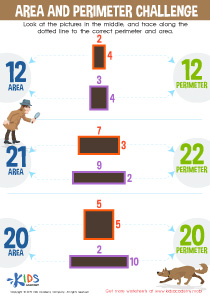
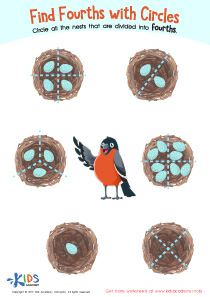
Shape Recognition Extra Challenge 2D Shapes Worksheets for Ages 3-8
7 filtered results
-
From - To
Unlock your child's potential with our "Shape Recognition Extra Challenge 2D Shapes Worksheets" designed for ages 3-8! These engaging worksheets offer a fun and interactive way for young learners to explore and recognize various 2D shapes, enhancing their visual-spatial skills. With a mix of challenging exercises, including matching, coloring, and identifying shapes, children will develop a solid foundation in geometry while enjoying hands-on learning. Perfect for homeschoolers or classroom settings, these worksheets cater to different learning styles, making shape recognition exciting and accessible. Encourage your child's creativity and critical thinking as they embark on this colorful educational journey!
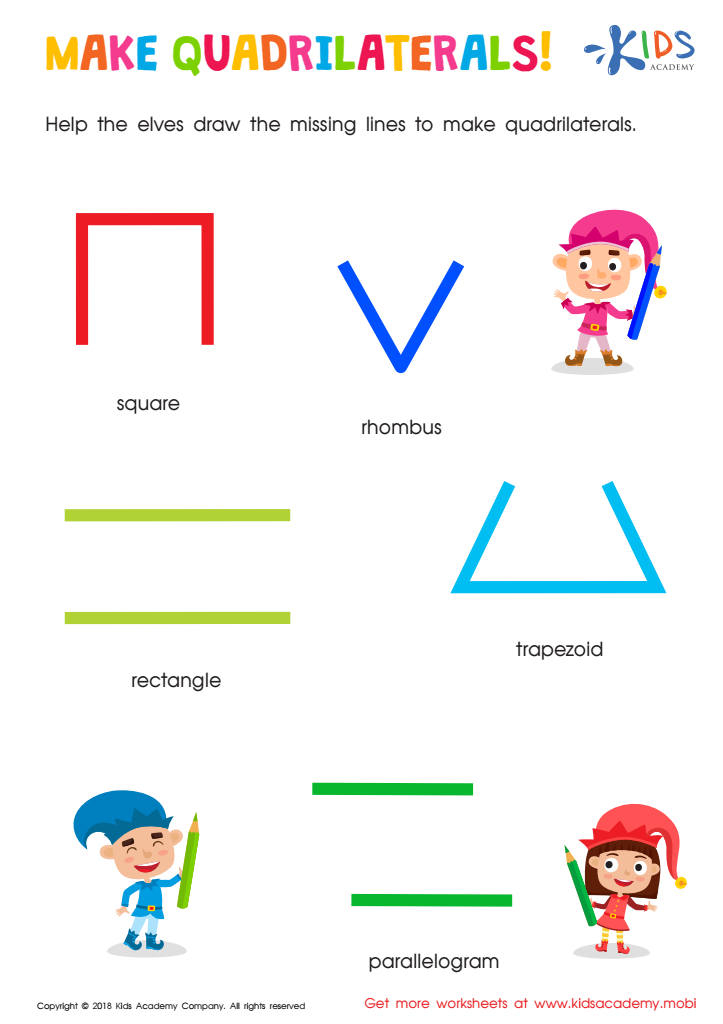
Make Quadrilaterals Worksheet
 Assign to My Students







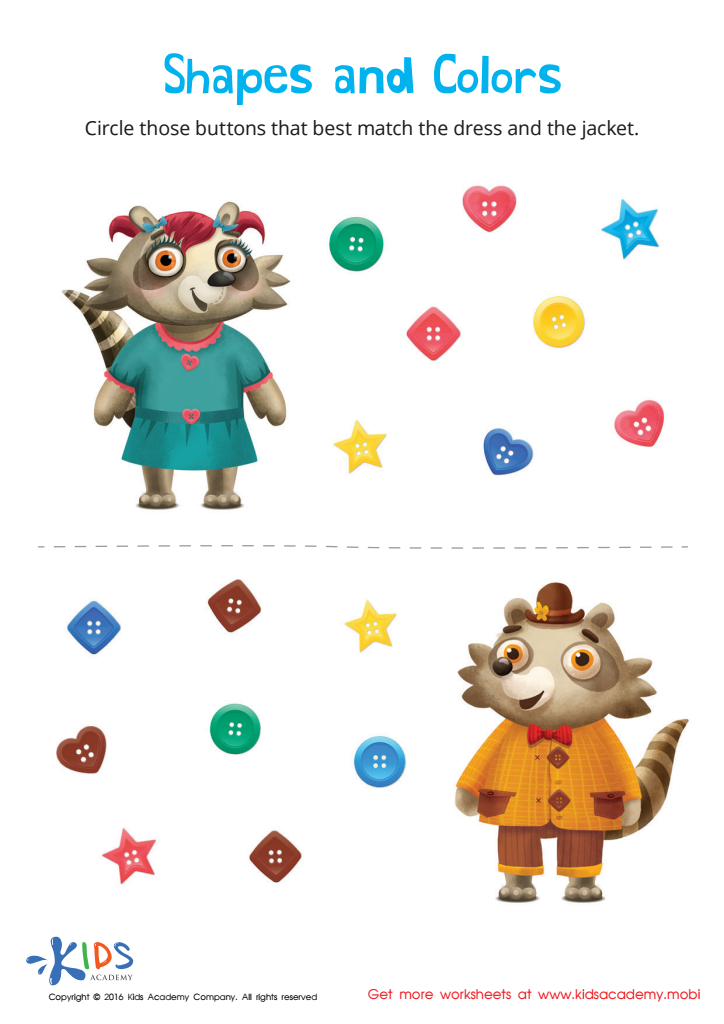
Matching: Shapes and Colors Worksheet
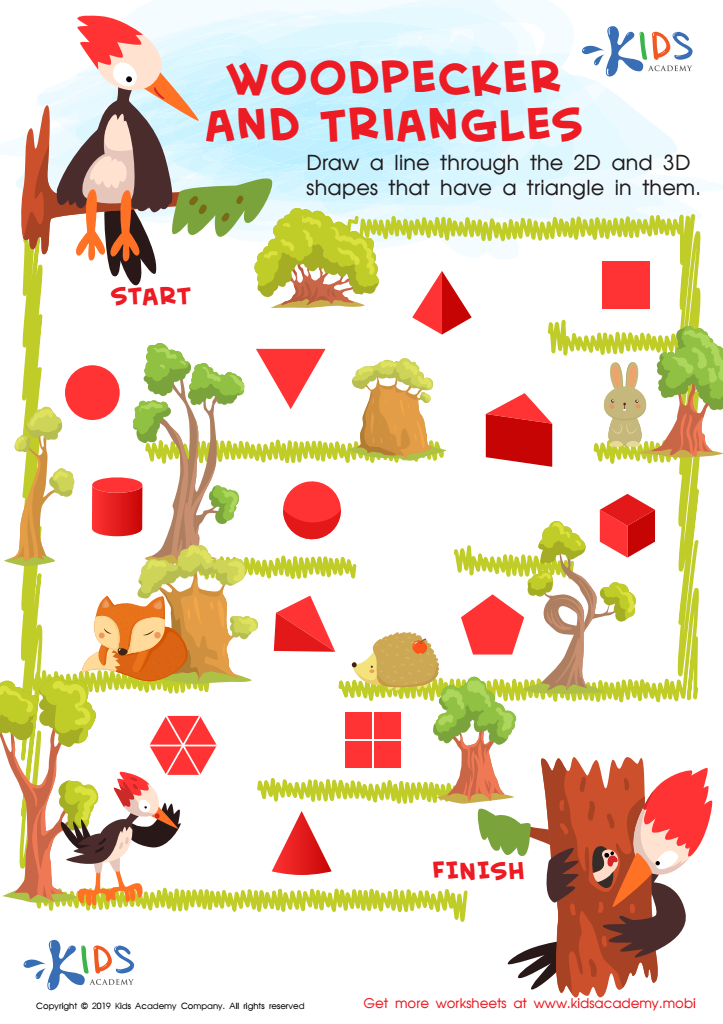
Woodpecker and Triangles Worksheet
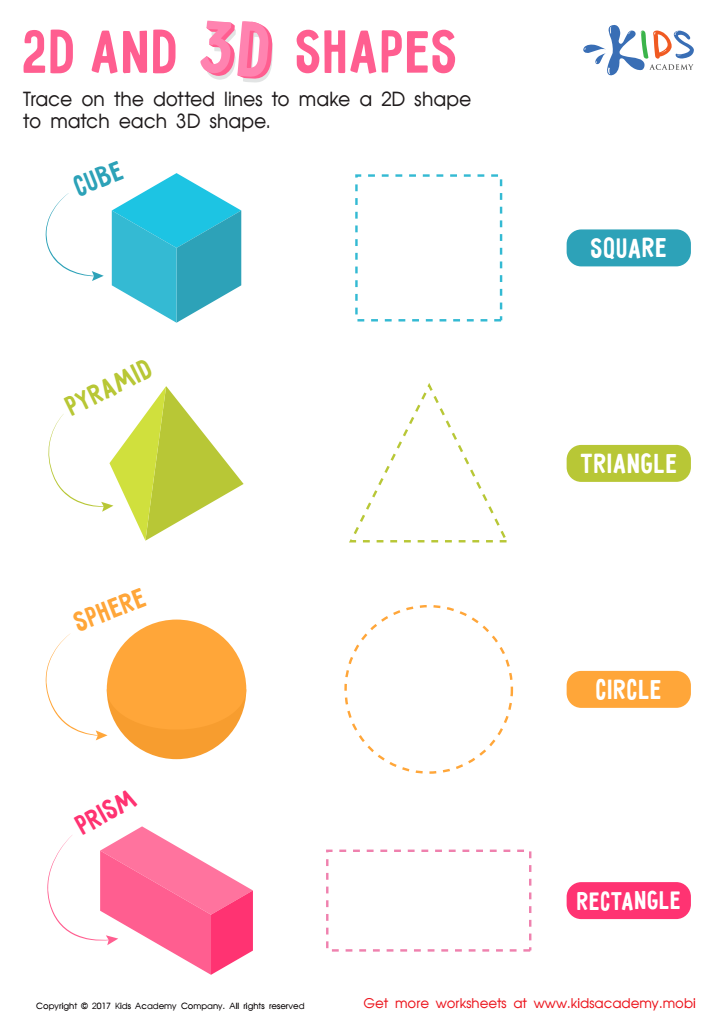
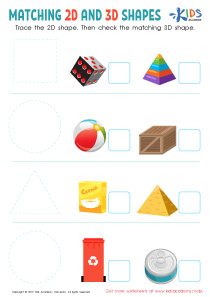
2D and 3D Shapes Worksheet
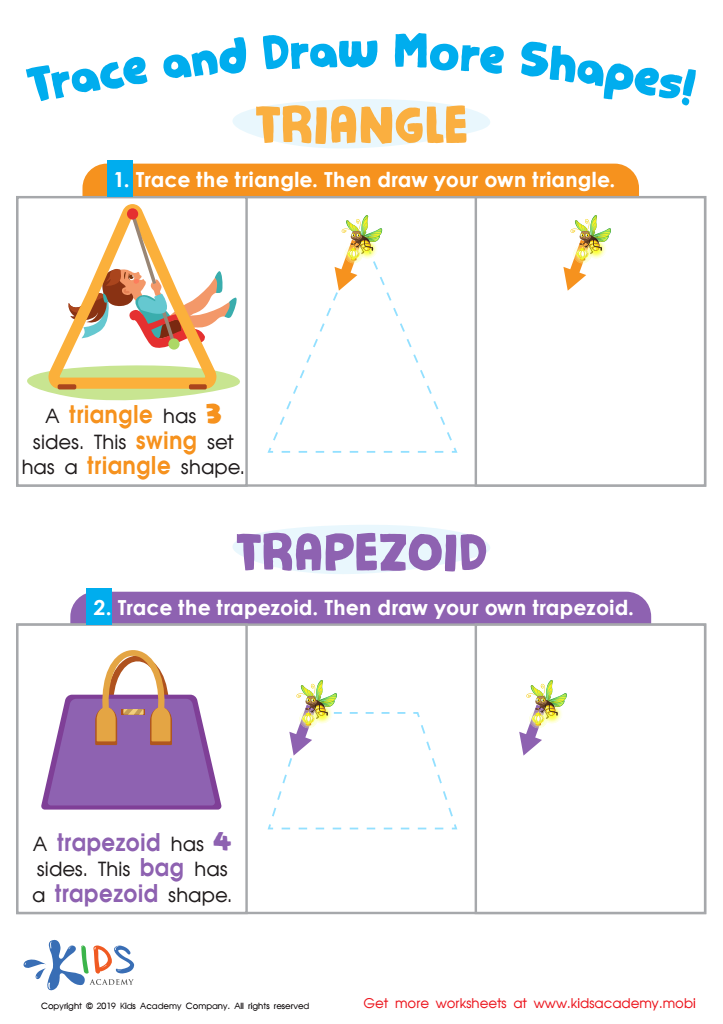
Trace and Draw More Shapes Worksheet
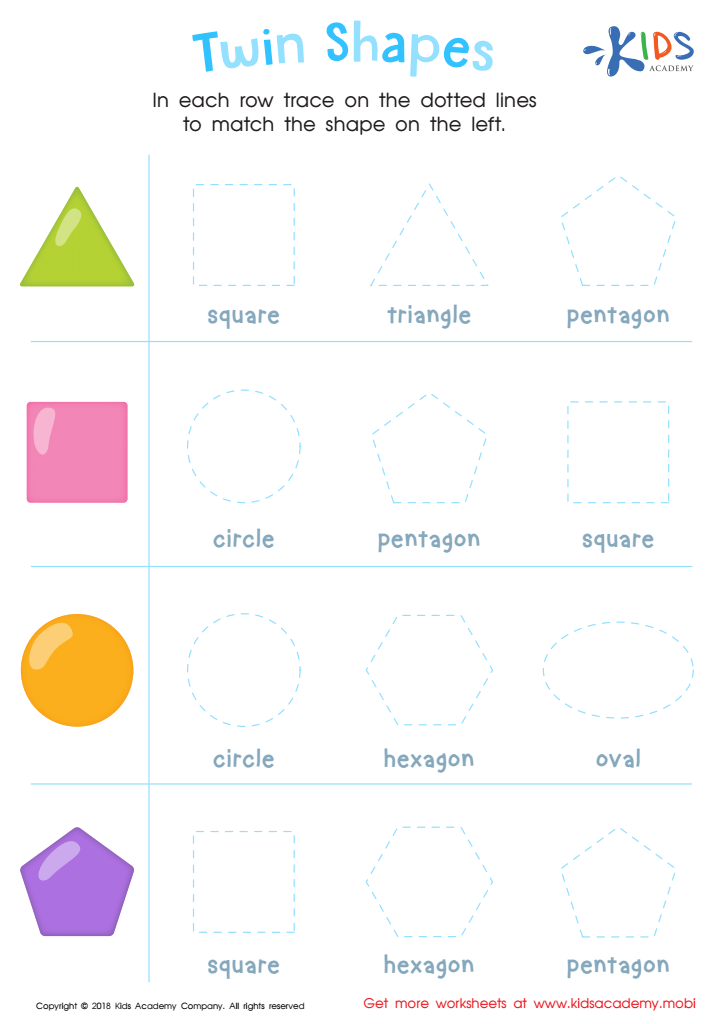
Twin Shapes Dot-to-Dot Worksheet
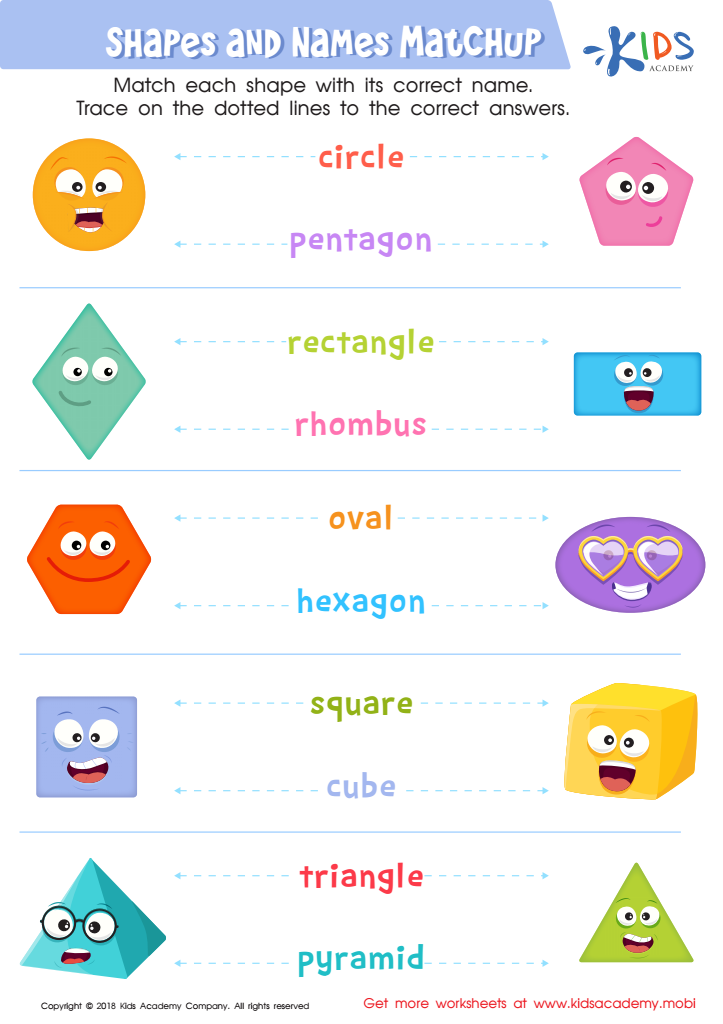
Shapes and Names Matchup Worksheet








Shape Recognition is a fundamental building block in early childhood education that plays a critical role in cognitive development for children aged 3-8. Understanding 2D shapes not only enhances a child's visual perception and spatial awareness but also lays the groundwork for more complex mathematical concepts. Parents and teachers should care about extra challenges focusing on shape recognition because they promote interactive learning, critical thinking, and problem-solving skills.
When children engage with various activities that incorporate shape recognition, they develop a stronger aptitude for identifying similarities and differences. This can bolster their confidence as they interact with their environment, fostering a love for learning. Additionally, mastering 2D shapes enables children to create patterns and understand basic geometry, offering them an early advantage in math.
Moreover, extra challenges make learning fun and engaging, which is crucial during this formative age. They provide opportunities for social interaction and collaborative play, allowing children to communicate and learn from each other. Overall, recognizing shapes at an early age is not merely about rote memorization; it’s about nurturing a child's ability to explore, create, and excel in a variety of academic disciplines. Thus, prioritizing this skill is essential for holistic childhood development.