Basic Addition Skills Extra Challenge Addition & Subtraction Worksheets for Ages 3-8
6 filtered results
-
From - To
Unlock your child's mathematical potential with our "Basic Addition Skills Extra Challenge Addition & Subtraction Worksheets for Ages 3-8." Designed to make learning engaging and fun, these worksheets cater to young learners, helping them build a strong foundation in addition and subtraction. Suitable for children aged 3-8, the activities range from simple sums to more complex problems, ensuring continuous learning and progression. Each worksheet features vibrant visuals to captivate your child's interest and foster a love for math. Discover the perfect blend of challenge and enjoyment, making early math practice an exciting adventure for your little one.
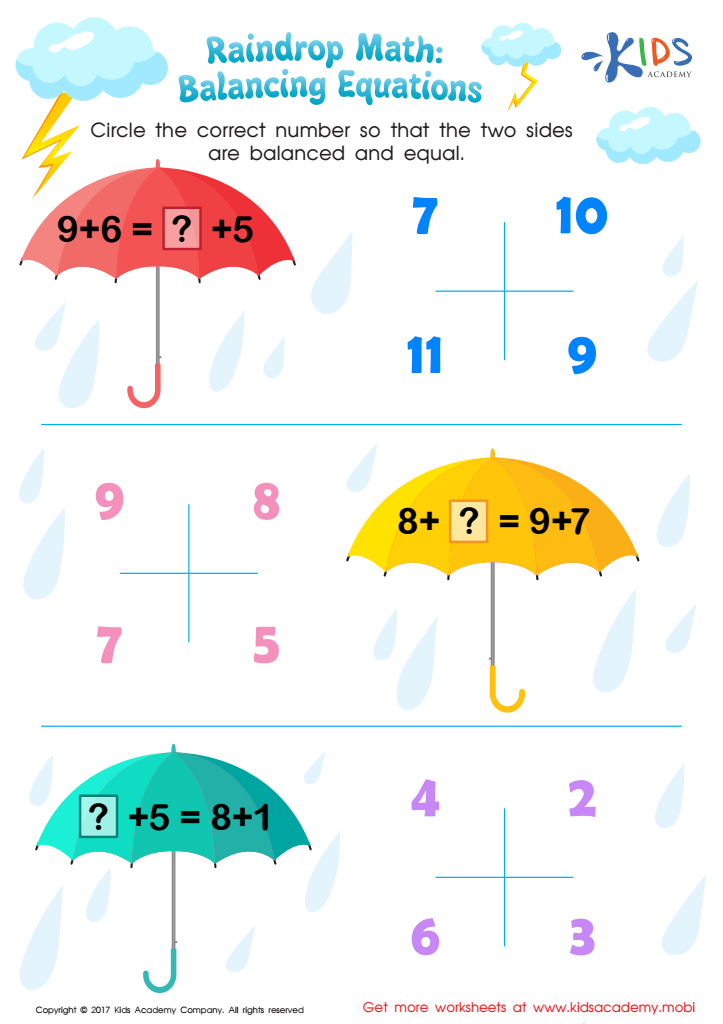
Raindrop Math Printable
 Assign to My Students
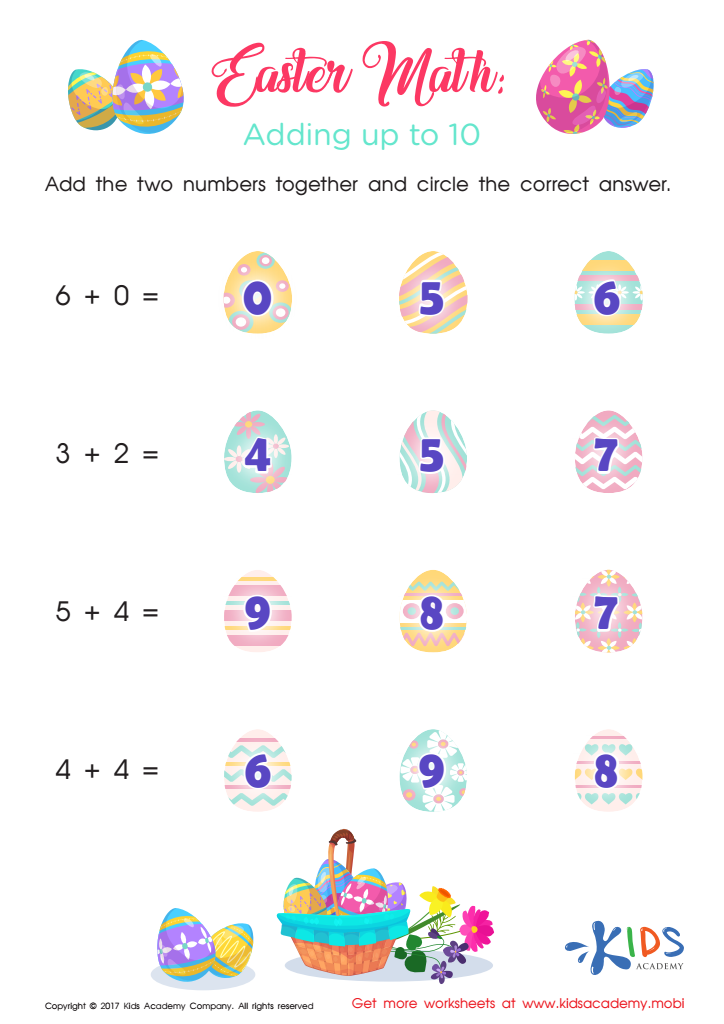
Addition Up To 10 Worksheet
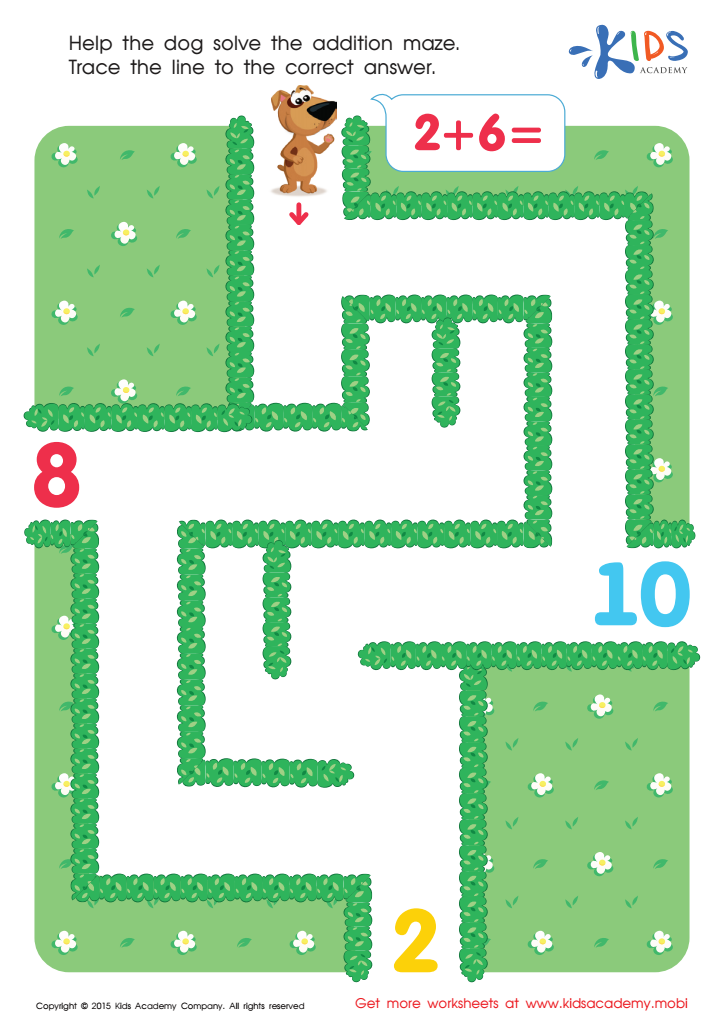
Two Plus Six Addition Worksheet
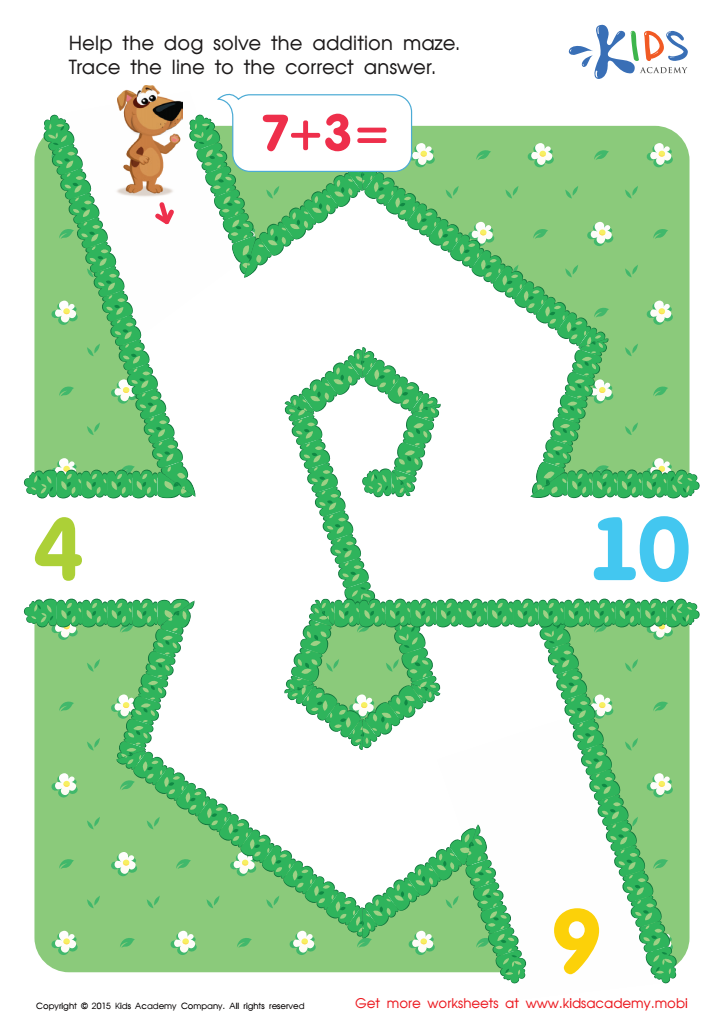
Seven Plus Three Worksheet
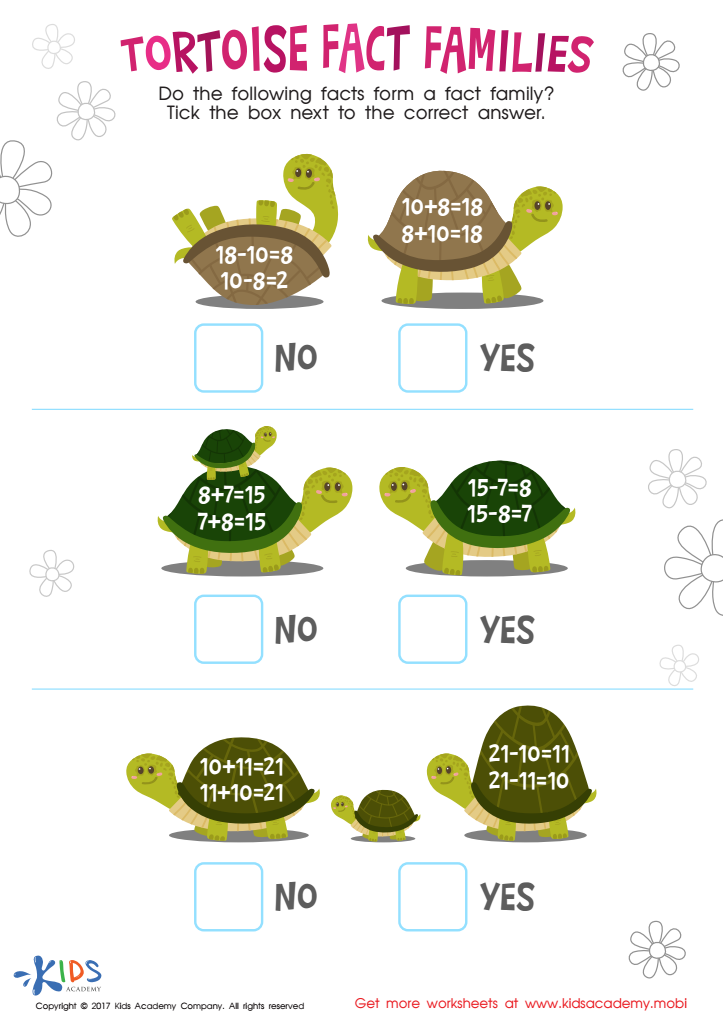
Tortoise Fact Families Printable
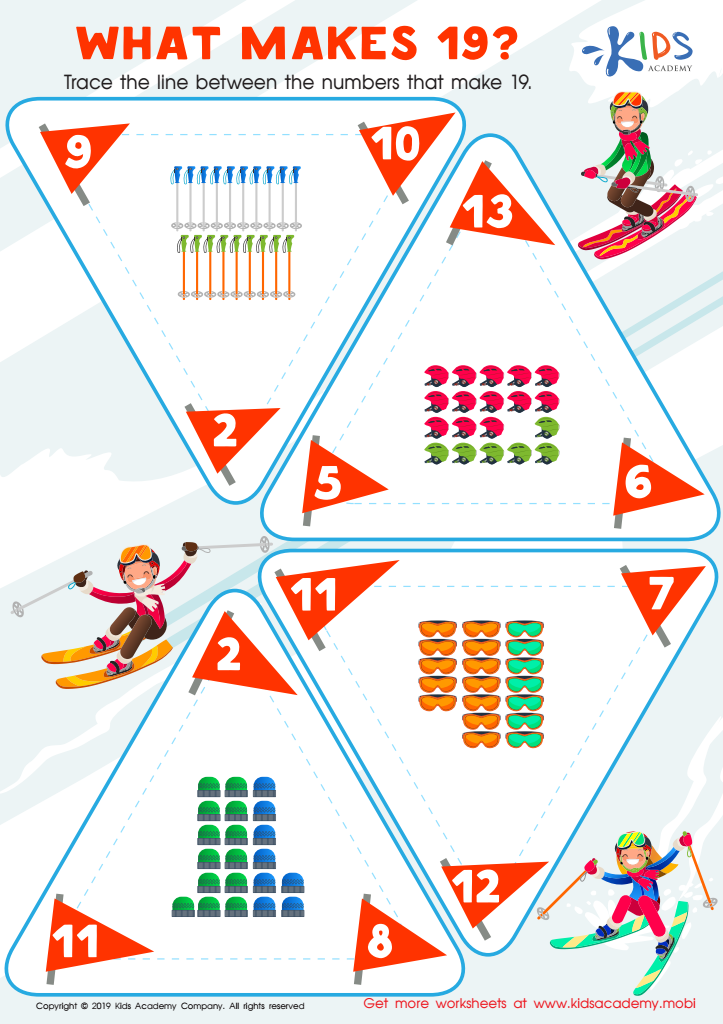
What Makes 19? Worksheet








Parents and teachers should prioritize Basic Addition Skills and Extra Challenge Addition & Subtraction exercises for children aged 3-8 because these foundational arithmetic skills are critical for early cognitive development and later academic success. During these formative years, children's brains are exceptionally conducive to learning and absorbing new information. Establishing strong foundational math skills, such as addition and subtraction, lays the groundwork for future complex math concepts.
Engaging young children in math challenges helps to develop their problem-solving abilities and analytical thinking early on. It also enhances their immediate learning capabilities by fostering a strong number sense, which is pivotal for tackling more advanced mathematical topics in subsequent educational stages. Structured exercises geared towards this age group can also increase children's confidence in their math abilities and reduce math anxiety, fostering a positive attitude towards learning.
Furthermore, providing extra challenges in addition and subtraction helps to reinforce understanding and solidify knowledge. For young children, consistent practice is key to mastery. Worksheets and activities tailored for ages 3-8 make learning enjoyable and accessible, allowing children to practice at their own pace in a supportive environment. By investing time in these skills early, parents and teachers pave the way for a child's future academic and life-long success in various fields requiring quantitative literacy.








