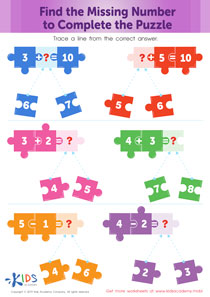
Counting skills Extra Challenge Addition Worksheets for Ages 3-8
6 filtered results
-
From - To
Enhance your child's math journey with our Counting Skills Extra Challenge Addition Worksheets, designed specifically for ages 3-8. These engaging and interactive worksheets foster essential counting and addition skills, helping young learners build a solid foundation in mathematics. Filled with colorful illustrations and fun, age-appropriate activities, children will enjoy practicing their counting while tackling exciting addition challenges. Great for home or classroom use, these worksheets encourage self-paced learning and boost confidence in young mathematicians. Explore our collection today and watch your child flourish as they gain mastery in counting and addition skills, setting them up for future academic success!
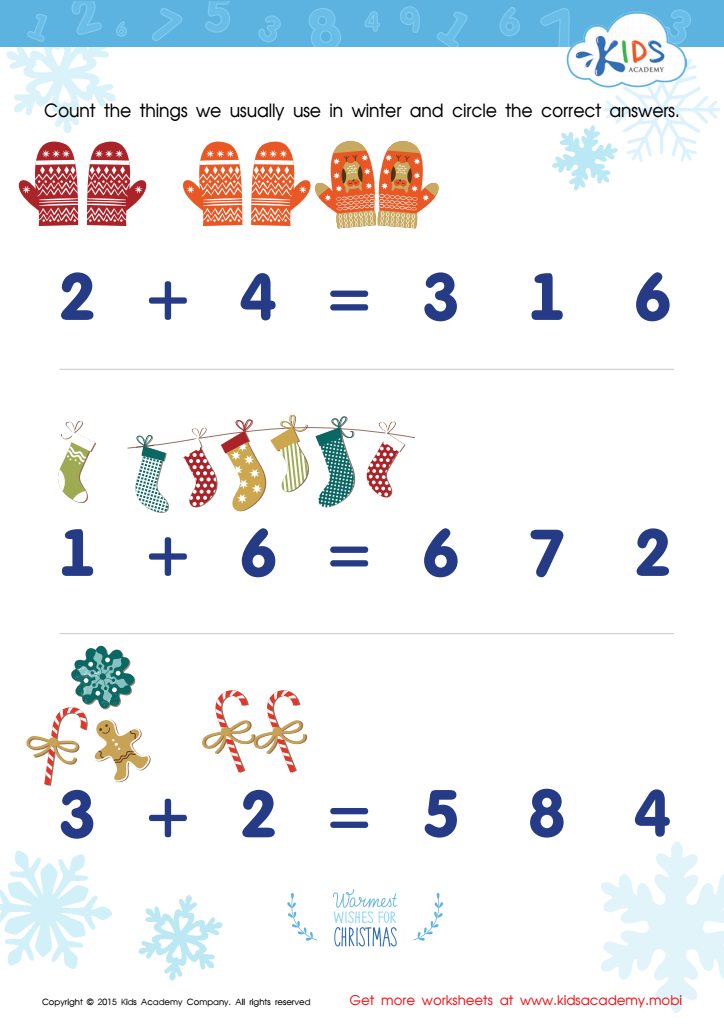
Count Winter Things Worksheet
 Assign to My Students
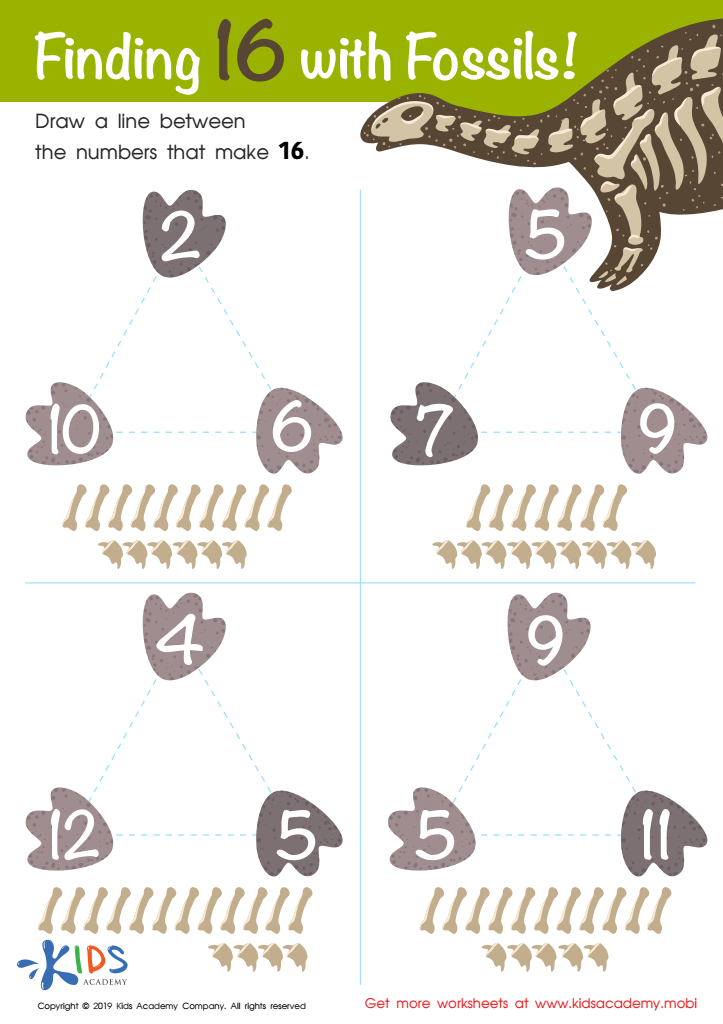
Finding 16 With Fossils Worksheet
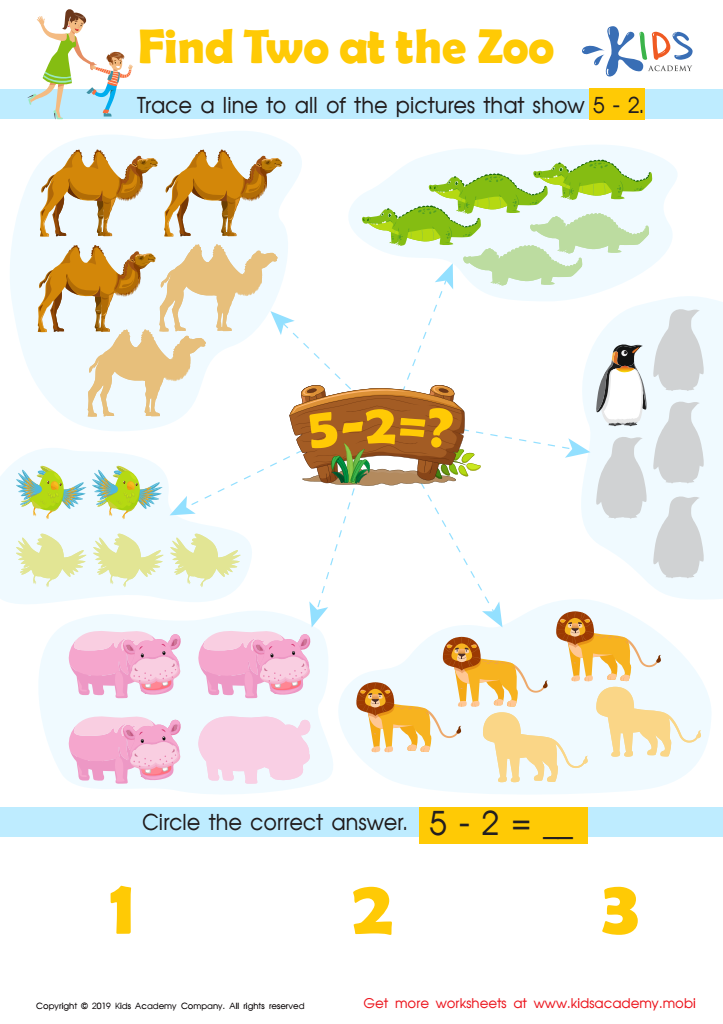
Find Two at the Zoo Worksheet
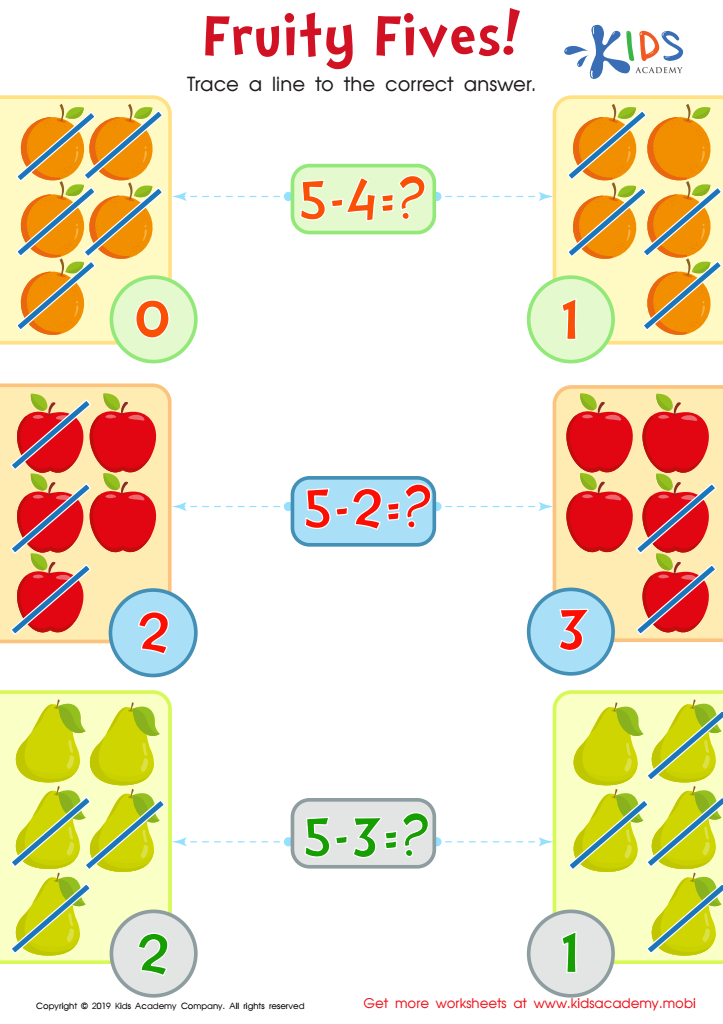
Fruity Fives! Worksheet
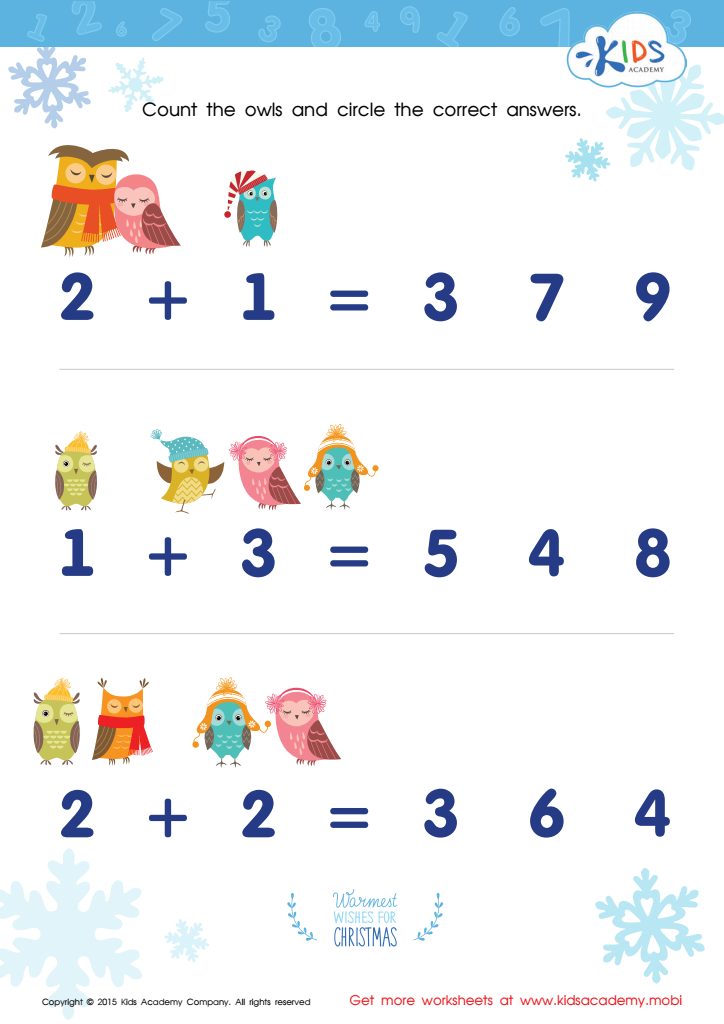
Count Little Owls Worksheet
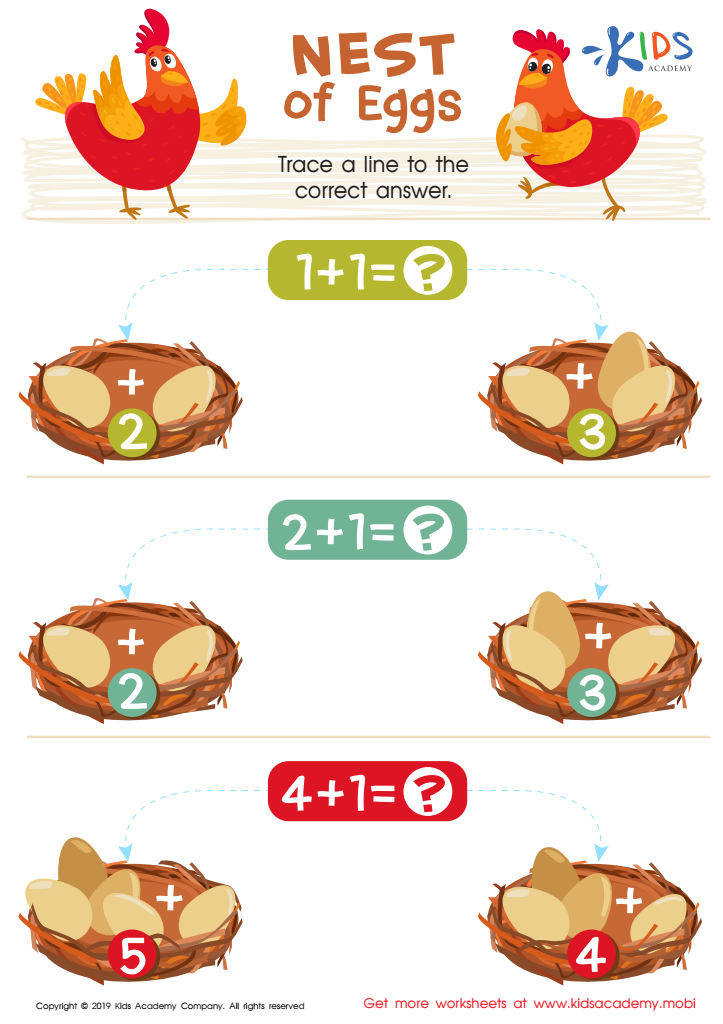
Nest of Eggs Worksheet








Developing counting skills and engaging in activities like Extra Challenge Addition for children aged 3-8 is crucial for their cognitive and mathematical growth. First, these early counting skills lay the foundation for future mathematics. Children learn to recognize numbers, quantities, and relationships, which are essential for understanding more complex mathematical concepts later on.
Additionally, counting exercises enhance cognitive skills such as problem-solving, critical thinking, and spatial awareness. When children are challenged through activities that promote addition, they develop persistence and resilience—traits that are valuable not just academically but in daily life.
Moreover, engaging in these activities can foster a love for learning. When parents and teachers provide stimulating and interactive environments, children become more enthusiastic about mathematics. These early positive experiences with numbers can combat math anxiety in the future.
Finally, parents and teachers play a vital role in shaping a child’s attitude toward learning. By emphasizing the significance of counting and addition activities, they can help children build confidence, strengthening their belief in their ability to succeed in mathematics. Investing time in these areas helps prepare children for success in school and beyond, making it vital for caregivers to prioritize these skills.