Fine Motor Skills Extra Challenge Math Worksheets for Ages 3-8 - Page 2
32 filtered results
-
From - To
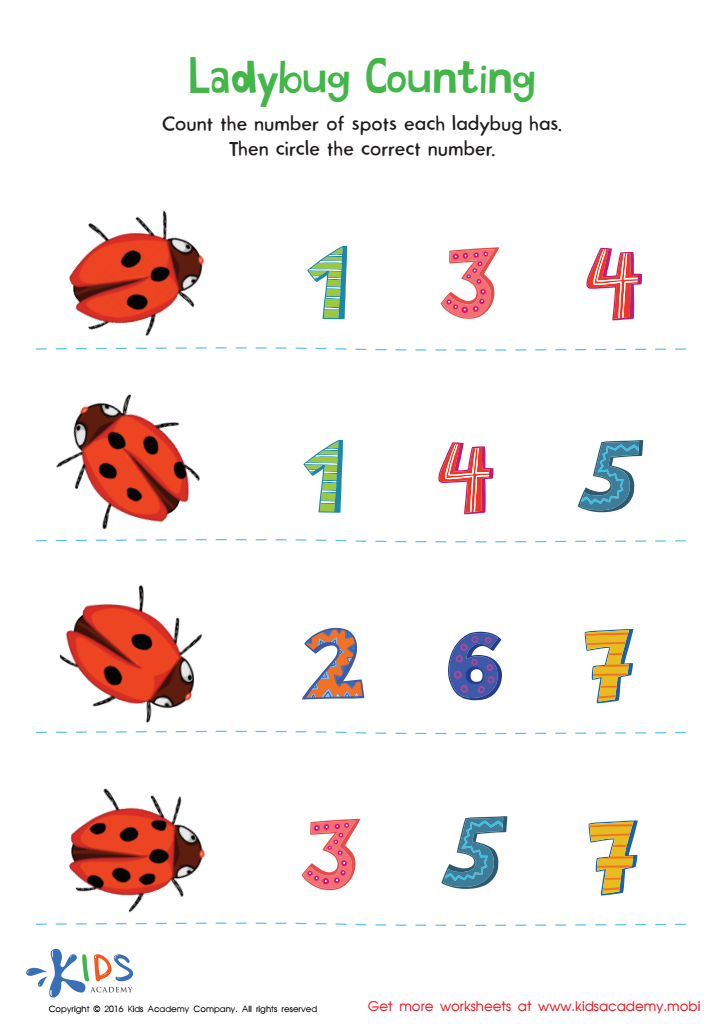
 Assign to My Students
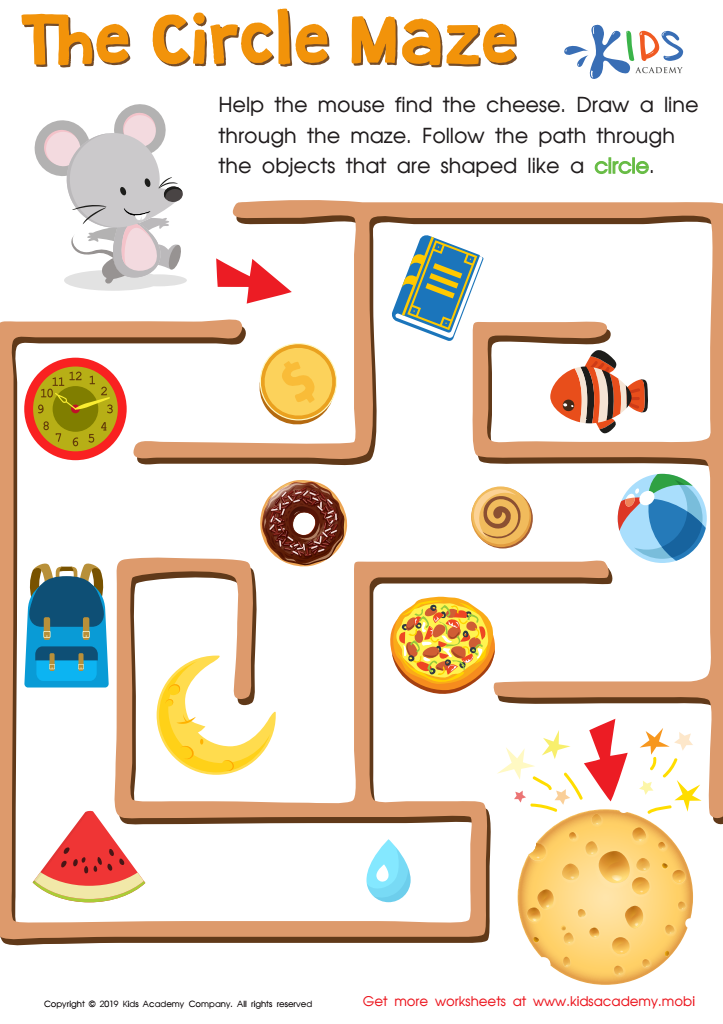
The Circle Maze Worksheet
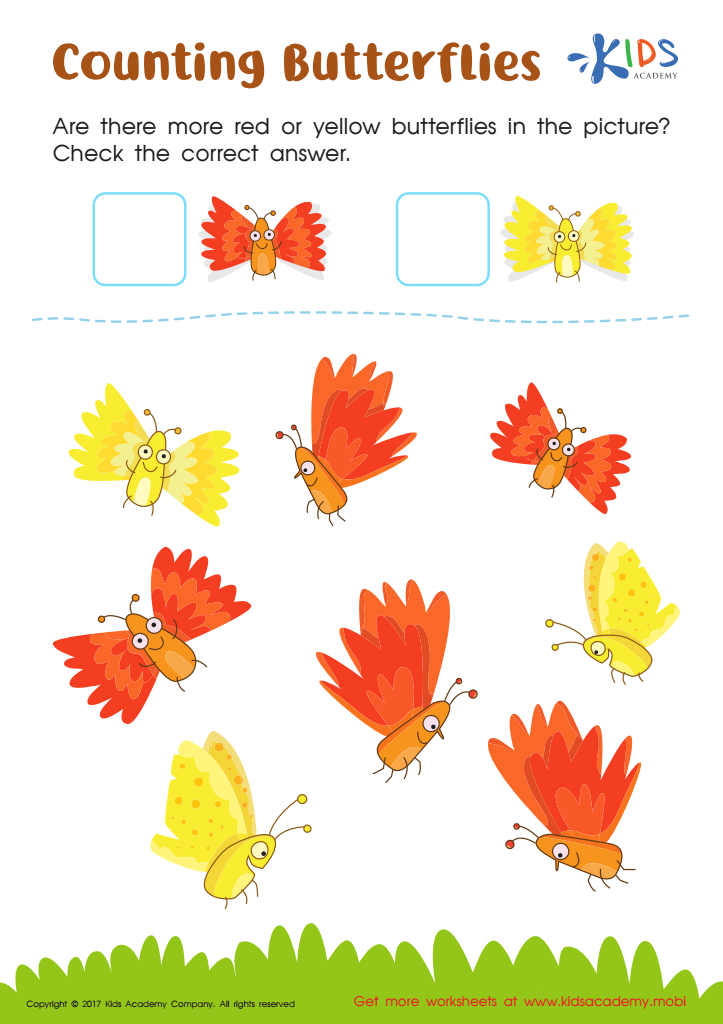
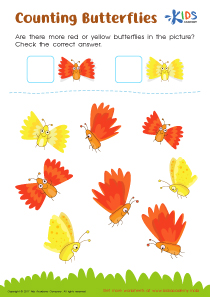
Counting Butterflies Worksheet

Pirate Ship Connect Dots Worksheet
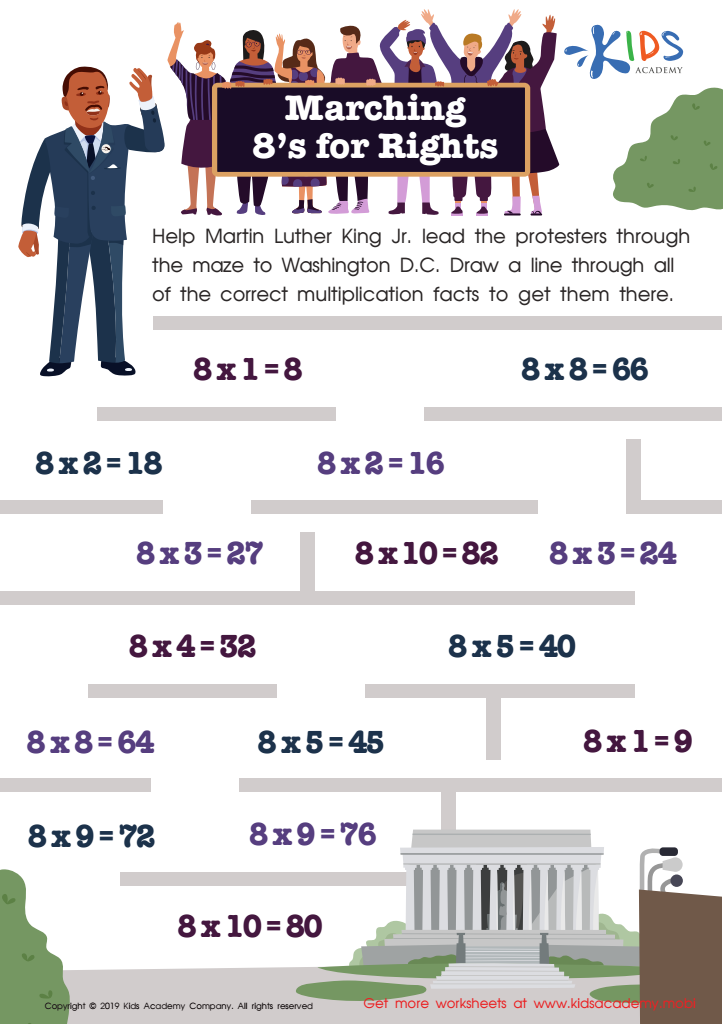
Marching 8’s for Rights Worksheet
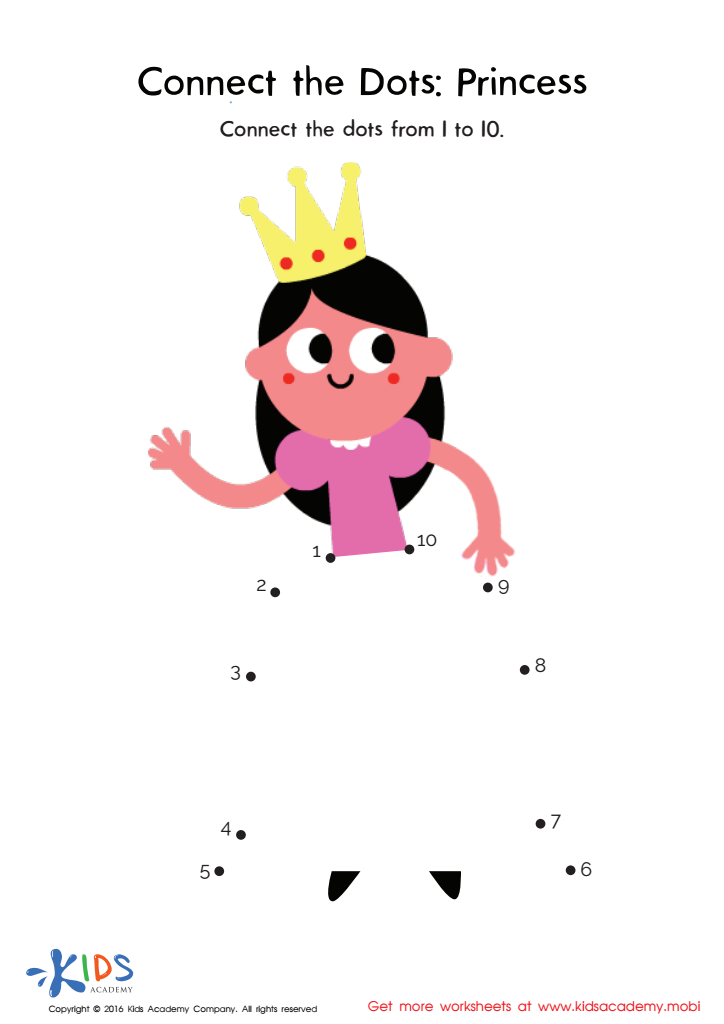
Princess Connect Dots Worksheet
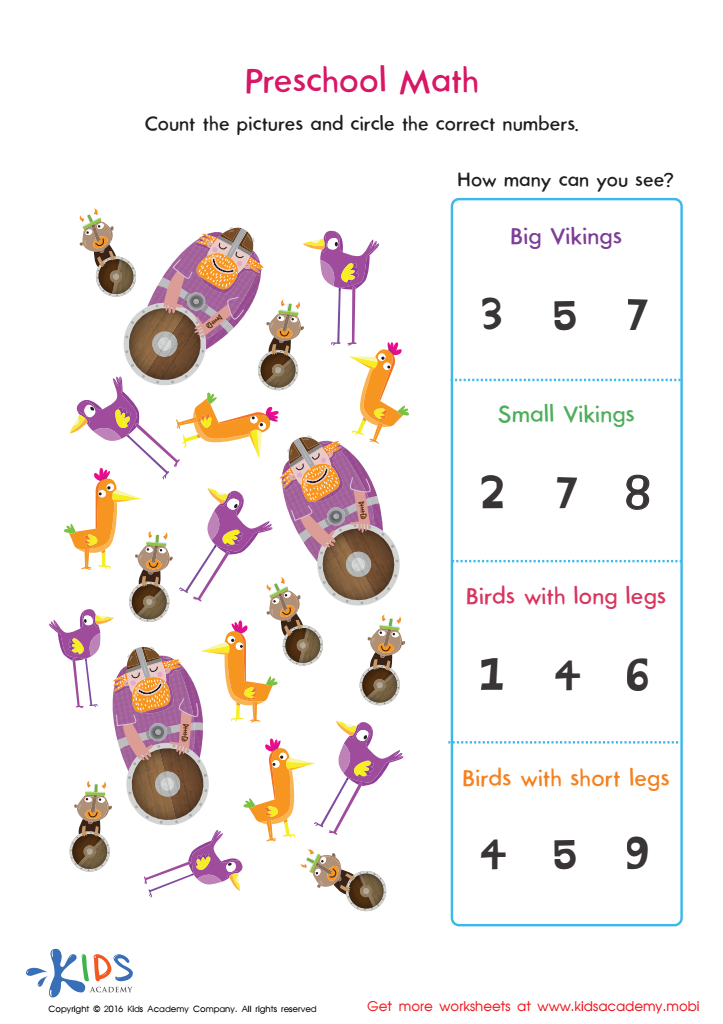
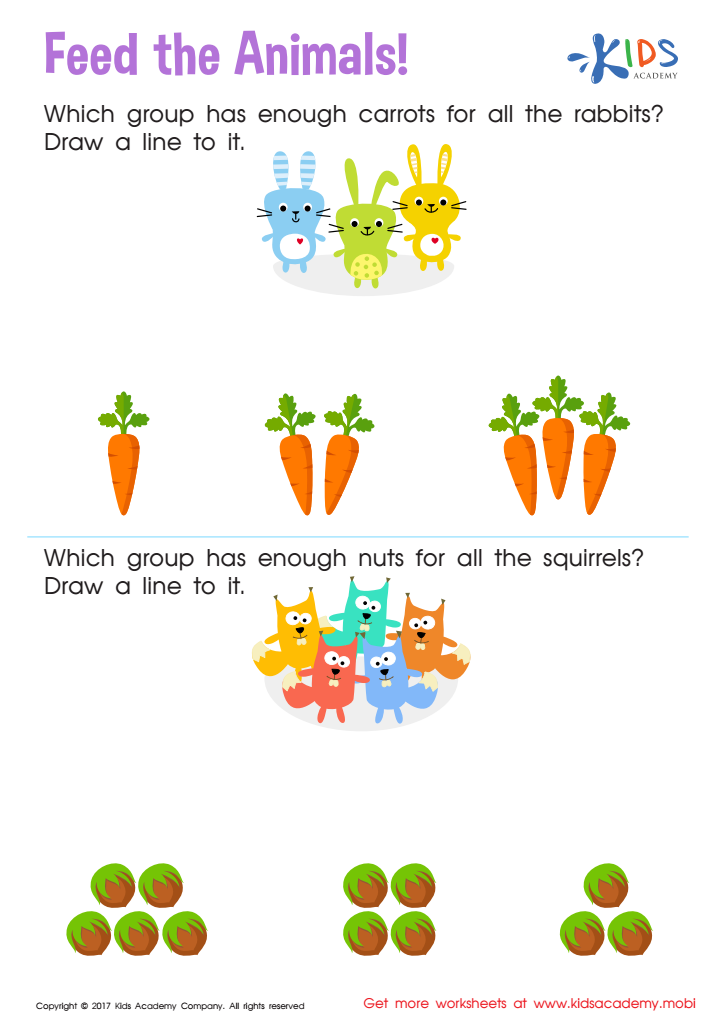
Count and Match: Feed the Animals Worksheet








Fine motor skills are crucial for young children because they lay the foundation for essential life activities, including writing, buttoning clothes, and tying shoelaces. Encouraging fine motor skills development with extra challenge math activities greatly benefits children aged 3-8. Here are some compelling reasons why parents and teachers should prioritize these activities:
-
Enhanced Learning: Combining fine motor skill development with math challenges helps reinforce cognitive connections. It accelerates learning of numbers, shapes, and patterns, creating a foundation for more complex mathematical concepts later.
-
Improved Hand-Eye Coordination: Math activities that demand the use of fine motor skills—like counting objects, maneuvering small items, or drawing shapes—enhance hand-eye coordination. This ensures precision in more advanced academic tasks.
-
Boosts Concentration and Patience: Fine motor activities often require attention to detail. Engaging children in such tasks promotes longer concentration spans and determination, key qualities for academic success.
-
Enhanced Creativity: Fine motor skill challenges paired with math encourage creative problem-solving. Children learn to manipulate objects in different ways, fostering an innovative mindset.
-
Prepare for School Skills: Developing these skills early prepares children for classroom tasks such as writing, cutting with scissors, and cursor control for computer use, supporting an easier transition to formal schooling.
In essence, integrating fine motor skills with math activities provides a multidimensional learning experience that is both engaging and foundational for future educational success.