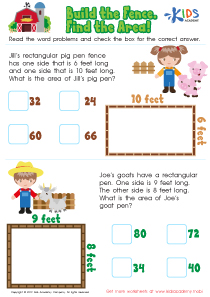
Subtraction practice Extra Challenge Subtraction Worksheets for Ages 3-8
7 filtered results
-
From - To
Boost your child's math skills with our Extra Challenge Subtraction Worksheets, specially designed for ages 3-8! These engaging worksheets provide a fun and interactive way for young learners to practice subtraction, building confidence and competence in early math concepts. Each worksheet offers a variety of subtraction problems, encouraging children to solve challenges at their own pace. With colorful illustrations and age-appropriate activities, learning subtraction becomes an enjoyable experience. Perfect for parents and teachers seeking additional practice, our worksheets promote critical thinking and problem-solving skills. Start your child's subtraction journey today with our comprehensive selection of extra challenge worksheets!
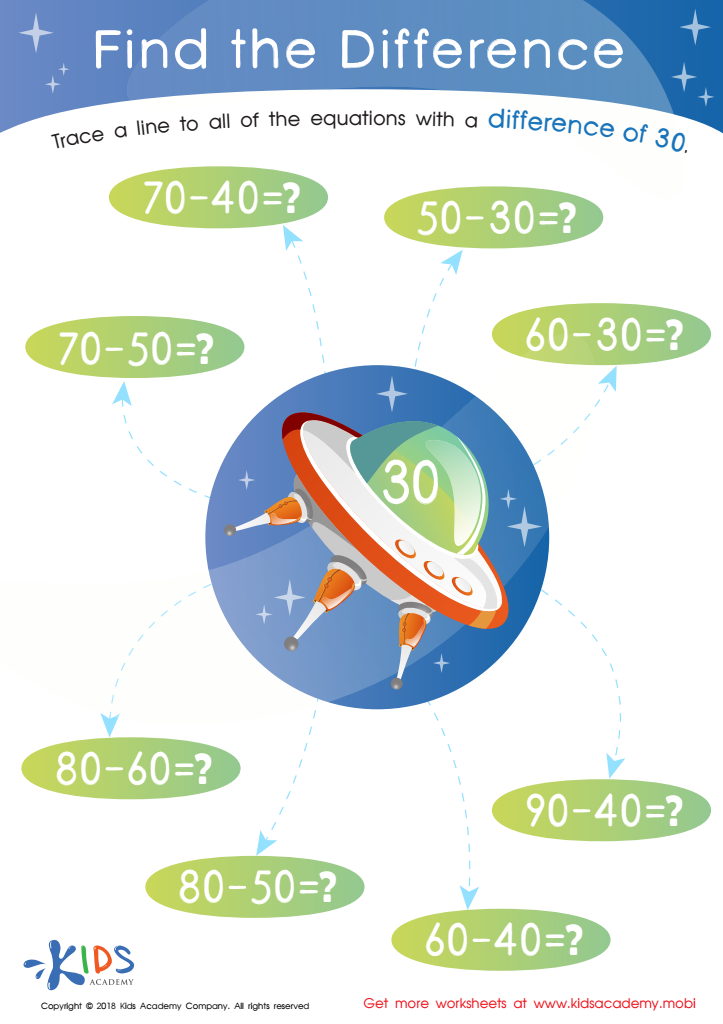
Find The Difference Worksheet
 Assign to My Students
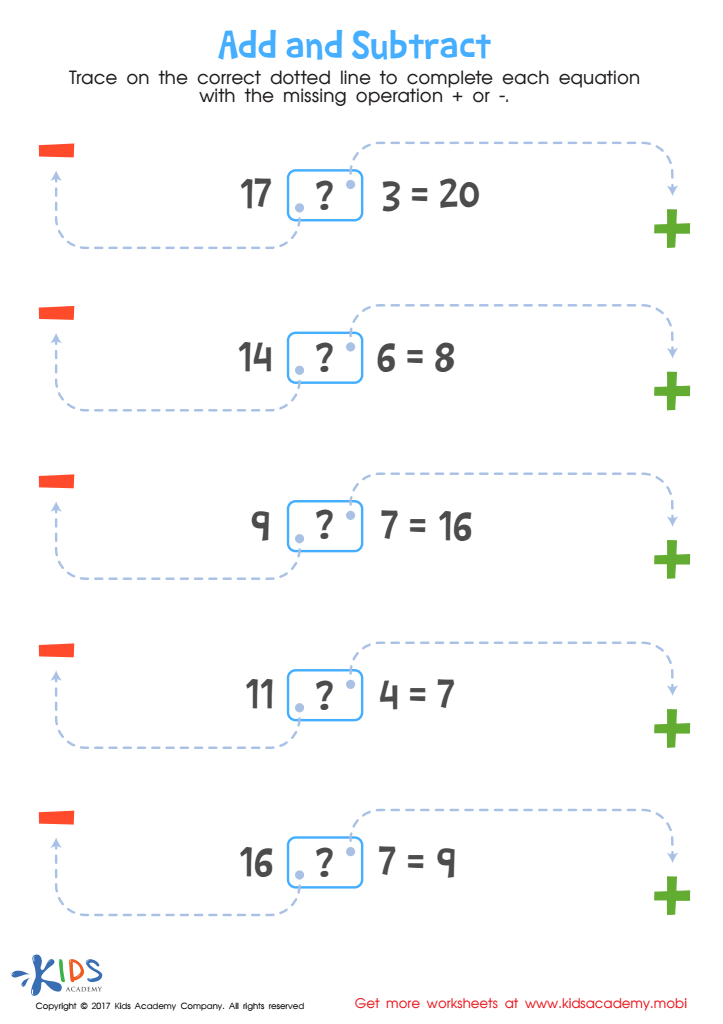
Add and Subtract Worksheet
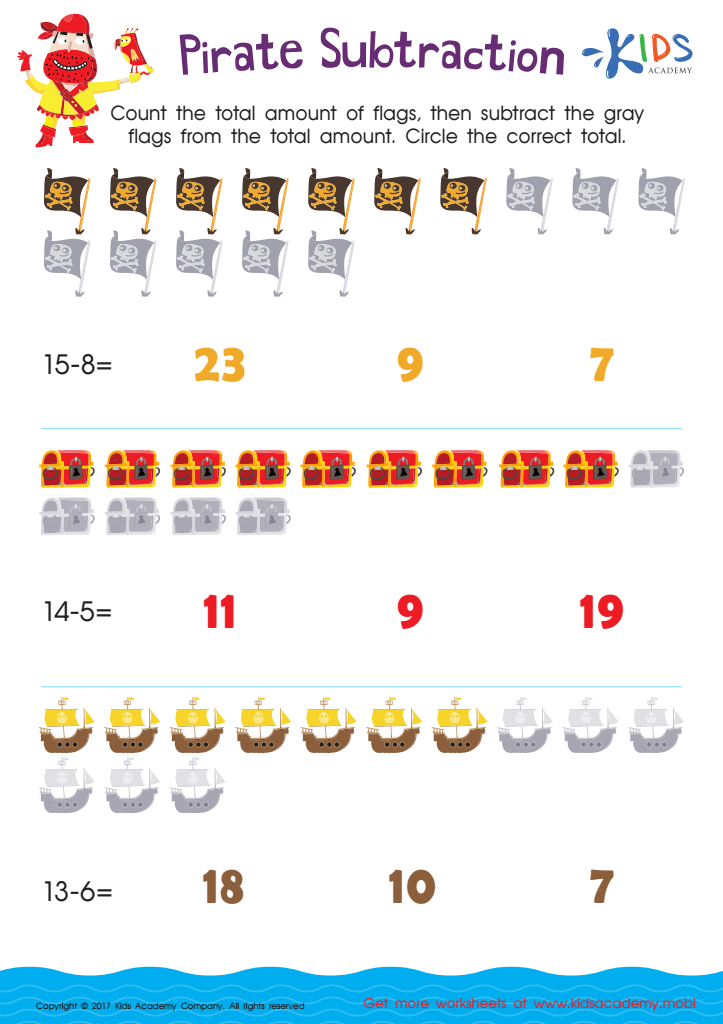
Pirate Subtraction Substraction Worksheet
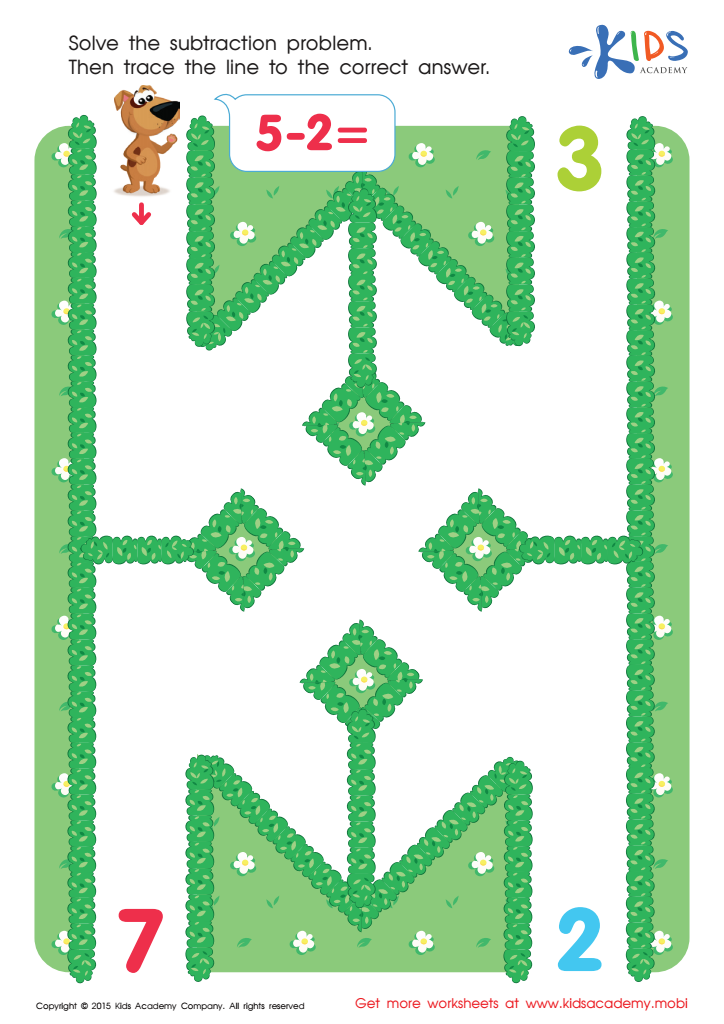
Five Minus Two Worksheet
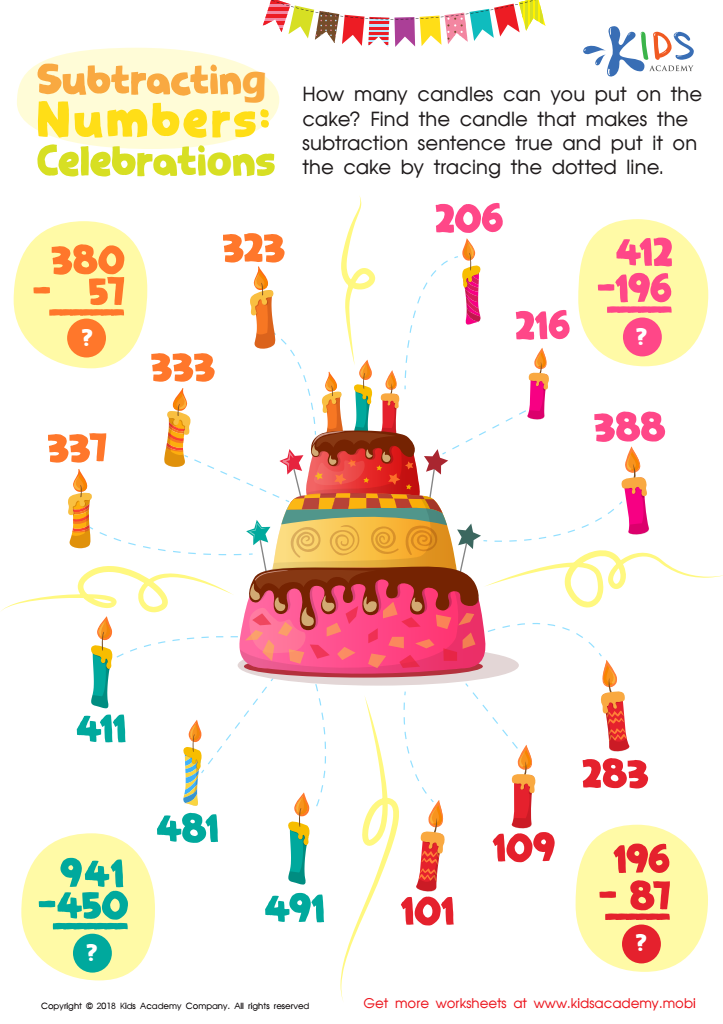
Subtracting Numbers: Celebrations Worksheet
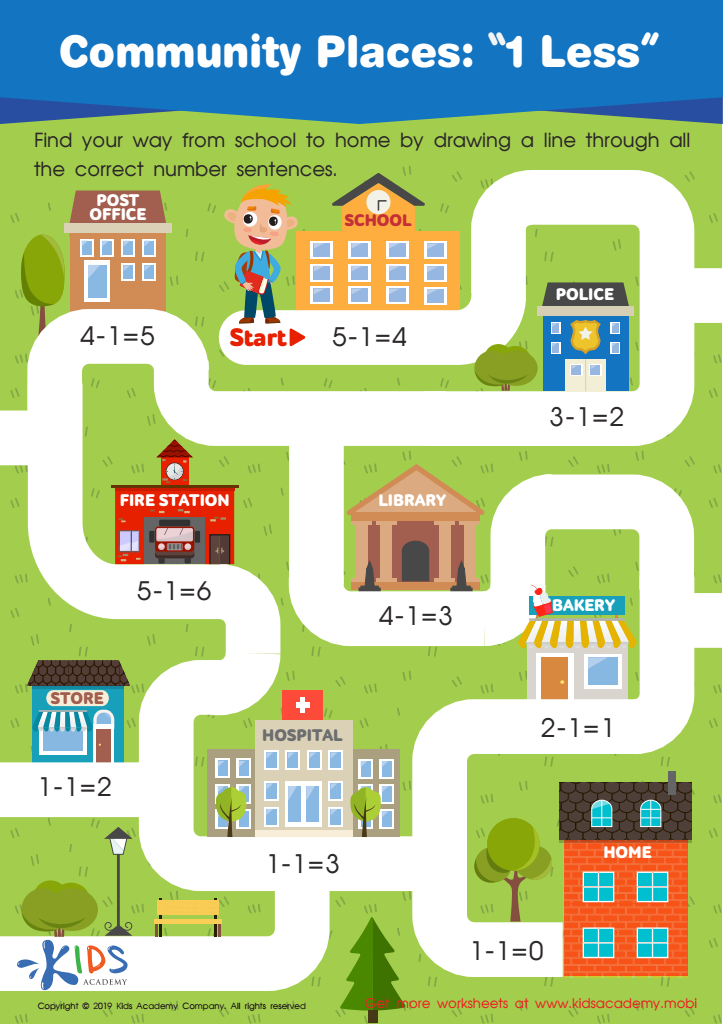
Community Places: 1 Less Worksheet
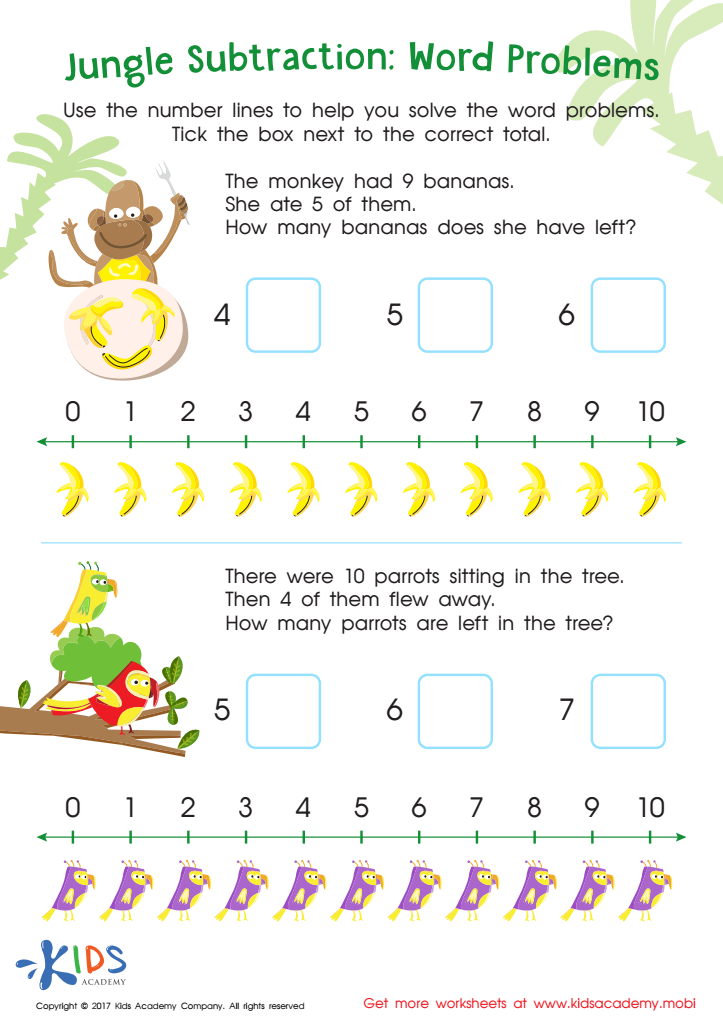
Jungle Subtraction Word Problems Substraction Worksheet








Subtraction practice, specifically targeting ages 3-8, is crucial for the foundational development of mathematical skills. During these formative years, children are actively building their understanding of numbers and early math concepts. Engaging in extra challenge subtraction activities helps to deepen their comprehension, critical thinking, and problem-solving abilities.
Parents and teachers should care about providing extra challenge subtraction practice because it not only reinforces basic subtraction skills, but also fosters resilience and a growth mindset in children. As learners tackle more complex problems, they develop perseverance and a sense of achievement, which are essential for future academic success.
Moreover, this practice enhances cognitive abilities, sharpens attention, and improves memory, all of which are vital for overall learning. Incorporating playful and interactive elements can make subtraction practice enjoyable and engaging, turning potential frustration into a fun experience.
Ultimately, equipping children with a solid understanding of subtraction lays the groundwork for advanced math skills in later years. Emphasizing this aspect of early education prepares young learners for future challenges, cultivates their passion for mathematics, and ensures they are well-prepared for more complex concepts as they progress in their education.