Vocabulary expansion Extra Challenge Building Vocabulary Worksheets for Ages 3-8
8 filtered results
-
From - To
Enhance your child's language skills with our "Vocabulary Expansion Extra Challenge Building Vocabulary Worksheets," specially designed for ages 3-8. These engaging activities foster an enriching learning experience, helping young learners expand their vocabulary through fun and interactive exercises. Each worksheet encourages creative thinking and reinforces word comprehension, making it easier for children to express themselves clearly. With varied themes and levels of difficulty, these resources cater to different learning styles and abilities. Perfect for home or classroom use, our worksheets are ideal for parents and teachers who wish to nurture a love for language and learning in their young students.
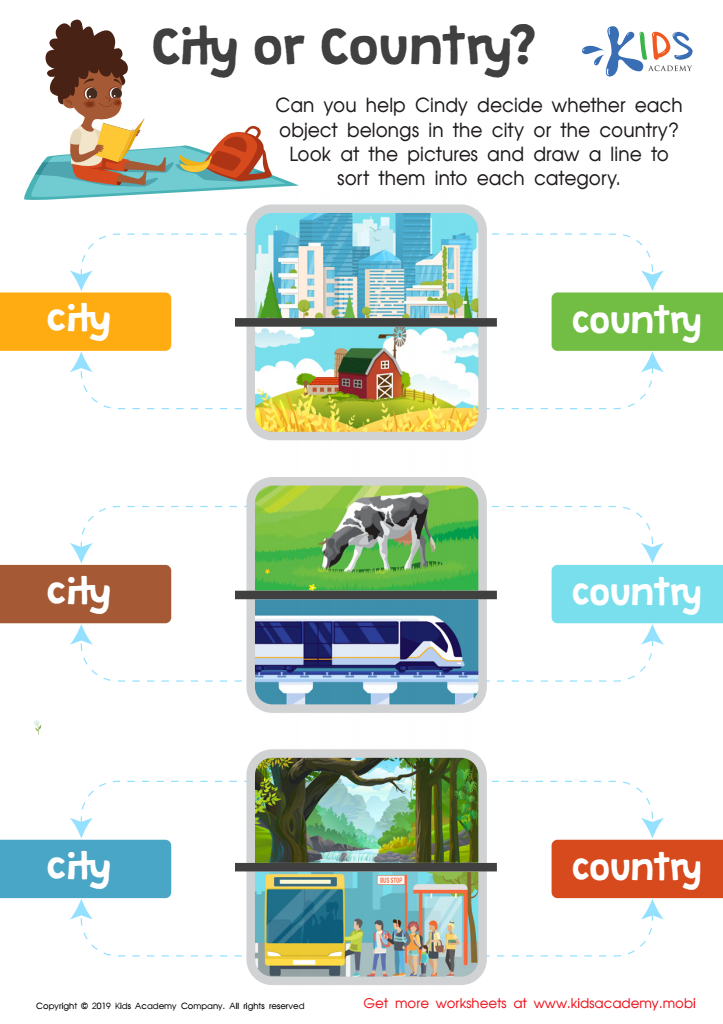
City or Country? Worksheet
 Assign to My Students











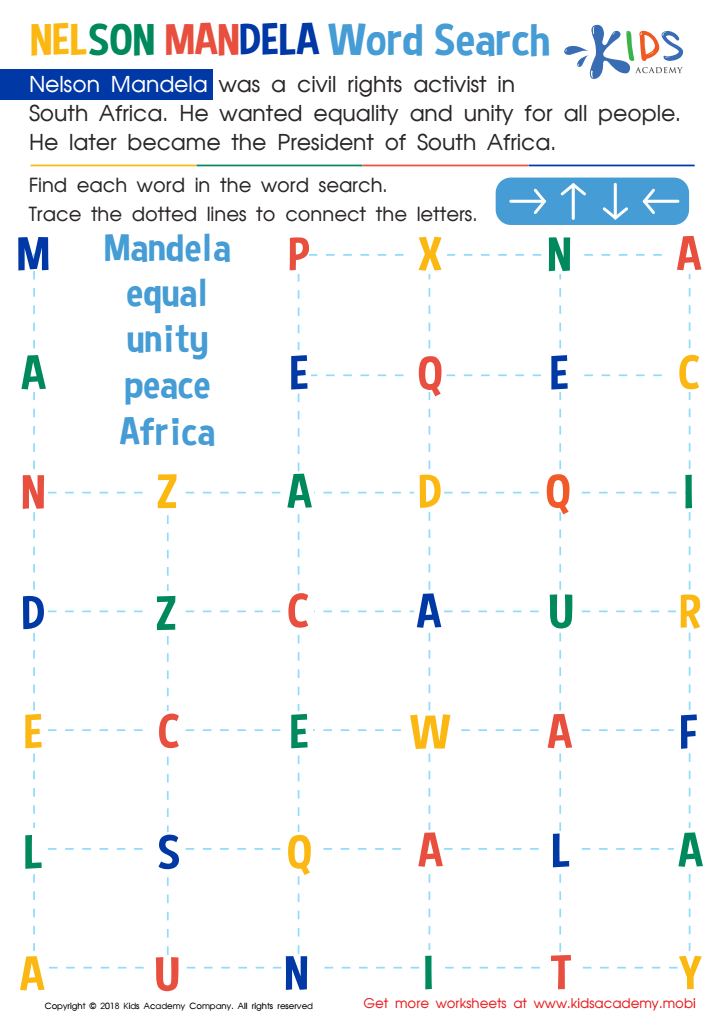
Nelson Mandela Word Search Worksheet
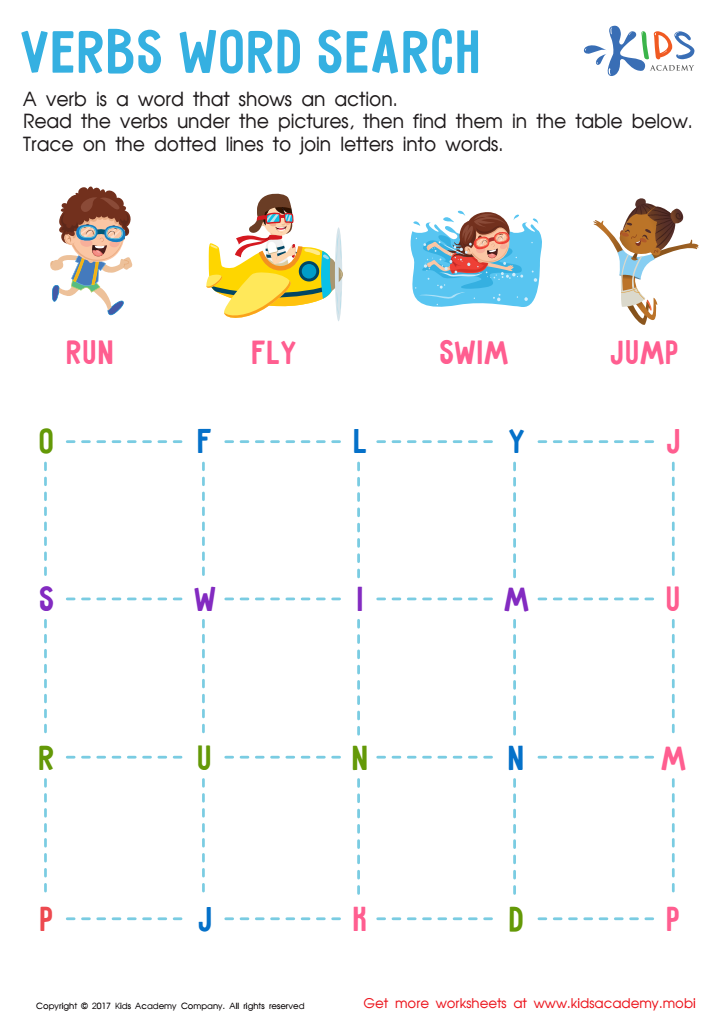
Verbs Word Search Worksheet
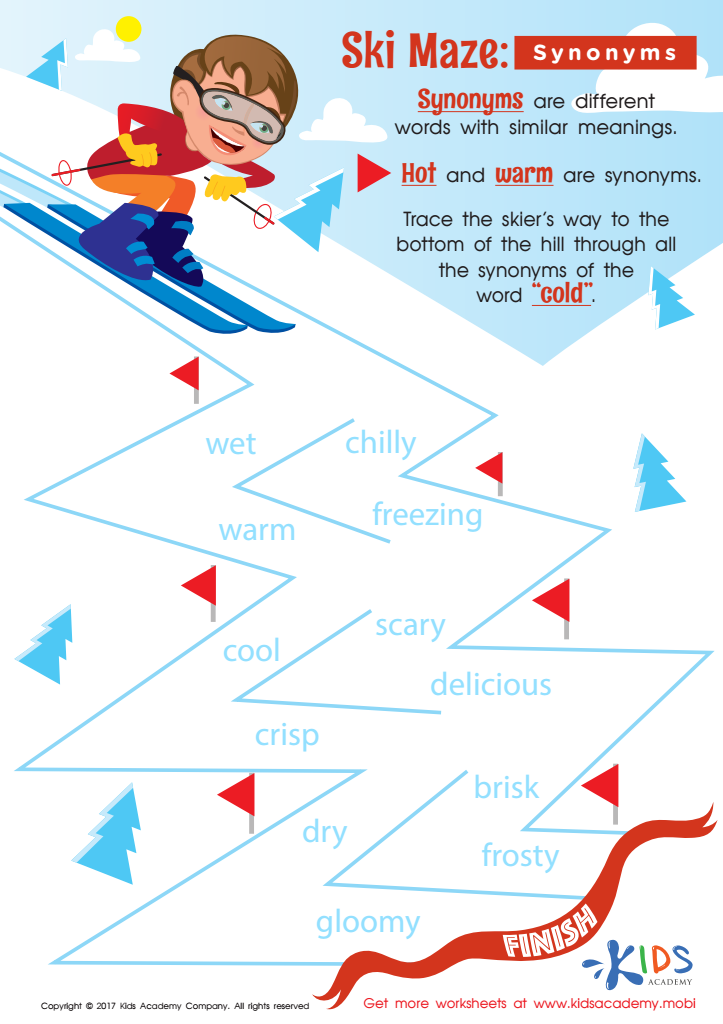
Free Printable Synonym Worksheet
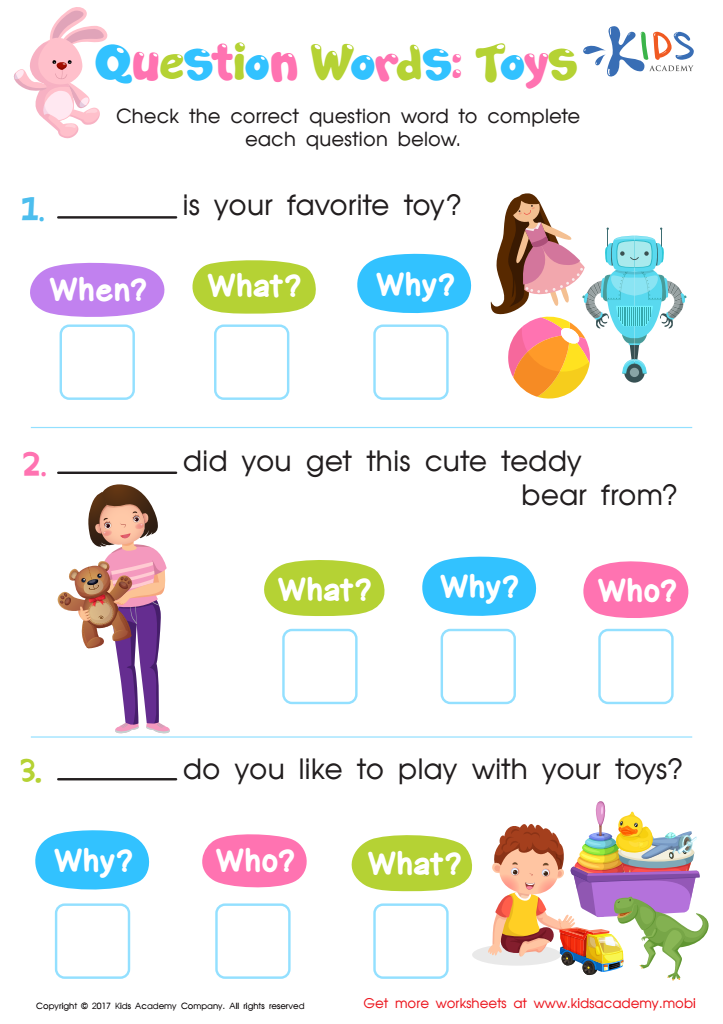
Question Words: Toys Worksheet
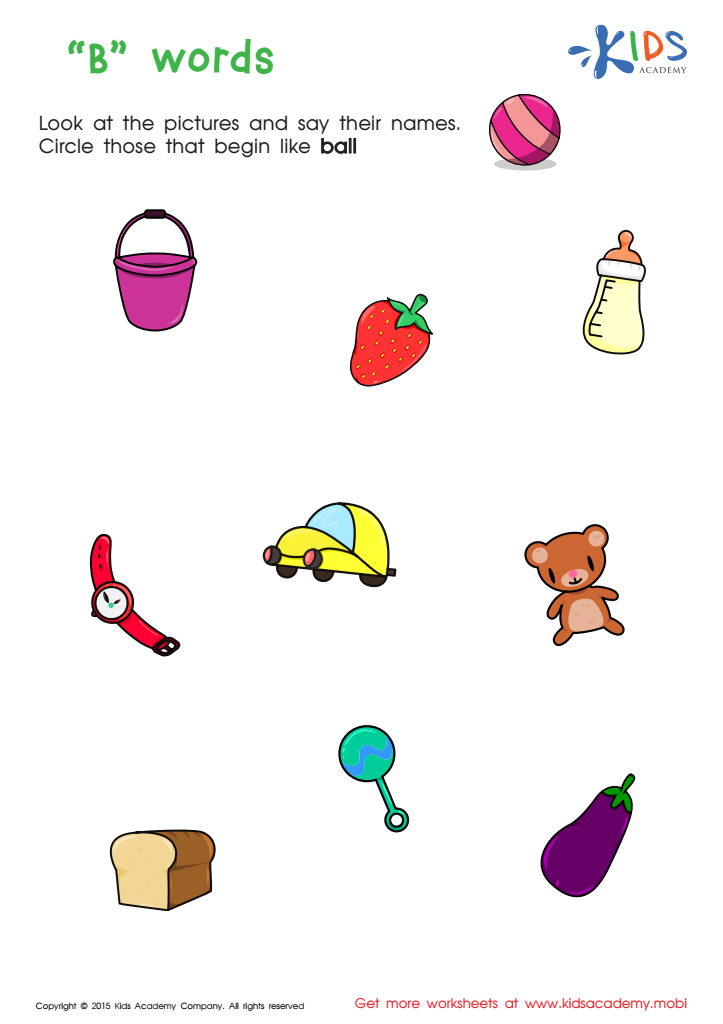
First Words Worksheet
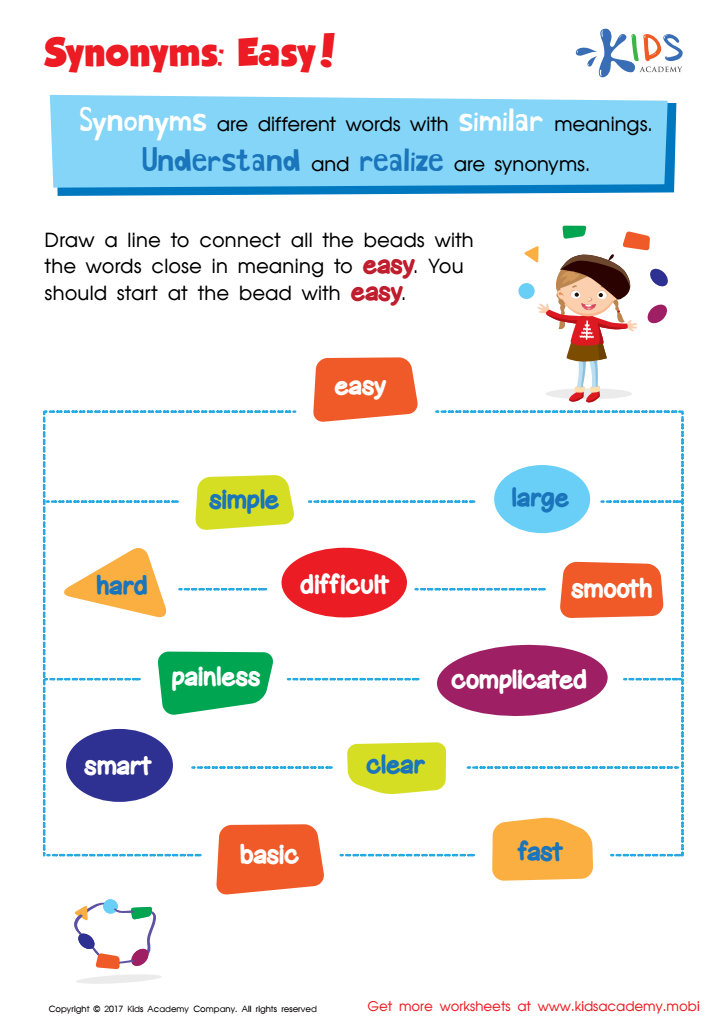
Free Synonym Worksheet
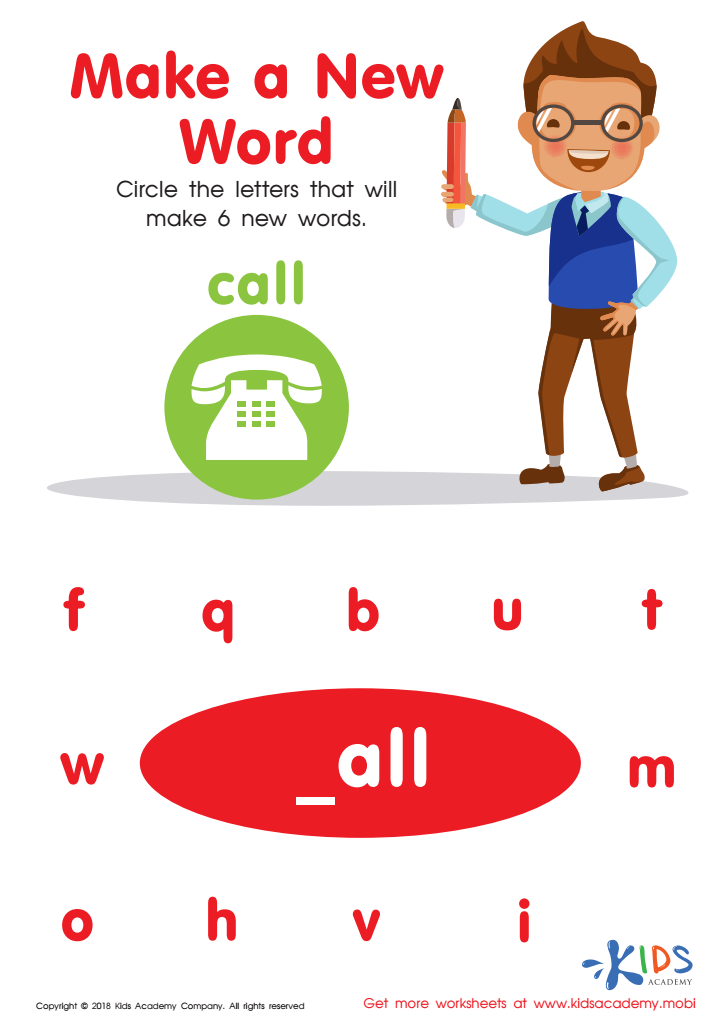
Make a New Word Worksheet








Vocabulary expansion is crucial for children aged 3-8, as it lays the foundation for effective communication, reading proficiency, and overall academic success. At this developmental stage, children's brains are highly receptive to new language, and a rich vocabulary equips them with the tools to express their thoughts, feelings, and ideas.
Parents and teachers should prioritize vocabulary building because it directly enhances cognitive development. Expanding a child’s vocabulary improves their comprehension skills, making it easier to understand spoken and written language. This skill is crucial for effective learning in subjects across the curriculum.
Furthermore, a robust vocabulary bestows confidence in children, enabling them to articulate their opinions and engage in meaningful conversations with peers and adults. Vocabulary growth also fosters critical thinking, as children learn to make connections between words and concepts.
Engaging in extra challenges that focus on vocabulary expansion—such as reading diverse books, playing word games, and incorporating new words in daily conversations—can make the learning process fun and interactive. Ultimately, nurturing a love for words helps to cultivate lifelong learners who are prepared to navigate the complexities of language in the real world. Thus, parents and educators play a pivotal role in this essential aspect of childhood development.