Problem-Solving Skills Extra Challenge Reading Worksheets for Ages 3-8
5 filtered results
-
From - To
Enhance your child's problem-solving abilities with our engaging "Problem-Solving Skills Extra Challenge Reading Worksheets" designed for ages 3-8. These worksheets feature fun scenarios that encourage young learners to think critically and creatively while building their reading comprehension skills. Tailored to be age-appropriate, our printable materials stimulate curiosity and promote independent thinking, making learning enjoyable. From interactive story prompts to puzzles, each worksheet guides children through real-life challenges, helping them develop essential cognitive skills early on. Empower your child with the tools they need for success in school and beyond. Explore our collection and watch them thrive in their problem-solving journey!
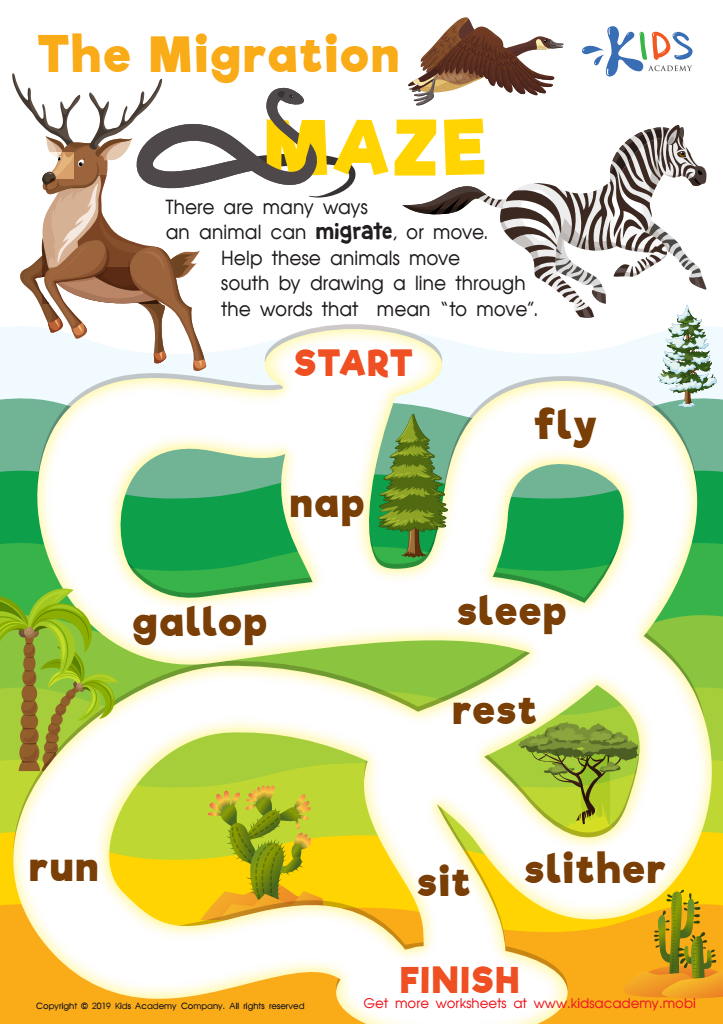
The Migration Maze Worksheet
 Assign to My Students
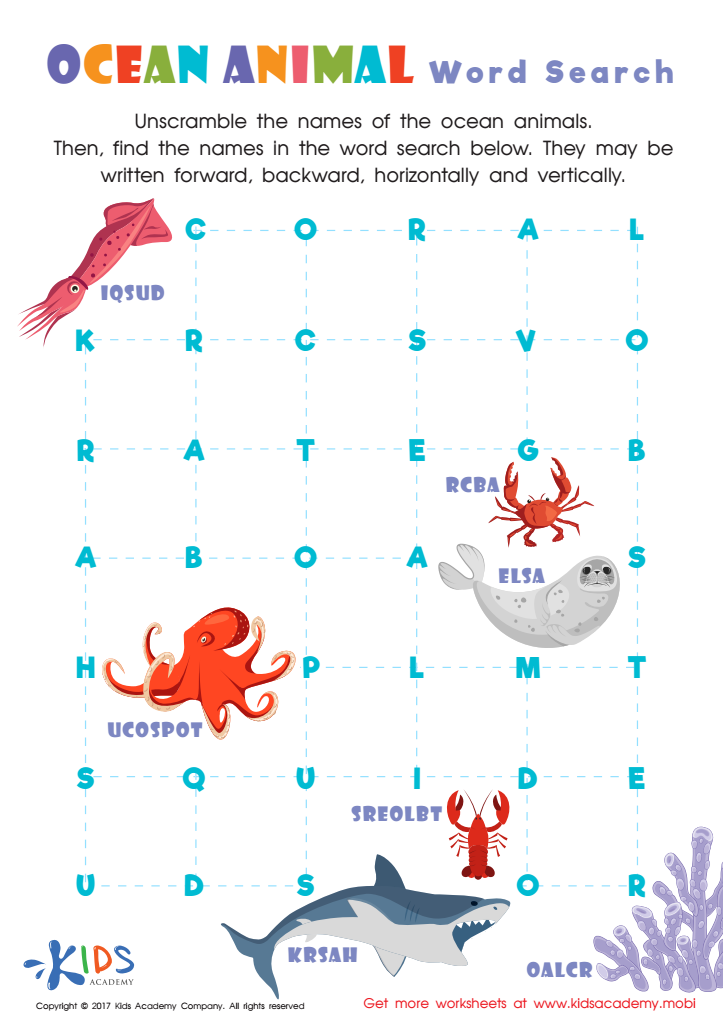
Ocean Animals Word Search Printable
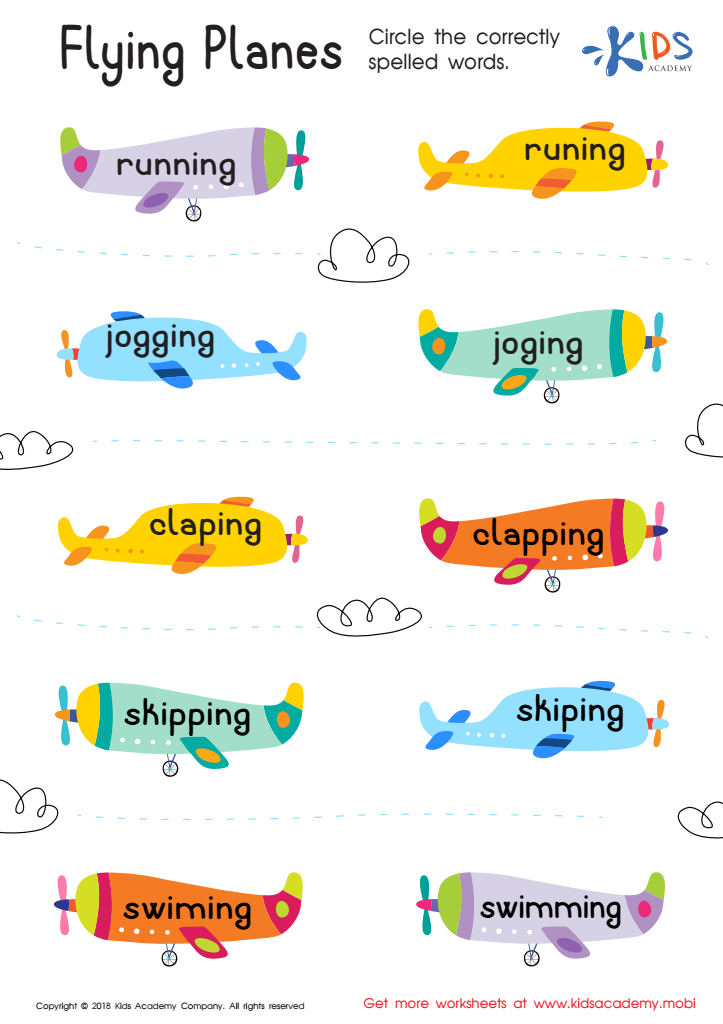
Flying Planes Worksheet
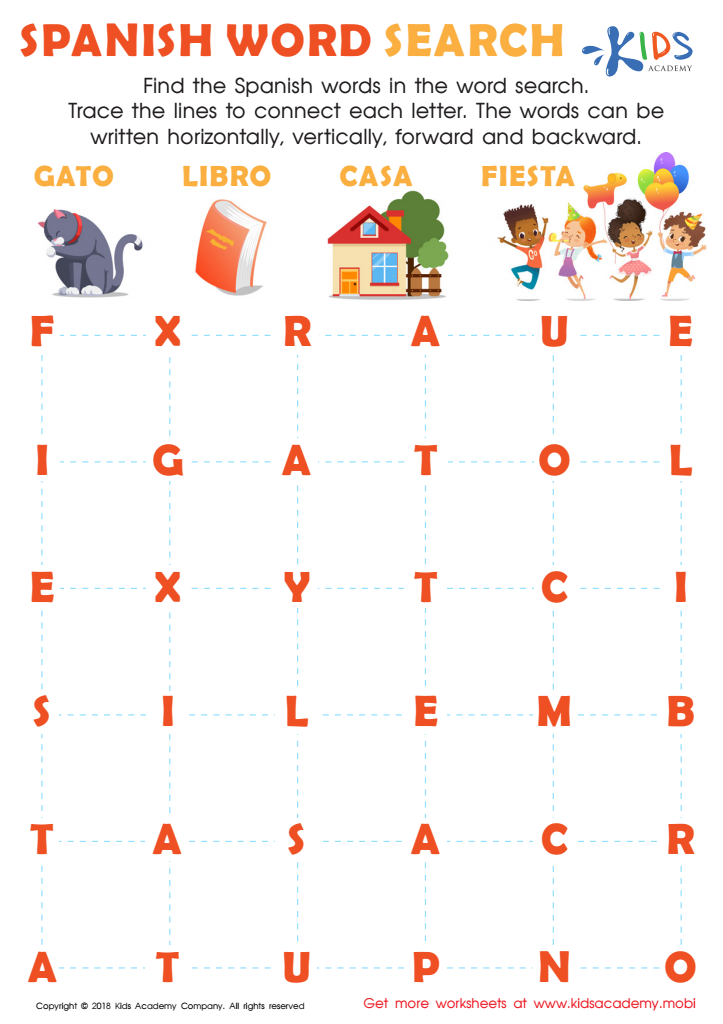
Spanish Word Search Worksheet
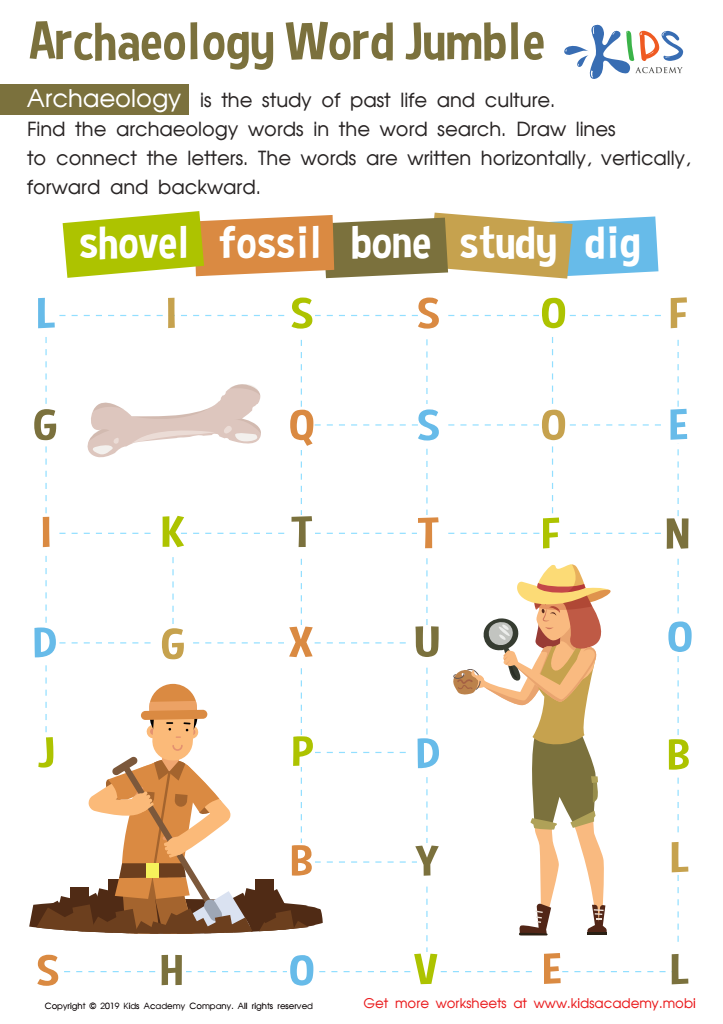
Archaeology Word Jumble Worksheet








Problem-solving skills are critical for children’s cognitive and emotional development, making programs like Problem-Solving Skills Extra Challenge Reading highly beneficial for ages 3-8. During these formative years, children are naturally curious and eager to explore their environment. Engaging them in problem-solving activities through reading helps to enhance their critical thinking, creativity, and analytical skills.
Parents and teachers should care about these skills because they lay the foundation for future academic success. Proficient problem-solvers can tackle complex tasks with ease, enabling them to handle challenges effectively. Moreover, boosting these skills at a young age fosters resilience and adaptability—qualities essential for everyday life.
Extra challenge reading provides interactive and diverse textual experiences, encouraging children to think beyond the surface. As they analyze different scenarios, they develop the ability to approach problems methodically. This not only sharpens their reading comprehension but also equips them with the tools to navigate real-world situations confidently.
In supporting their children’s reading and problem-solving journey, parents and teachers cultivate a love for learning and empower young learners to become independent thinkers, setting them on the path to lifelong success and fulfillment. Ultimately, prioritizing these skills benefits not just the individual child but the community as a whole.