Filters

7 filtered results

Clear all filters
Favorites
With answer key
Interactive

7 filtered results

Difficulty Level

Grade


Explore our "Extra Challenge Reading Non-Fiction Worksheets" designed for children aged 3-8! These engaging worksheets encourage young readers to delve into factual texts, promoting critical thinking and comprehension skills. Packed with exciting topics, from animals to science, these activities are perfect for budding explorers. Our worksheets are tailored to stimulate curiosity and enhance vocabulary, making learning both informative and fun. Each worksheet is visually appealing and crafted to suit varying skill levels, providing the perfect extra challenge for advanced readers. Encourage a love for reading and knowledge with our comprehensive, easy-to-use resources that inspire exploration and learning in the real world!

Check out this FREE Trial Lesson on Reading Non-Fiction for age 3-8!

Identify Text Features

Favorites
With answer key
Interactive
  • 3-8
  • Reading Non-Fiction
  • Extra Challenge
Author’s Purpose: Erosion Worksheet

Author’s Purpose: Erosion Worksheet

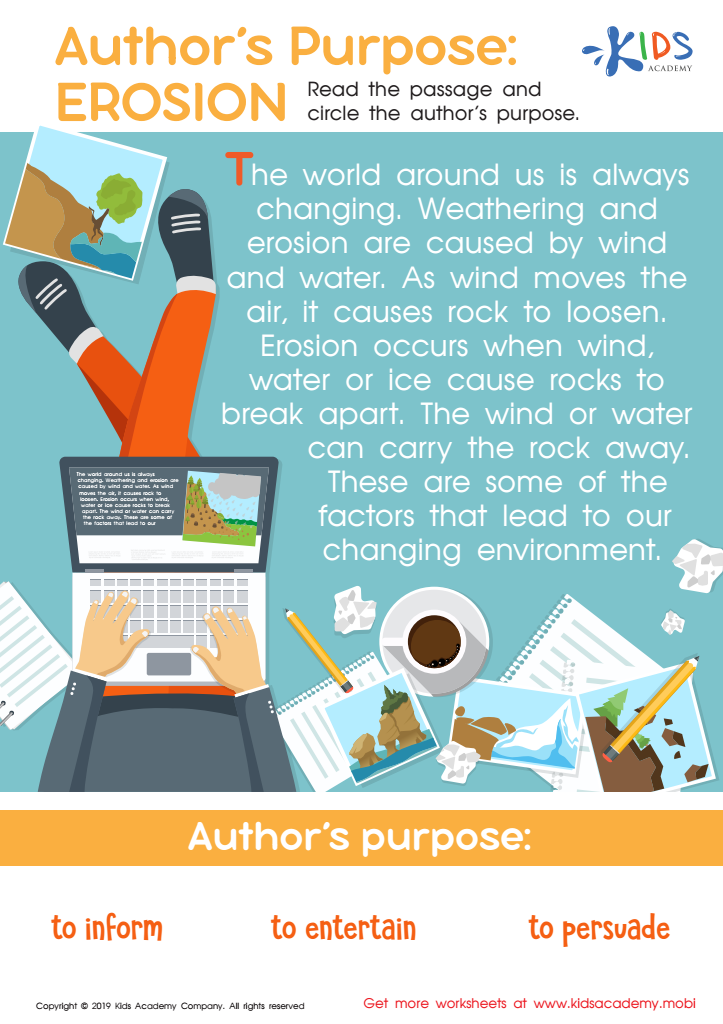
Expose your students to new texts and passages to help them gain reading practice, learn new words and acquire the author's knowledge. This worksheet has a short passage; have your students read it and choose the author's purpose from the given options.
Author’s Purpose: Erosion Worksheet
Worksheet
Pre-reading Worksheet for Kindergarten

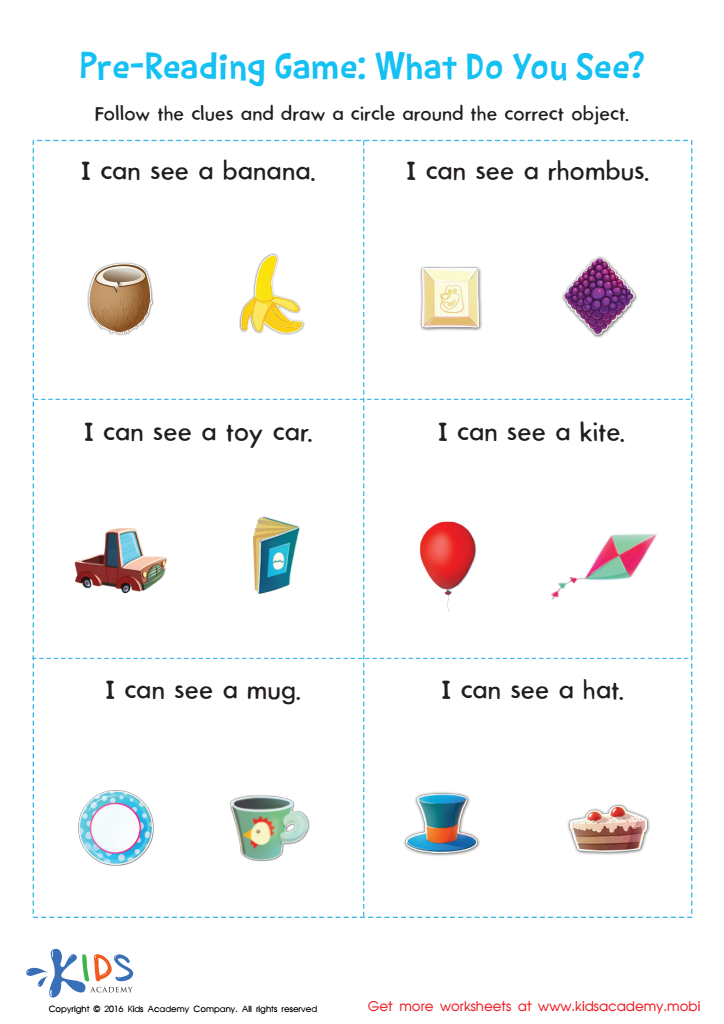
Pre–reading Worksheet: What Do You See?
Get started with this pre-reading worksheet to build your child's early literacy skills. Model, read aloud, and provide consistent repetition for successful learning.
Pre–reading Worksheet: What Do You See?
Worksheet
Book Bingo Worksheet

Book Bingo Worksheet

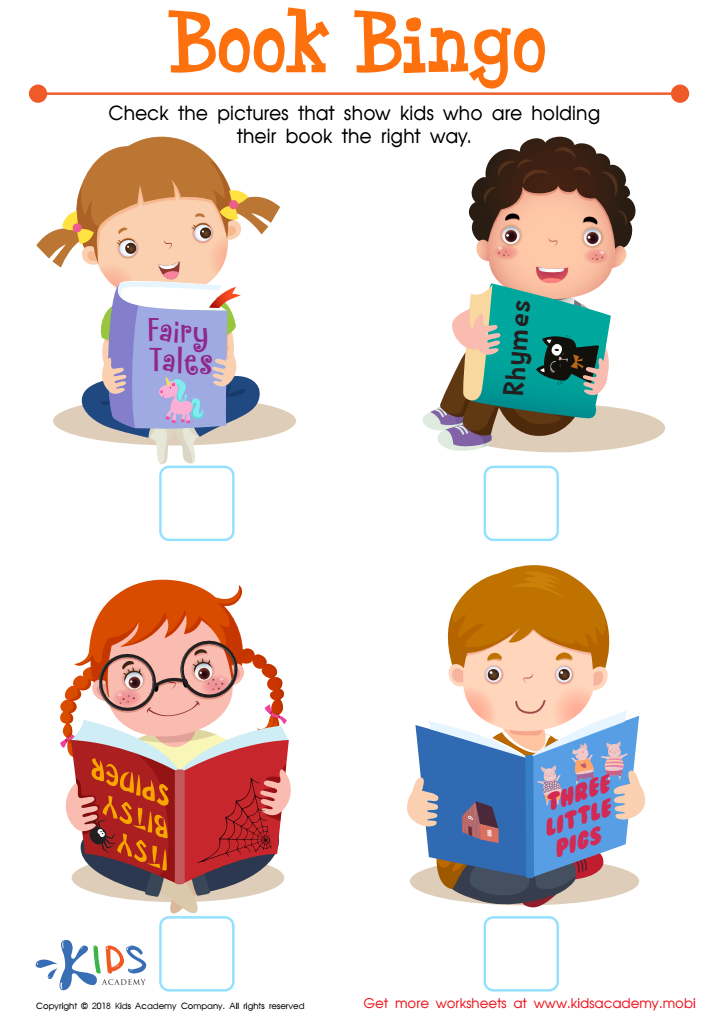
Help your kids spot which of the kids in the worksheet are reading correctly. Early instruction in reading helps ensure kids won't face problems later on, plus any impairments can be identified and corrected quickly. Can your child read? Have them check the pictures of kids holding books the right way.
Book Bingo Worksheet
Worksheet
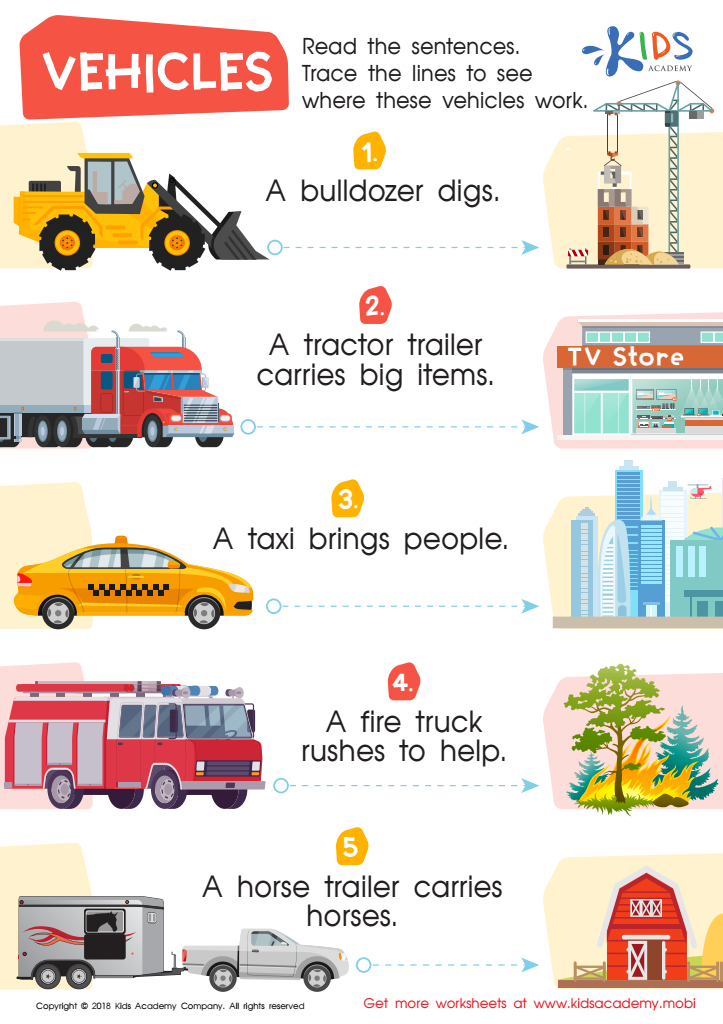
Vehicles Worksheet
Vehicles Worksheet

Vehicles Worksheet

This worksheet helps kids visualize vehicles in different environments. They can trace each vehicle and read basic sentences about it to learn how it moves in each environment. It's a great way to boost their reference skills.
Vehicles Worksheet
Worksheet
Fact or make believe worksheet pdf

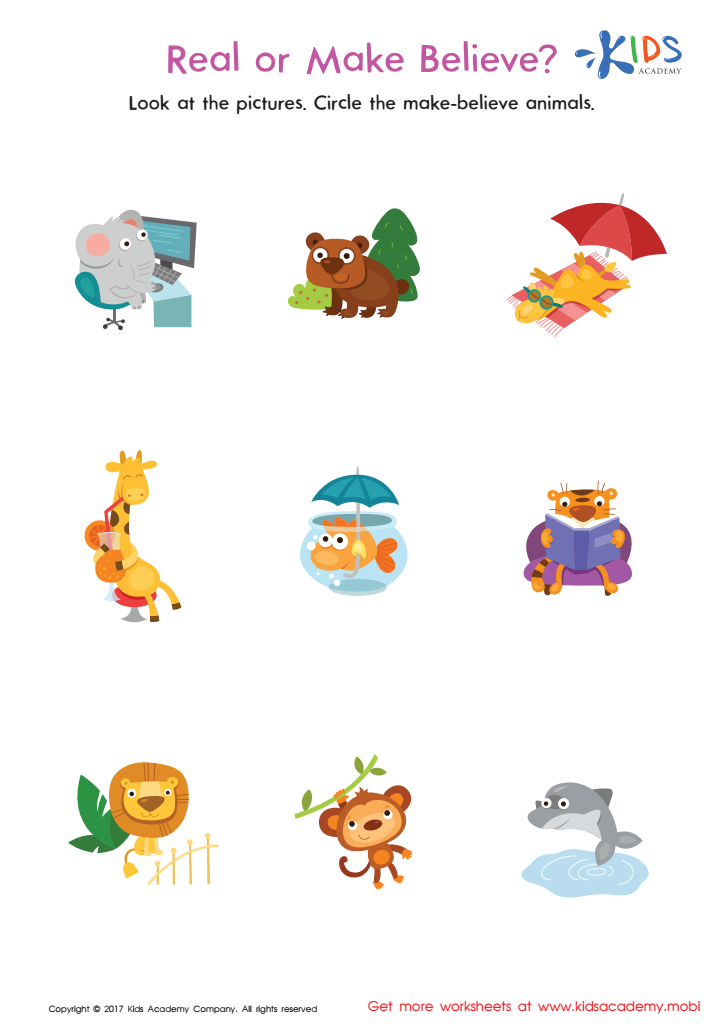
Fact or Make Believe Worksheet

This fun and funny worksheet challenges your child to decide if each animal can do the activity listed. Can a camel go sunbathing? Separating fact from fiction can be entertaining! Motivate your child while they complete this PDF worksheet.
Fact or Make Believe Worksheet
Worksheet
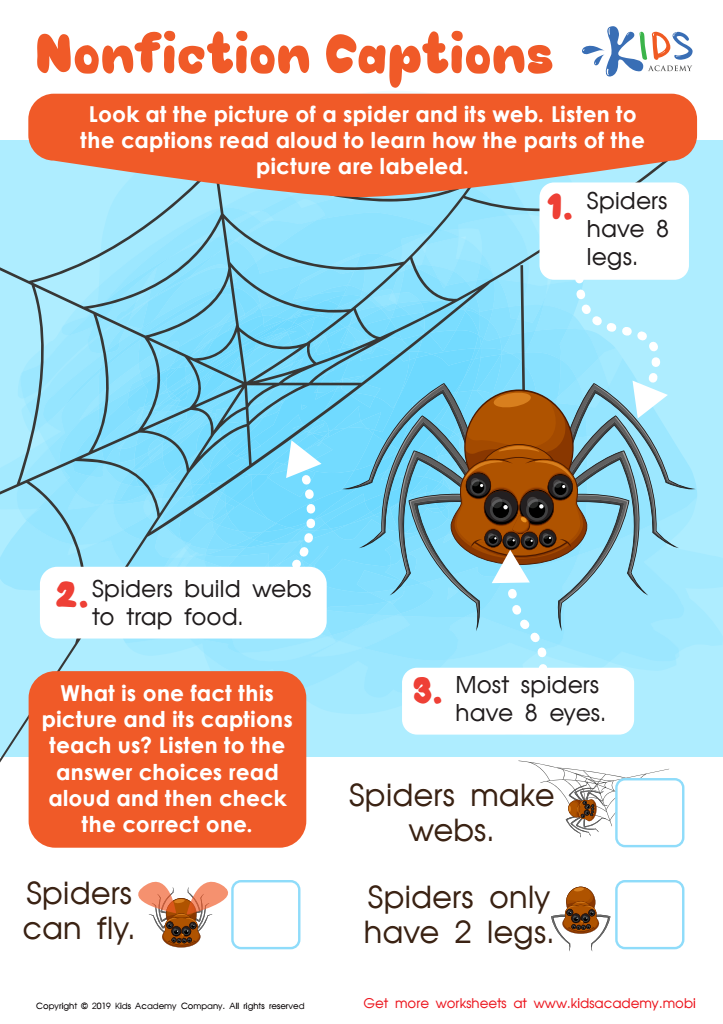
Nonfiction Captions Worksheet

Nonfiction Captions Worksheet

Help your students learn to read better with books that have captions. Read the captions and labels aloud to help children understand the picture. Ask them to answer questions at the bottom of the page. Captions are an effective tool for teaching literacy skills.
Nonfiction Captions Worksheet
Worksheet
Nonfiction Features Worksheet


Nonfiction Features Worksheet

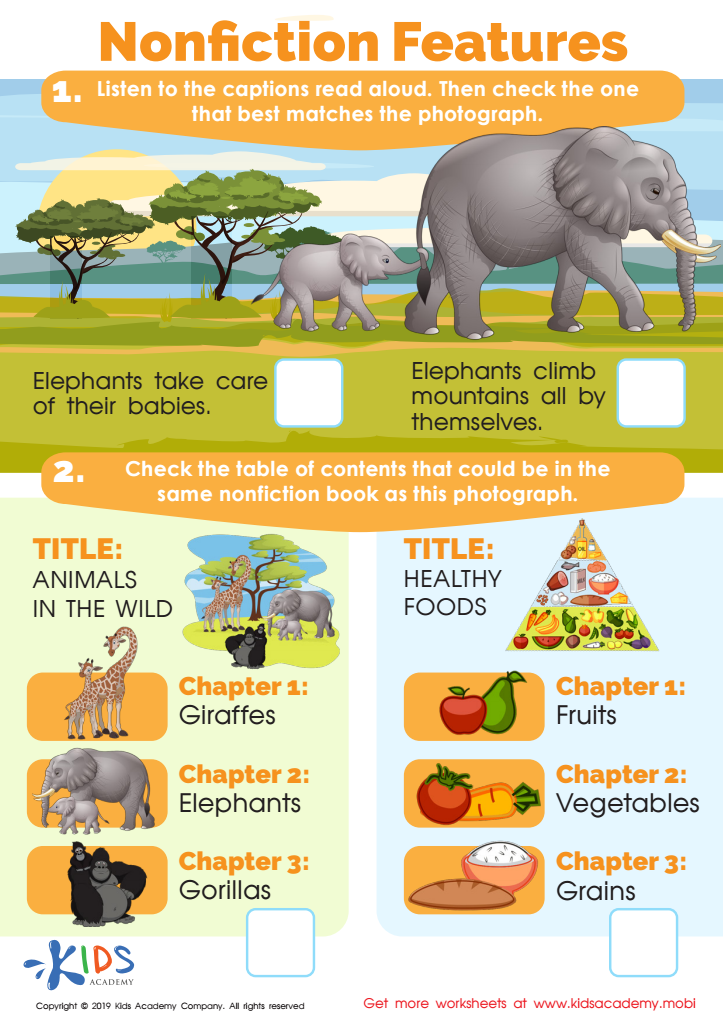
Fiction writing is made up of characters and events created by the author. Ask your students to match the captions to the picture. Help your preschoolers explore the contents of a non-fiction book that may have the same photo.
Nonfiction Features Worksheet
Worksheet


Extra Challenge Reading Non-Fiction for Ages 3-8 is vital for early literacy development and cognitive growth. Parents and teachers should prioritize this reading material for several reasons. Non-fiction texts expose young learners to a wide array of real-world topics, helping them understand the world around them. This genre fosters curiosity and critical thinking, as children learn to ask questions and seek answers about the subject matter.

By engaging with non-fiction, children develop essential reading comprehension skills. They learn to identify main ideas, understand the purpose of the text, and analyze information, which are foundational skills for future academic success. Additionally, non-fiction reading helps build vocabulary—exposing children to specialized language related to various topics, which enhances their language skills and expressiveness.

Moreover, reading diverse content can also promote values such as empathy and respect for different cultures, animals, and environments, encouraging a broader view of the world. For parents and teachers, providing access to Extra Challenge Reading Non-Fiction can ignite a lifelong love of reading and discovery. This early exposure prepares children for future challenges, both academically and in understanding the complexities of life. It's a crucial investment in their development as informed, knowledgeable individuals.