Fine Motor Skills Extra Challenge Science Worksheets for Ages 3-8
3 filtered results
-
From - To
Boost your child's fine motor skills with our Fine Motor Skills Extra Challenge Science Worksheets, designed for kids aged 3-8. These engaging, hands-on worksheets cater to young learners, featuring fun and challenging activities that promote precise hand movements and coordination. From cutting shapes to tracing intricate patterns, each worksheet enhances fine motor proficiency while igniting curiosity in fascinating science topics. Perfect for early learners, these printable resources not only make fine motor practice enjoyable but also integrate foundational science learning, ensuring a comprehensive educational experience. Equip your child for success with these expertly crafted fine motor challenges!
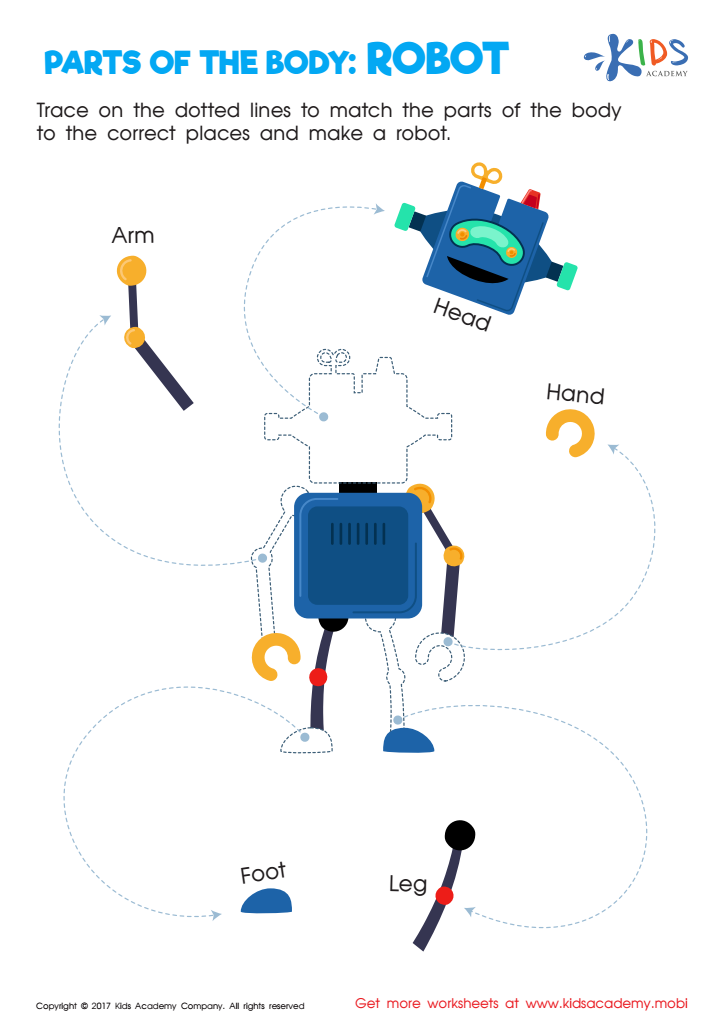
Robot Printable
 Assign to My Students
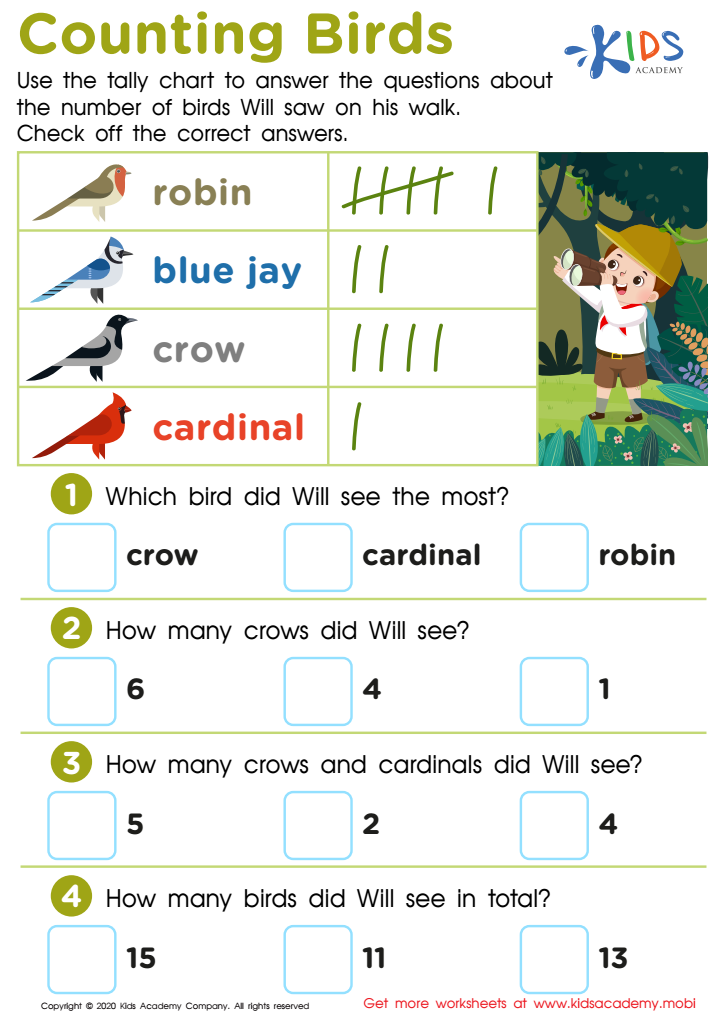
Counting Birds Worksheet
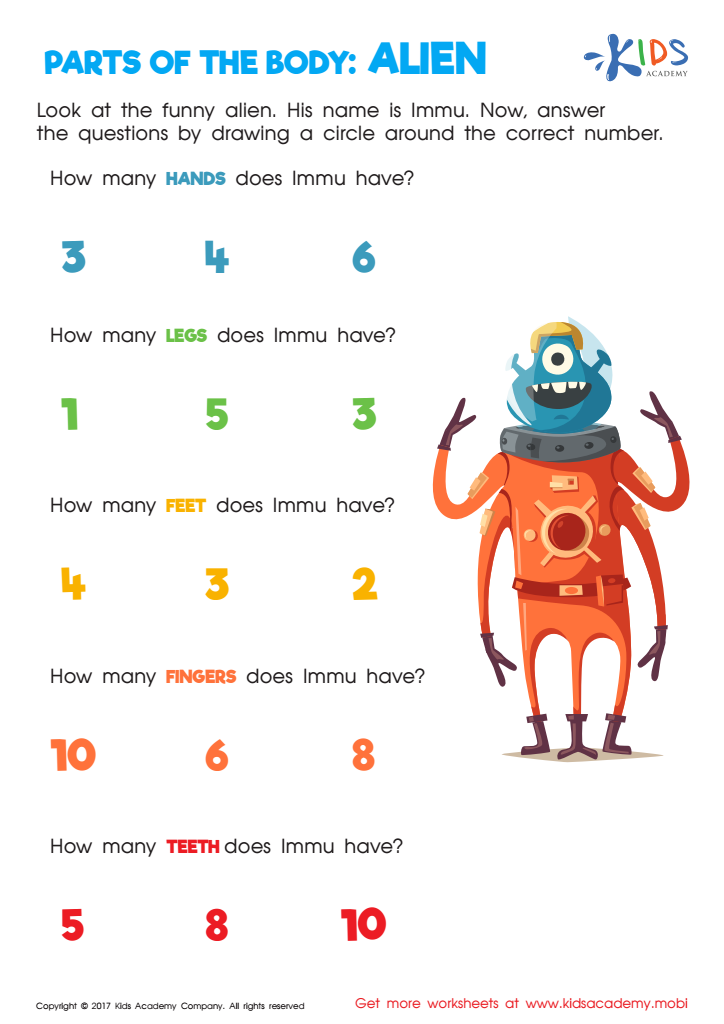
Alien Worksheet



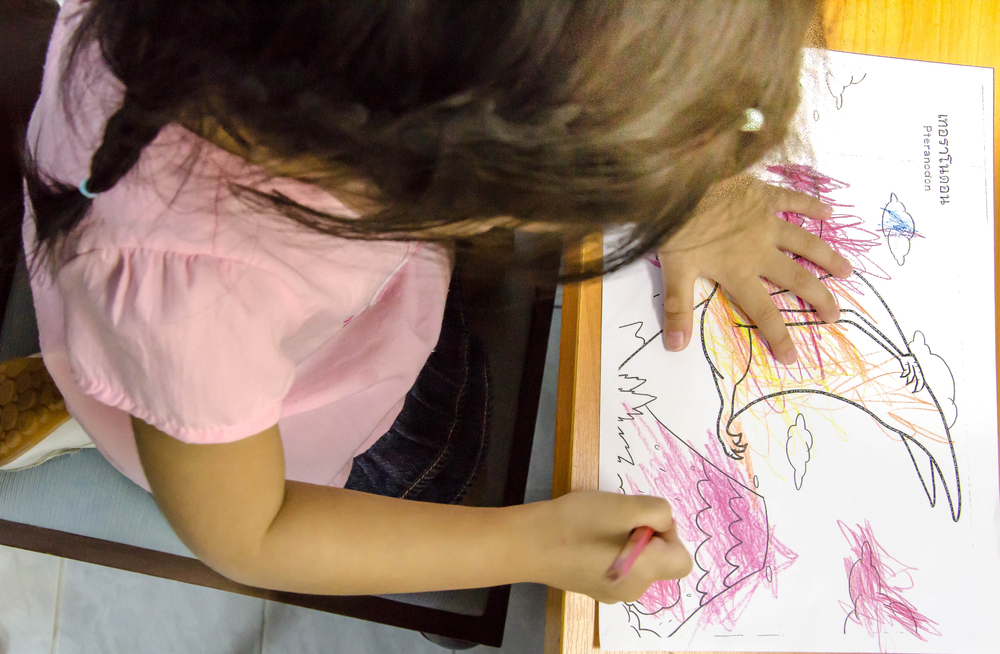
%20(1).jpg)


Fine motor skills are crucial for young children's development, particularly between the ages of 3-8, as these skills form the foundation for various daily activities and academic tasks. Ensuring children receive extra challenges in fine motor skill development can significantly enhance their cognitive, social, and physical abilities.
Firstly, fine motor skills directly impact a child's ability to perform essential tasks such as writing, cutting with scissors, and tying shoes. Improved coordination and dexterity enable children to engage more effectively in classroom exercises and self-care activities, fostering greater independence and confidence.
Secondly, challenging fine motor activities stimulate brain development through the promotion of hand-eye coordination, spatial awareness, and problem-solving skills. For example, science-based projects that involve sorting objects, using tweezers, or building simple structures can enhance a child's analytical thinking and creativity.
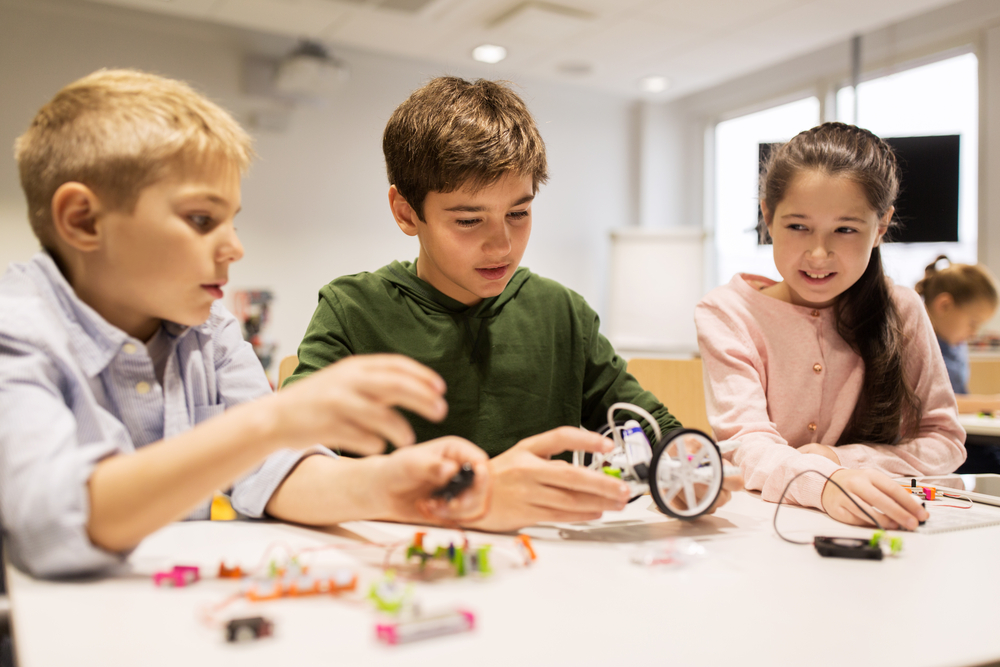
Moreover, fine motor skill challenges encourage social interaction and teamwork when integrated into group activities, helping children develop essential communication and cooperation skills. In advancing these skills, children are better prepared to transition to more complex tasks in later grades.
Parents and teachers should prioritize fine motor skill challenges to ensure balanced development, leading to successful academic outcomes and life skills. Interactive, science-themed activities, rich in engagement, can bridge the gap between play and education, making learning an enjoyable and multifaceted experience.