Logical thinking development Extra Challenge Worksheets for Ages 3-9
6 filtered results
-
From - To
Boost your child's cognitive skills with our "Logical Thinking Development Extra Challenge Worksheets" tailored for ages 3-9. Our expertly designed worksheets focus on enhancing logic, problem-solving, and critical thinking abilities. Each activity encourages young minds to think analytically and solve puzzles creatively, making learning enjoyable and engaging. Perfect for young learners ready for an extra challenge, these worksheets support early education in a fun way. Equip your kids with essential life skills through our diverse, age-appropriate exercises that nurture intellectual growth and foster a lifelong love of learning. Explore now and watch their logic skills soar!
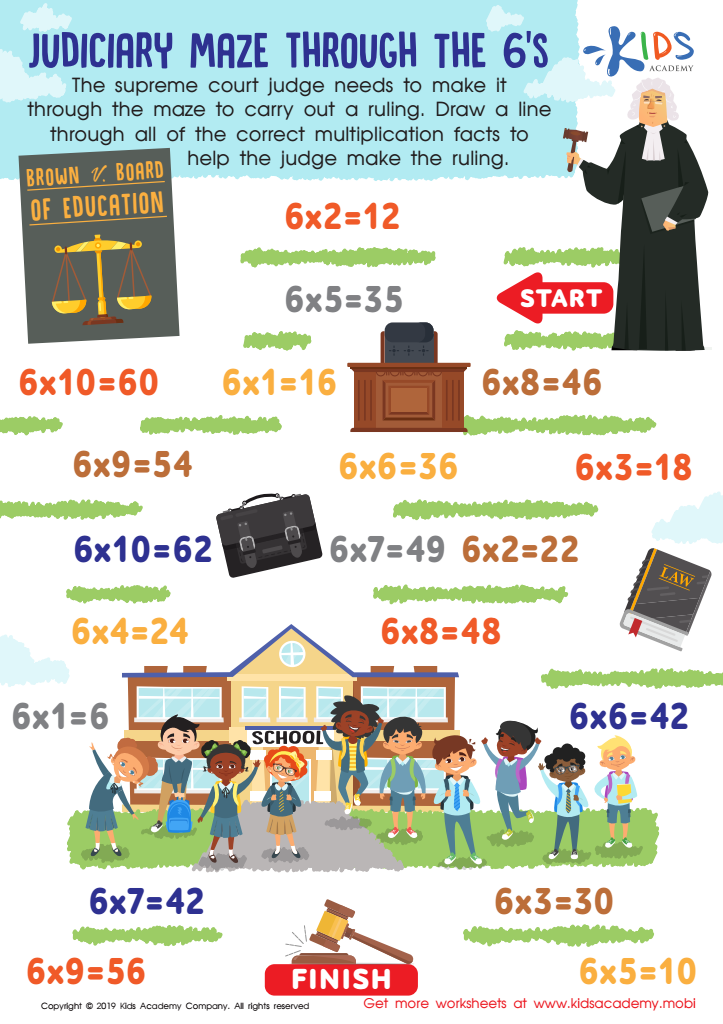
Judiciary Maze Through The 6’s Worksheet
 Assign to My Students
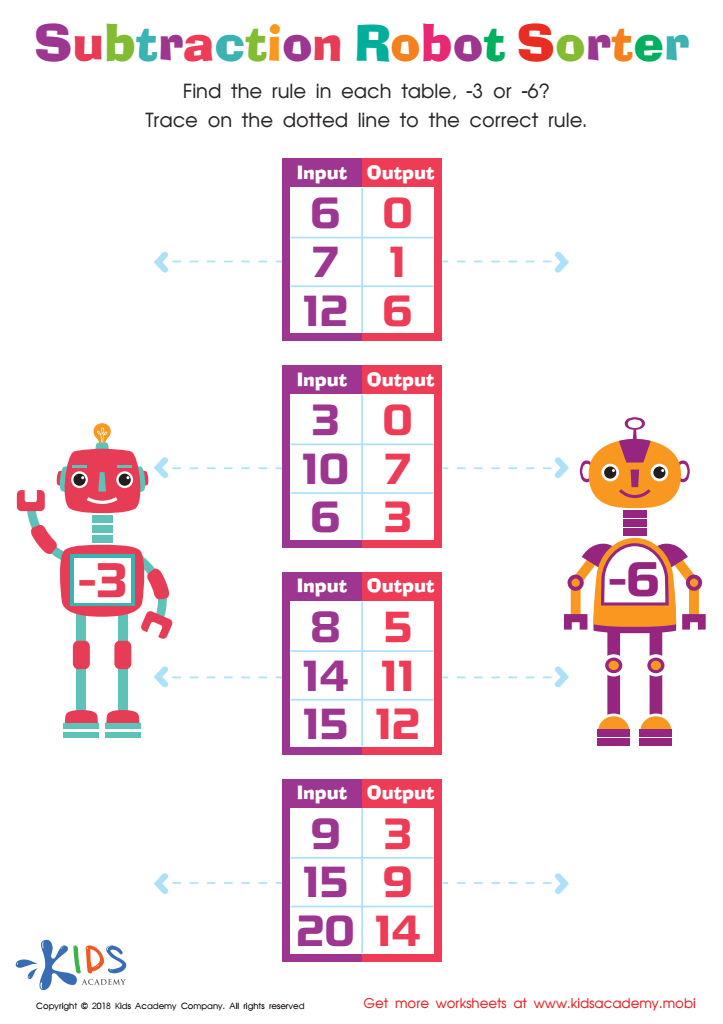
Subtraction Robot Sorter Worksheet
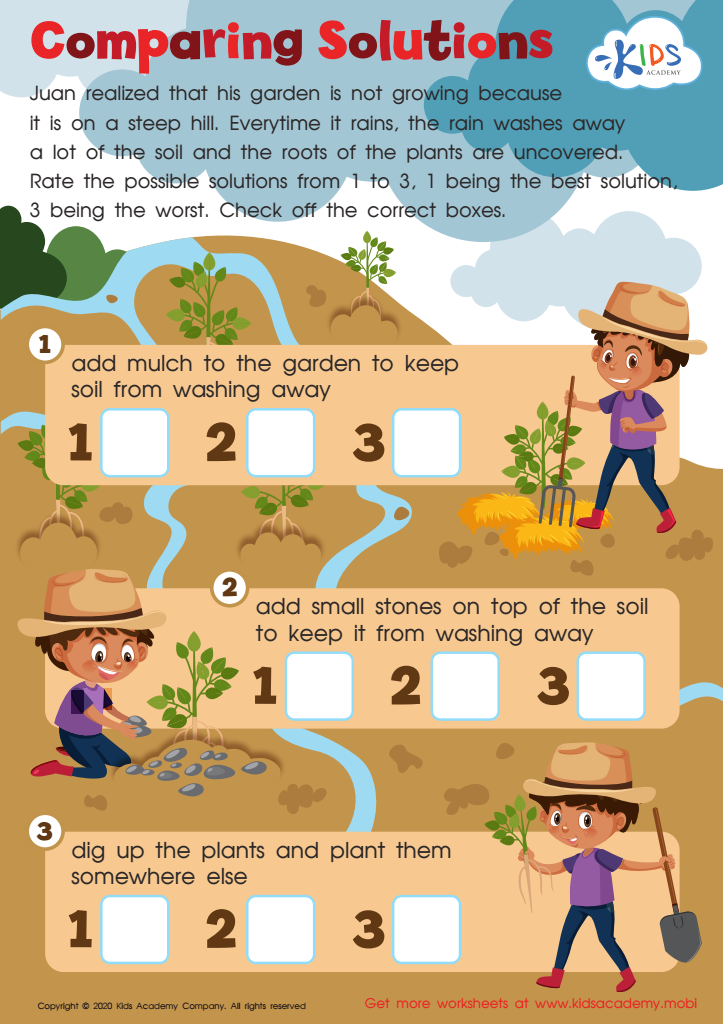
Comparing Solutions Worksheet
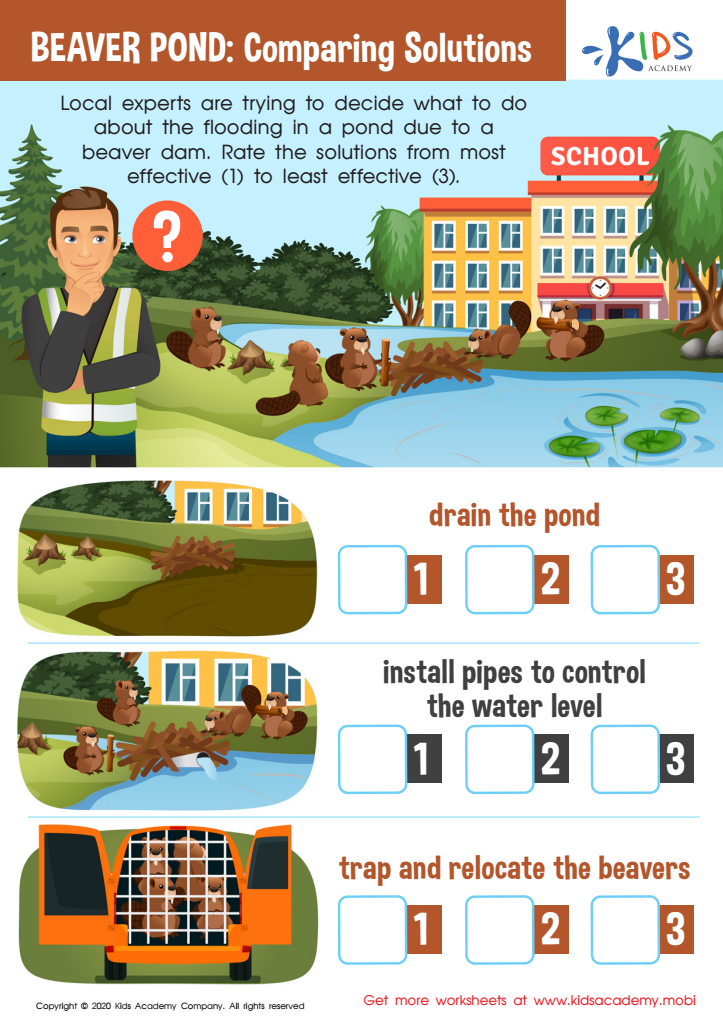
Beaver Pond: Comparing Solutions Worksheet
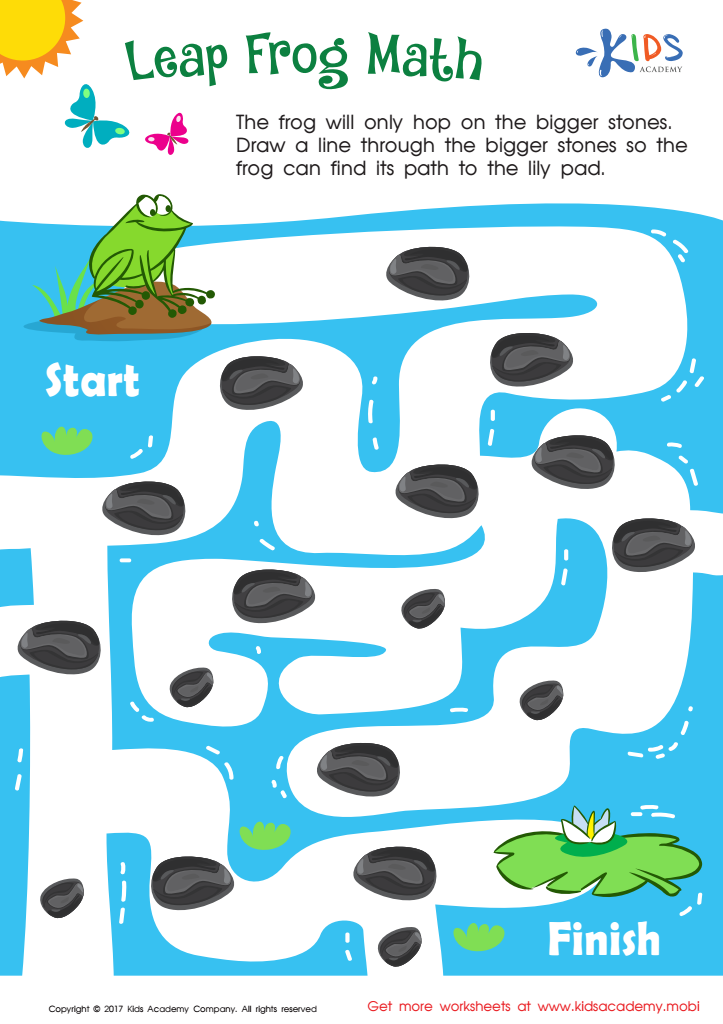
Math Puzzle Worksheet
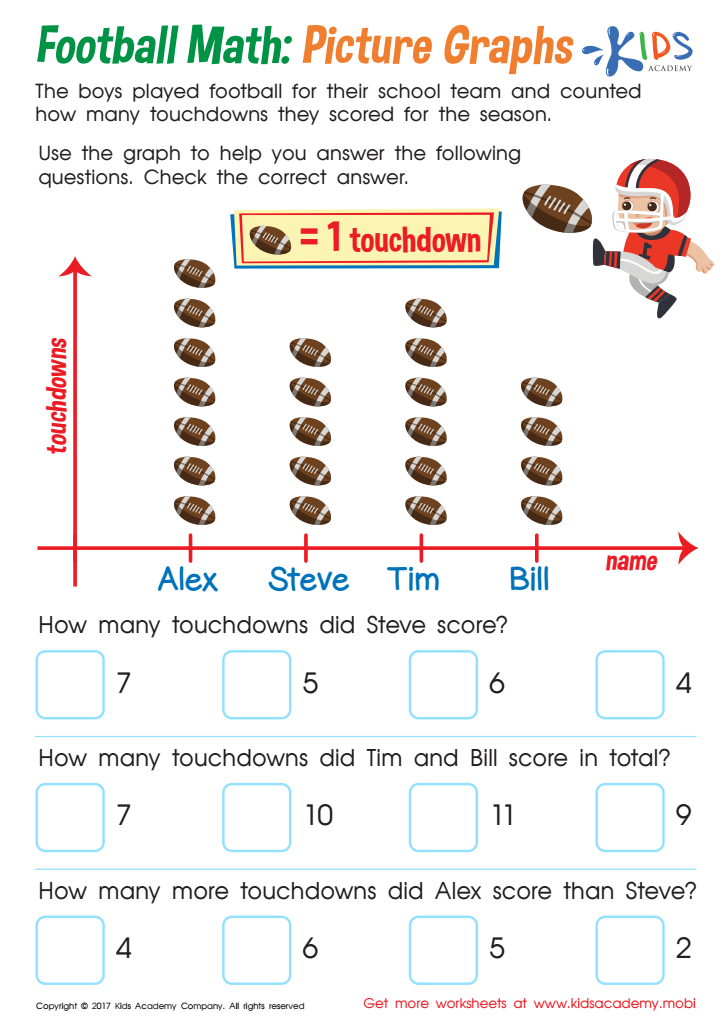
Football Math Worksheet








Logical thinking is a foundational skill that plays a crucial role in children's cognitive development. Introducing logical thinking challenges for ages 3-9 helps nurture this important capability during a key developmental phase. Here's why parents and teachers should care about it:
First, logical thinking encourages problem-solving skills. When children tackle puzzles, sequencing tasks, or sorting activities, they learn to approach problems methodically, boost their critical thinking, and develop resilience when faced with difficulties.
Second, these activities enhance children's mathematical abilities and reasoning skills. Logical challenges often involve recognizing patterns, making connections, and understanding cause-and-effect relationships – all critical for grasping mathematical concepts and scientific thinking.
Third, logical thinking is tied to cognitive flexibility and creativity. Engaging in these exercises helps children think beyond conventional solutions and approach tasks from different angles, fostering innovative thinking.
Fourth, logical challenges aid language development. Explaining their thinking process encourages children to use precise language, thus boosting their comprehension and communication skills.
Lastly, early development of logical thinking sets the foundation for lifelong learning. A strong ability in this area translates to better academic performance and informed decision-making in real-world situations. By engaging children in logical thinking activities from a young age, parents and teachers can give them a strong start towards a bright and capable future.








