Mathematical reasoning Extra Challenge Worksheets for Ages 3-9
12 filtered results
-
From - To
Boost your child’s problem-solving skills with our "Mathematical Reasoning Extra Challenge Worksheets" for ages 3-9! Designed by education experts, these engaging worksheets help young learners develop critical thinking and advanced reasoning. With a range of fun and challenging activities tailored for different skill levels, kids can enjoy learning essential mathematical concepts outside the standard classroom environment. Perfect for at-home practice or supplementary education, each worksheet fosters creativity and intellectual growth. Give your child a head start in math with our expertly crafted materials! Explore now and see them thrive in a world of numbers and logic.
Visit us for more details at Kids Academy!
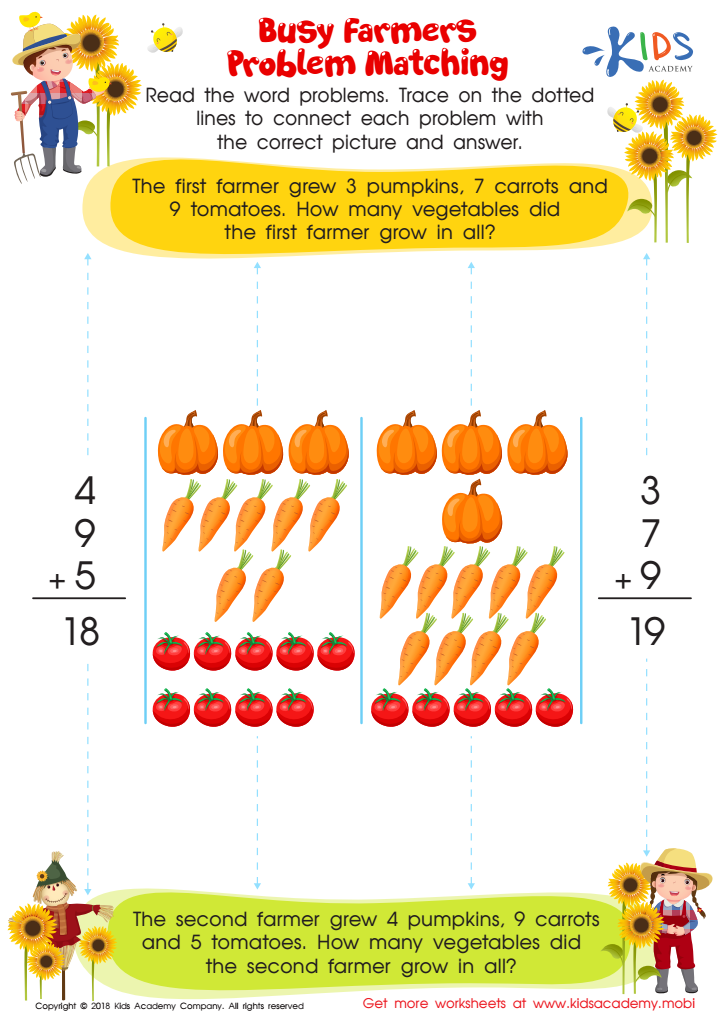
Busy Farmers: Problem Matching Worksheet
 Assign to My Students
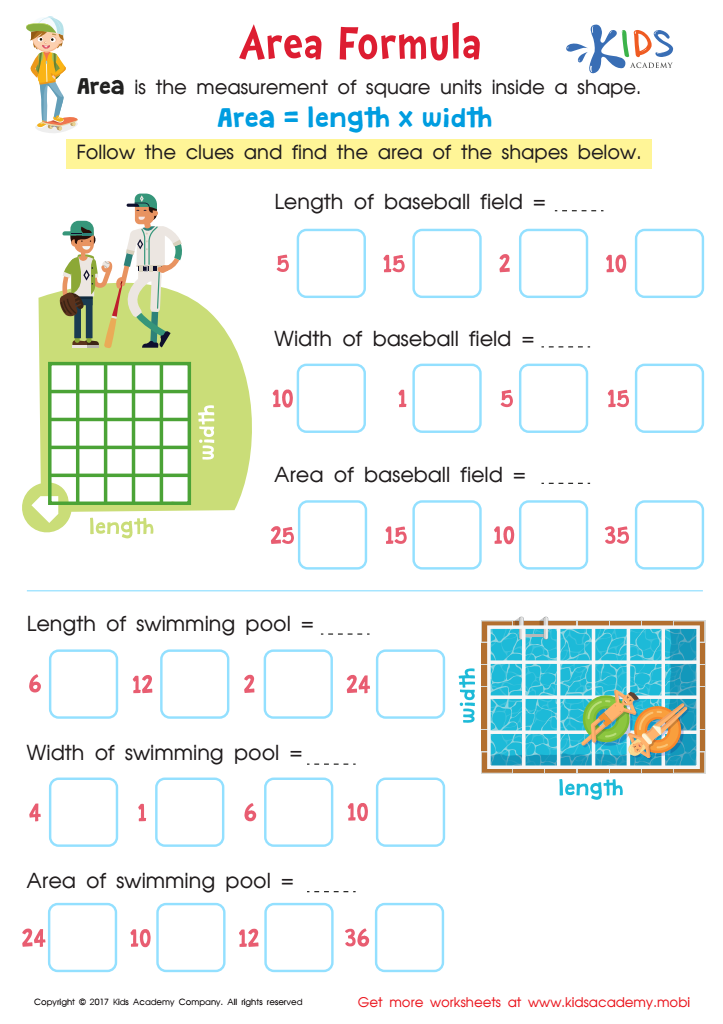
Area Formula Worksheet
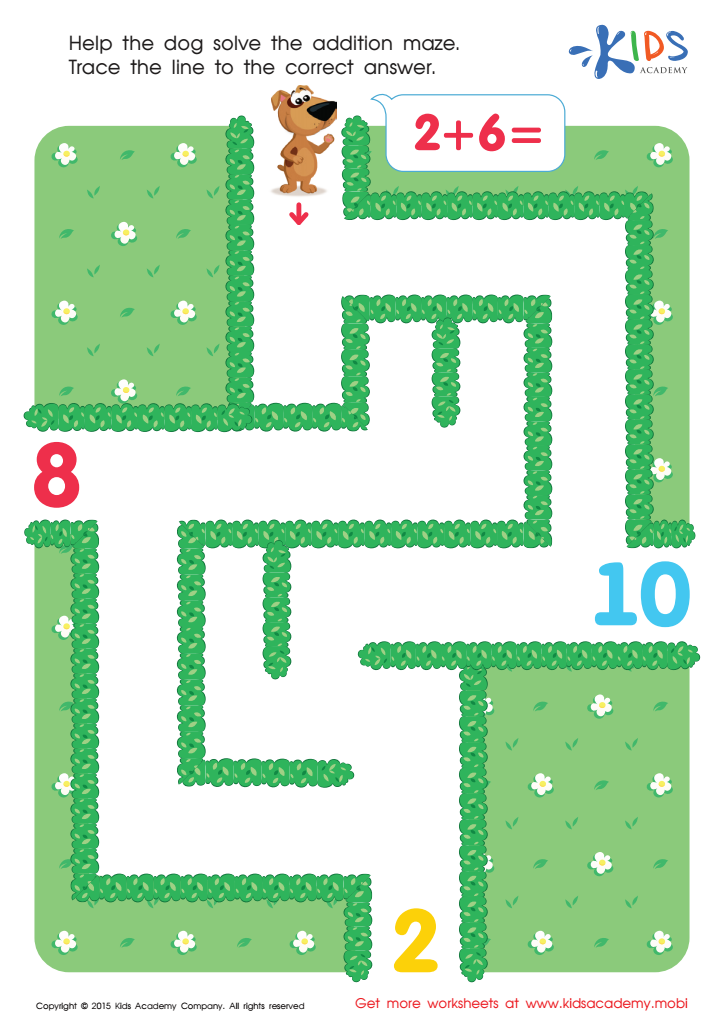
Two Plus Six Addition Worksheet
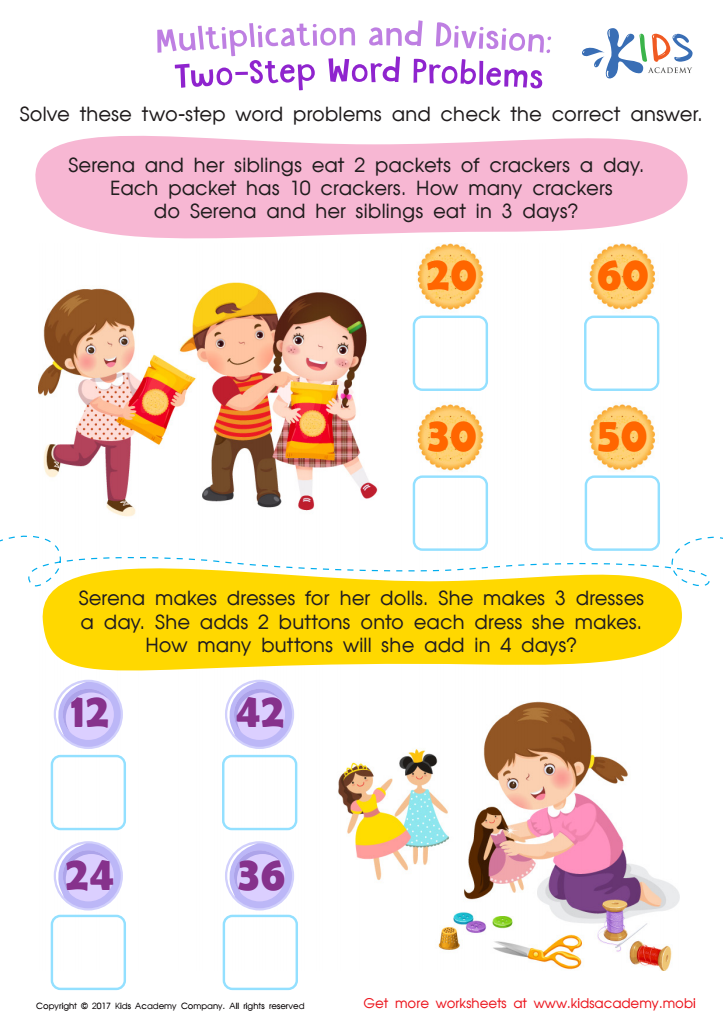
Two Step Word Problems Worksheet
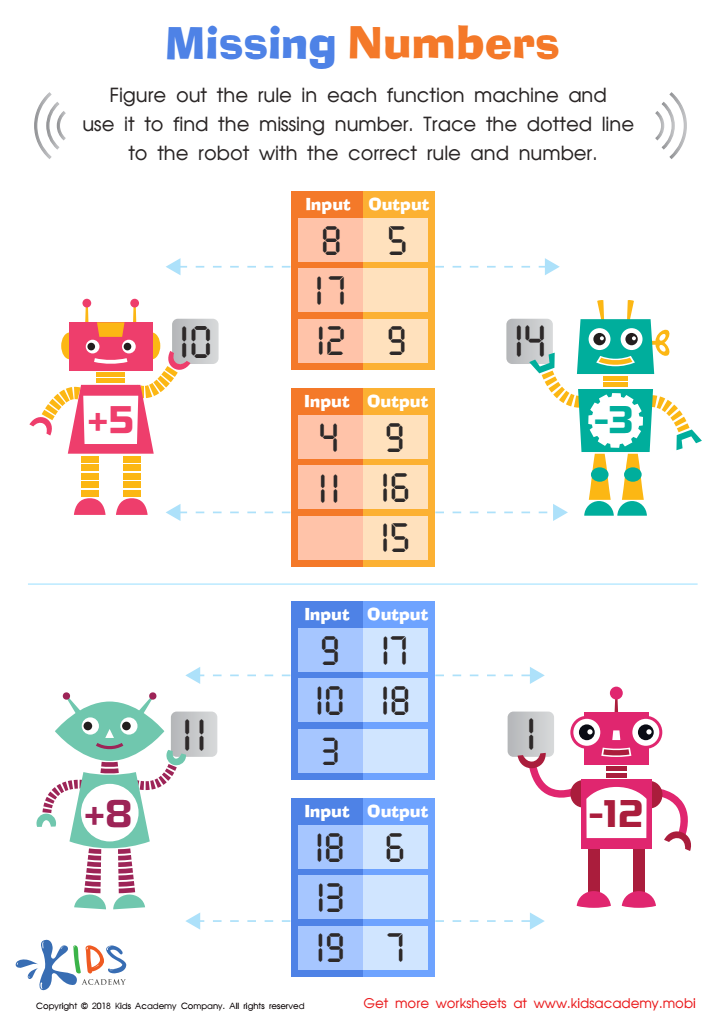
Missing Numbers Worksheet
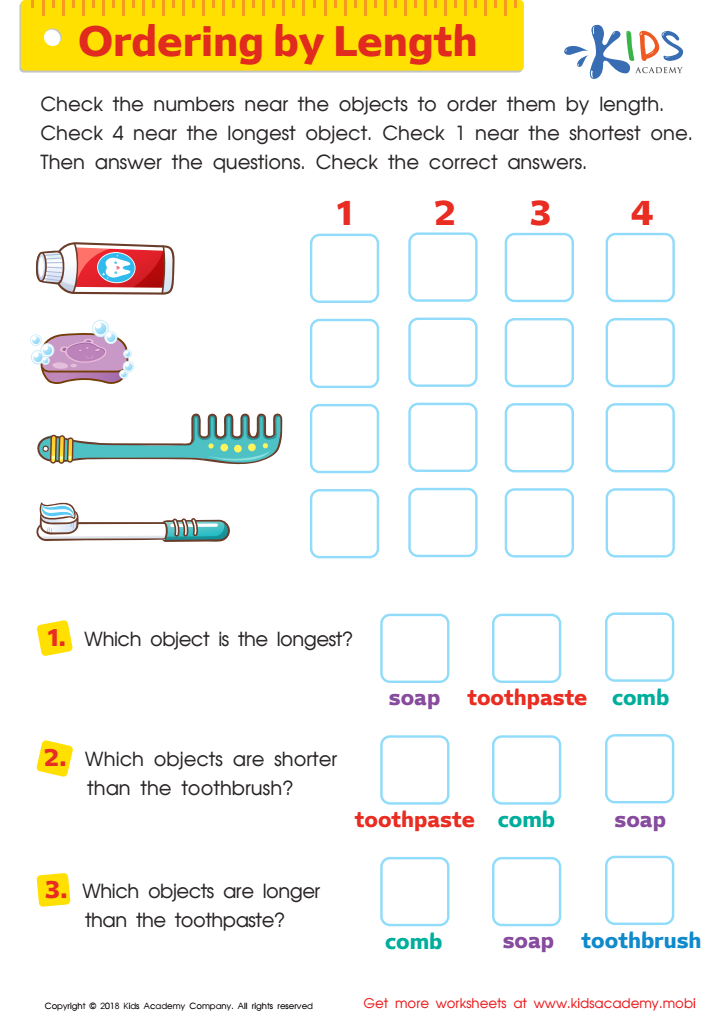
Ordering by Length Worksheet
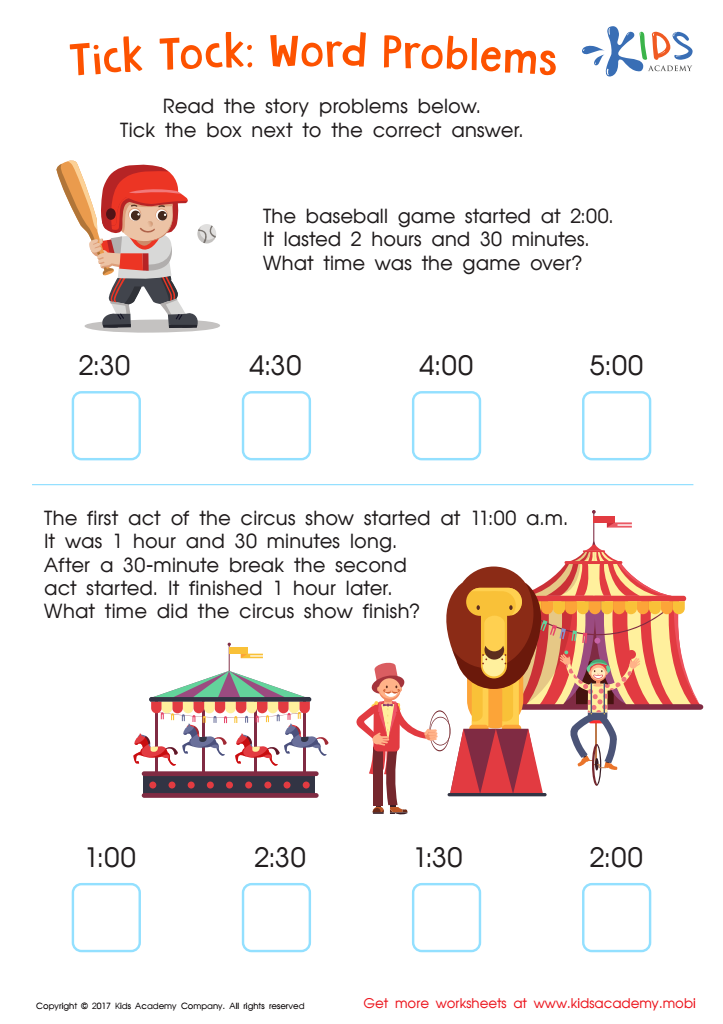
Tick Tock Word Problems Time Worksheet
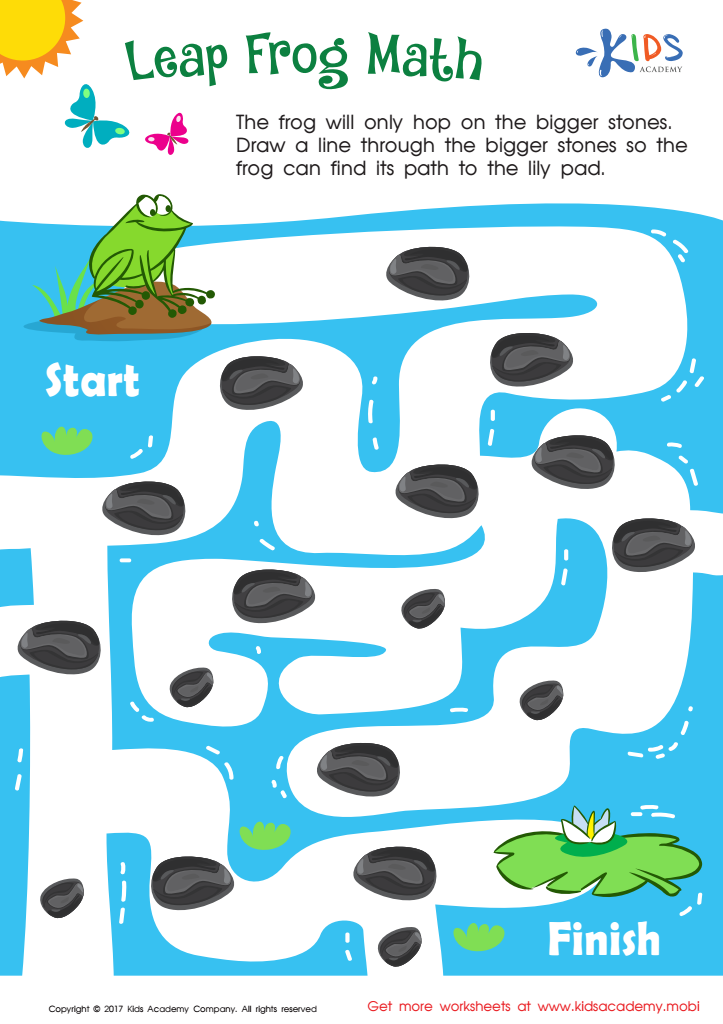
Math Puzzle Worksheet
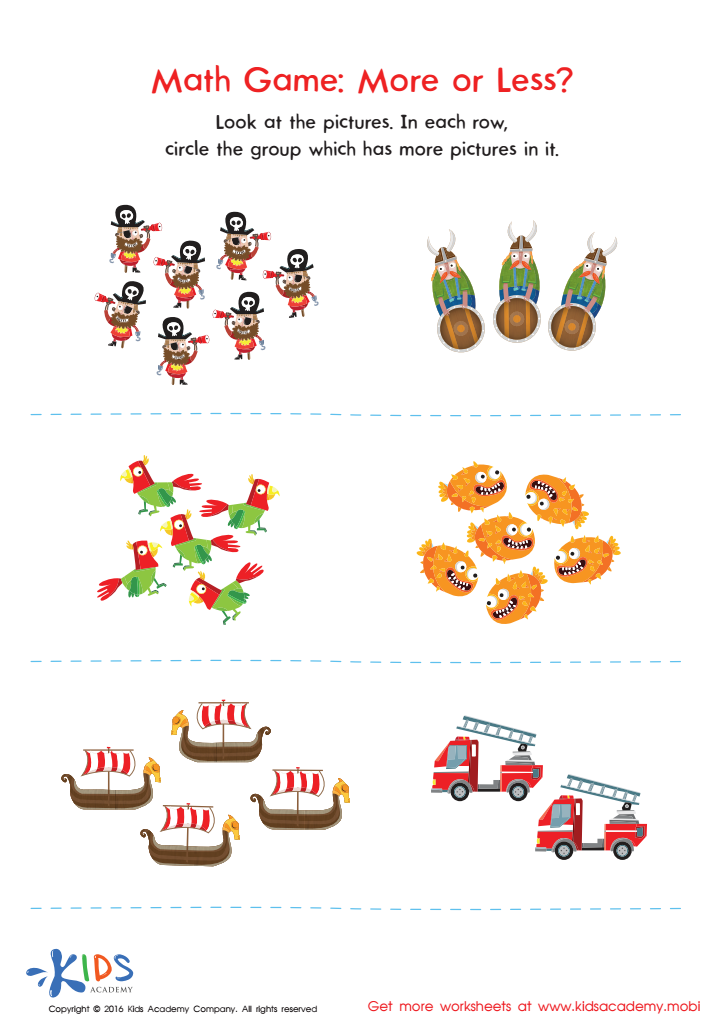
More or Less Worksheet
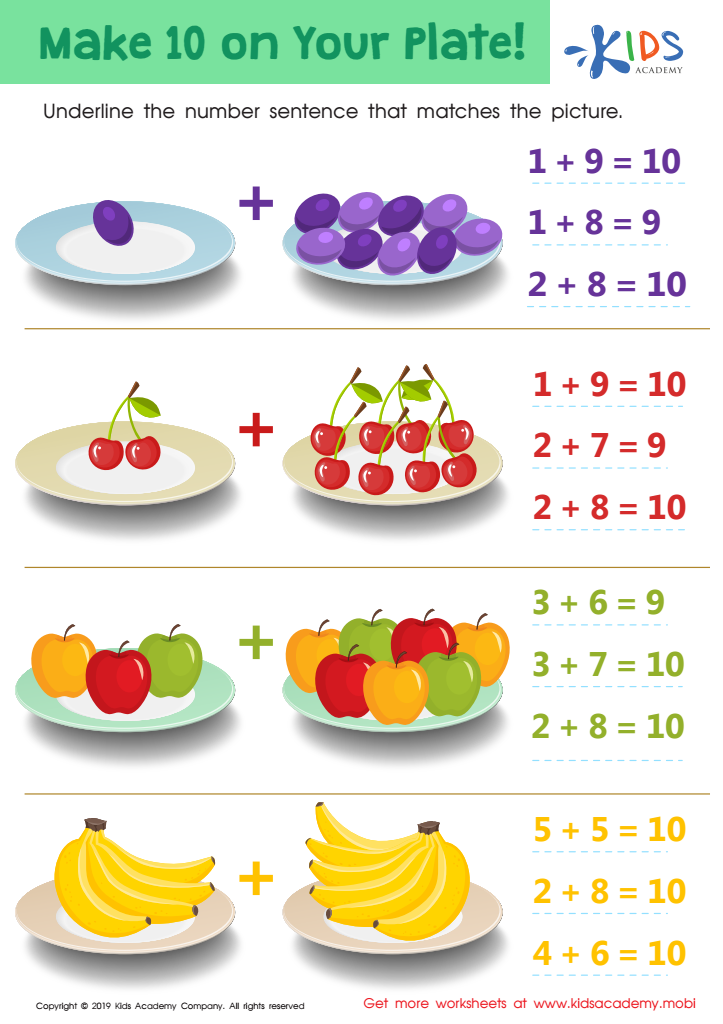
Make 10 on Your Plate! Worksheet
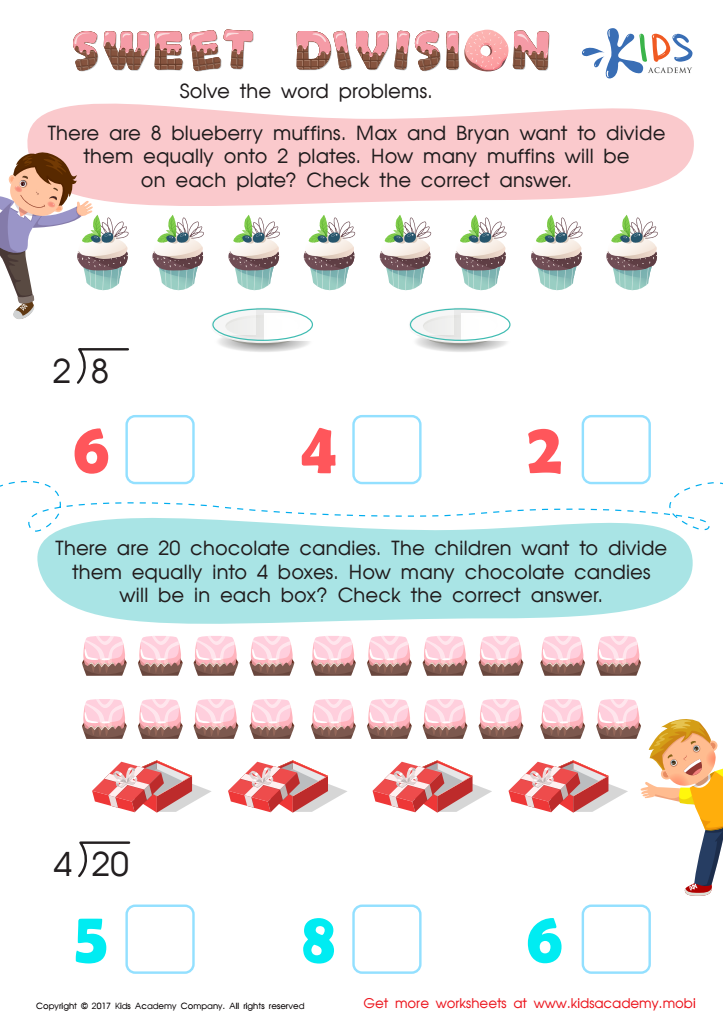
Division Word Problems Worksheet
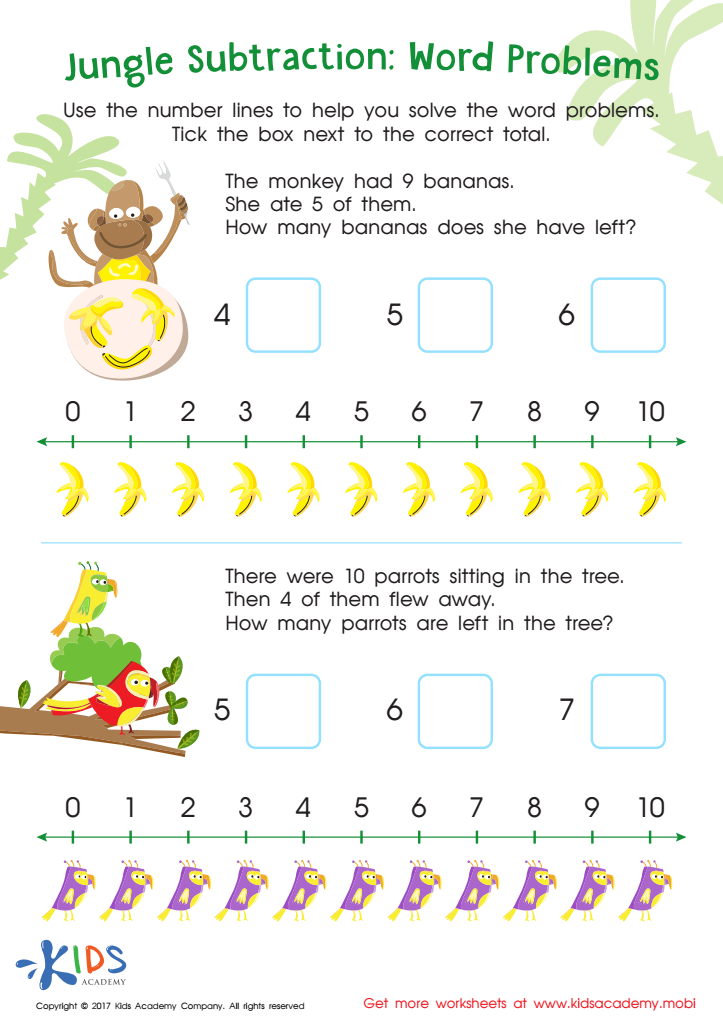
Jungle Subtraction Word Problems Substraction Worksheet


.jpg)



.jpg)

Mathematical reasoning is a critical skill that nurtures a child's cognitive development and problem-solving abilities from an early age. Parents and teachers should place significant emphasis on encouraging mathematical reasoning through extra challenges for children aged 3-9 because these formative years are crucial for laying a strong educational foundation.
Engaging in mathematical reasoning helps young children develop logical thinking and enhances their ability to analyze and approach problems methodically. It fosters critical thinking skills, allowing them to understand not just the "how" but the "why" behind mathematical concepts. These skills are essential across various subjects and real-world situations, promoting a child's overall intellectual growth.
Early mathematical challenges can also boost a child’s confidence in their abilities, leading to a positive attitude towards learning and education. This enthusiasm can contribute to better performance in school and a lifelong love for learning. Moreover, mathematical reasoning activities often involve patterns, sequencing, and spatial awareness, which are fundamental in building early literacy and pre-reading skills.
Furthermore, sharing these challenges can build meaningful interactions between children and adults, whether through playful activities, puzzles, or games. This interaction not only supports a child's learning but also strengthens their socio-emotional bonds with parents and teachers, creating a supportive and motivating learning environment. In summary, fostering mathematical reasoning at a young age equips children with valuable skills that are essential for their academic and personal development.








