Number Sequencing Extra Challenge Numbers Worksheets for Ages 3-9
6 filtered results
-
From - To
Unlock your child's mathematical potential with our "Number Sequencing Extra Challenge Worksheets" designed for ages 3-9! These engaging, printable worksheets offer an exciting way for young learners to enhance their number sequencing skills. Perfectly tailored for various developmental stages, they encourage children to recognize, order, and compare numbers through captivating activities. Each worksheet builds foundational math skills while promoting critical thinking and problem-solving. Ideal for home or classroom use, our resource promotes independent learning and boosts confidence. Inspire curiosity and foster a love for numbers with our thoughtfully designed worksheets that make learning fun and interactive! Start your journey today!
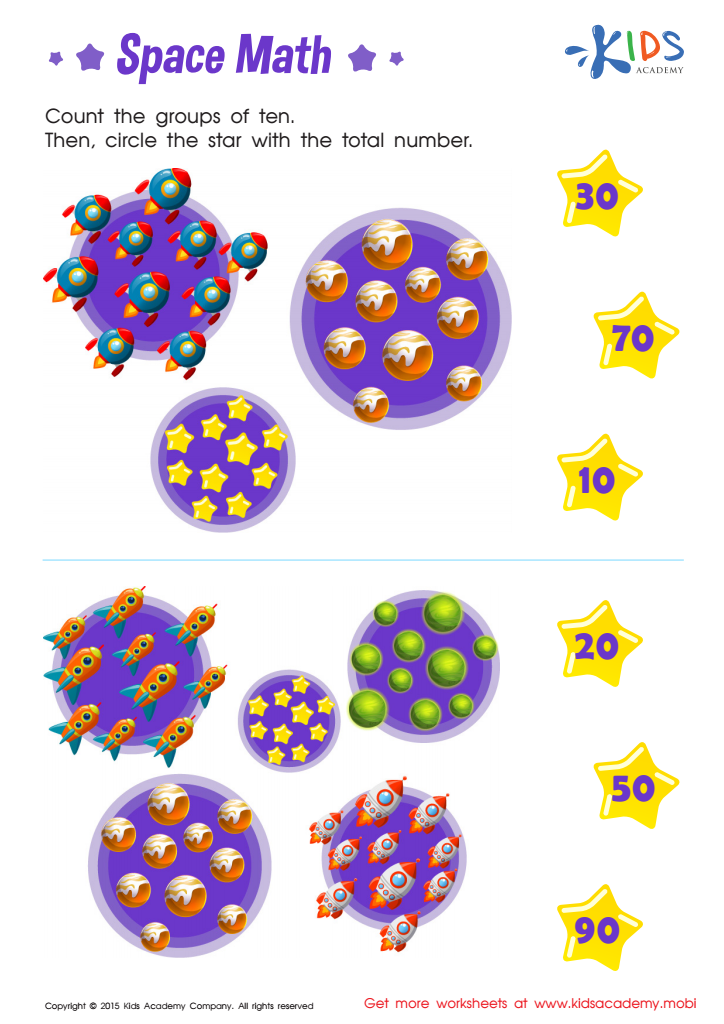
Learn dozens: Space math Worksheet
 Assign to My Students
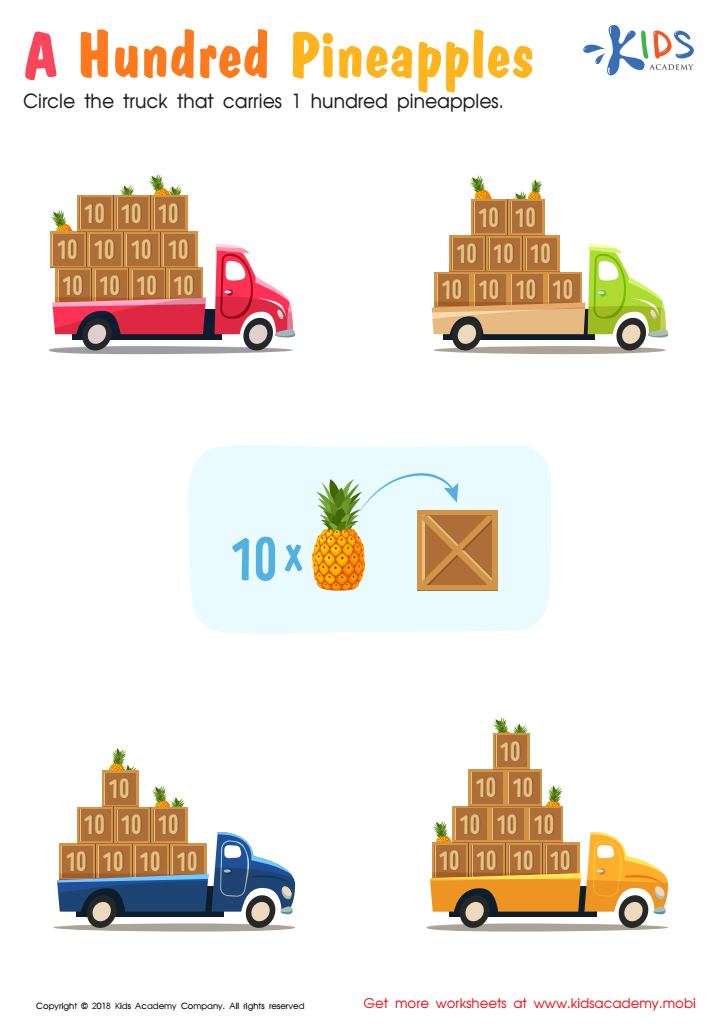
A Hundred Pineapples Worksheet

Pirate Ship Connect Dots Worksheet
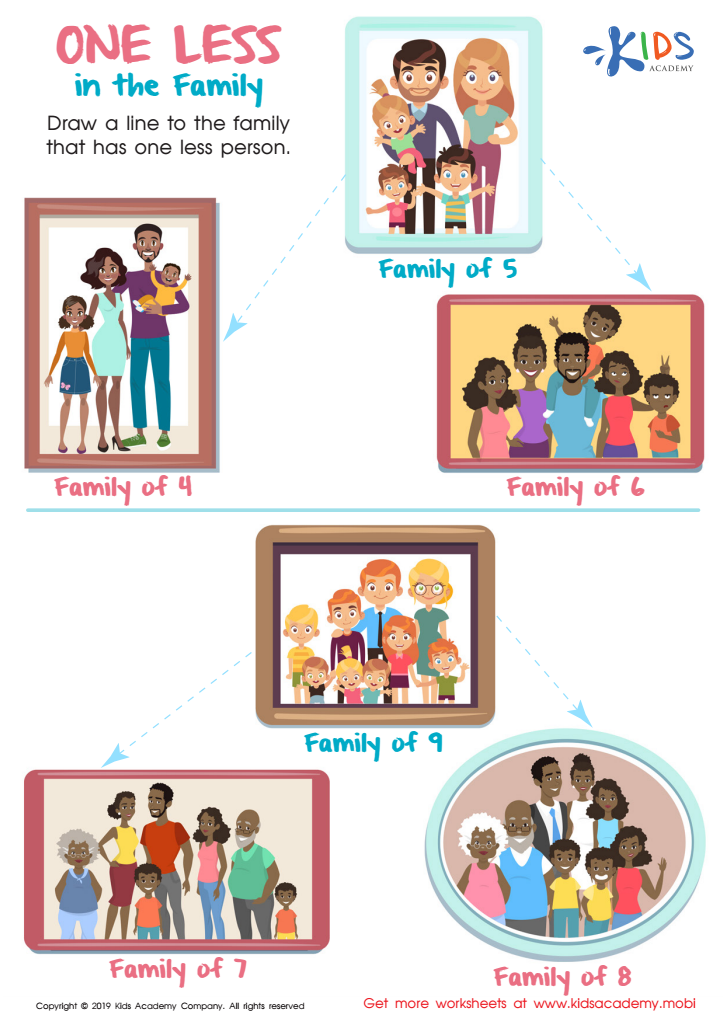
One Less in the Family Worksheet
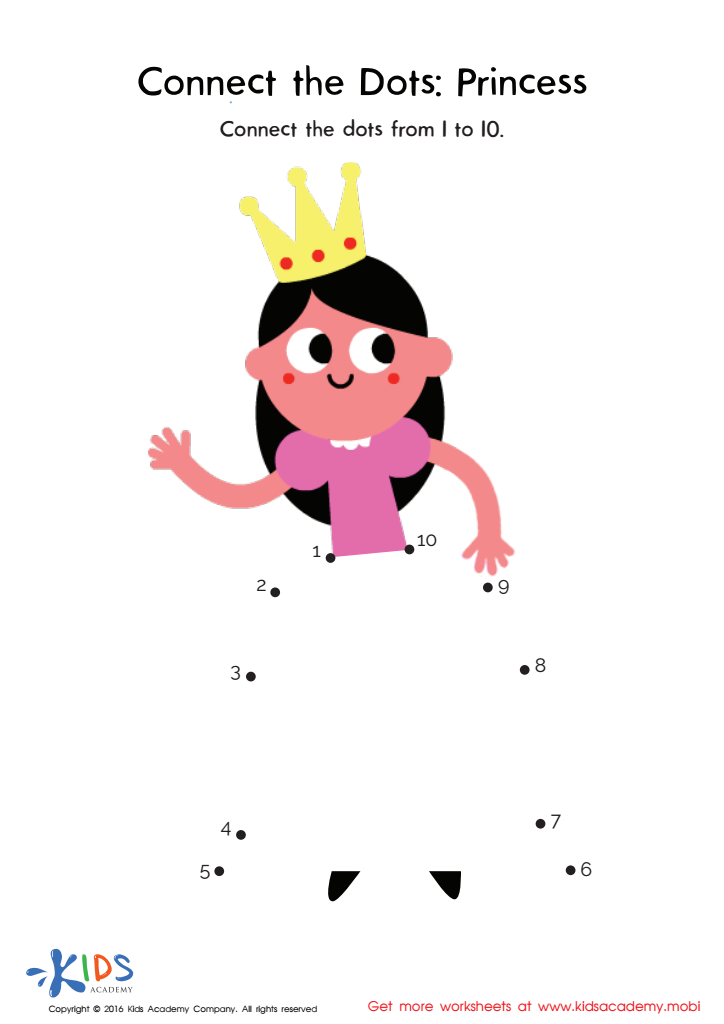
Princess Connect Dots Worksheet








Number sequencing is a fundamental skill in early mathematics education that lays the groundwork for more complex concepts, such as addition and subtraction. The Extra Challenge Numbers for ages 3-9 offer an engaging way to develop this essential skill. Parents and teachers should invest time and effort into this area for several reasons.
First, mastering number sequencing fosters a child’s understanding of numerical order, which is critical for various math operations. A strong grasp of sequences empowers children to predict patterns, thereby enhancing their problem-solving skills. Second, engaging in number sequencing activities encourages critical thinking and boosts cognitive development. As children work through challenges, they exercise their brains, promoting neural connections vital for learning.
Moreover, addressing these challenges can build confidence in young learners. Children who experience success in number sequencing are likely to feel more capable in their overall math abilities, nurturing a positive attitude towards the subject. Lastly, curricula rich in number sequencing can provide collaborative opportunities, allowing children to learn through peer interactions and group activities, fostering social skills.
In summary, incorporating Number Sequencing Extra Challenge Numbers into early learning not only supports foundational math skills but also cultivates a more rounded, confident, and engaged learner.