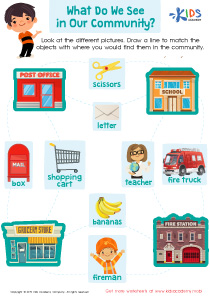
Pattern recognition Extra Challenge Math Worksheets for Ages 3-9
5 filtered results
-
From - To
Elevate your child's math skills with our "Pattern Recognition Extra Challenge Math Worksheets" designed for ages 3-9. These engaging worksheets provide a fun and interactive way for young learners to develop critical thinking and problem-solving skills through the exploration of patterns. Each worksheet features a variety of activities that challenge children to recognize, extend, and create patterns using shapes, colors, and numbers. Perfect for at-home practice or in the classroom, these resources support Early Childhood Education fundamentals while keeping learning enjoyable. Foster your child's mathematical understanding and prepare them for future success with our thoughtfully designed pattern recognition challenges!
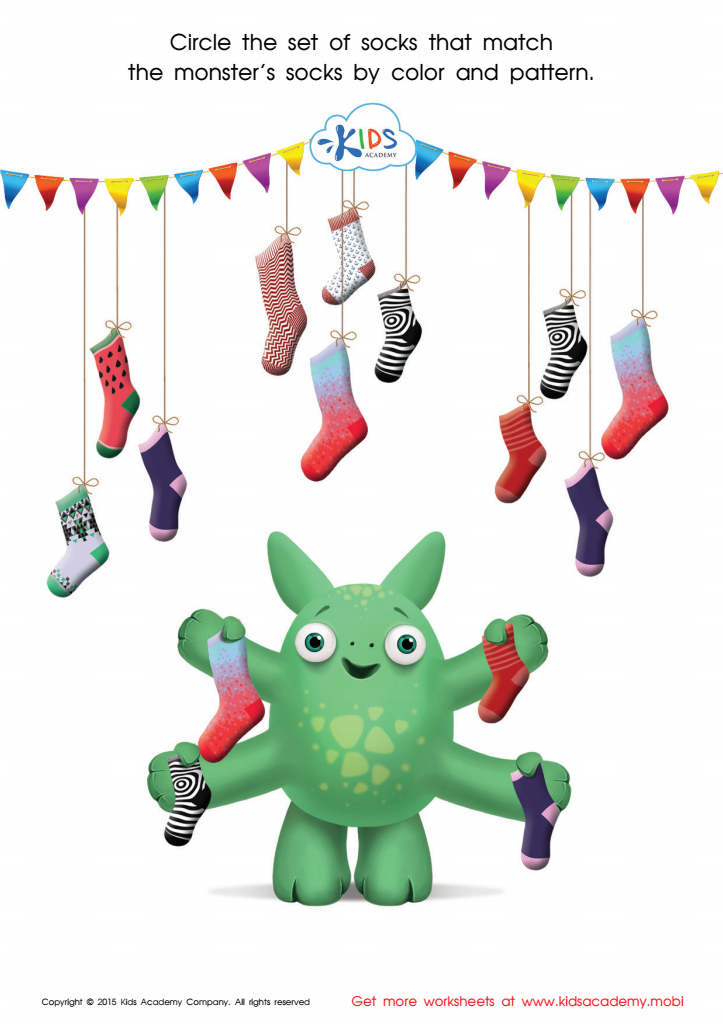
Sort the Monster's Socks Worksheet
 Assign to My Students
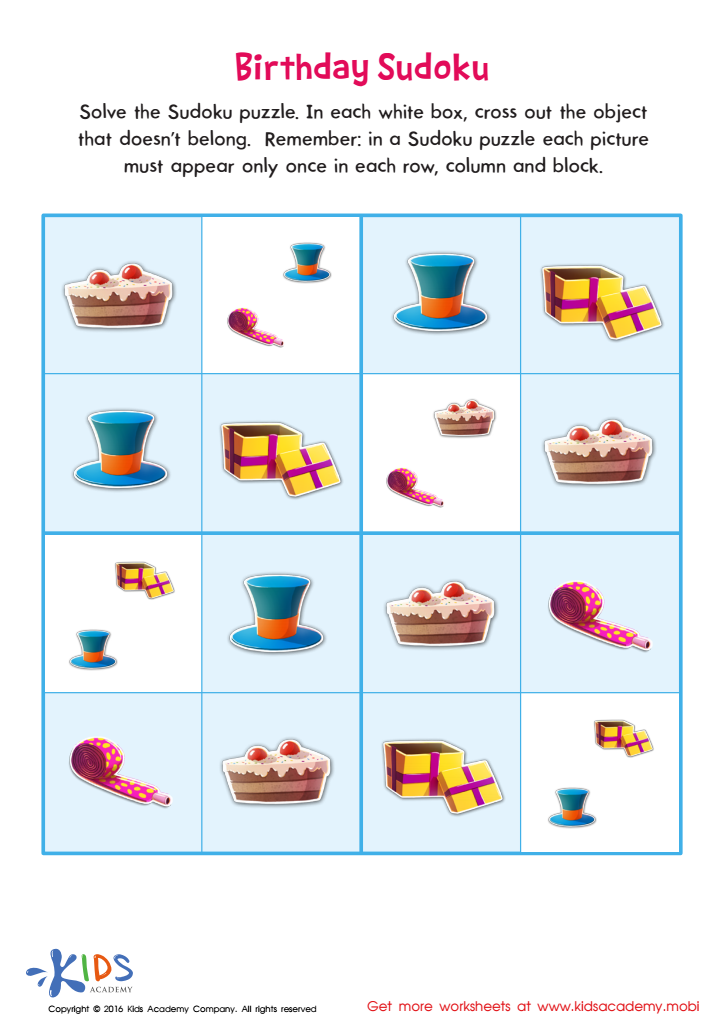
Birthday Sudoku Sorting Worksheet
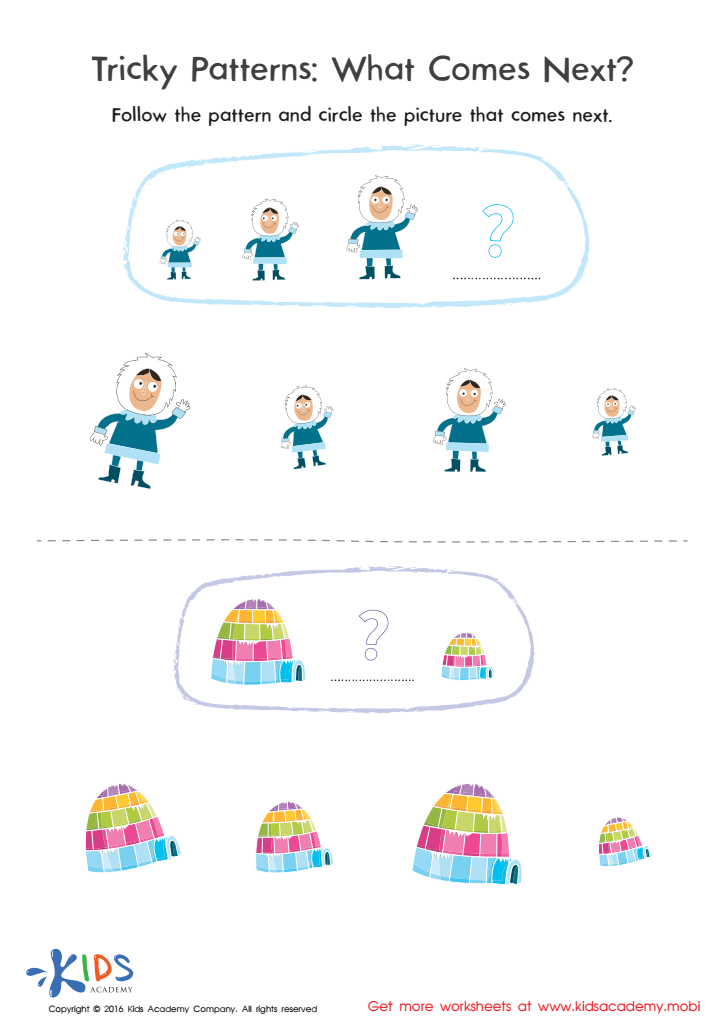
Tricky Patterns Size Worksheet
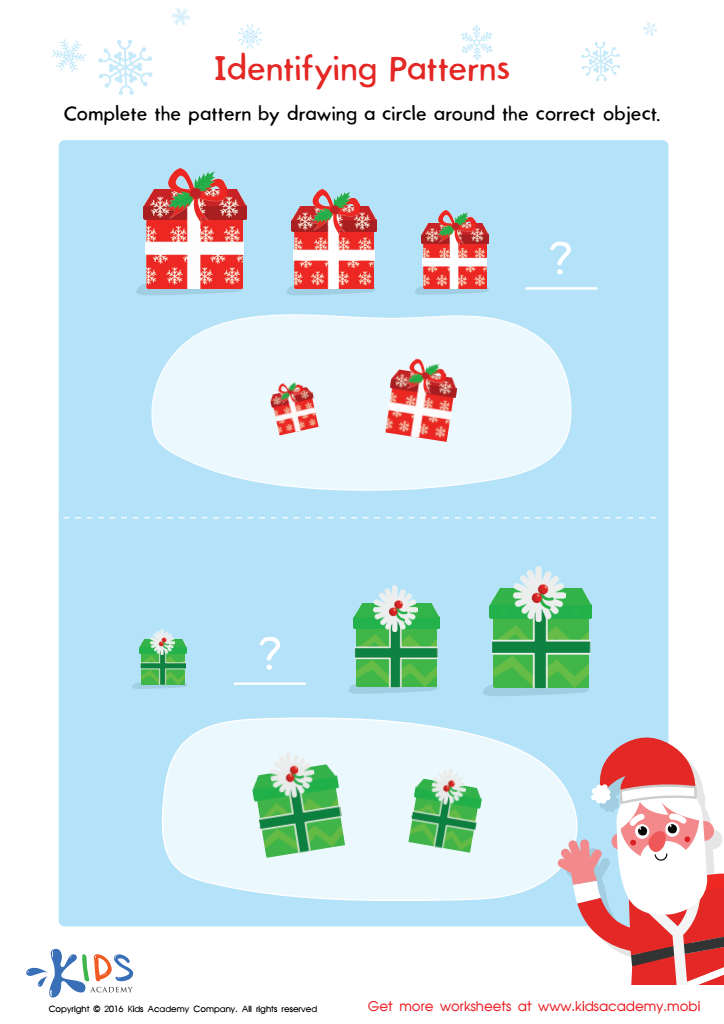
Identifying Patterns Worksheet
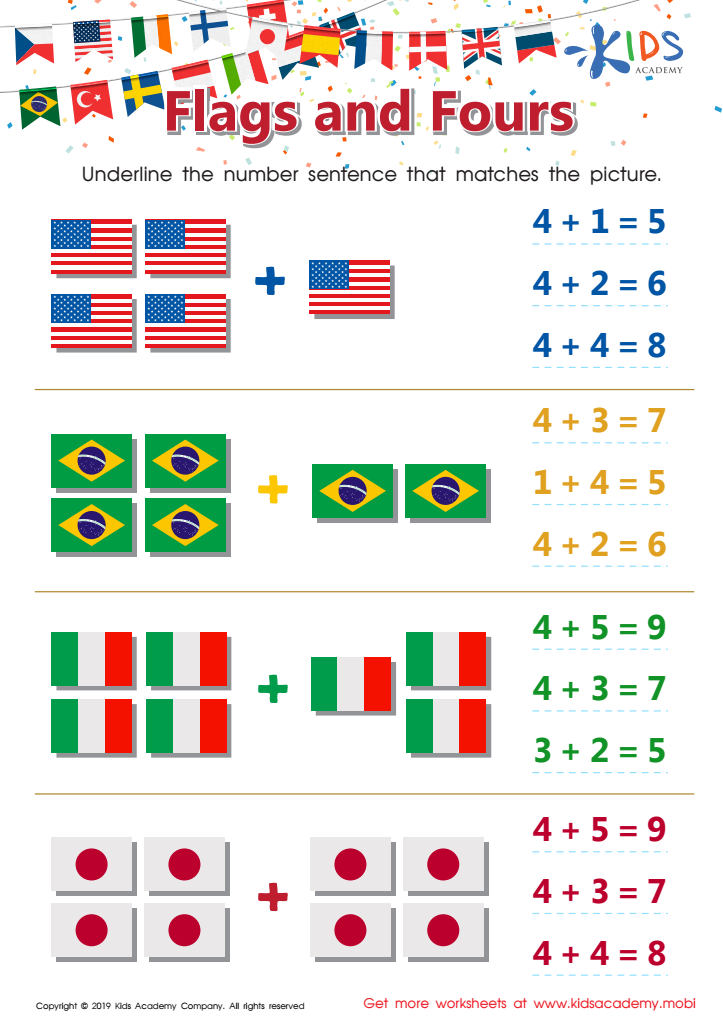
Flags and Fours Worksheet






.jpg)

Pattern recognition is a fundamental skill that serves as a building block for mathematical understanding in young learners aged 3-9. Emphasizing pattern recognition through Extra Challenge Math can immensely benefit both parents and teachers. This skill develops critical thinking, enhances problem-solving abilities, and fosters creativity in children.
When children learn to identify and create patterns, they improve their cognitive abilities, learning to foresee outcomes and make connections between concepts. This skill not only supports their mathematical growth—such as number sequences and geometric shapes—but also translates into everyday life skills, like recognizing routines or predicting events.
For parents, encouraging engagement in pattern recognition through Extra Challenge Math can promote bonding over educational activities and instil confidence in their child's learning journey. It provides an opportunity for parents to play an active role in their child's education, reinforcing the idea that learning can be fun.
For teachers, integrating pattern recognition activities enriches the curriculum by accommodating varying learning styles. It supports differentiated instruction and helps assess mastery of fundamental concepts. Ultimately, focusing on pattern recognition lays a strong foundation for future learning, ensuring children are well-prepared to tackle more complex math problems as they progress in school.