Spatial awareness Extra Challenge Math Worksheets for Ages 3-9
9 filtered results
-
From - To
Boost your child's spatial awareness with our Extra Challenge Math Worksheets for ages 3-9! Designed to enhance critical skills like shape recognition, pattern sequencing, and spatial orientation, these engaging printable activities are perfect for young learners ready for an additional challenge. Our expertly crafted worksheets make learning fun and educational, encouraging kids to explore spatial relationships while strengthening their math abilities. Tailored to support early cognitive development, these resources help lay a strong foundation for future success in mathematics. Unleash your child's full potential with our consistently updated and thoroughly vetted collection at Kids Academy!
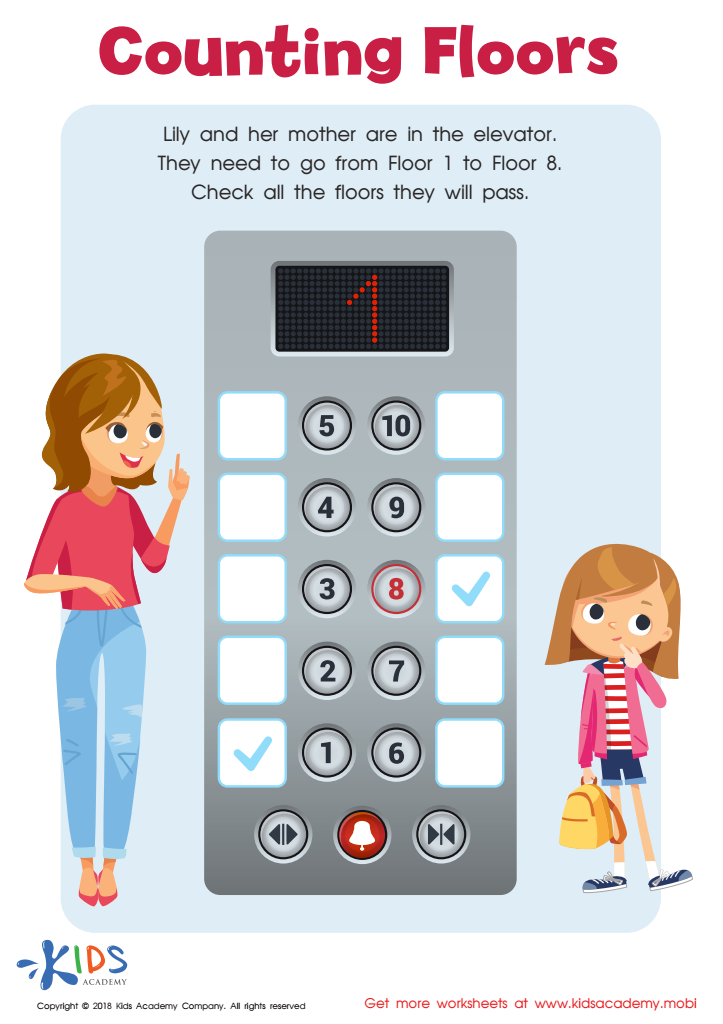
Counting Floors Worksheet
 Assign to My Students
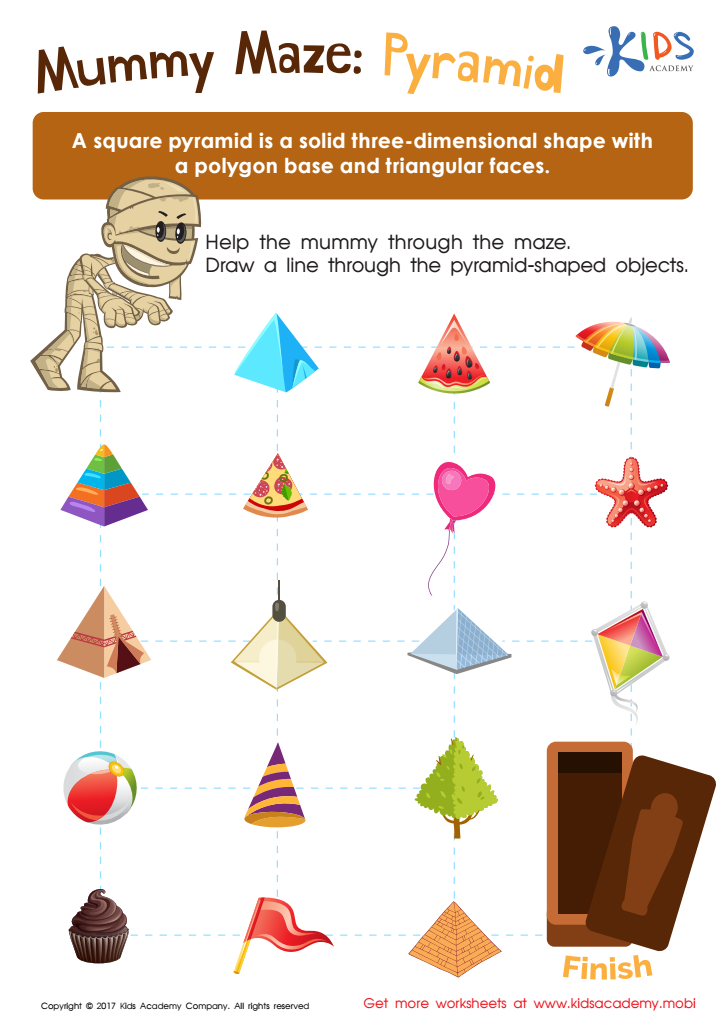
Mummy Maze: Pyramid Printable
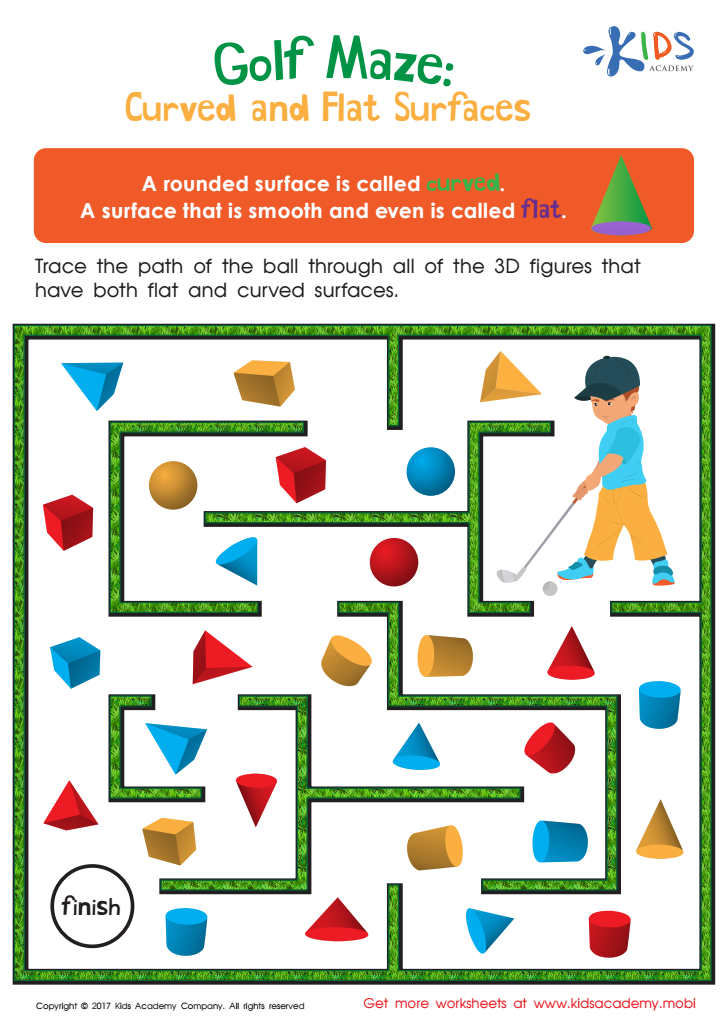
Golf Maze: Curved and Flat Surfaces Worksheet
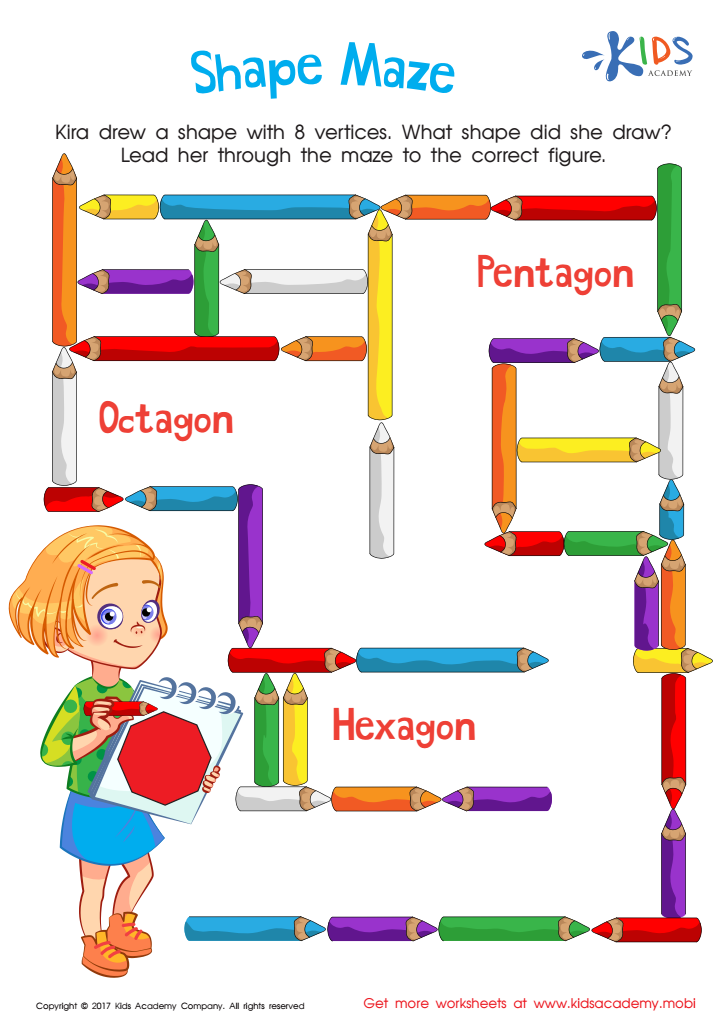
Shape Maze Worksheet
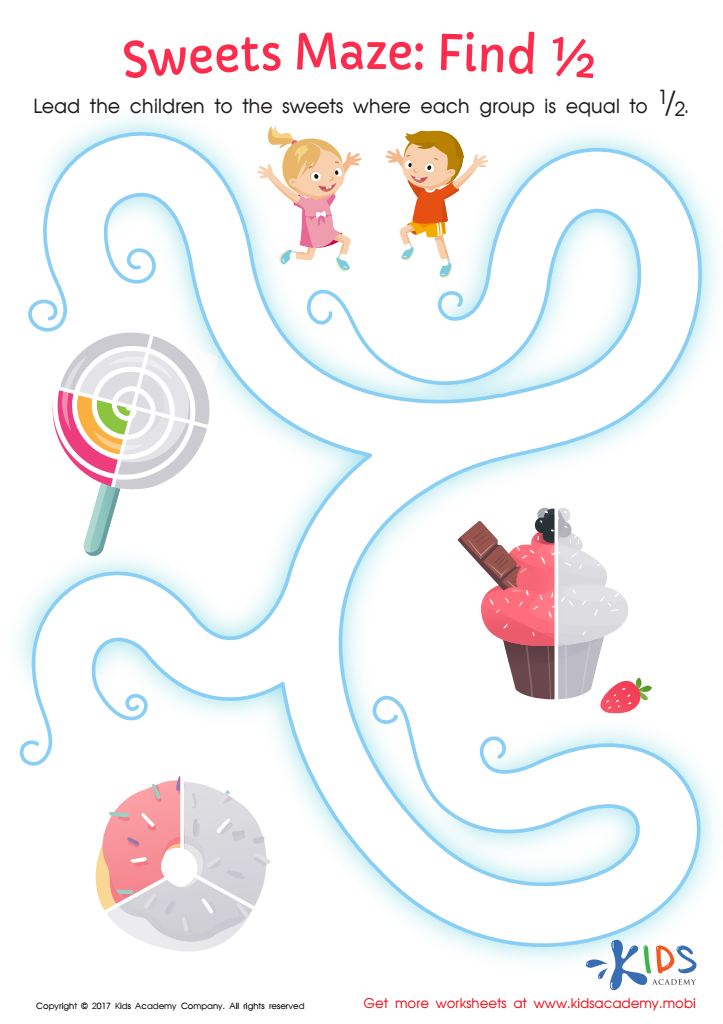
Fractions: Sweets Maze Worksheet
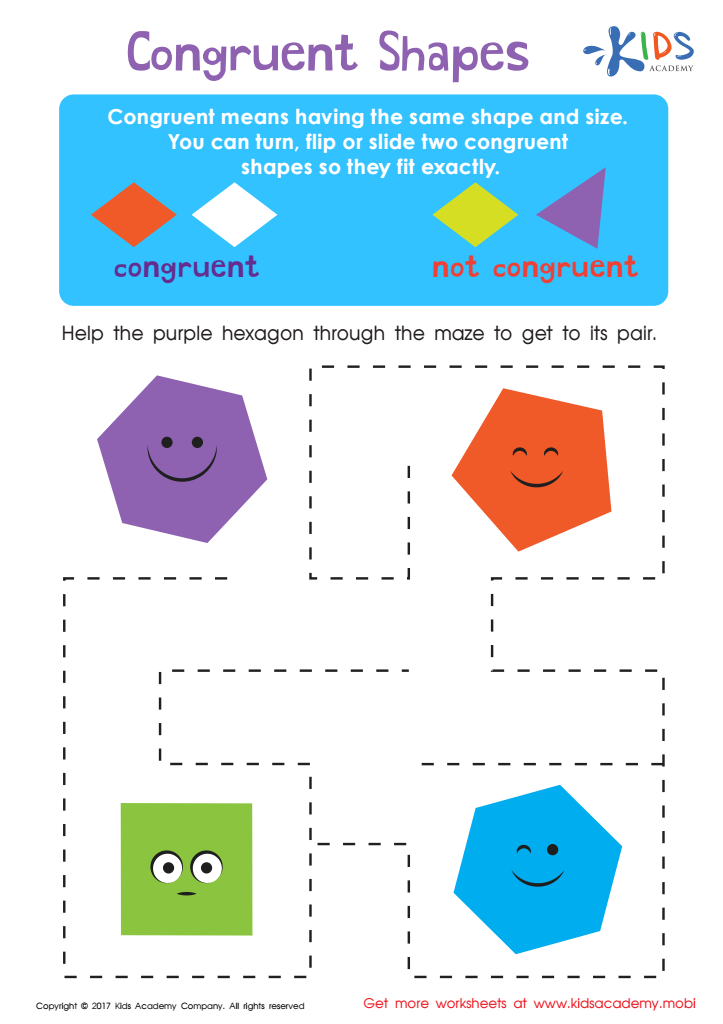
Congruent Shapes Worksheet
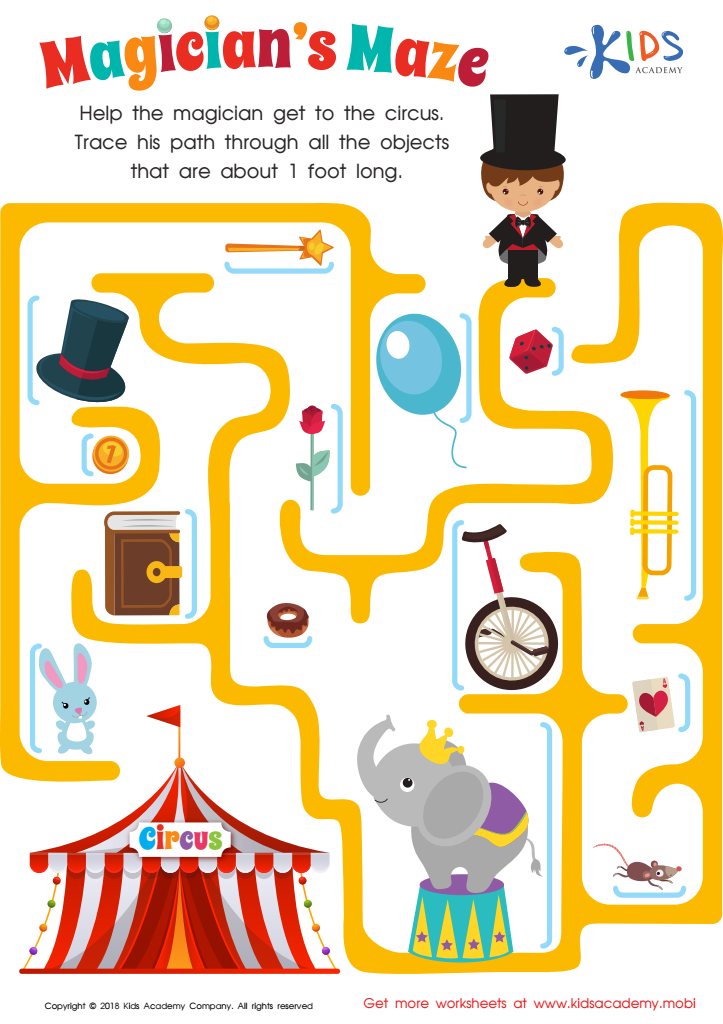
Estimating Length: Magician's Maze Worksheet
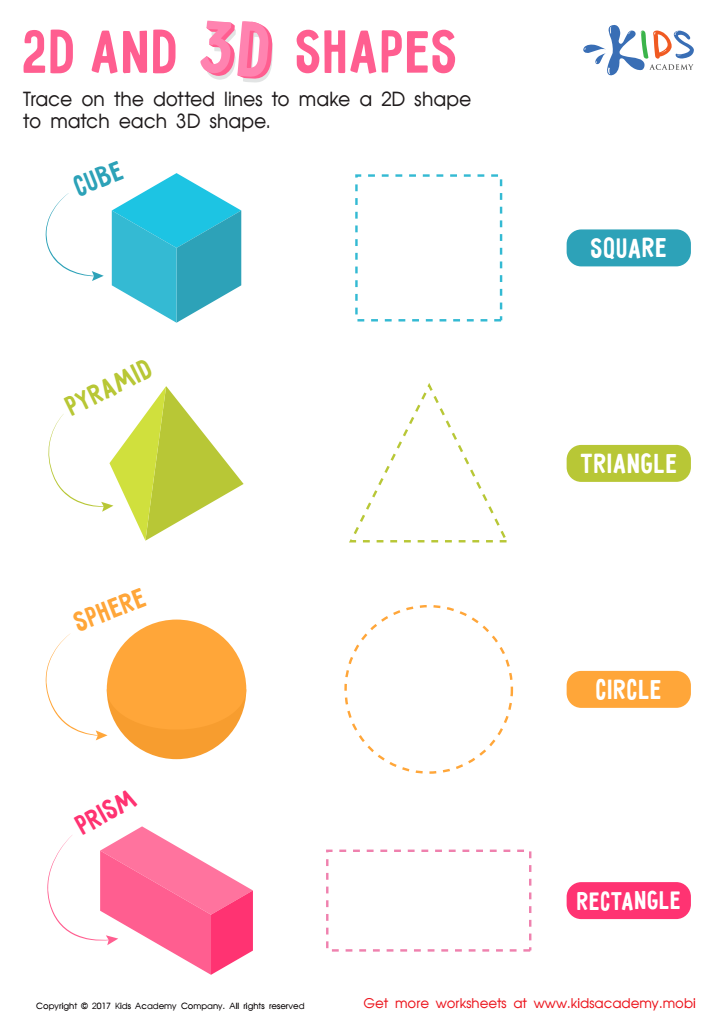
2D and 3D Shapes Worksheet
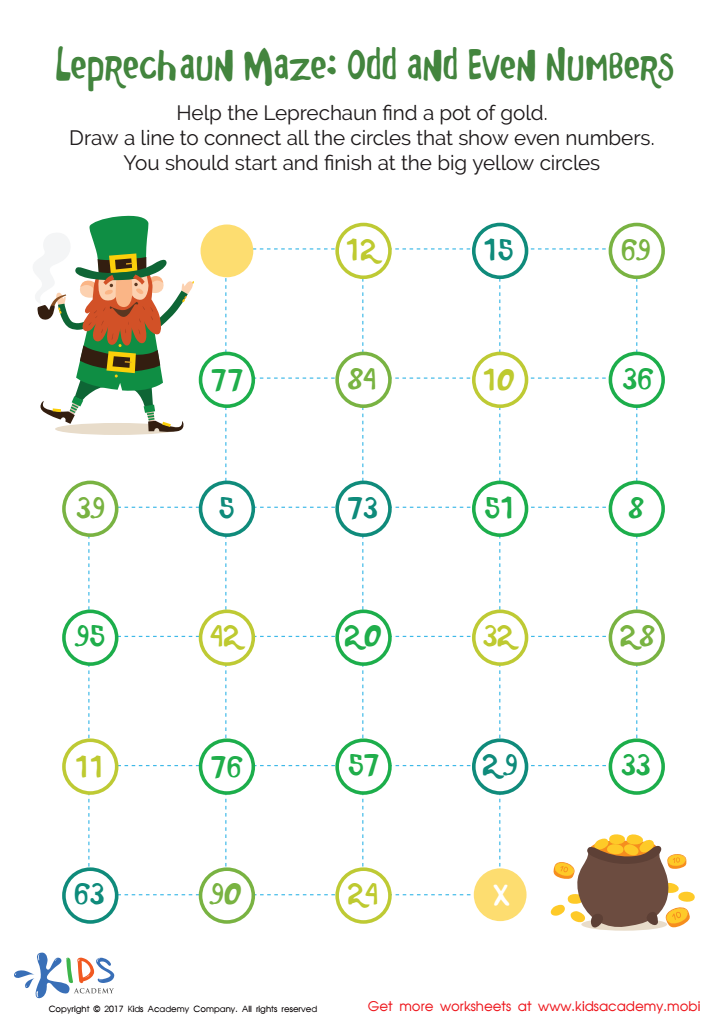
Leprechaun Maze Printable






.jpg)
Spatial awareness is a fundamental cognitive skill that involves understanding and interacting with the space around us. For children aged 3-9, fostering spatial awareness through extra challenge math activities offers several developmental benefits.
Firstly, early math skills such as shape recognition, measuring distances, and understanding spatial relationships lay the foundation for later, more complex mathematical concepts. Engaging in spatial awareness challenges boosts a child’s ability to visualize and manipulate objects, which improves their geometry, problem-solving, and even future STEM skills.
Secondly, spatial awareness is crucial for everyday tasks, both academic and recreational. It enhances a child's ability to follow directions, organize their environment, and develop dexterity in activities such as reading, writing, and sports. These tasks require a sense of space, distance, and physical orientation, which are honed through specific spatial math activities.
Furthermore, participating in spatial awareness challenges promotes critical thinking and cognitive flexibility. These activities often require children to think from different perspectives, enhancing their creative problem-solving skills and adaptability.
Parents and teachers should care about spatial awareness extra challenge math because it supports comprehensive cognitive development, essential for academic success and life skills. Encouraging these activities during early childhood provides a strong foundation for future learning and everyday competence.








