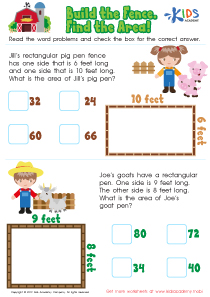
Number Recognition Extra Challenge Matching Worksheets for Ages 3-9
6 filtered results
Difficulty Level
Grade
Age
-
From - To
Subject
Activity
Standards
Enhance your child's number recognition skills with our engaging “Number Recognition Extra Challenge Matching Worksheets” designed for ages 3-9. These printable worksheets offer a variety of fun and interactive matching activities, encouraging kids to connect numbers with corresponding visual representations. Tailored to boost confidence and proficiency, each worksheet presents a unique challenge to keep young learners motivated. Perfect for home learning or classroom activities, these resources foster essential math foundations while blending learning with play. Empower your child with the skills they need for future success in mathematics through these captivating matching challenges today! Download now to get started!
Favorites
With answer key
Interactive
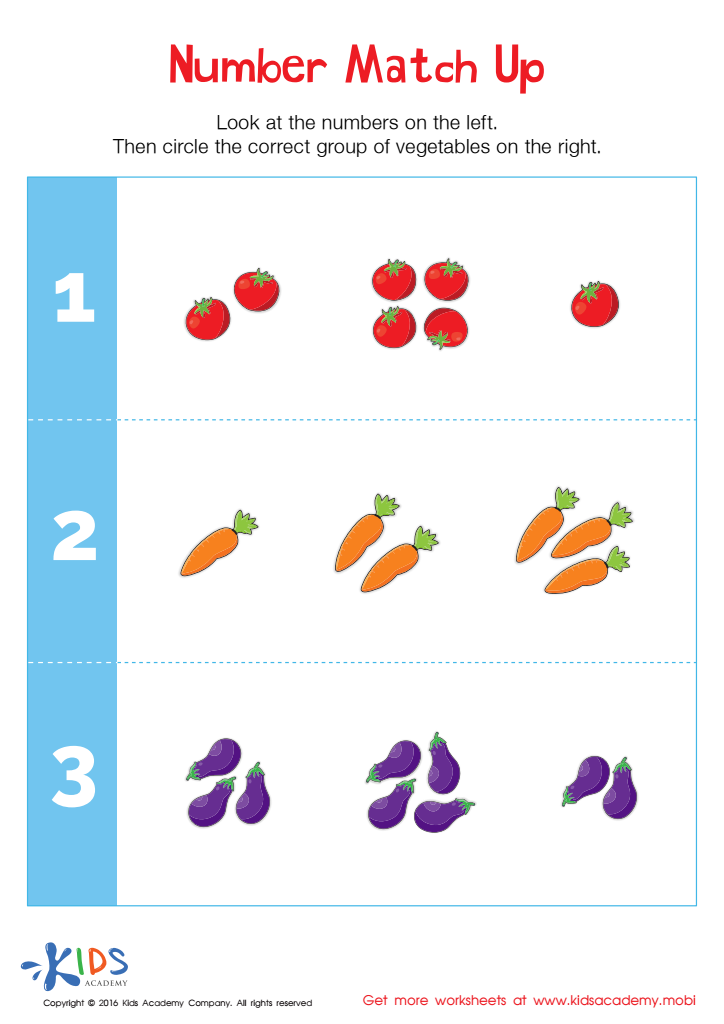
Number Match Up Worksheet
Help your child learn early math skills with this cute number match-up worksheet! Through this exercise, your preschooler can practice following directions, recognizing numbers, counting and understanding the difference between left and right. Bright and catchy pictures such as veggies make the worksheet fun and engaging. Print it out and let your child enjoy counting and matching the veggies!
 Assign to My Students
Number Match Up Worksheet
Worksheet
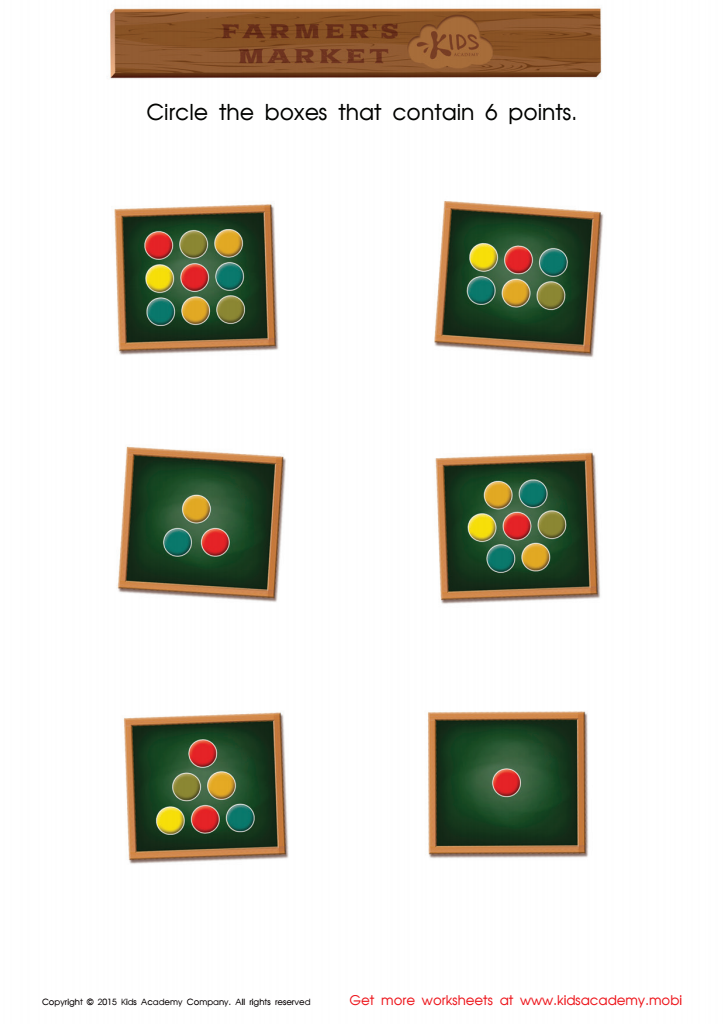
Count and Match Points 6 Math Worksheet
Help your child with mathematics by guiding them with this fun printable worksheet. They will practice counting numbers by looking at all the boxes and circling the ones containing 6 dots. Together you will gain a better understanding of mathematics.
Count and Match Points 6 Math Worksheet
Worksheet
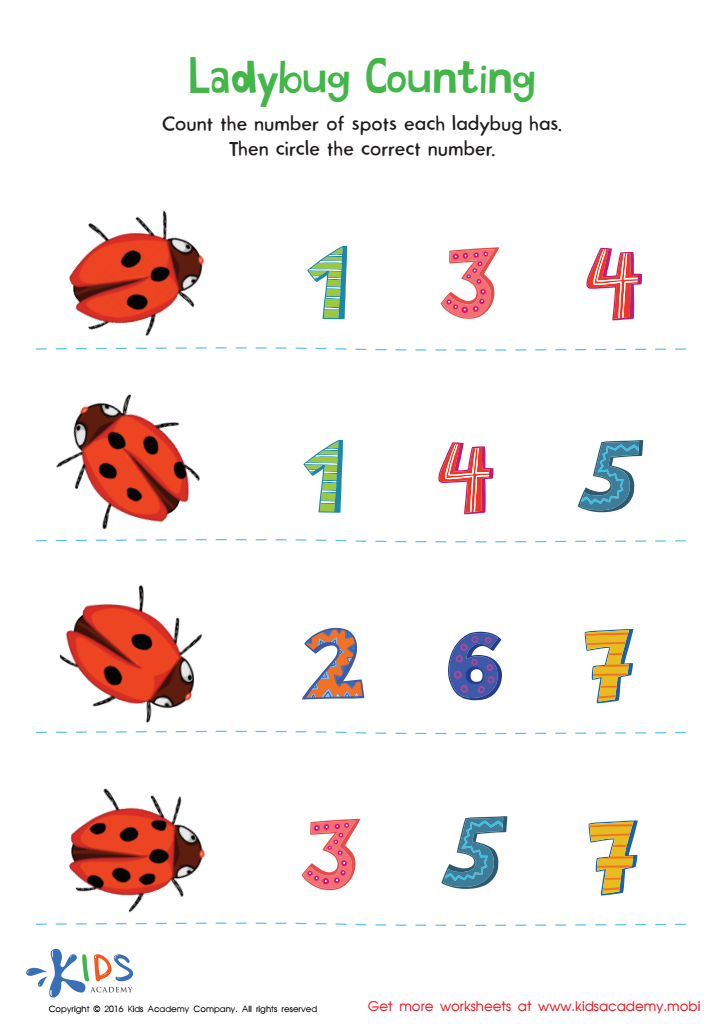
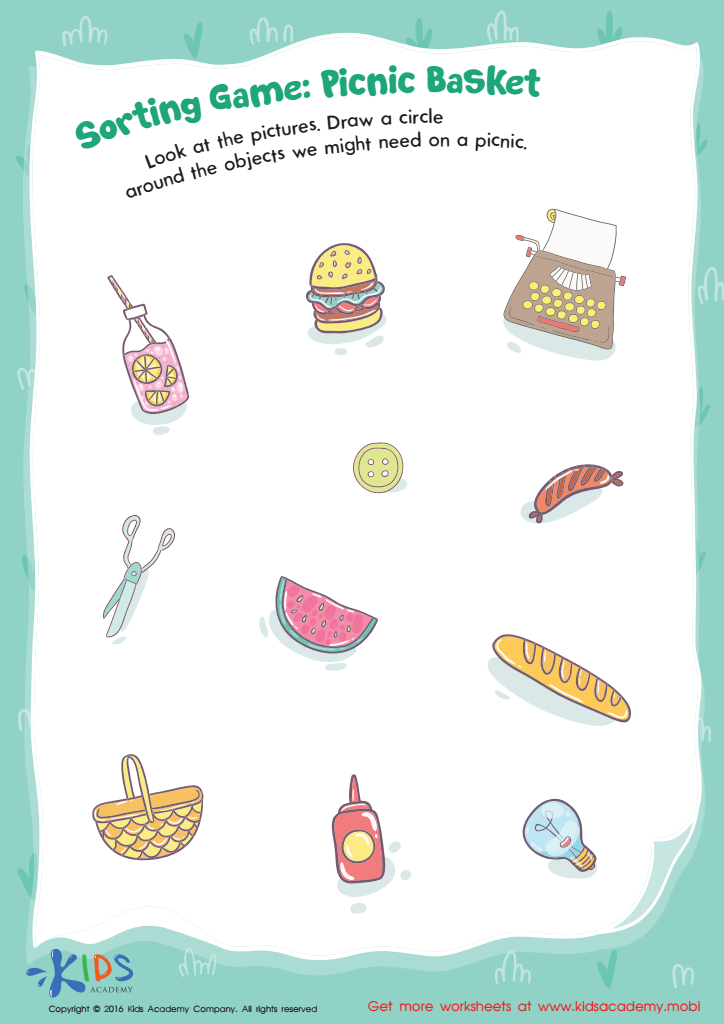
Picnic Basket Sorting Worksheet
Make picnic planning fun with this kindergarten sorting worksheet! Your child will sort everyday objects to find picnic supplies, and then use the worksheet to plan a real or pretend picnic. Extend the learning by discussing the event and its connection to the worksheet. Print out the other worksheets to sharpen sorting and classifying skills in an engaging way!
Picnic Basket Sorting Worksheet
Worksheet
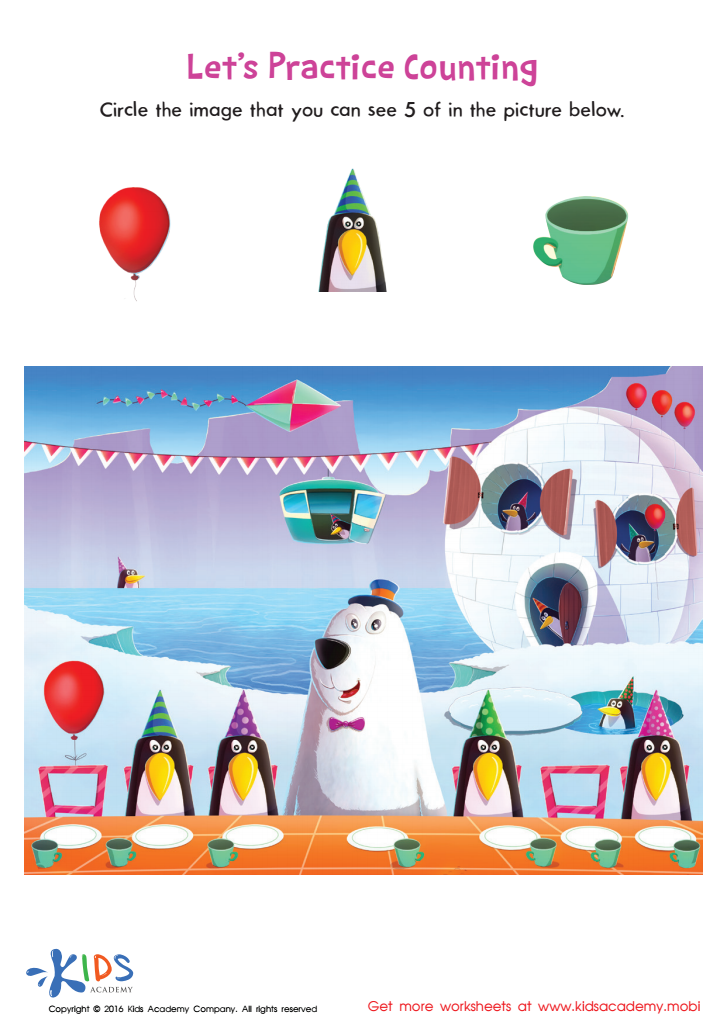
Counting Worksheet: Let's Practice Counting
Celebrate with the Arctic animals! This fun counting worksheet will help your child hone counting, problem-solving and attention skills. Let them explore important concepts through a process of elimination as they help the animals count guests and supplies. A great way to learn and have fun!
Counting Worksheet: Let's Practice Counting
Worksheet
Join Kids Academy for Free
Who is primarily going to use this learning content?








Number recognition is a vital foundational skill for young children aged 3-9, serving as the bedrock for future mathematical learning. The Extra Challenge Matching activity enhances this skill by engaging children in interactive and fun ways, making number recognition not just a task but an enjoyable experience. Parents and teachers should care about this activity because it fosters cognitive development and early numeracy skills, preparing children for more complex mathematical concepts they will encounter later in school.
Such activities also promote essential skills like critical thinking through matching numbers, building concentration and attention, and improving memory. They encourage self-directed learning, allowing children to progress at their own pace while boosting their confidence. Additionally, creating a stimulating learning environment at home or in the classroom can strengthen the parent-child or teacher-student relationship, fostering a love of learning and curiosity about mathematics.
By emphasizing these engaging challenges, adults can identify unique learning styles and adapt their teaching methods to meet individual needs effectively. Overall, Number Recognition Extra Challenge Matching offers a comprehensive approach to early education that supports holistic child development. Encouraging this skill in playful ways will lay a strong groundwork for understanding mathematics for years to come.