Handwriting practice Extra Challenge ABC Order Worksheets for 3-Year-Olds
5 filtered results
-
From - To
Unlock your child's writing potential with our Handwriting Practice Extra Challenge ABC Order Worksheets tailored for 3-year-olds! These engaging worksheets help little learners practice writing their letters in the correct alphabetical order while enhancing their fine motor skills. Each worksheet is designed to capture young imaginations, making handwriting a fun and rewarding experience. With vibrant illustrations and plenty of opportunities for repetition, children will gain confidence in their writing abilities. Foster early literacy skills and promote handwriting readiness with our thoughtfully crafted resources. Perfect for homeschoolers and classroom settings, these worksheets create a strong foundation for lifelong learning and enjoyment of writing!
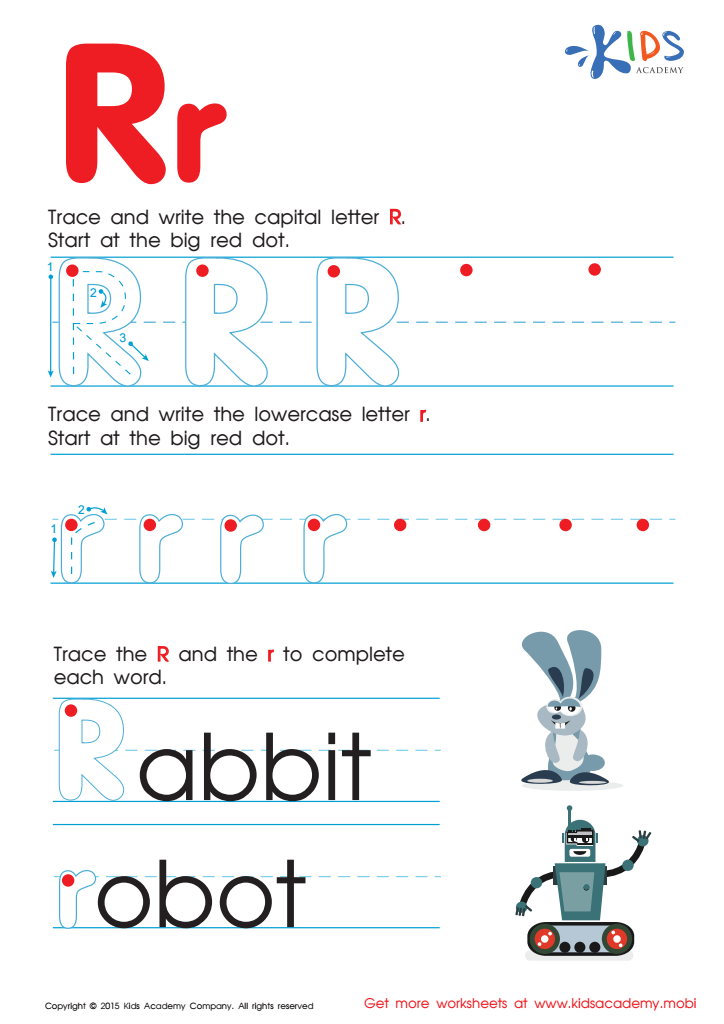
Letter R Tracing Page
 Assign to My Students


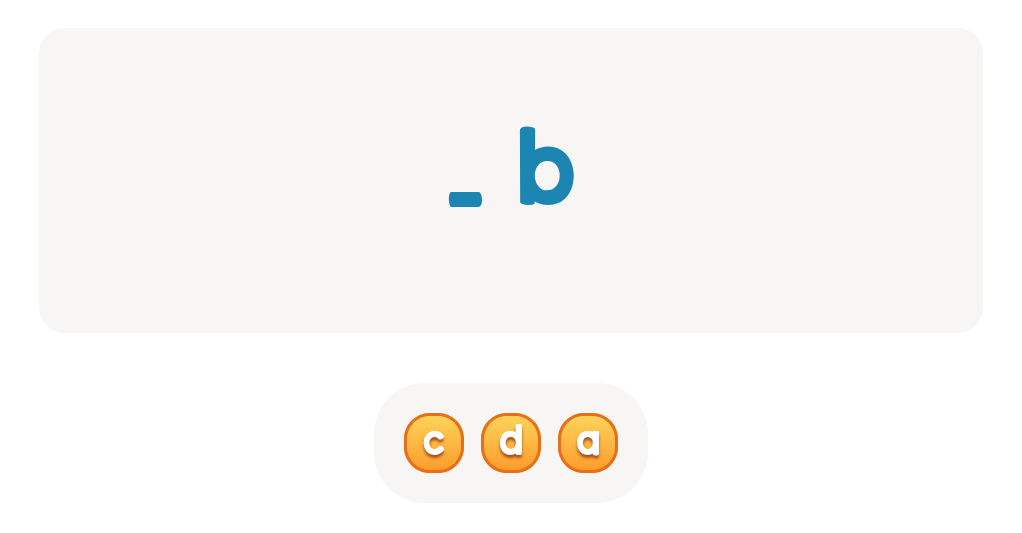
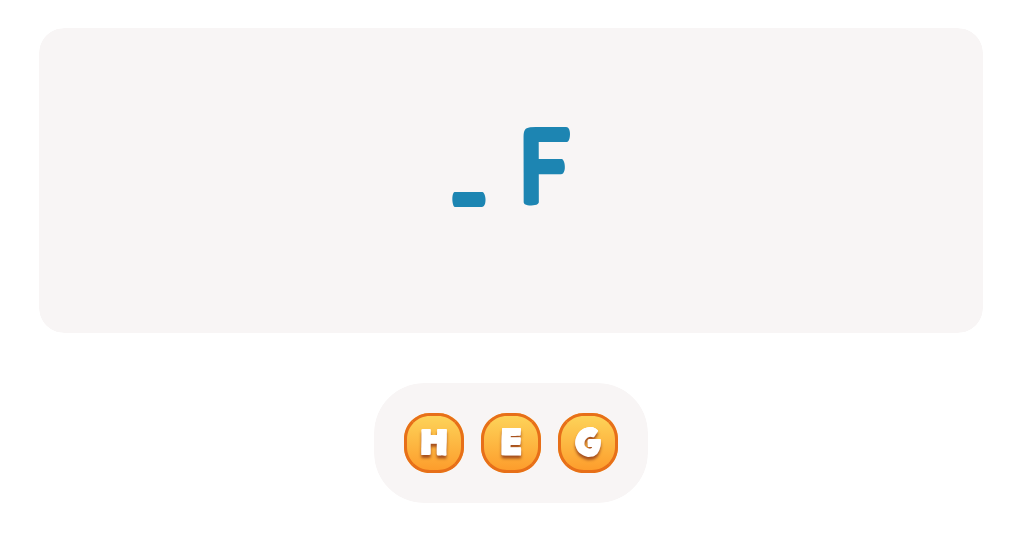

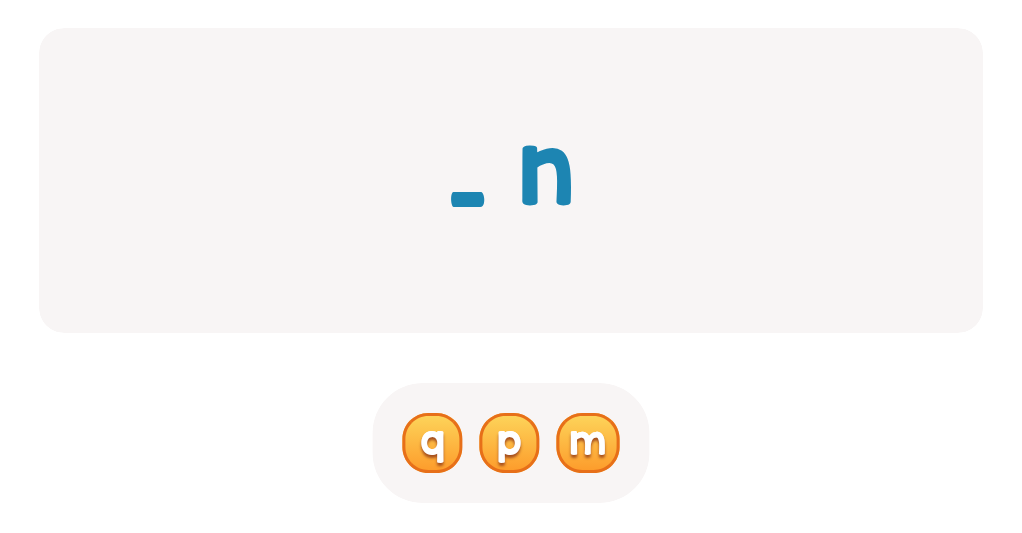


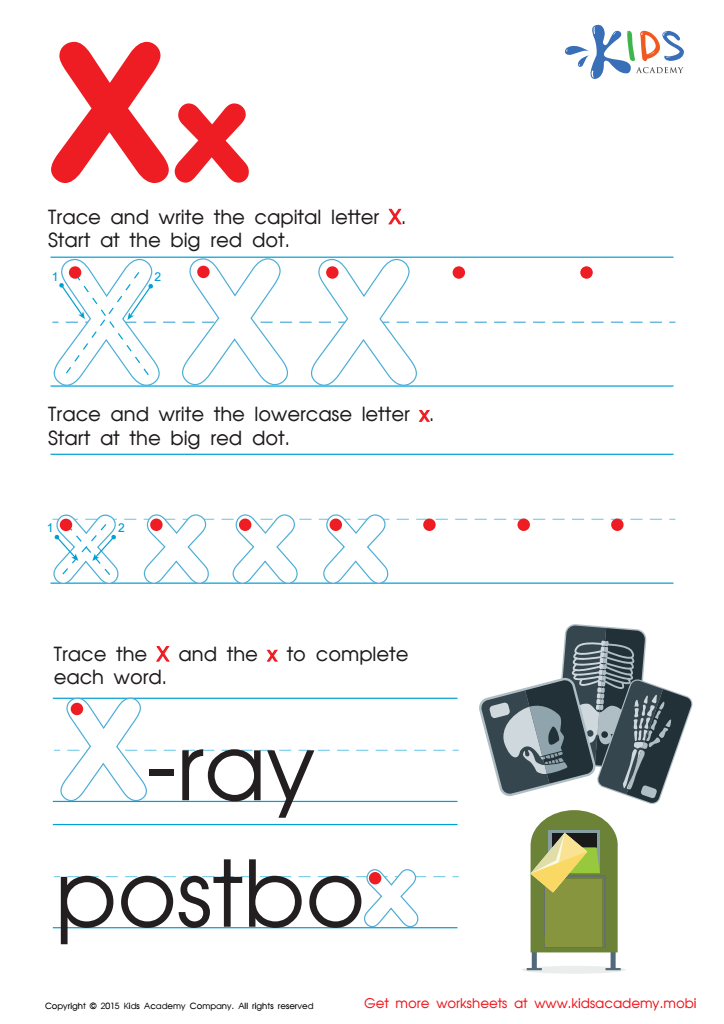
Letter X Tracing Page
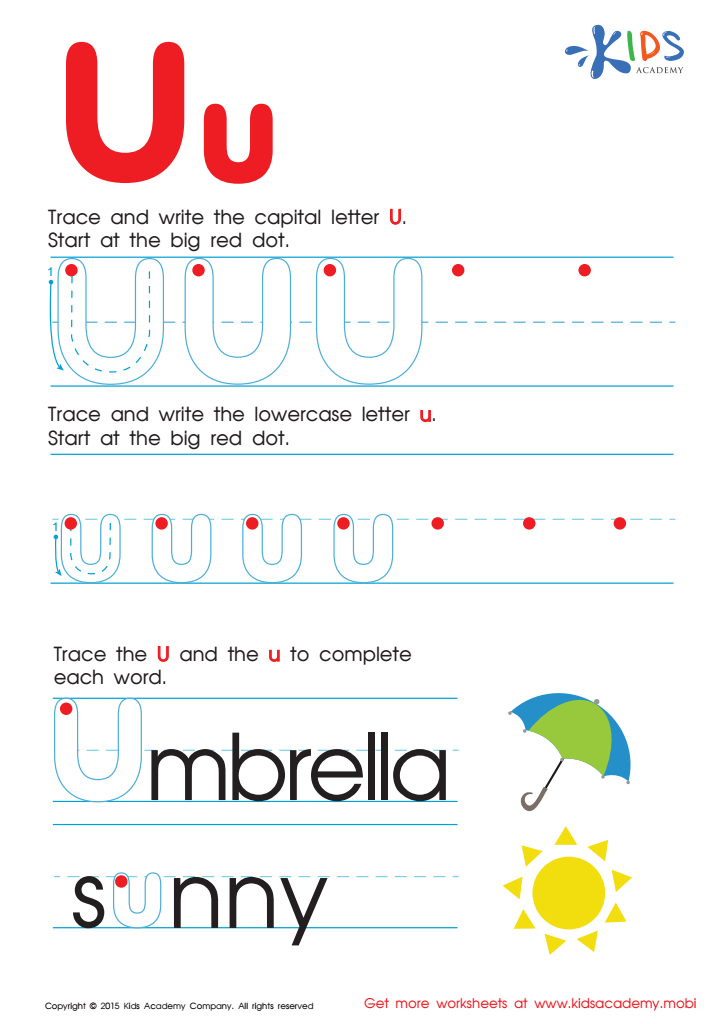
Letter U Tracing Page
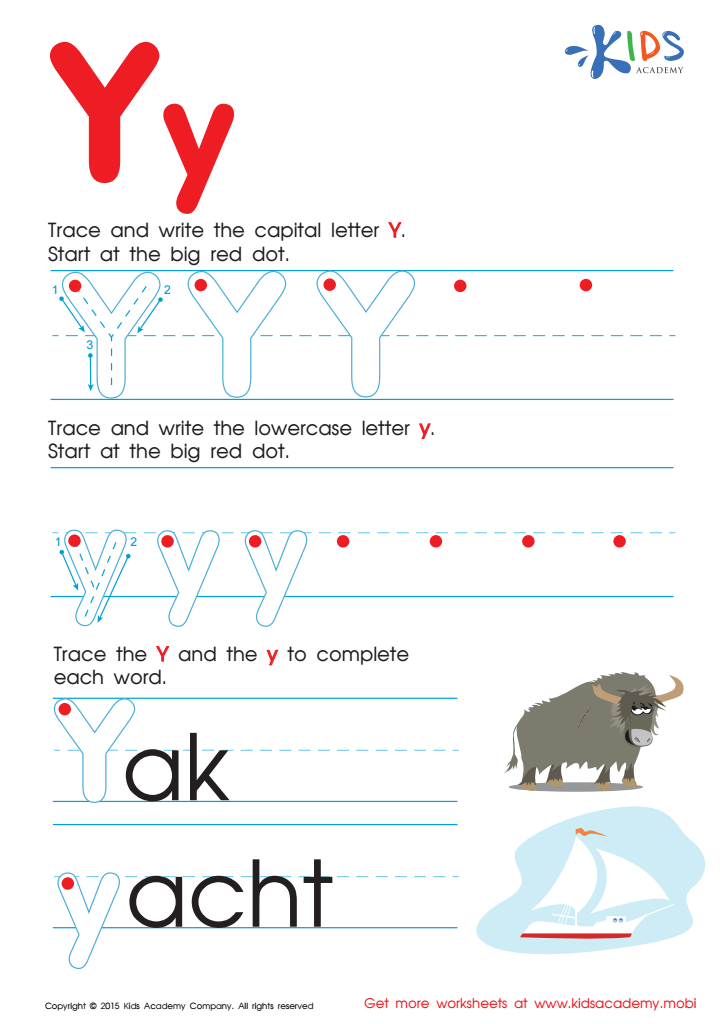
Letter Y Tracing Page
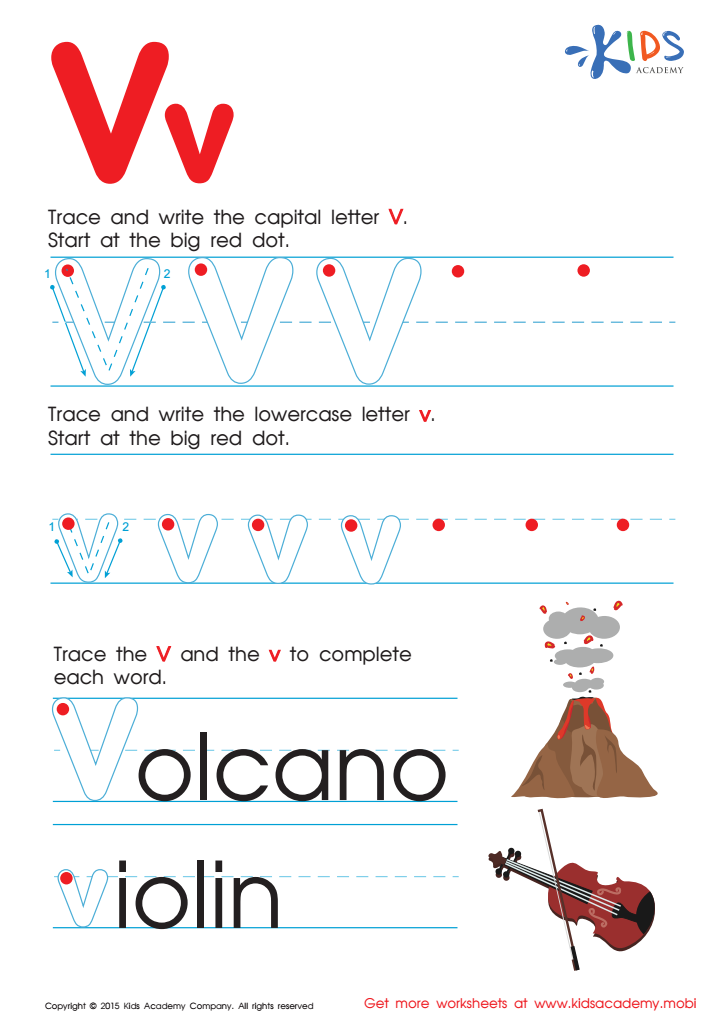
Letter V Tracing Page







Handwriting practice, particularly the "Extra Challenge ABC Order" for 3-year-olds, plays a crucial role in early childhood development. At this age, children are just beginning to hone their fine motor skills and hand-eye coordination, which are essential for writing. Engaging in structured handwriting exercises helps young learners develop the muscles needed for gripping a pencil and controlling their movements on paper.
Moreover, writing in alphabetical order introduces foundational literacy concepts. This exercise promotes letter recognition and understanding of the alphabetic sequence, essential for reading readiness. Learning to associate letters with their correct order fosters cognitive skills, which will benefit a child's language development and future academic success.
Additionally, incorporating fun challenges keeps children engaged and motivated, turning handwriting practice into an enjoyable activity rather than a chore. By participating alongside their child, parents and teachers can reinforce positive learning experiences, nurture a love for letters, and instill a sense of accomplishment.
Ultimately, the Extra Challenge ABC Order not only aids in refining handwriting skills but also builds confidence in early literacy. Engaged parental and teacher involvement can significantly influence a child's developmental journey, setting the foundation for lifelong learning.








