
Pattern recognition Extra Challenge Worksheets for 3-Year-Olds
5 filtered results
Difficulty Level
Grade
Age
-
From - To
Subject
Activity
Standards
Discover our engaging "Pattern Recognition Extra Challenge Worksheets" designed specifically for 3-year-olds! These worksheets enhance early cognitive skills by encouraging young learners to identify, create, and extend patterns. Tailored to spark curiosity and promote critical thinking, our extra challenges provide fun exercises that include colorful visuals and interactive tasks. Ideal for parents and educators alike, these resources foster a love for learning through play. Help your toddler develop essential pattern recognition skills that are crucial for math readiness and problem-solving. Download and print these delightful worksheets to transform learning time into an exciting adventure for your little ones!
Favorites
With answer key
Interactive
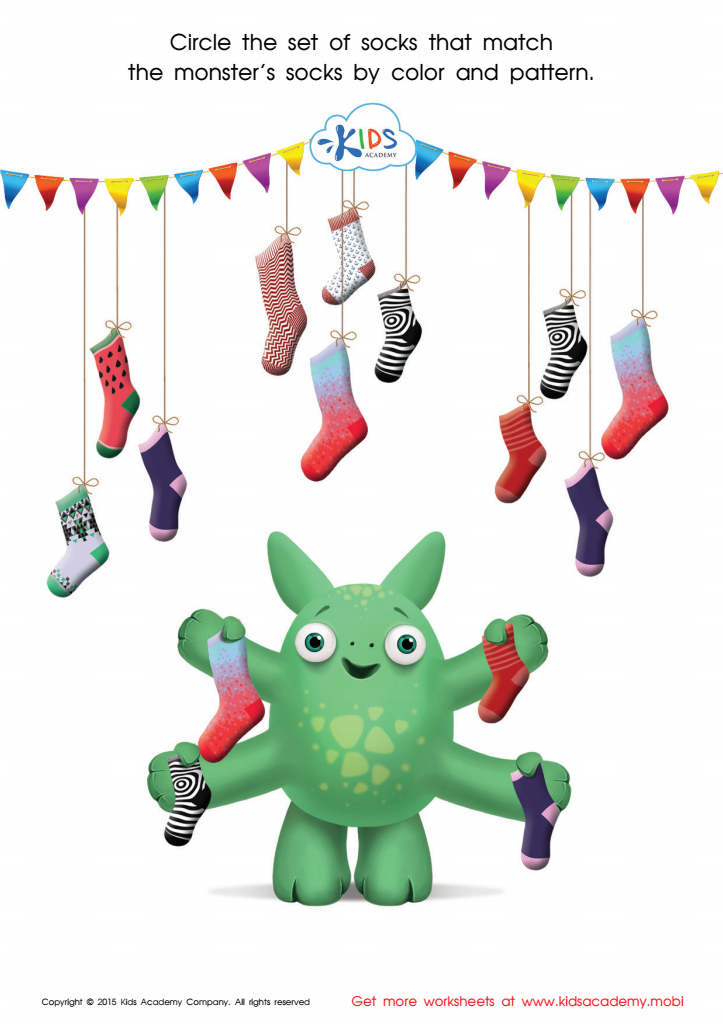
Sort the Monster's Socks Worksheet
Let your little one challenge herself and practice with matching Monster socks. She must be very attentive to match the same socks and draw a line connecting them!
 Assign to My Students
Sort the Monster's Socks Worksheet
Worksheet
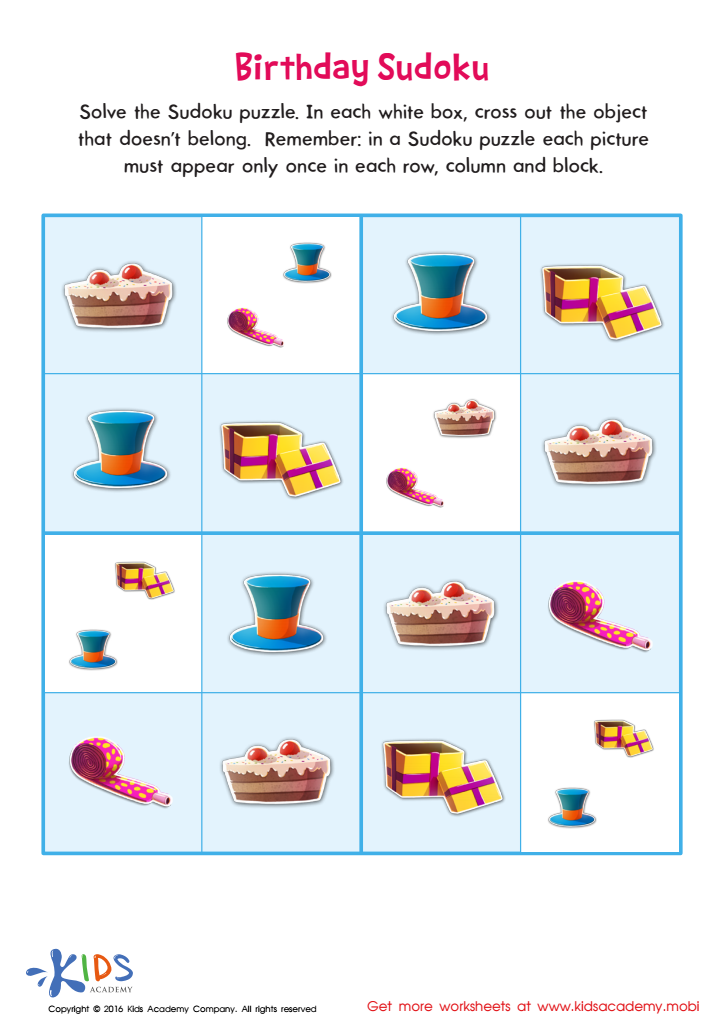
Birthday Sudoku Sorting Worksheet
With this Sudoku printable, your child will have fun and strengthen their problem-solving skills.
Birthday Sudoku Sorting Worksheet
Worksheet
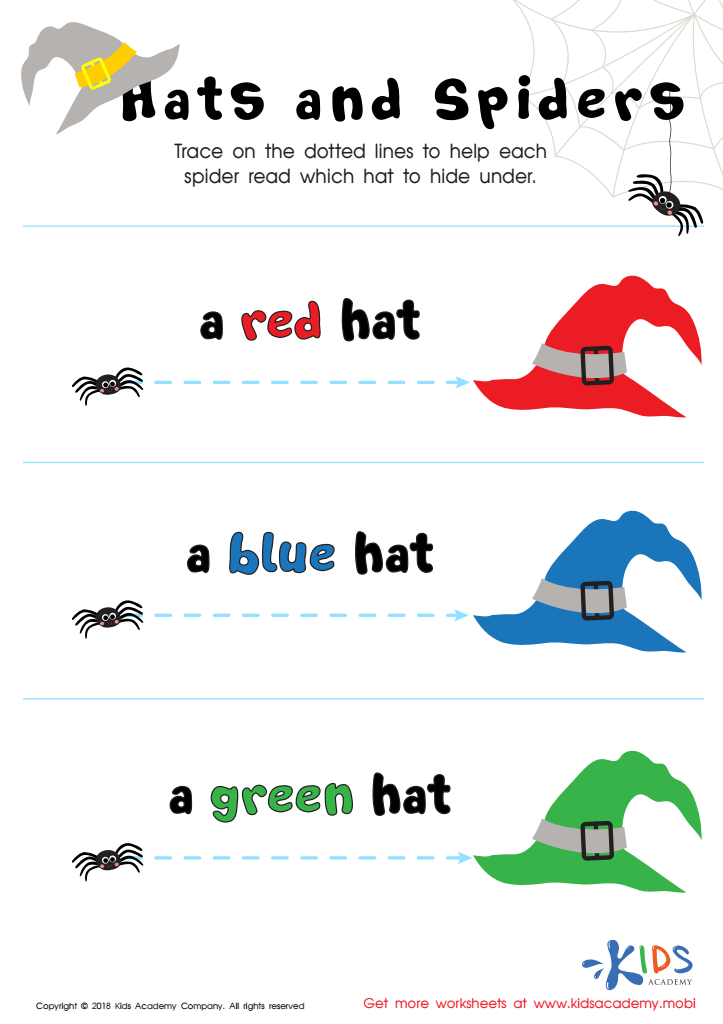
Read from Left to Right: Hats and Spiders Worksheet
Do your kids love or fear spiders? Either way, they'll enjoy helping the little critters with this traceable worksheet. Ask them to read out the words in the picture, explaining it's the description of the hats. Then help them trace on the dotted lines, so the spiders know which hat to hide under.
Read from Left to Right: Hats and Spiders Worksheet
Worksheet
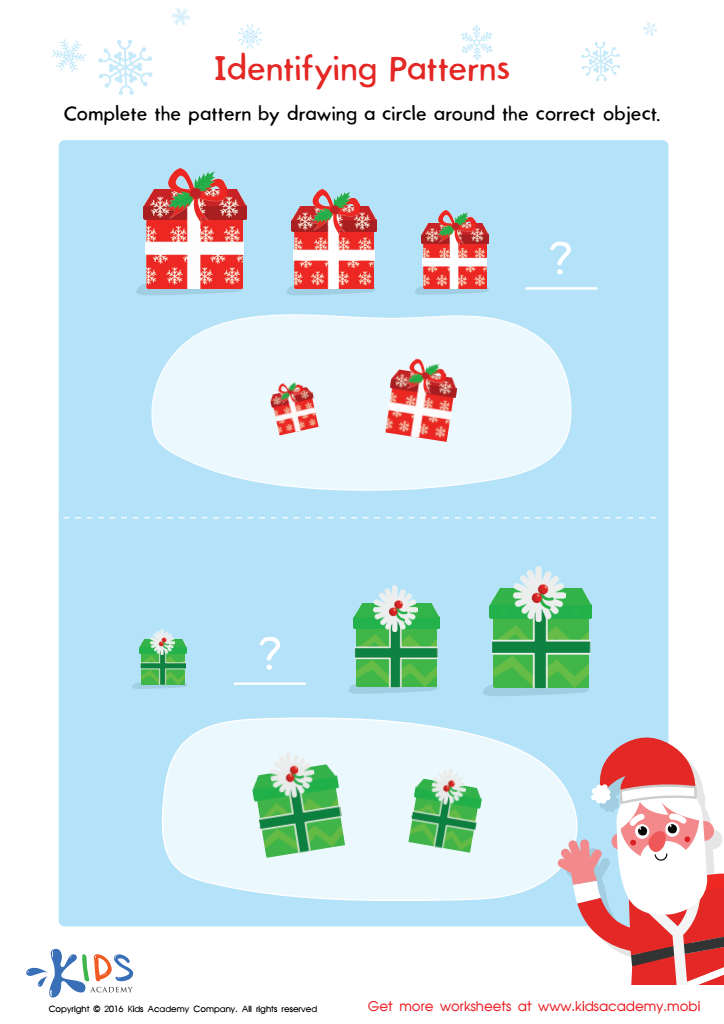
Identifying Patterns Worksheet
Kids can have fun as they learn with this festive worksheet! They'll practice early math skills while identifying patterns with colorful Christmas presents. Have your child get ready for the holidays by finding out which box comes next in the pattern!
Identifying Patterns Worksheet
Worksheet
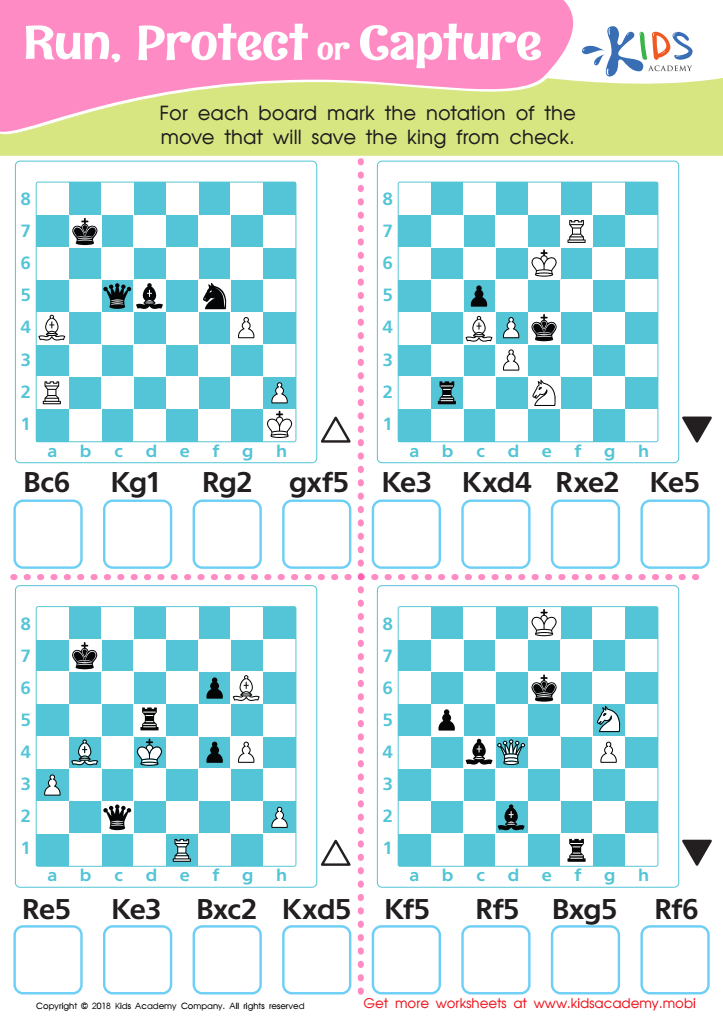
Run, Protect or Capture Worksheet
When kids play chess, they're not only striving to win - they're sharpening their critical thinking and problem-solving prowess. With this free PDF worksheet, they learn how to protect their king from check, whether it's running away, shielding it or capturing the checking piece. Sample boards offer them the chance to practice.
Run, Protect or Capture Worksheet
Worksheet
Join Kids Academy for Free
Who is primarily going to use this learning content?







.jpg)
Pattern recognition is a fundamental cognitive skill that forms the basis of critical thinking and problem-solving. For parents and teachers, introducing Extra Challenge activities for 3-year-olds is essential in fostering early childhood development. Engaging children in pattern recognition encourages them to identify sequences, understand relationships, and predict outcomes, which are vital skills as they progress in their education.
At this age, children are naturally curious and eager to explore the world around them. Extra Challenge activities can capitalize on this curiosity, making learning fun and interactive. These activities enhance fine motor skills and boost language development as children express their thoughts and observations about patterns.
Furthermore, strengthening pattern recognition skills in early years has long-term benefits, such as improved mathematical abilities and better performance in later academic tasks. It also equips children with the confidence to tackle new challenges.
By investing time in pattern recognition exercises, parents and teachers can foster a rich learning environment that ignites curiosity, promotes critical thinking, and lays a strong foundation for future learning. Ultimately, addressing these skills early provides children with the tools they need to navigate an increasingly complex world.








