Story sequencing Extra Challenge Worksheets for 3-Year-Olds
3 filtered results
-
From - To
Enhance your 3-year-old's learning with our engaging Story Sequencing Extra Challenge Worksheets! Designed for young learners, these worksheets foster critical thinking and comprehension skills by encouraging children to arrange story events in the correct order. Perfect for preschool and kindergarten readiness, each activity is creative, interactive, and age-appropriate. Children will love using their imagination as they connect pictures and narratives while honing their fine motor skills. These worksheets not only make learning fun but also boost confidence in storytelling. Explore our collection today and watch your little ones flourish as they dive into the world of stories with excitement!
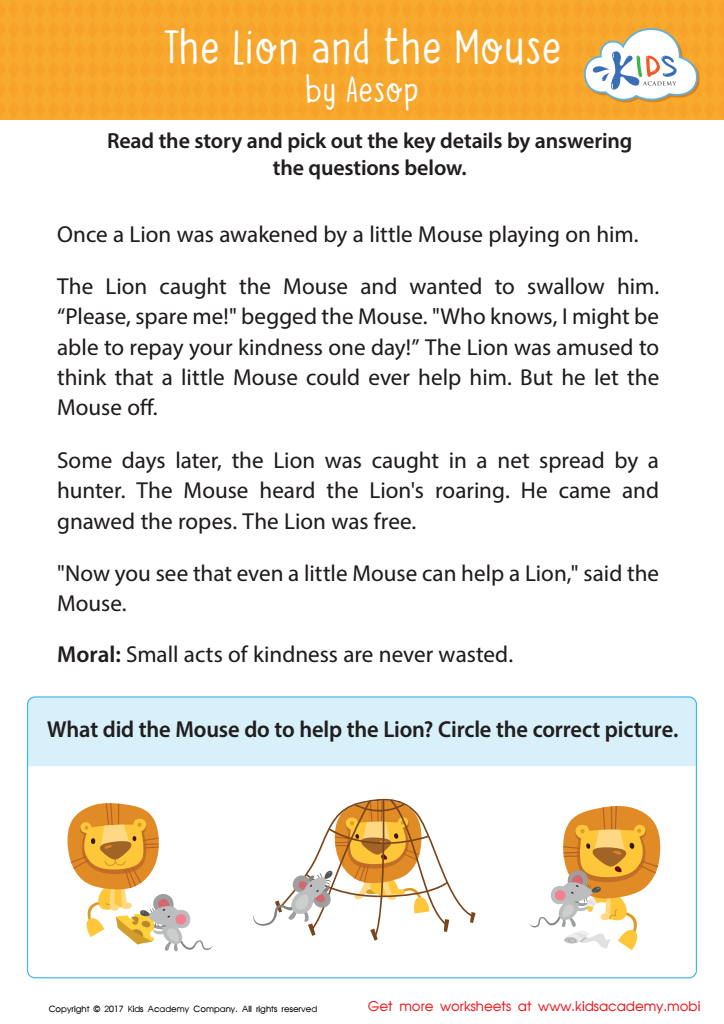
The Lion and The Mouse Sequencing Worksheet
 Assign to My Students
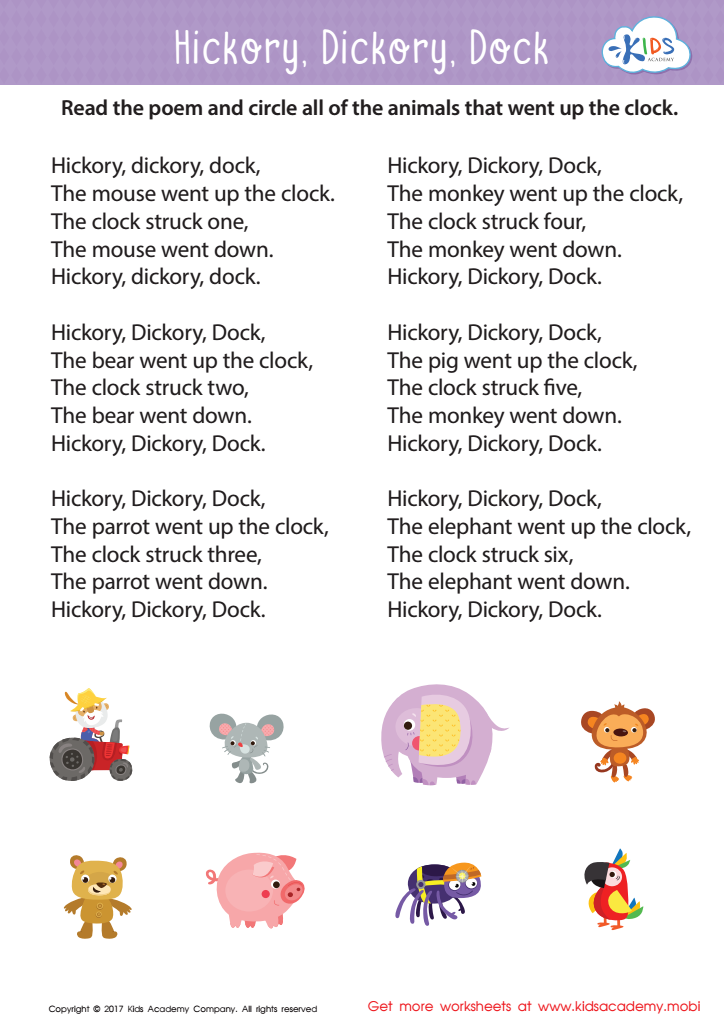
Hickory Dickory Dock Sequencing Worksheet
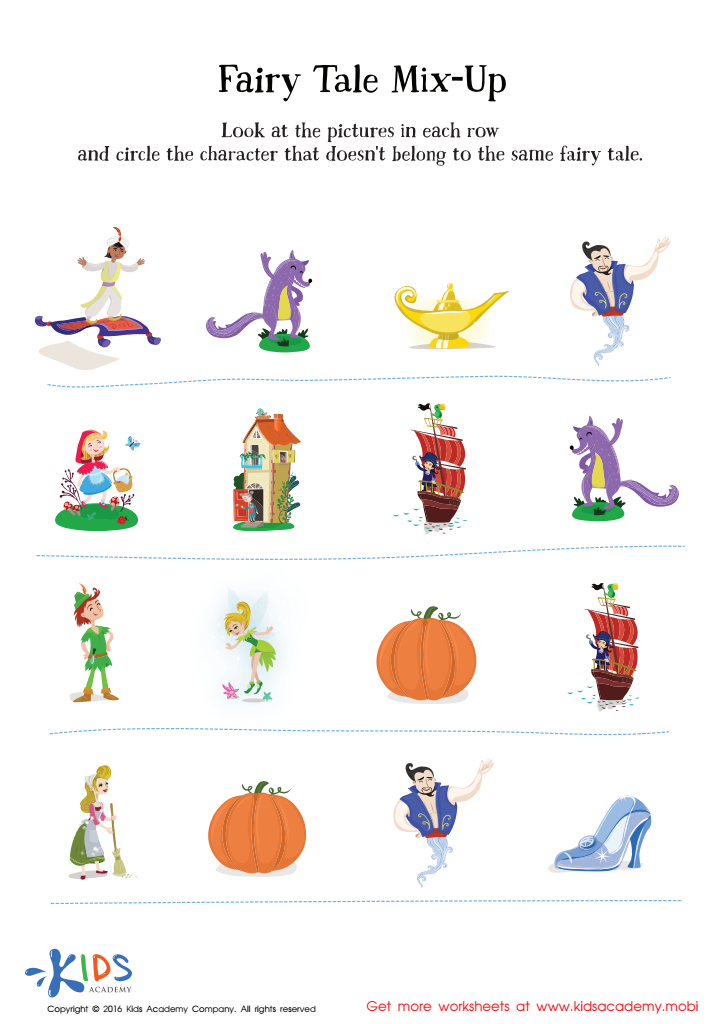
Fairy Tale Worksheet: Story Mix Up






Story sequencing is a crucial skill for young children, as it lays the foundation for reading comprehension, narrative skills, and critical thinking. For parents and teachers working with 3-year-olds, engaging them in story sequencing activities can significantly enhance their cognitive abilities. By helping children understand the order of events within a story, they learn to identify beginnings, middles, and ends, which is essential for retelling stories and focusing on key plot elements.
Furthermore, story sequencing encourages language development. As children discuss the arrangements of events, they practice their vocabulary and sentence construction, fostering more effective communication skills. It also cultivates creativity, as they may envision alternative storylines or characters by rearranging sequence elements.
Additionally, story sequencing develops essential life skills like problem-solving and memory retention. As children analyze and organize story components, they enhance their ability to think logically and remember sequences, which is applicable across various learning contexts.
In summary, implementing story sequencing activities for 3-year-olds not only bolsters their literacy skills but also promotes critical thinking, communication, and creativity, making it an invaluable tool in early childhood education. Engaging in such activities demonstrates a proactive approach to fostering holistic development in young learners.








