Basic Math Skills Extra Challenge Math Worksheets for 3-Year-Olds
17 filtered results
-
From - To
Boost your 3-year-old’s math prowess with our Basic Math Skills Extra Challenge Worksheets! These engaging activities are designed to sharpen early math skills through fun and interactive exercises. Perfect for young learners ready for an exciting challenge, our worksheets cover essential concepts such as counting, shapes, patterns, and more. Each worksheet is thoughtfully crafted to build a strong math foundation while keeping your toddler entertained and eager to learn. Give your child a head start in math with our expertly designed, challenging worksheets, making early education both effective and delightful!
Visit Kids Academy for more details!
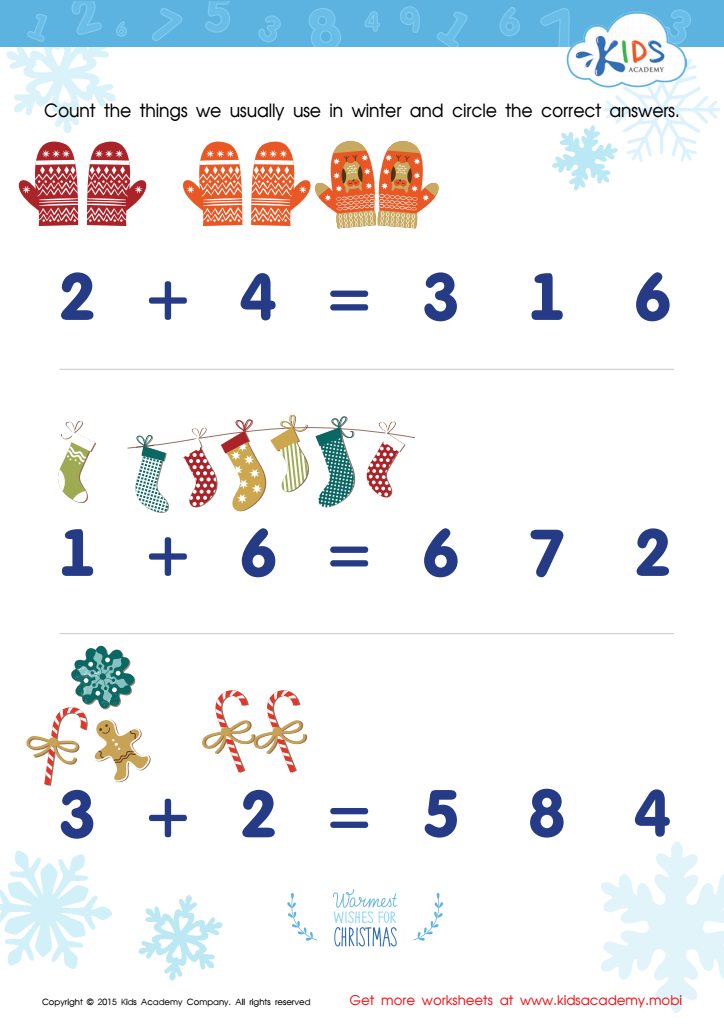
Count Winter Things Worksheet
 Assign to My Students
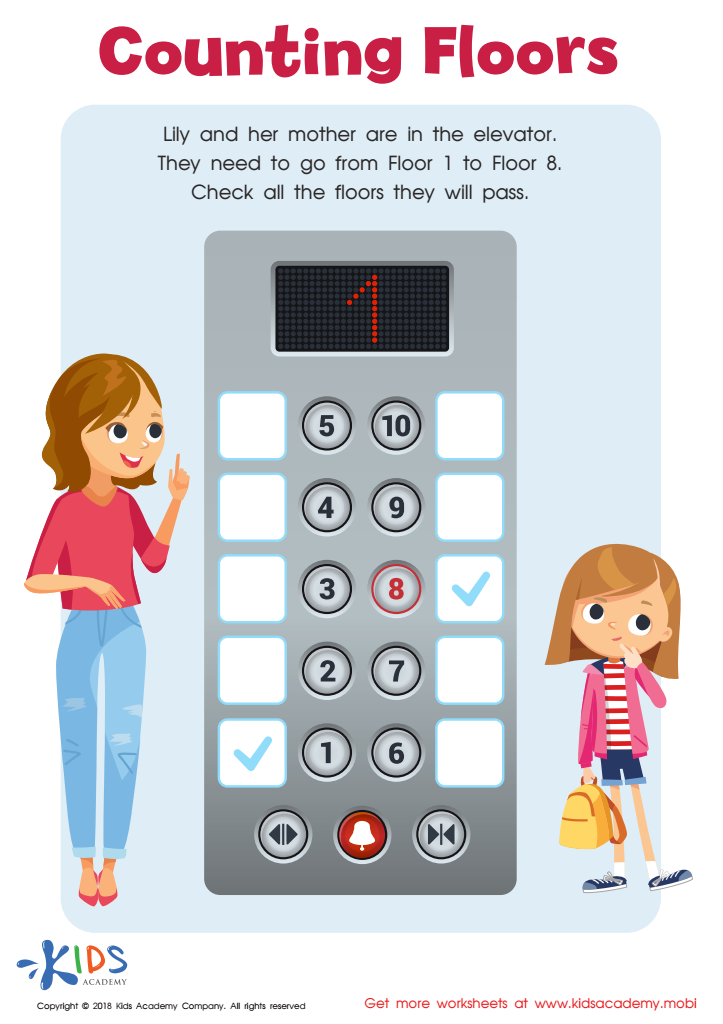
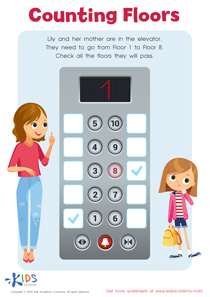
Counting Floors Worksheet
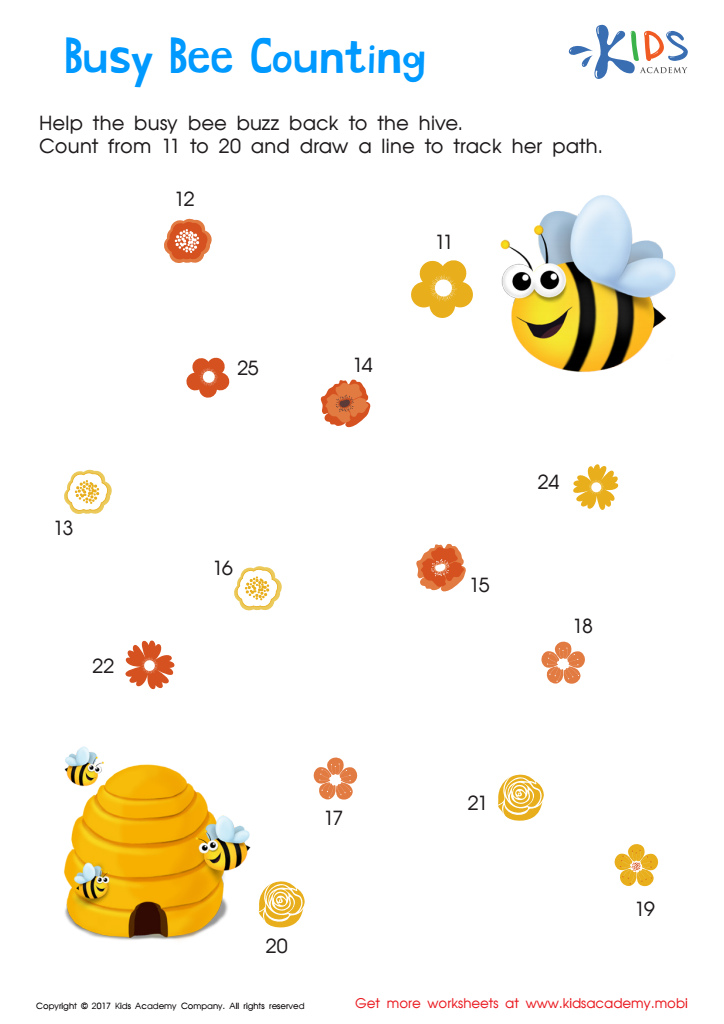
Ordering 11–20: Busy Bee Counting Worksheet
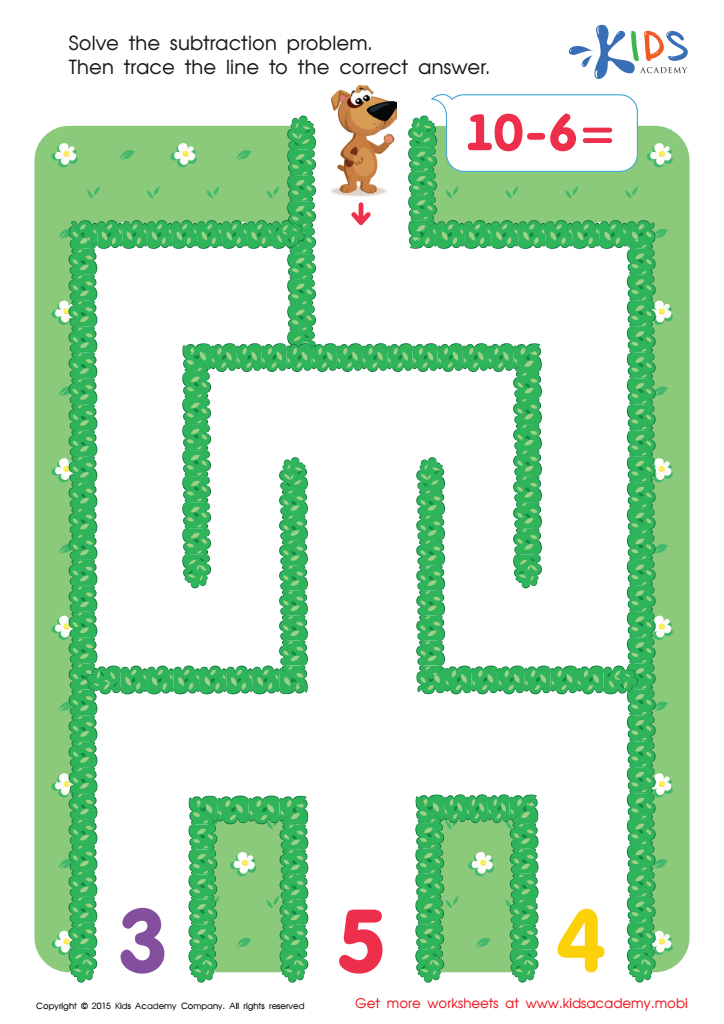
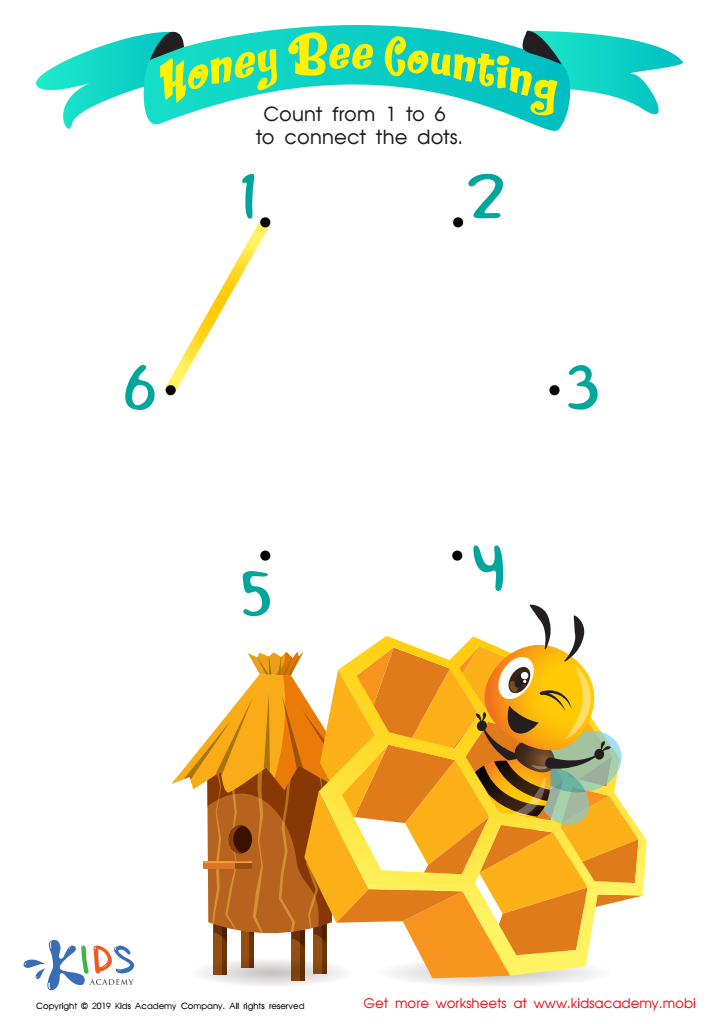
Honey Bee Counting Worksheet
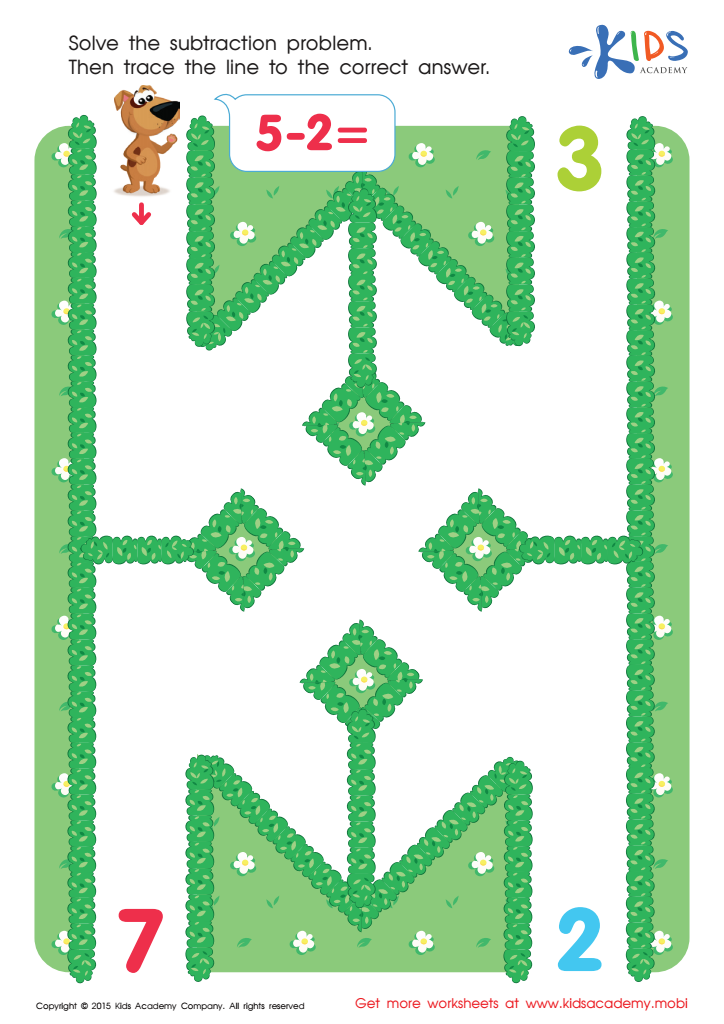
Five Minus Two Worksheet
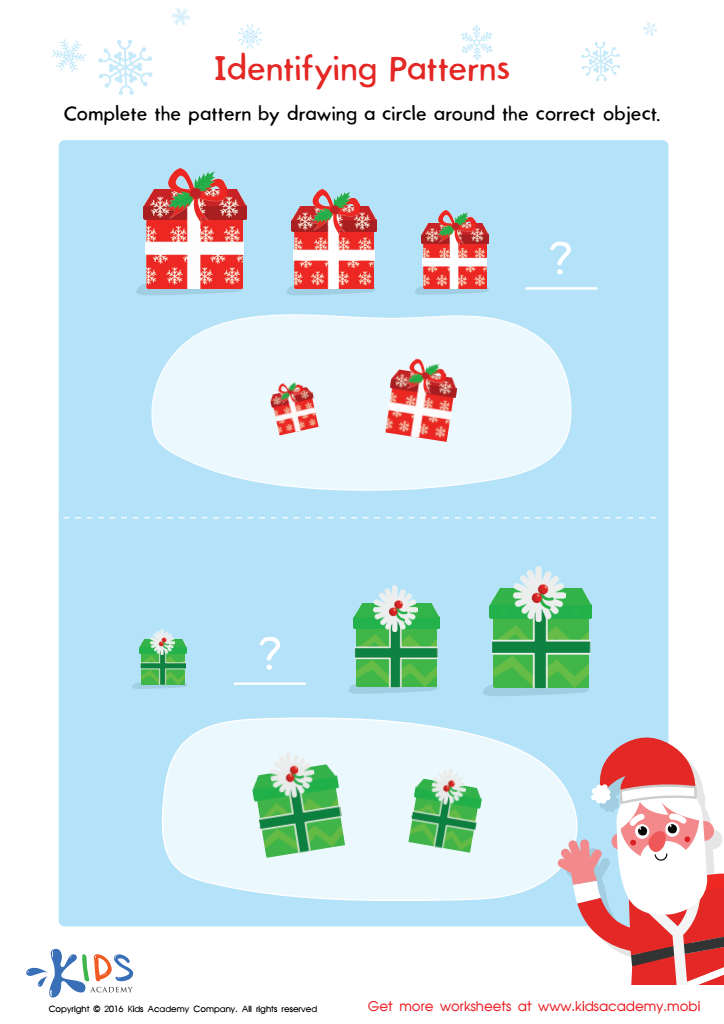
Identifying Patterns Worksheet
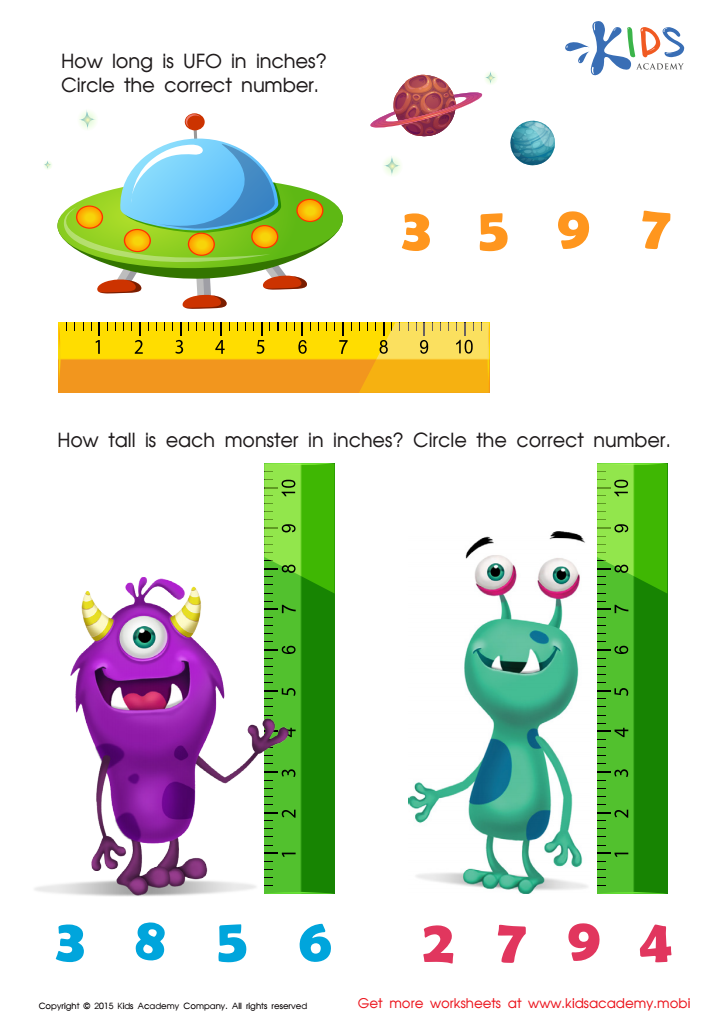
Measuring in Inches Worksheet
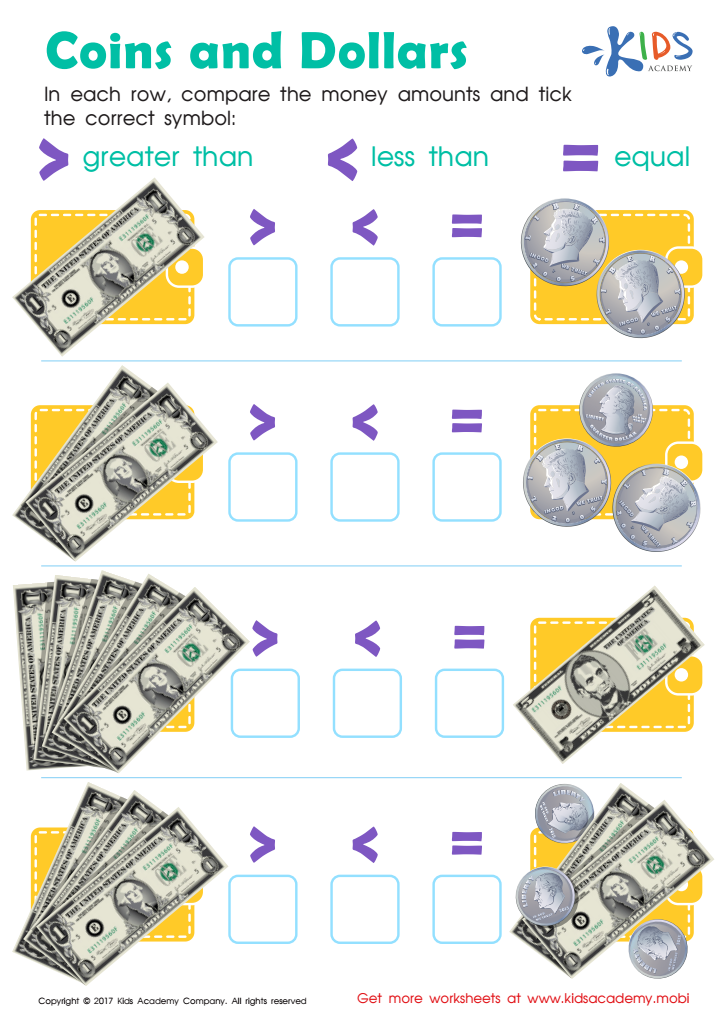
Money: Coins Dollars Printable
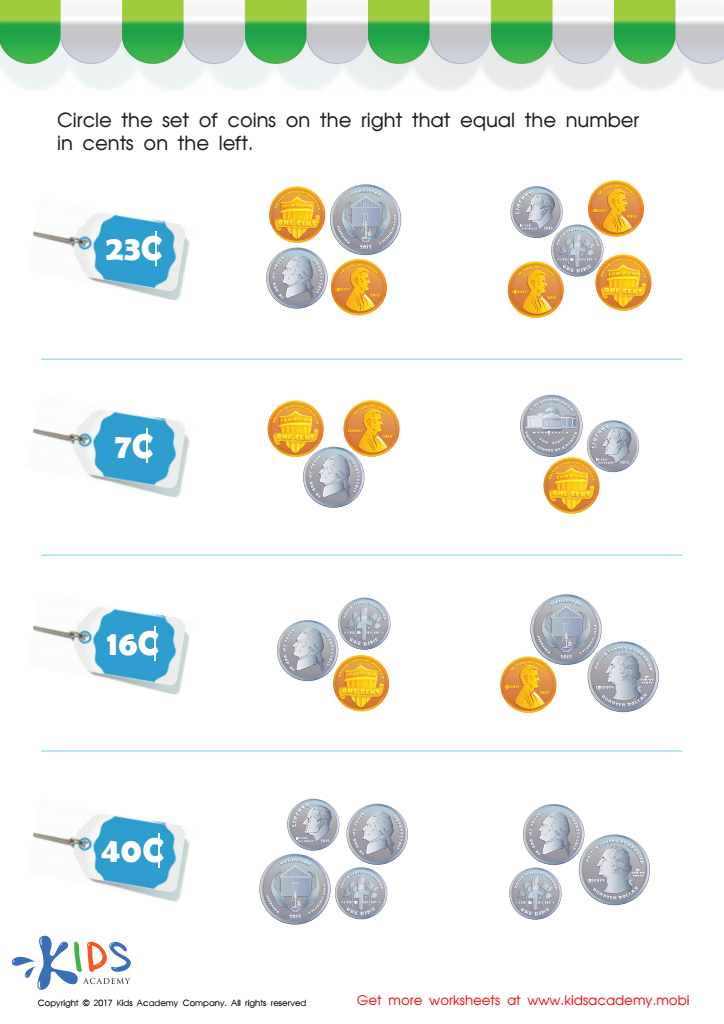
Picking the Coins You Need Money Worksheet
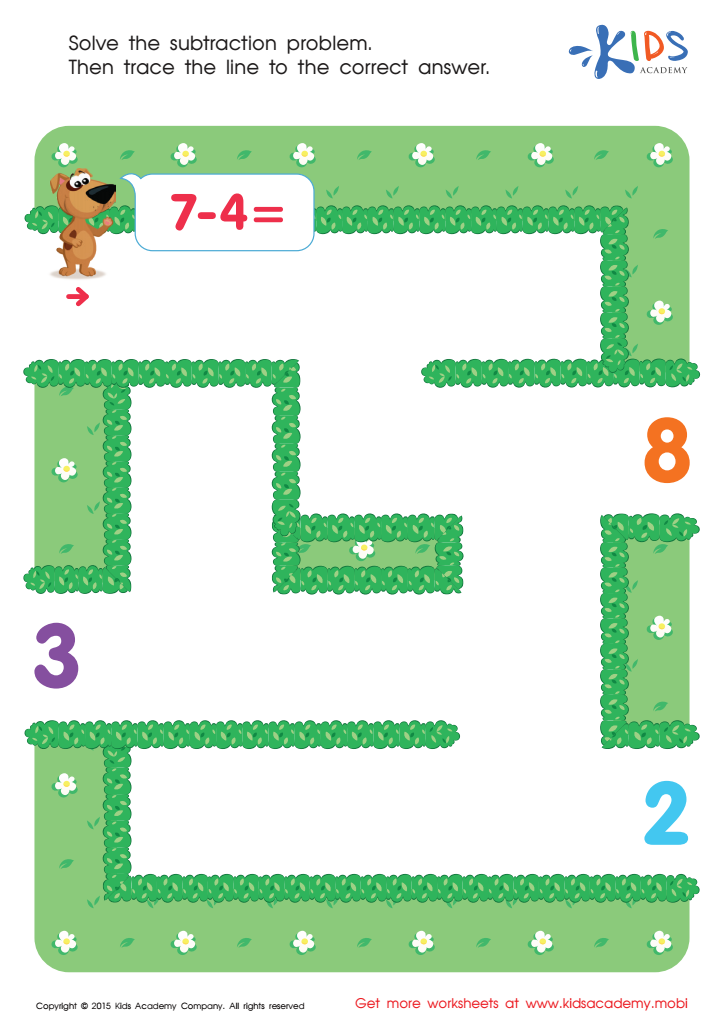
Subtraction Seven Minus Four Worksheet
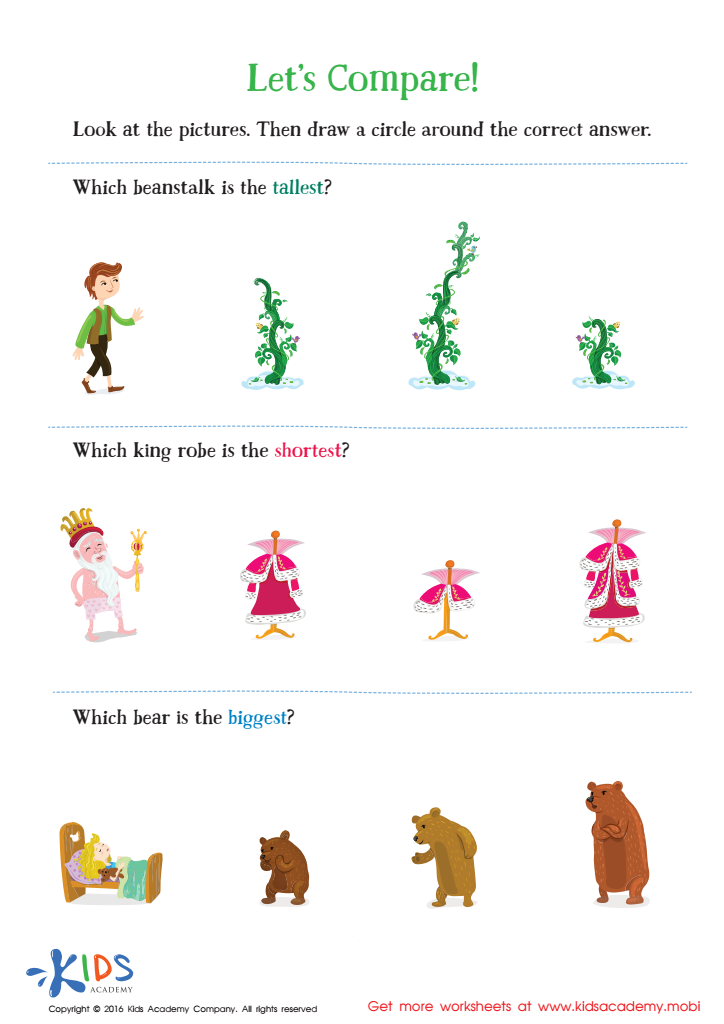
Fairy Tale Worksheet: Let's Compare
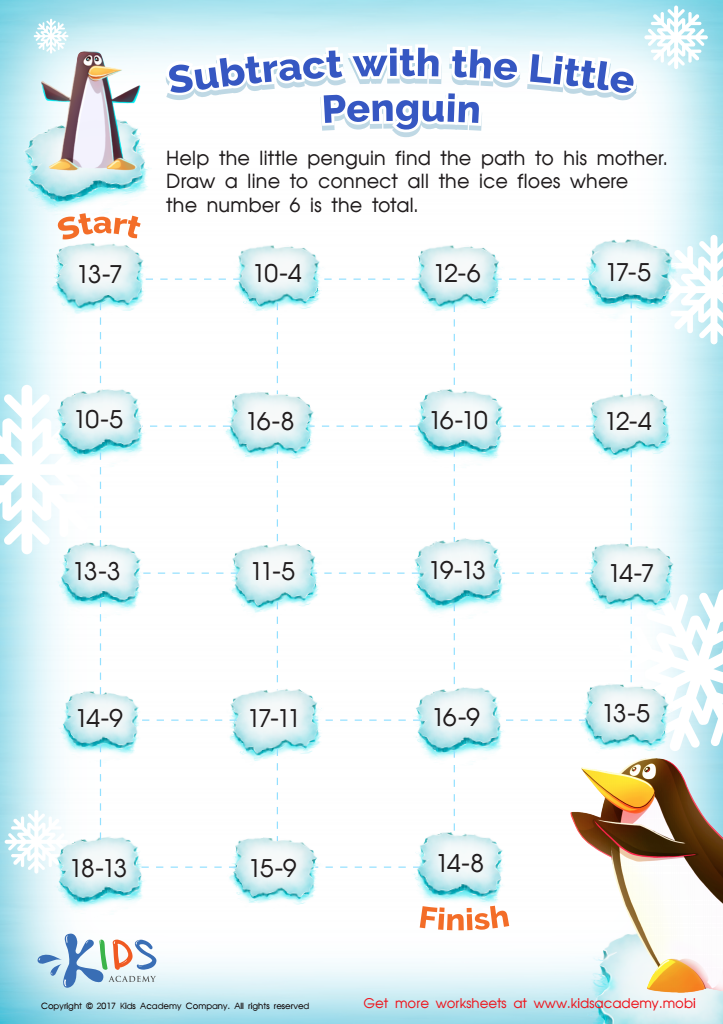
Subtract With The Little Penguin Substraction Worksheet
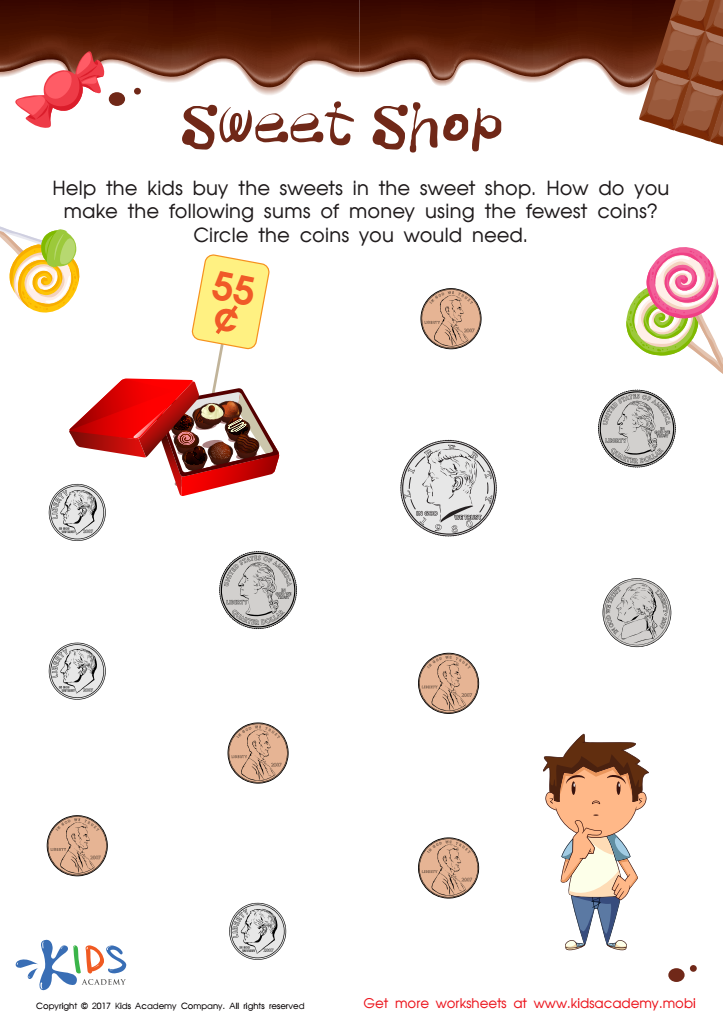
Sweet Shop – Counting Coins Worksheet
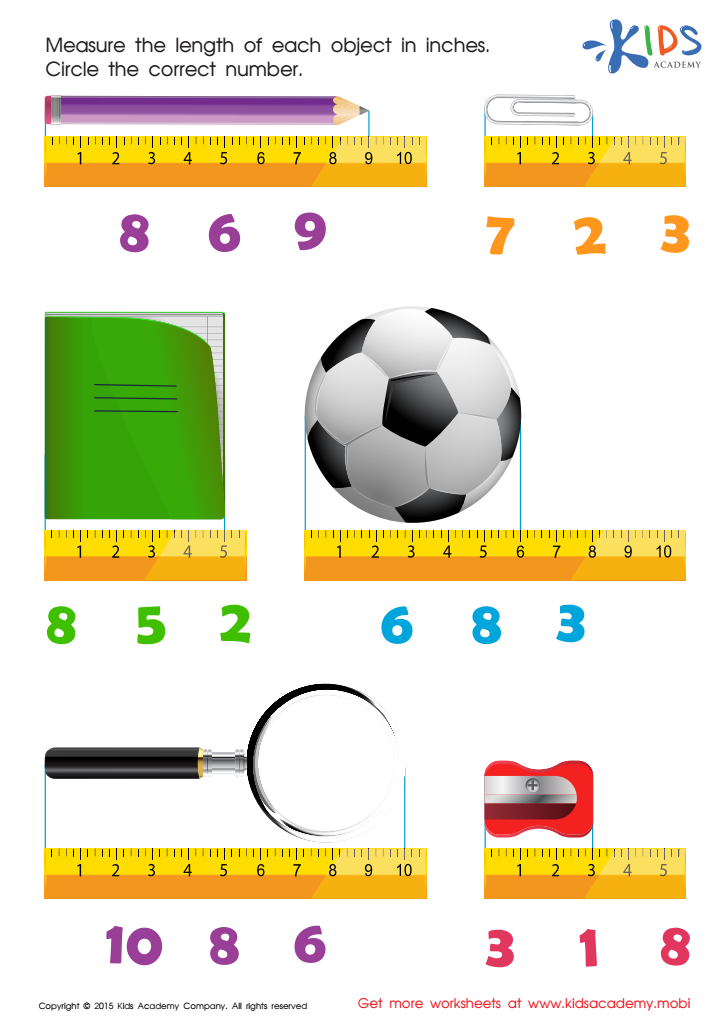
Learning measuring objects in inches Worksheet







Basic Math Skills Extra Challenge Math for 3-year-olds is essential because it lays a vital foundation for future learning and academic success. During early childhood, children's brains are exceptionally receptive to absorbing new information and forming crucial cognitive connections. Introducing basic math concepts at this stage stimulates curiosity, develops problem-solving skills, and encourages logical thinking.
Parents and teachers who engage young children in math-focused activities are promoting numerical literacy which is the ability to understand and work with numbers. Simple tasks, such as counting objects, sorting shapes, and recognizing patterns, enhance children's ability not just in math, but also in related subjects and everyday decision-making.
Early exposure to math also builds confidence. When children master fundamental concepts early on, they feel a sense of accomplishment that motivates them to tackle more challenging problems in the future. Moreover, interactive math exercises foster a positive attitude toward learning, showing kids that math can be fun and rewarding.
Furthermore, these early math experiences are crucial in closing achievement gaps. Kids who start ahead in math tend to stay ahead, making it essential to offer all children–regardless of background–the tools they need early on.
In summary, prioritizing math skills in young children sets them up for academic, professional, and personal success, fostering capable, confident, and well-rounded individuals.