Number Recognition Extra Challenge Worksheets for Ages 4-5
62 filtered results
-
From - To
Enhance your preschooler's numeric skills with our Number Recognition Extra Challenge Worksheets for Ages 4-5. Specially designed for young learners, these engaging worksheets help children to recognize and understand numbers in a fun and interactive way. Covering a variety of challenging activities, kids will enjoy counting objects, tracing digits, and solving simple problems that build their confidence and number literacy. Perfect for both classroom use and home practice, our worksheets are an excellent resource for parents and teachers looking to give their children a head start in math skills. Download and start learning today!
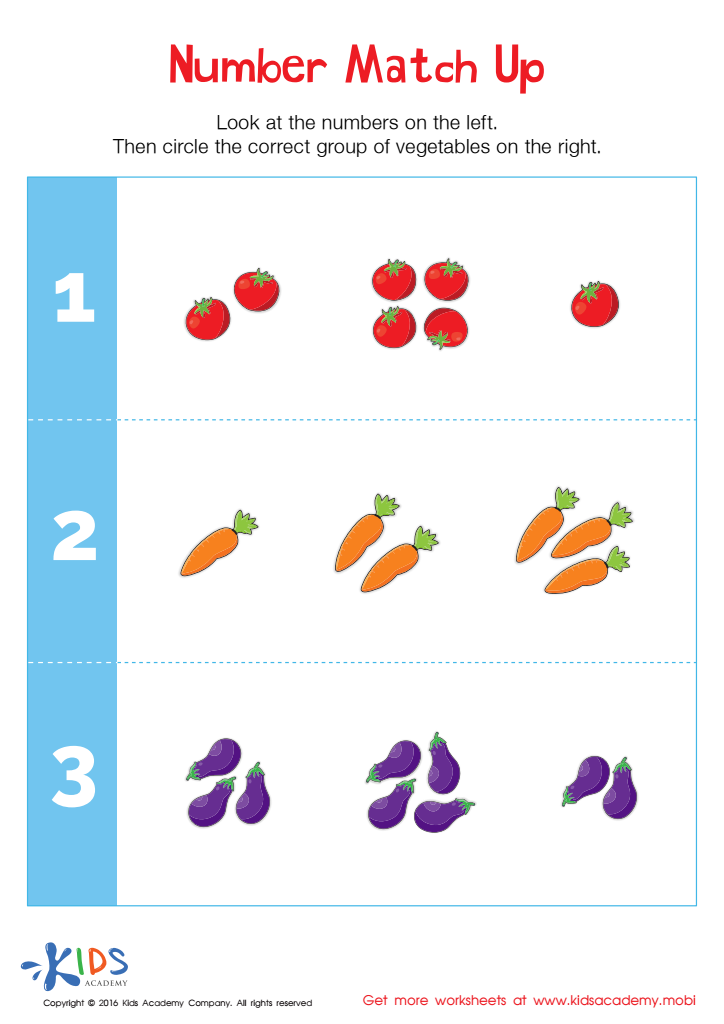
Number Match Up Worksheet
 Assign to My Students
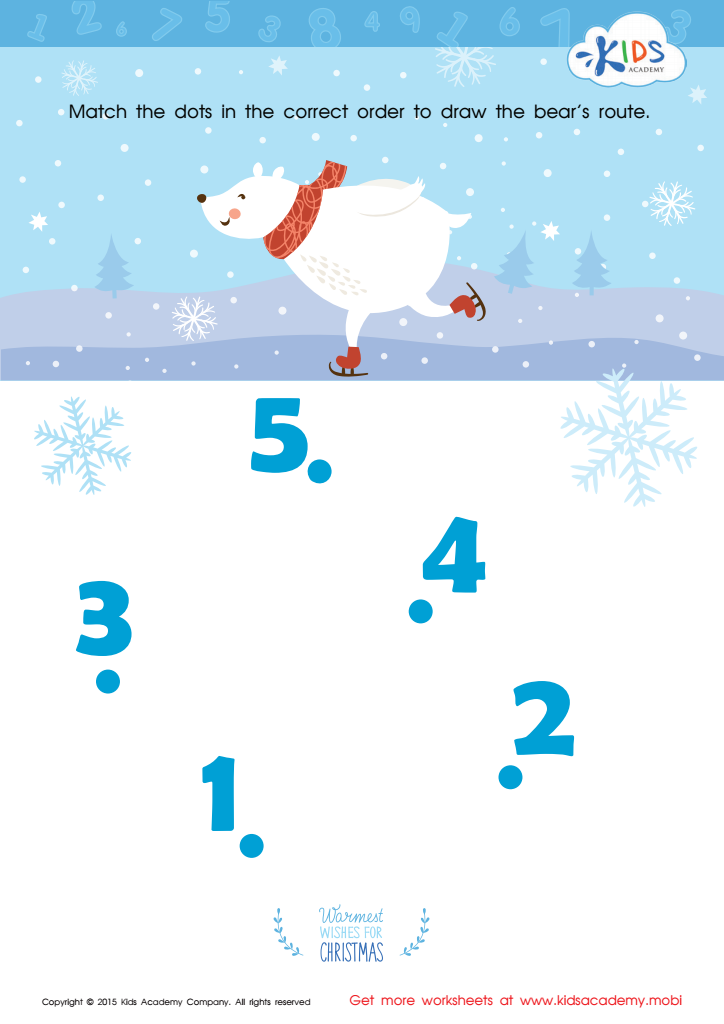
Drawing the Bear's Route by Number Worksheet
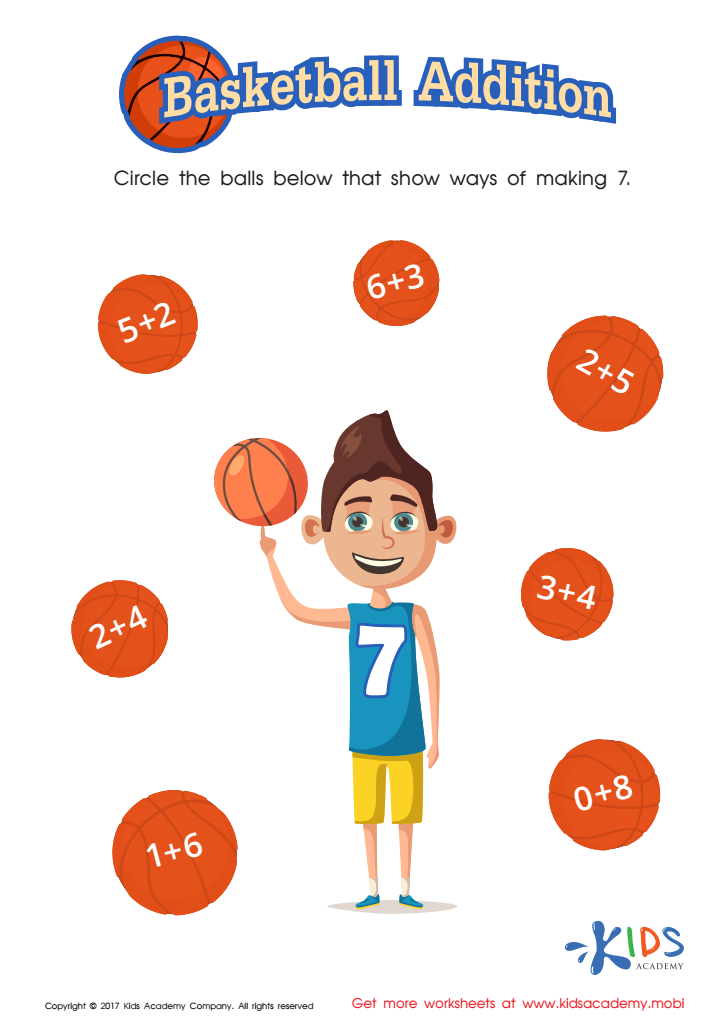
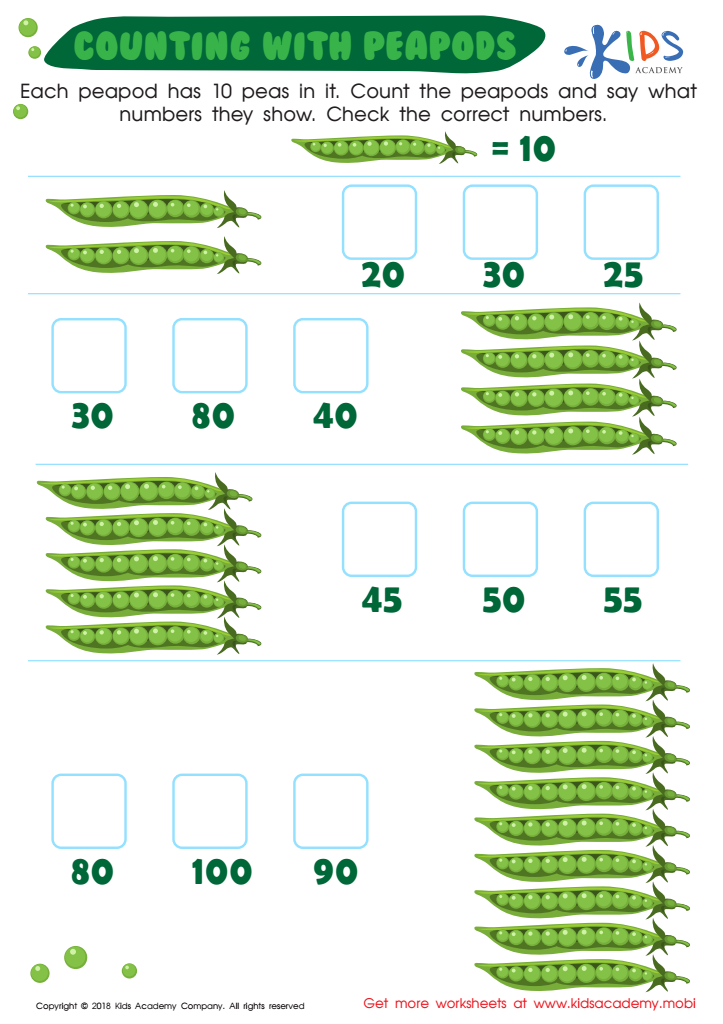
Number Worksheet: Counting With Peapods
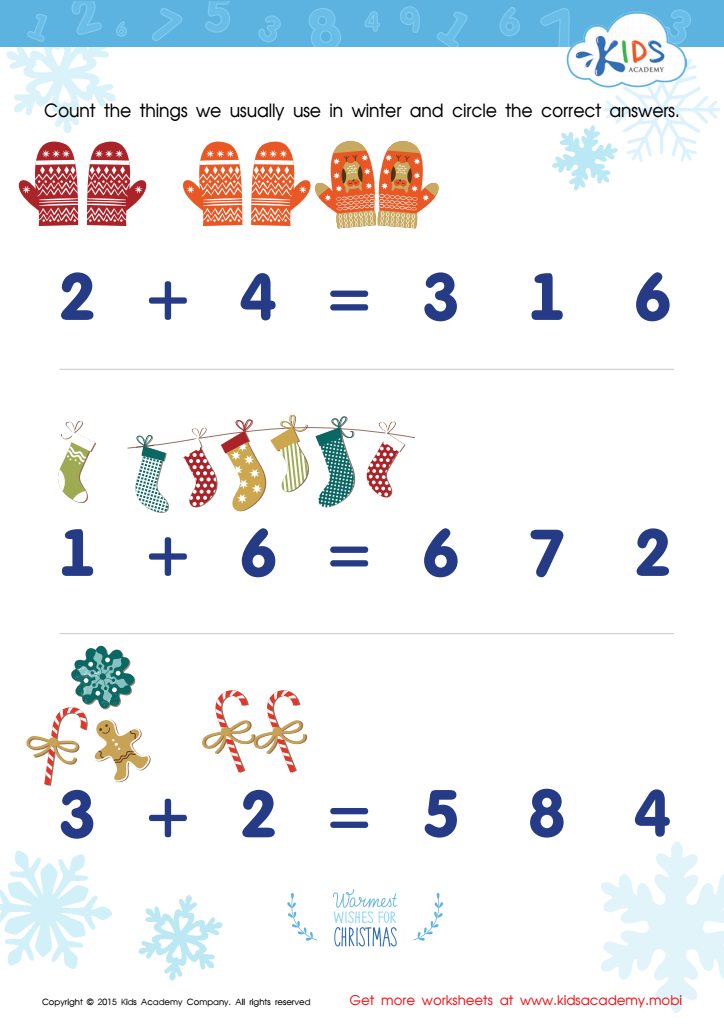
Count Winter Things Worksheet
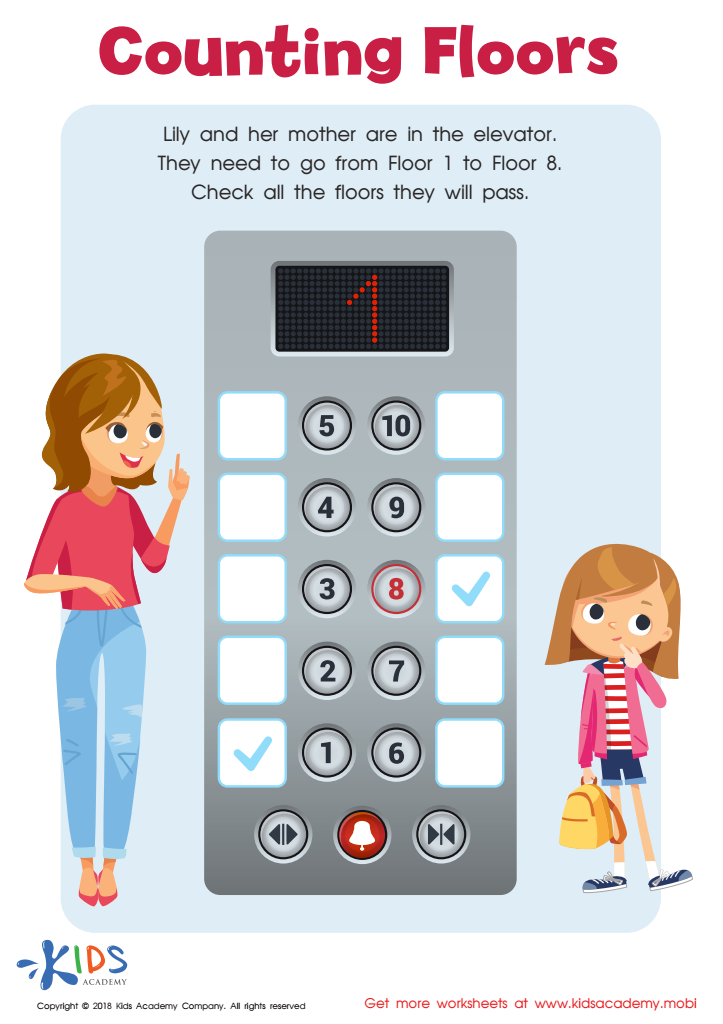
Counting Floors Worksheet
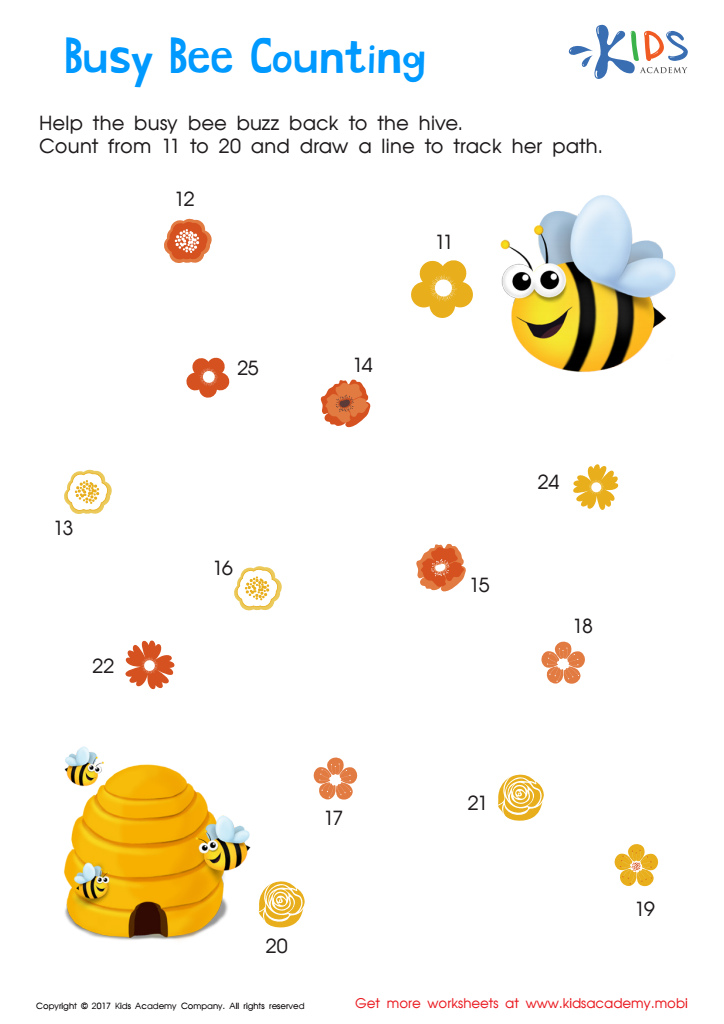
Ordering 11–20: Busy Bee Counting Worksheet
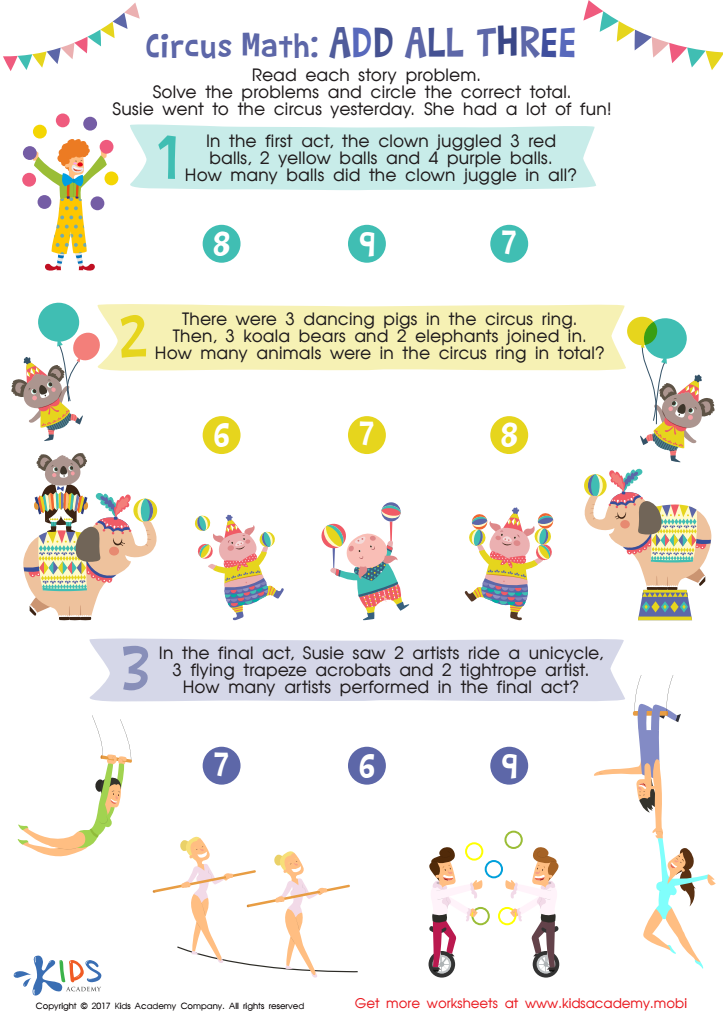
Circus Math Printable
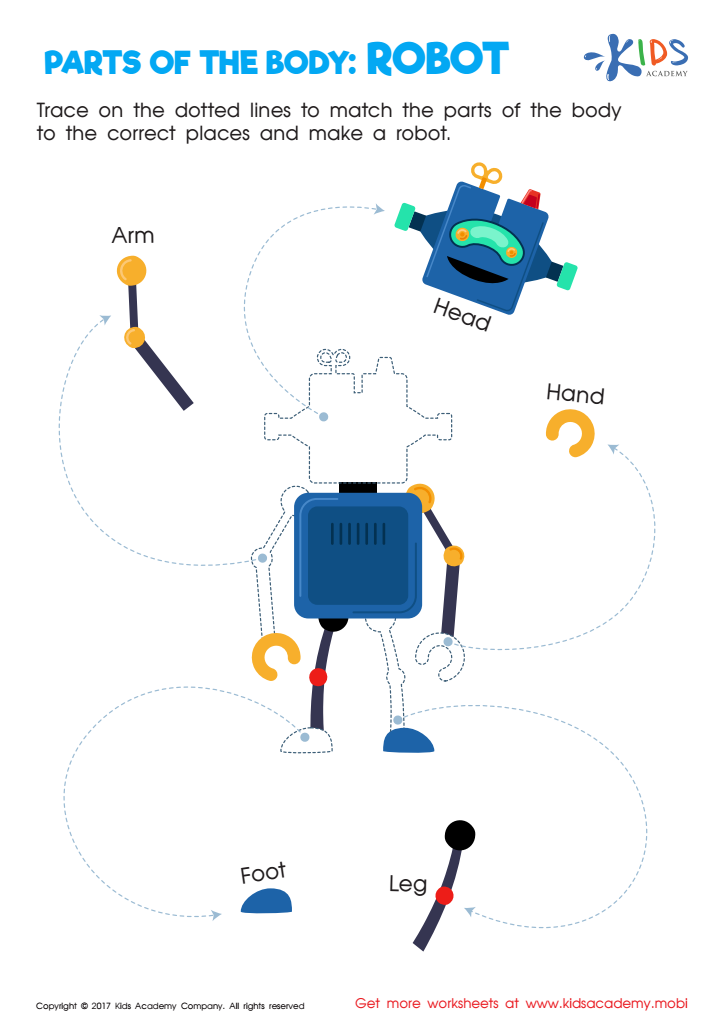
Robot Printable

Count and Match Vegetables 1 – 7 Math Worksheet
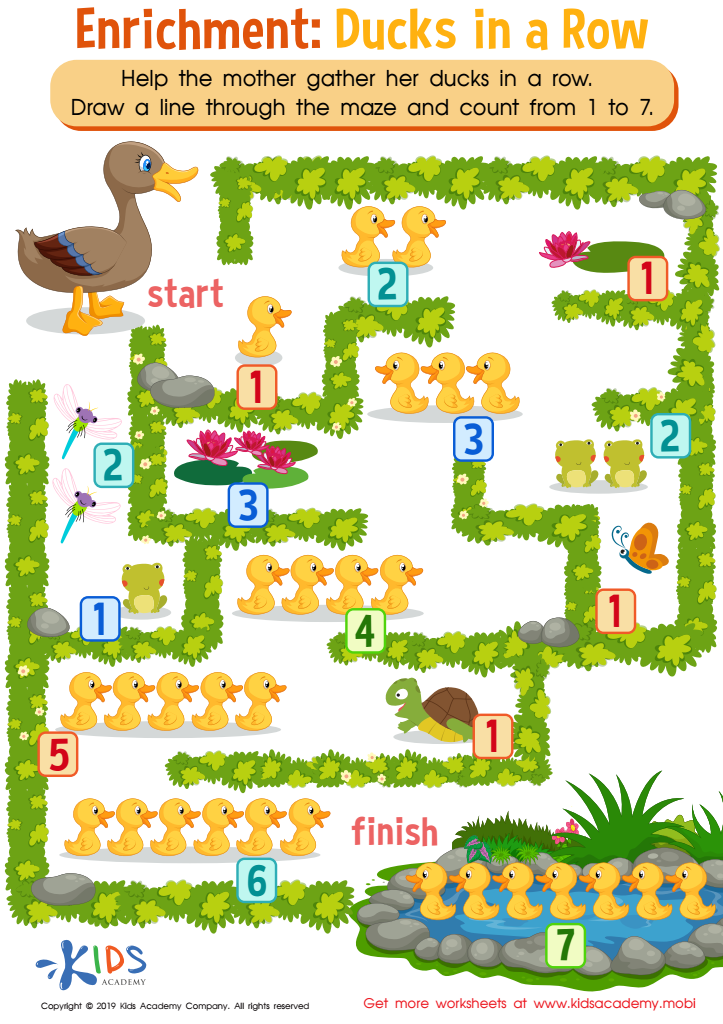
Ducks in a Row Worksheet
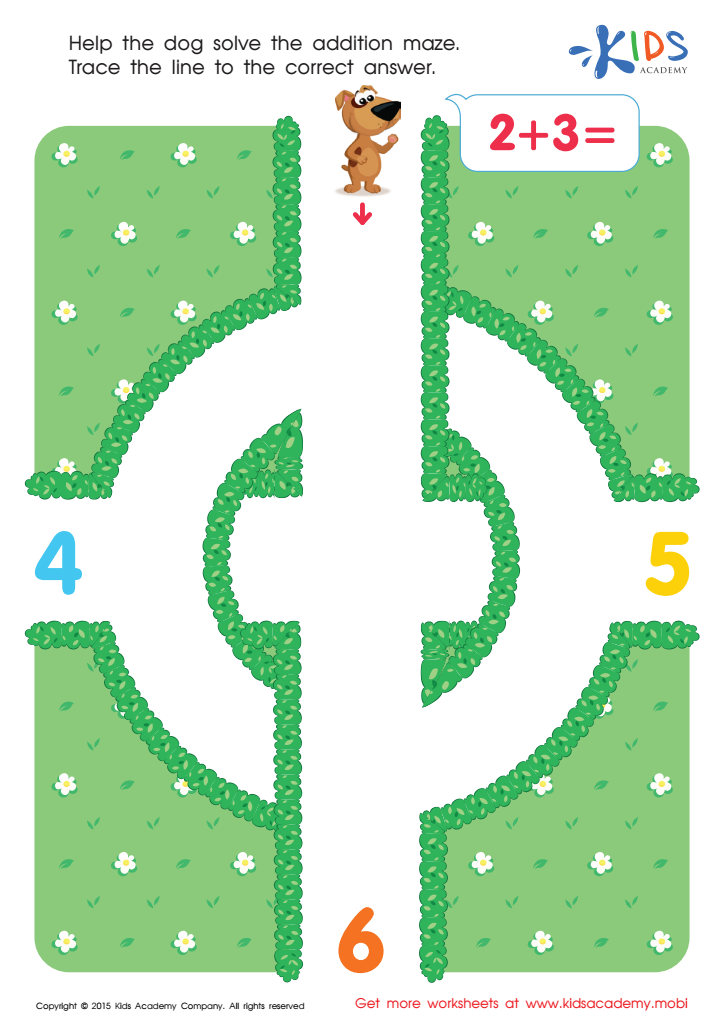
Two And Three Addition Worksheet
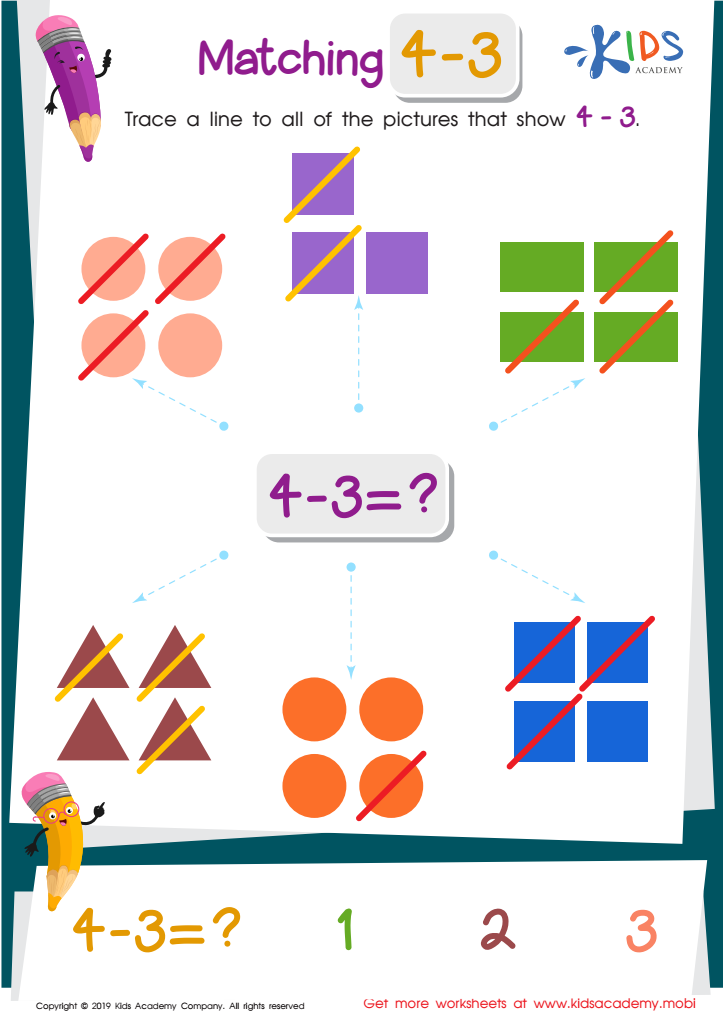
Matching 4 – 3 Worksheet
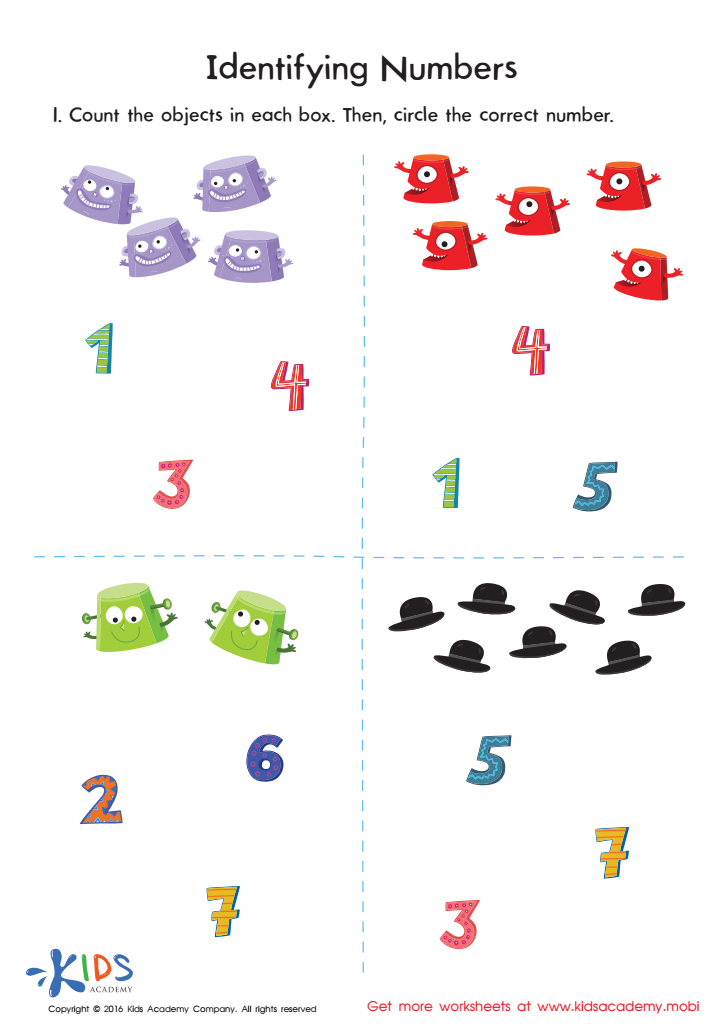
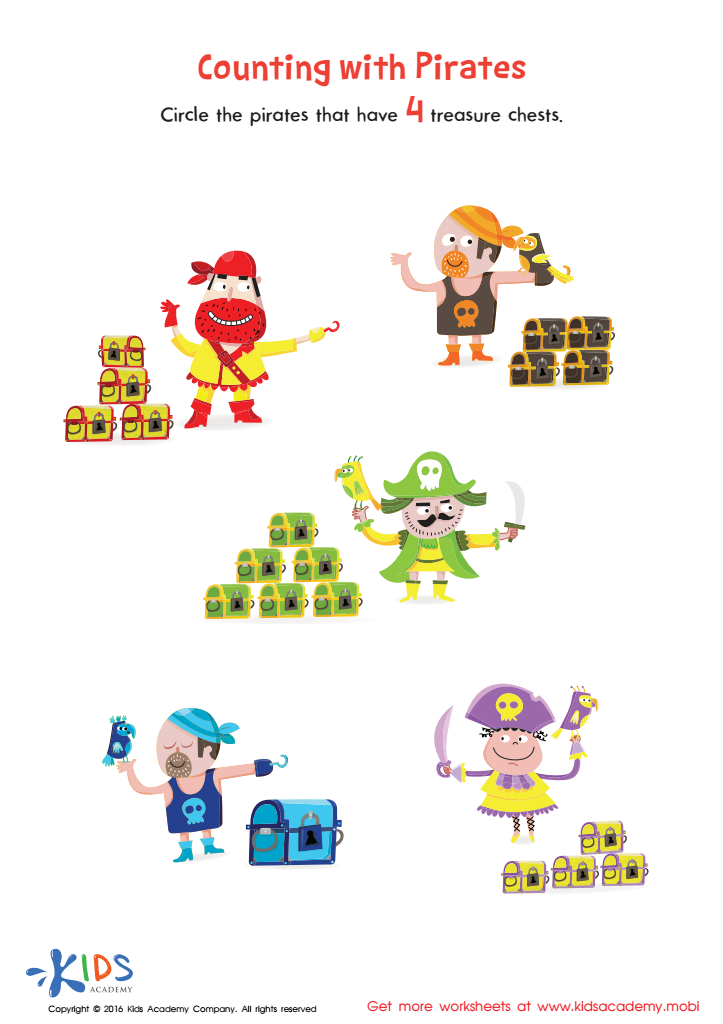
Counting With Pirates Worksheet
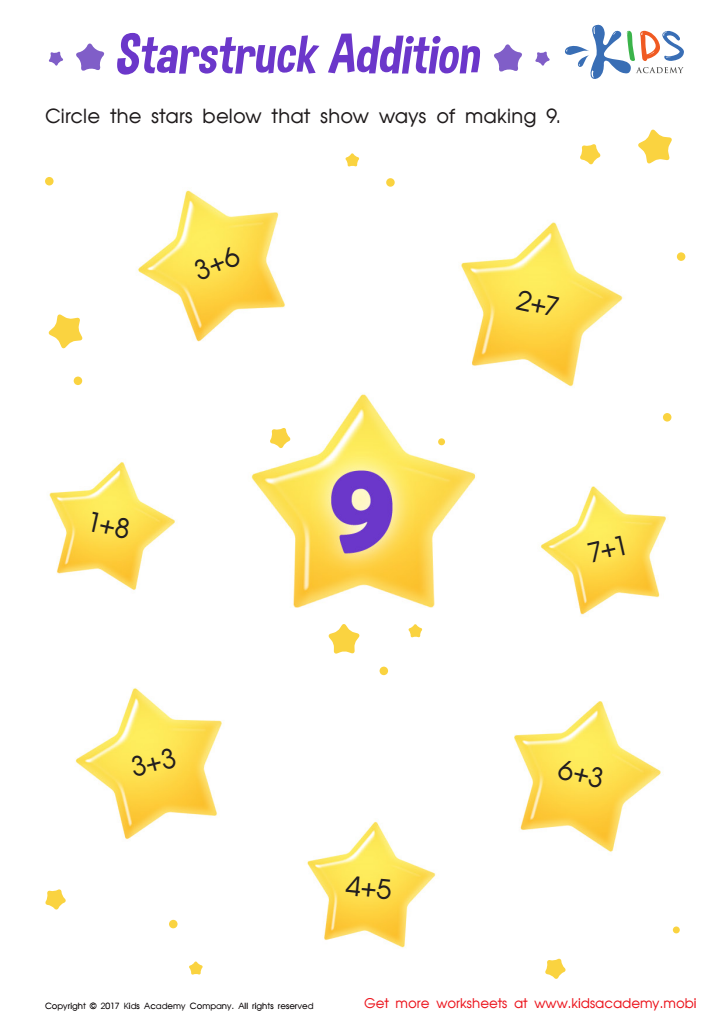
Starstruck Addition Printable
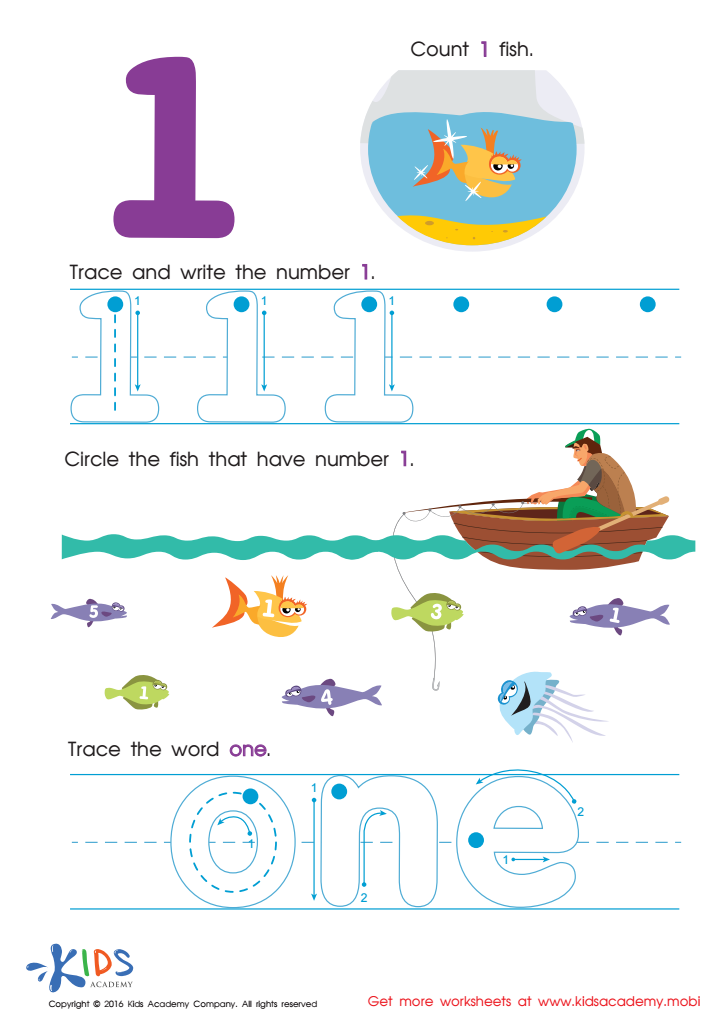
Learning to Write 1 Worksheet
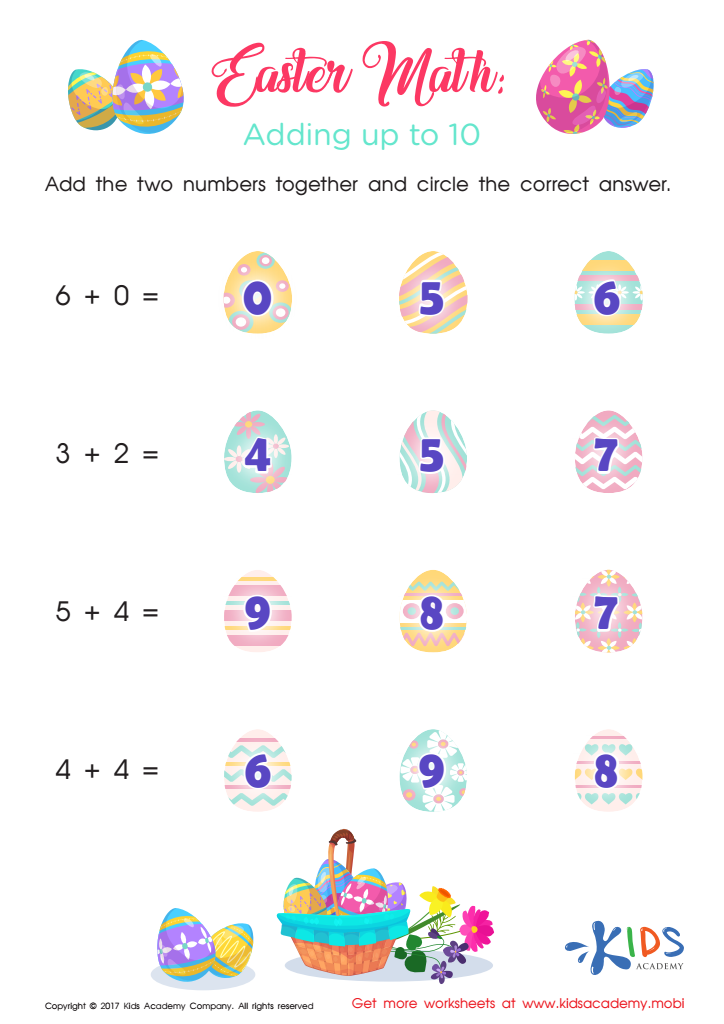
Addition Up To 10 Worksheet
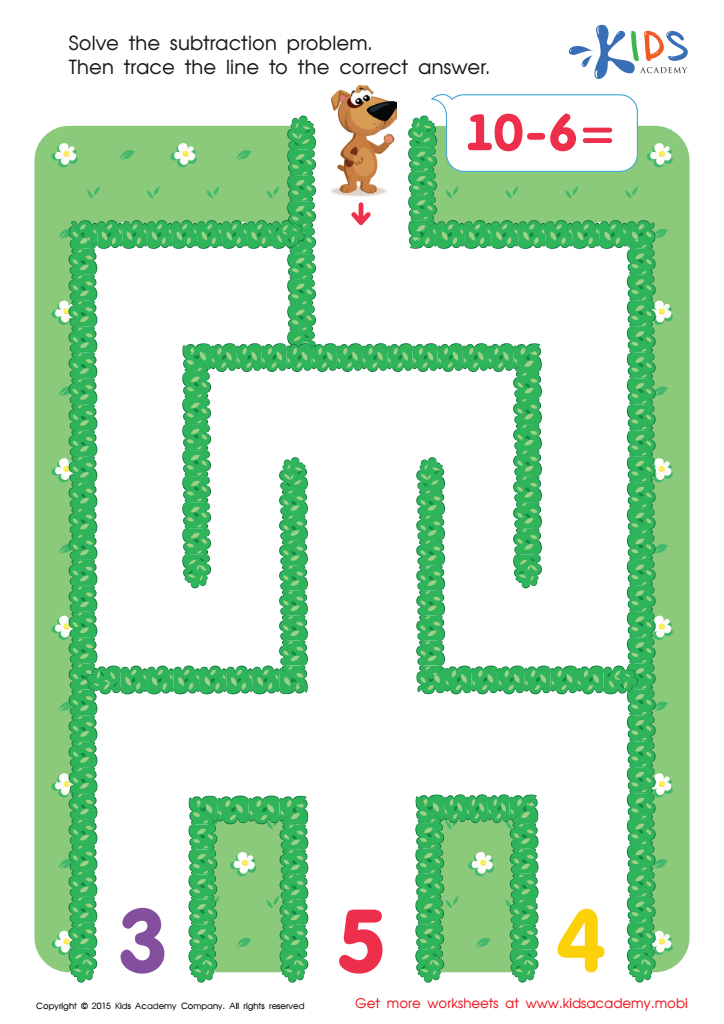
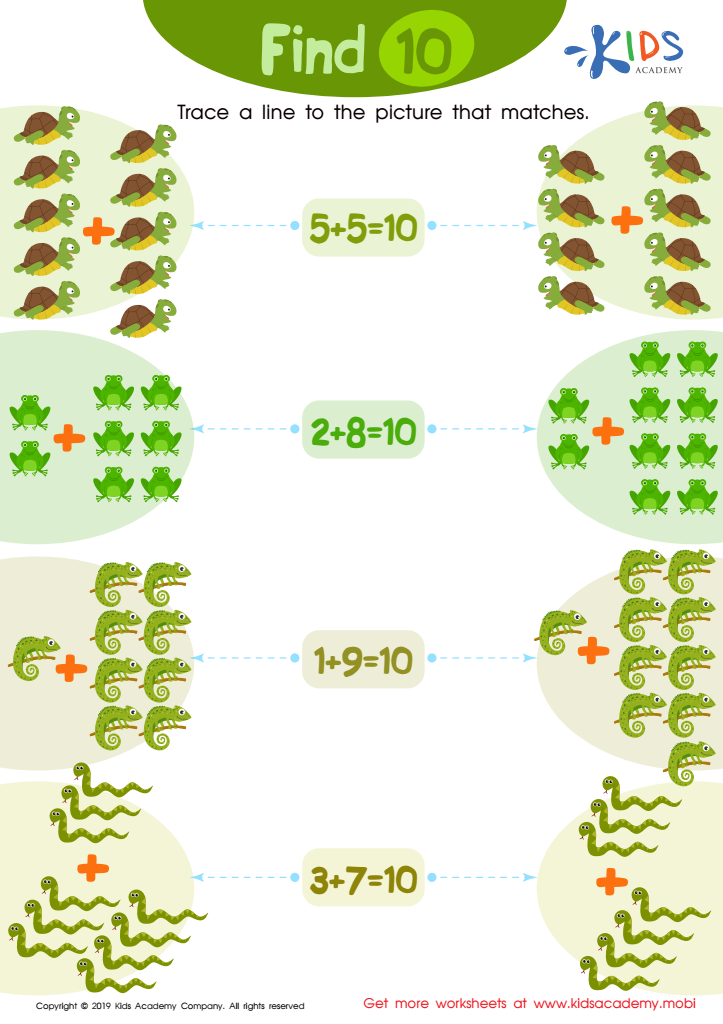
Find 10 Worksheet
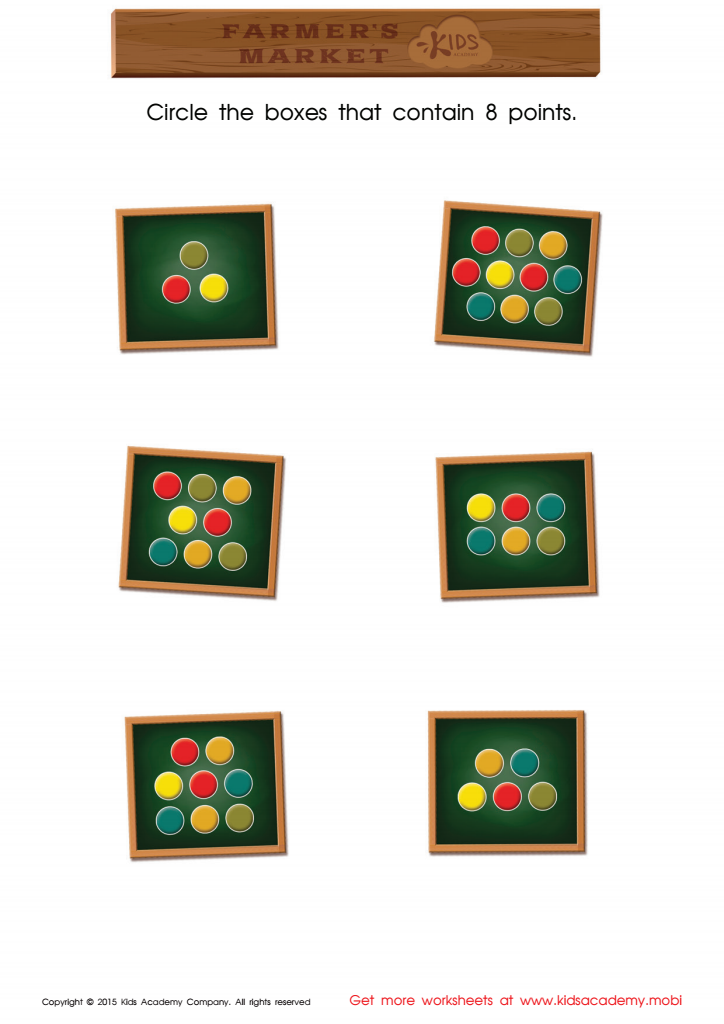
Count and Match Points 8 Math Worksheet
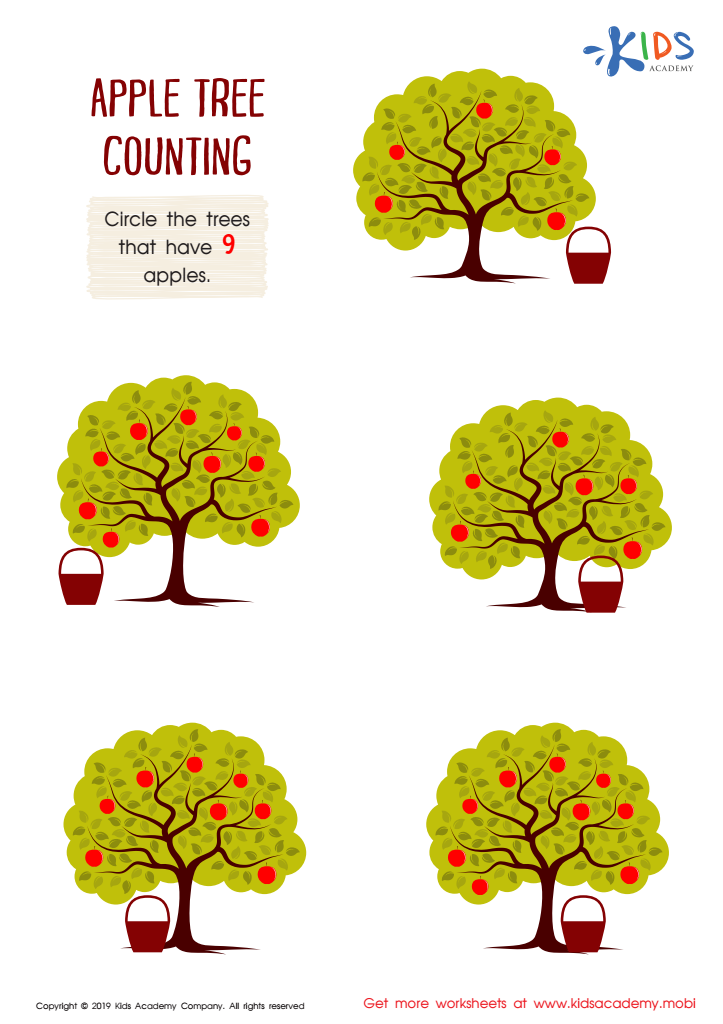
Apple Tree Counting Worksheet
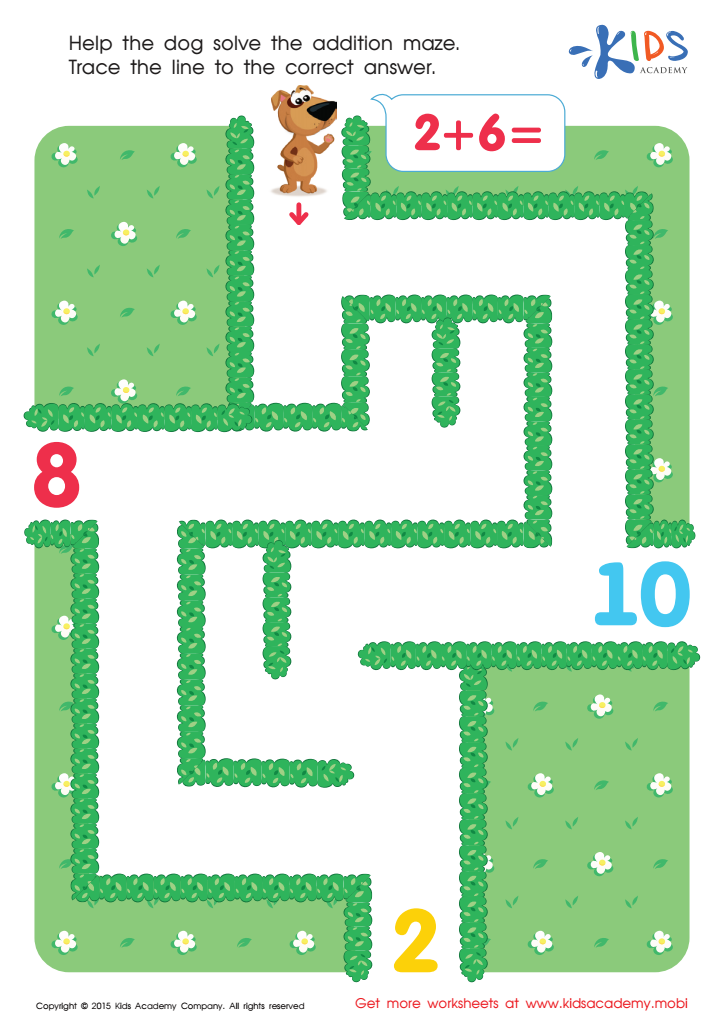
Two Plus Six Addition Worksheet
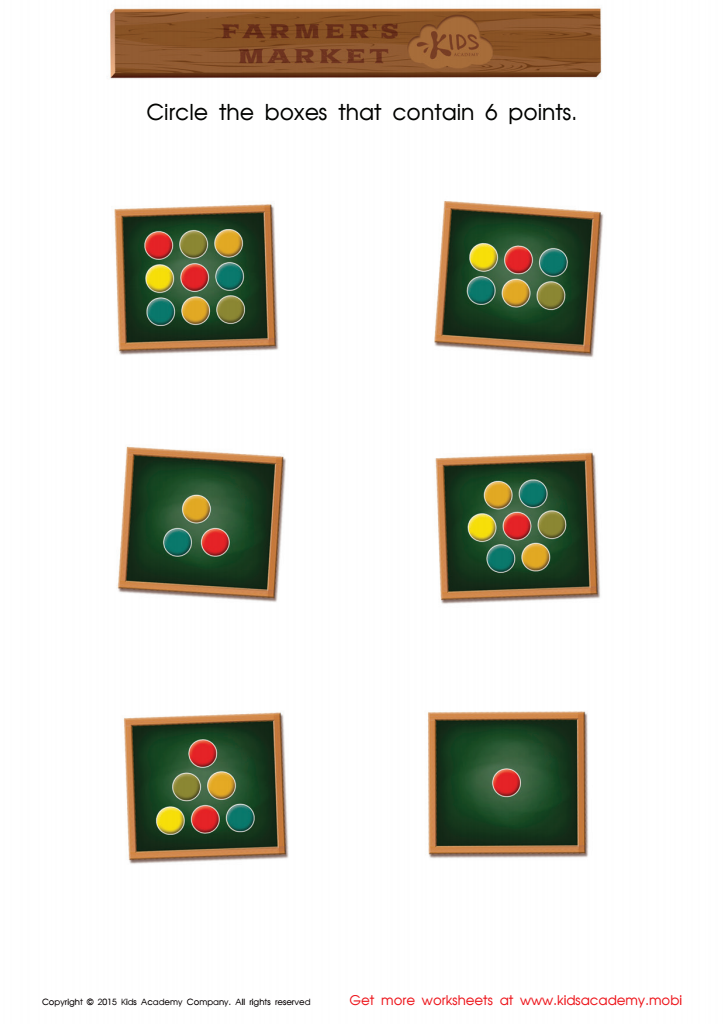
Count and Match Points 6 Math Worksheet



.jpg)




Number recognition is a foundational skill in early mathematics education, and giving children an extra challenge at this stage offers several important benefits. Firstly, it strengthens their understanding and familiarity with numbers. Children aged 4-5 are at a pivotal stage where their brains are exceptionally receptive to learning new concepts. By introducing an extra challenge in number recognition, we not only boost their confidence in handling numbers but also stimulate their cognitive development.
Moreover, number recognition skills are crucial for future math learning. If children master them early on, they find it easier to grasp more complex math concepts later. This includes understanding number sequences, basic arithmetic, and eventually more advanced topics like algebra and geometry.
Giving children an extra challenge also encourages problem-solving skills and critical thinking. They become more adept at recognizing patterns, making predictions, and develop a curiosity for learning more.
Parents and teachers should also note the social and emotional benefits. Successfully overcoming a challenge builds resilience and fosters a growth mindset. Additionally, engaging number recognition activities can make learning enjoyable, helping children develop a lifelong love for math.
In summary, focusing on an extra challenge in number recognition at ages 4-5 supports robust cognitive development, prepares children for future academic success, and promotes a positive attitude toward learning.








