Fine Motor Skills Extra Challenge Numbers Worksheets for Ages 4-5
14 filtered results
-
From - To
Introducing our Fine Motor Skills Extra Challenge Numbers Worksheets for Ages 4-5, carefully crafted to enhance your child's early learning journey. These engaging and challenging worksheets promote fine motor skill development and number recognition through fun activities. Watch as your child confidently traces, counts, and writes numbers while strengthening their hand muscles and coordination. Perfect for preschool and kindergarten students, each worksheet is designed to keep young learners motivated and enthusiastic about math. Make learning numbers an exciting adventure with our expertly developed resources, ensuring a strong foundation for your little one’s academic success. Download now and start the fun!
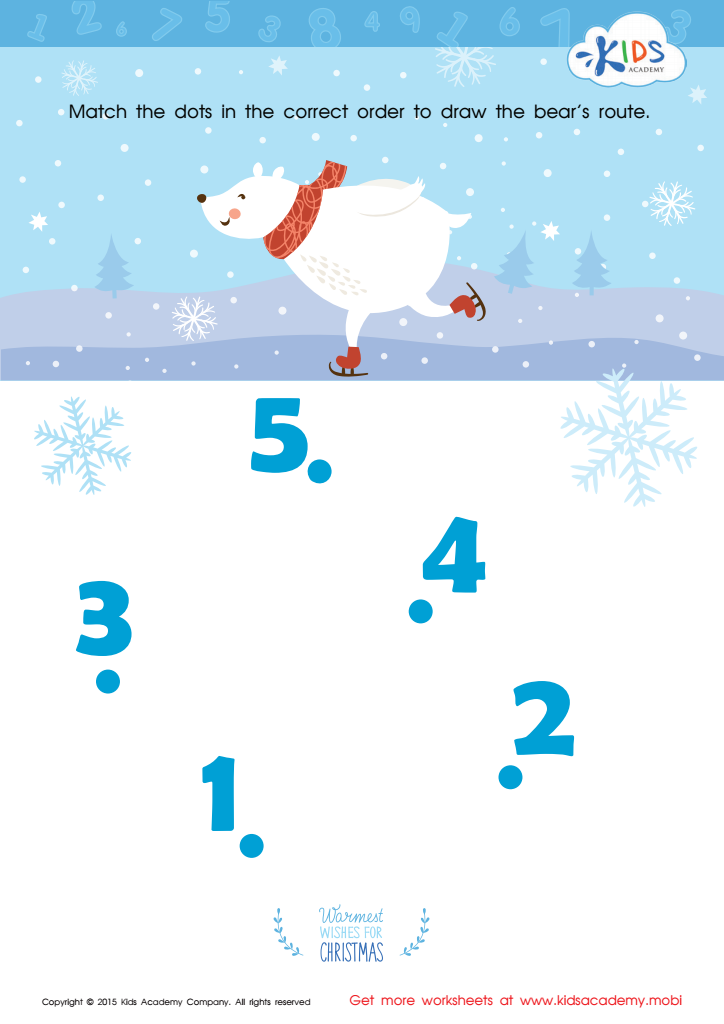
Drawing the Bear's Route by Number Worksheet
 Assign to My Students
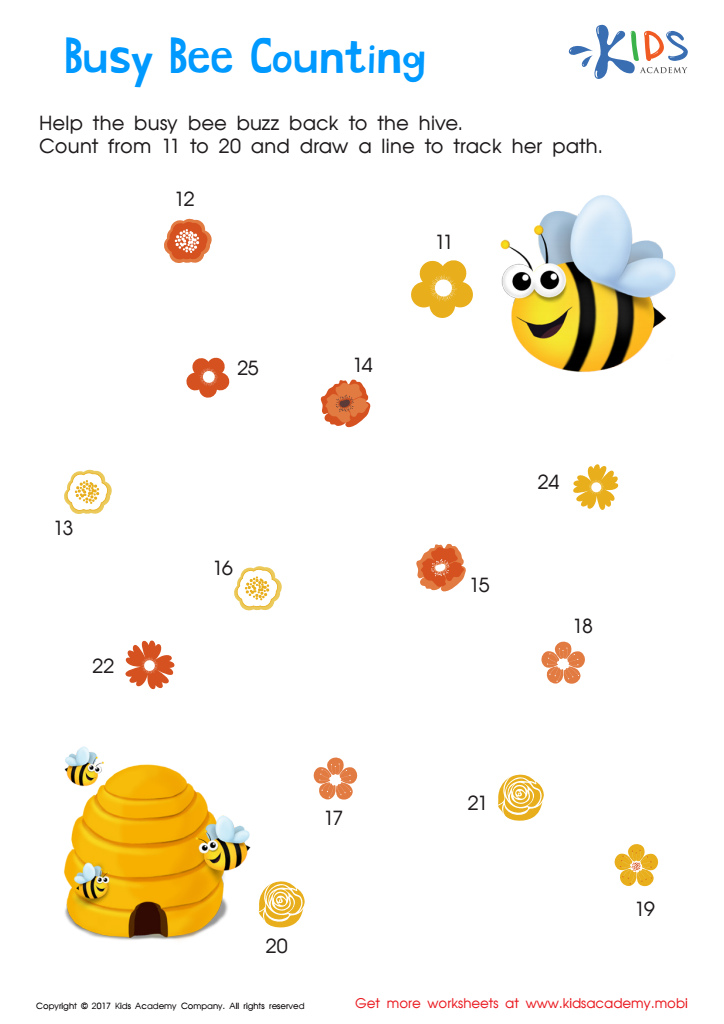
Ordering 11–20: Busy Bee Counting Worksheet
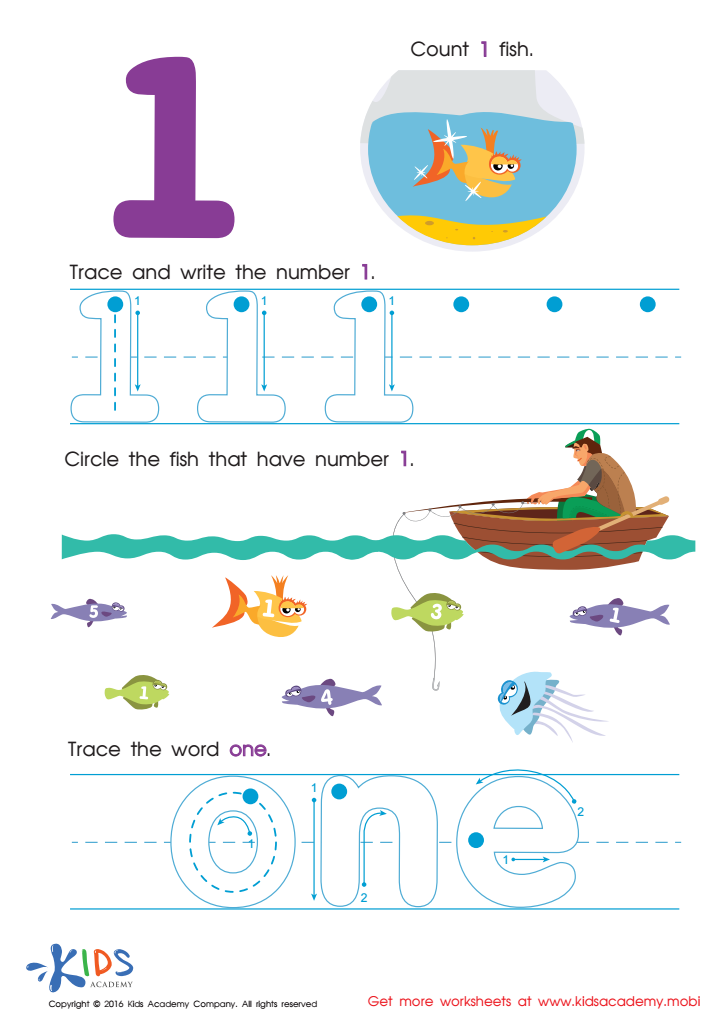
Learning to Write 1 Worksheet
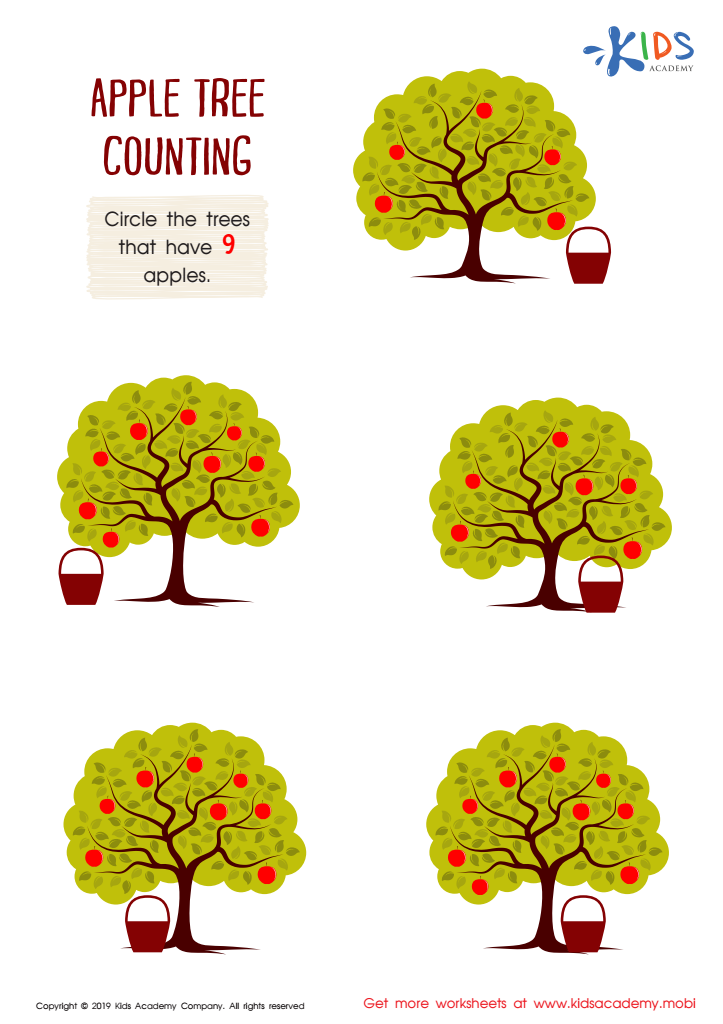
Apple Tree Counting Worksheet
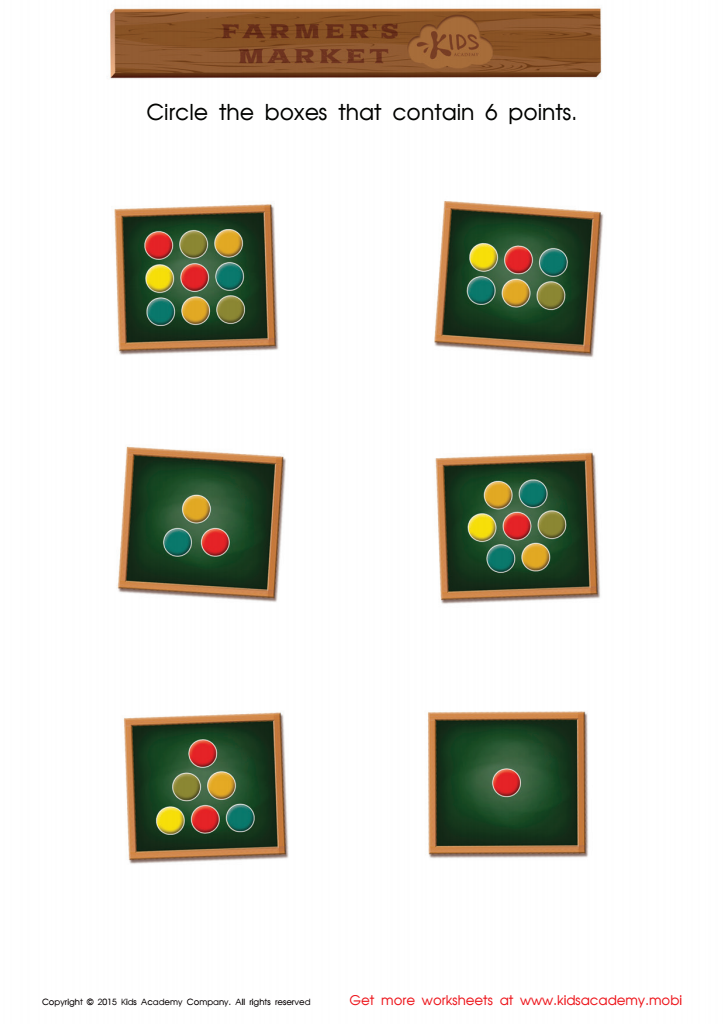
Count and Match Points 6 Math Worksheet

Learn Number For Kindergarten Worksheet
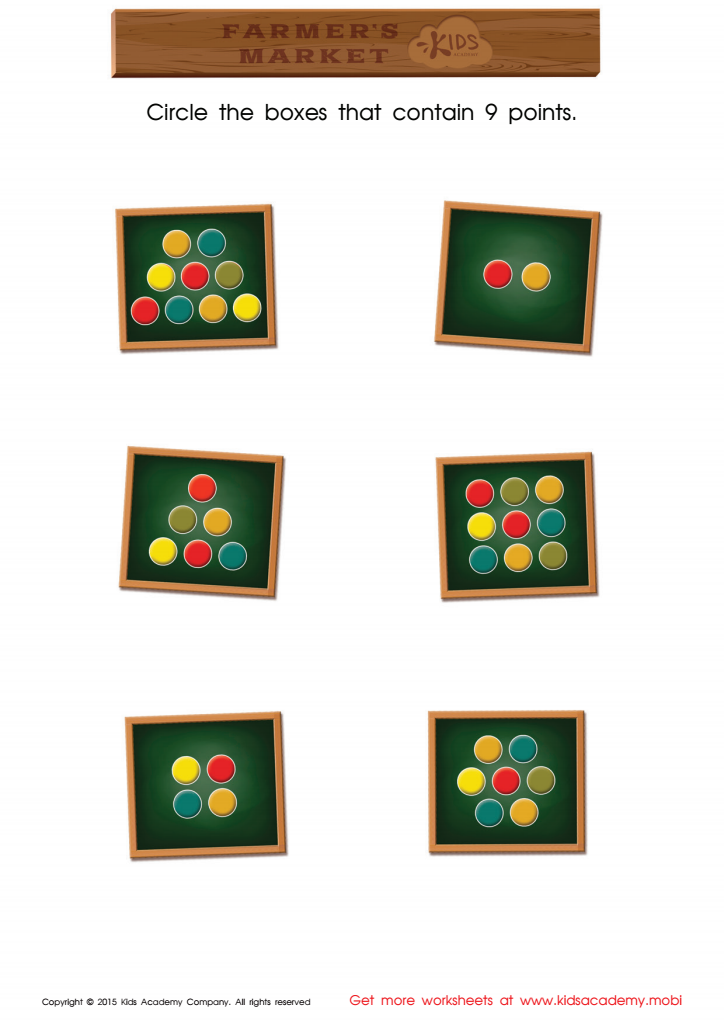
Count and Match Points 9 Math Worksheet
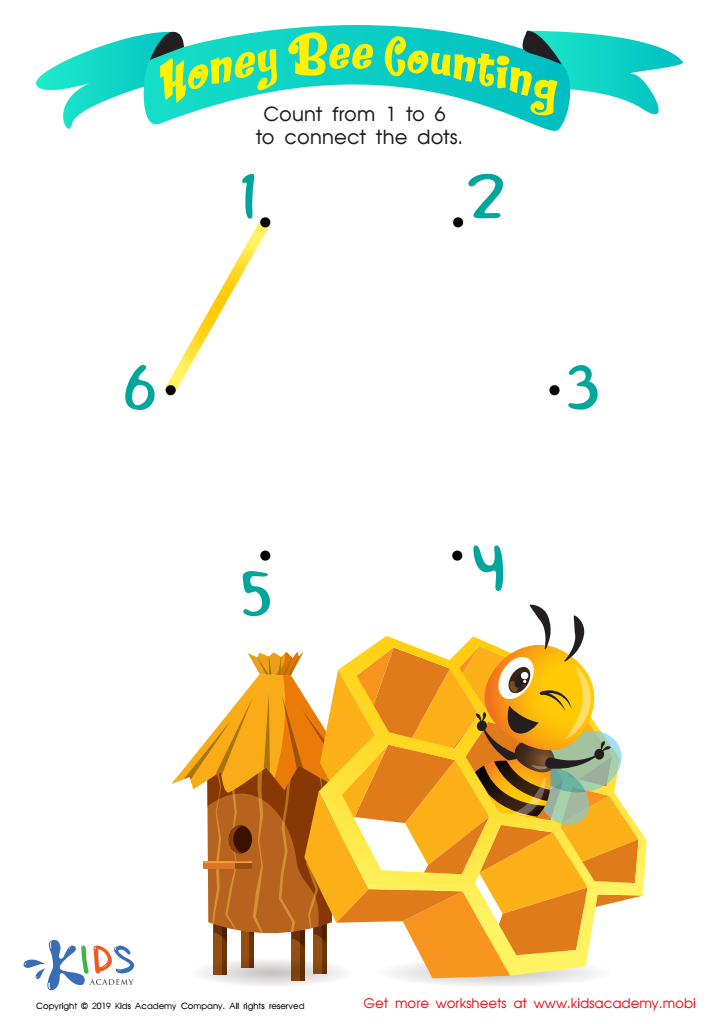
Honey Bee Counting Worksheet
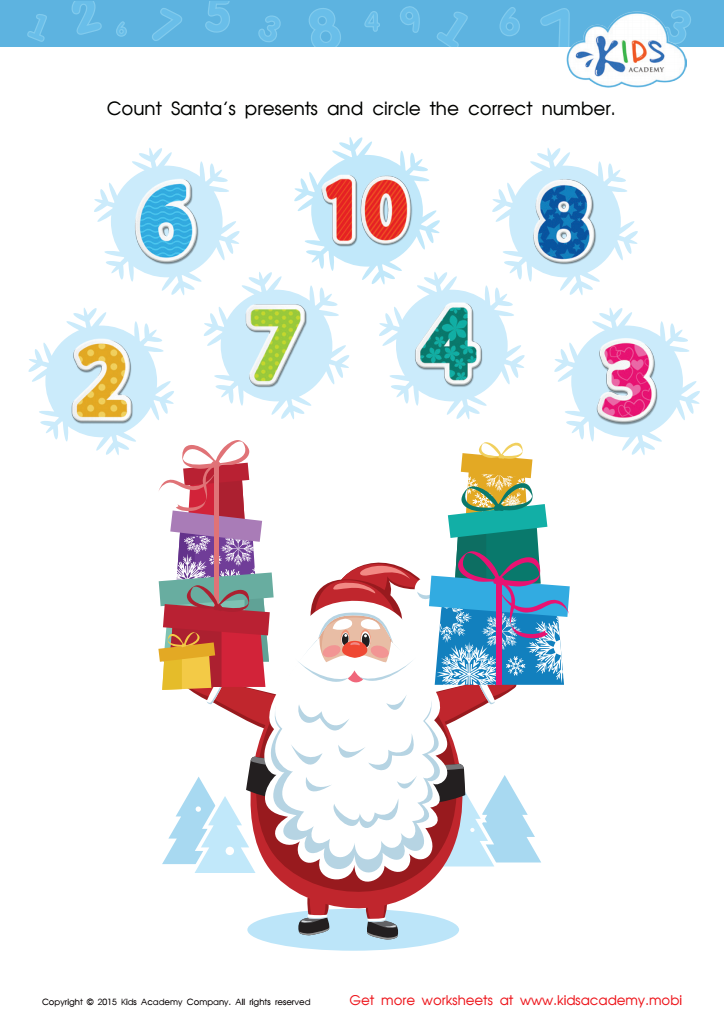
Count Santa's Presents Worksheet
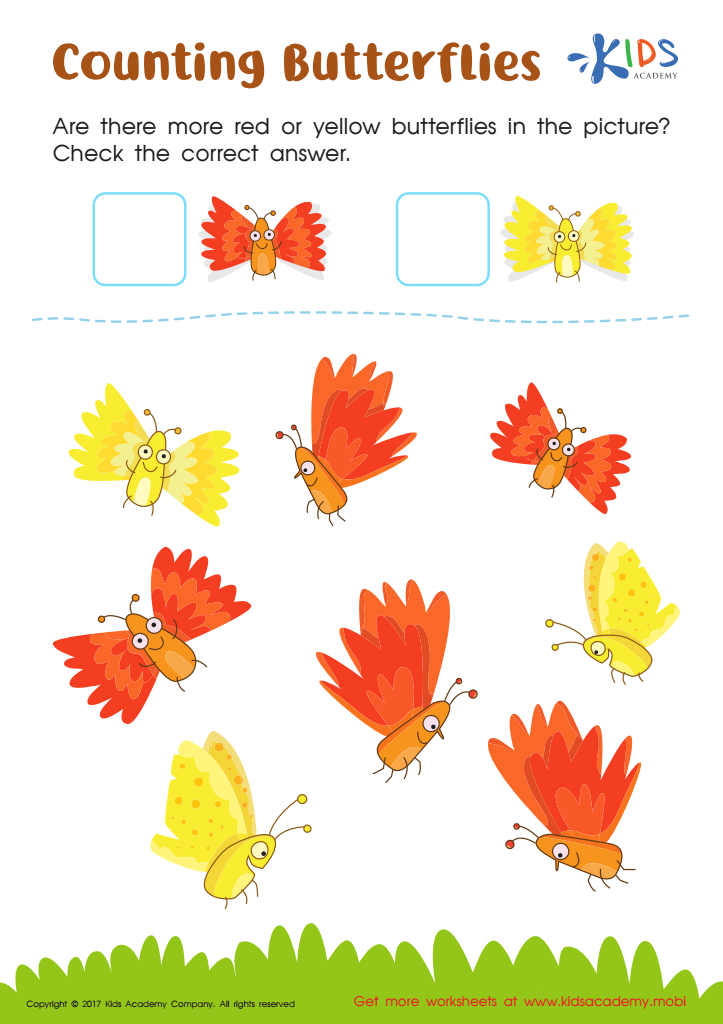
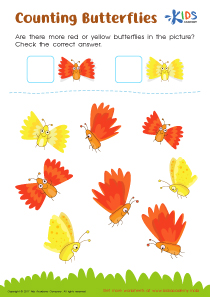
Counting Butterflies Worksheet

Pirate Ship Connect Dots Worksheet
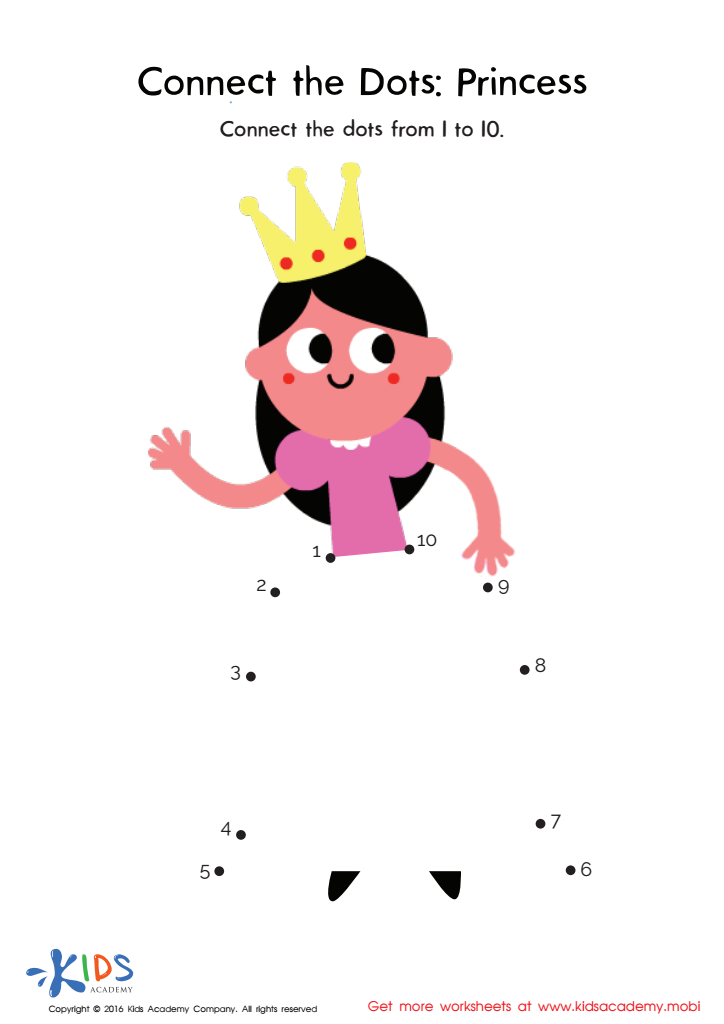
Princess Connect Dots Worksheet
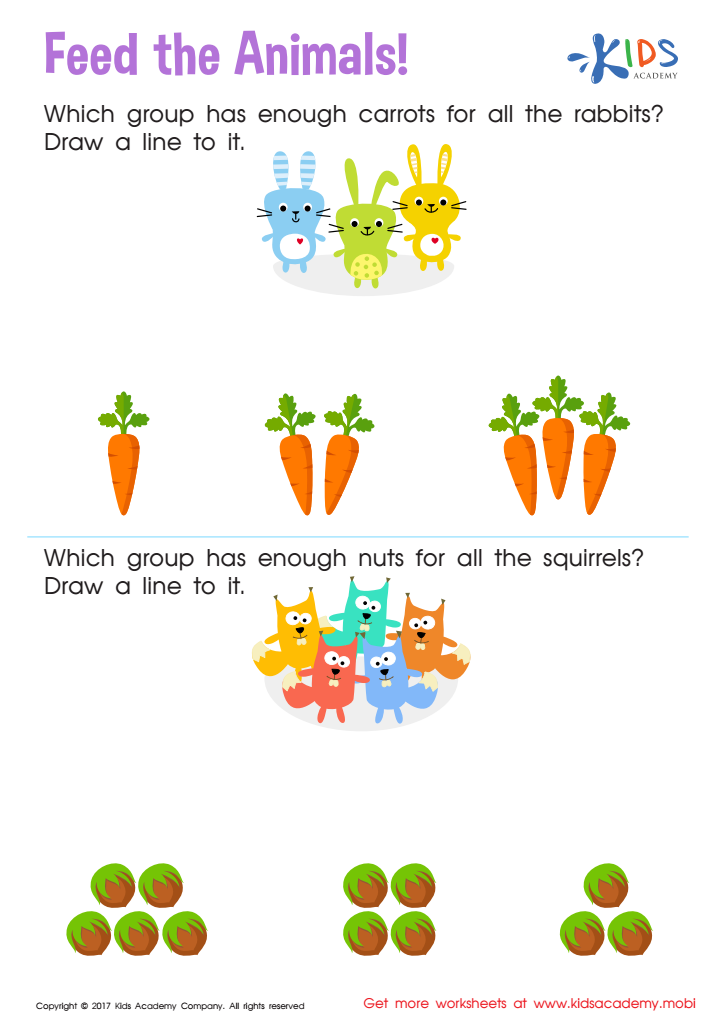
Count and Match: Feed the Animals Worksheet








Fine Motor Skills Extra Challenge Numbers are crucial activities designed for children ages 4-5, as they play an essential role in a child's developmental milestones. During these early years, children are honing the fine motor skills necessary for everyday tasks, like writing, buttoning shirts, and tying shoes. Fine Motor Skills Extra Challenge Numbers specifically target the dexterity and coordination required to execute intricate hand movements. Engaging in these activities can improve hand-eye coordination, spatial awareness, and muscle control, setting the foundation for more complex skills in the future.
For parents and teachers, fostering these skills is pivotal. Children with well-developed fine motor abilities tend to find academic tasks, such as writing and drawing, less challenging, making their transition to formal schooling smoother. Additionally, mastery of these skills boosts self-esteem and independence, as children are able to perform a variety of self-help tasks without adult assistance. Addressing fine motor skills at an early age can also assist in identifying and managing developmental delays or difficulties, ensuring timely intervention and support.
In summary, Fine Motor Skills Extra Challenge Numbers are vital for building a strong foundation for more advanced skills. Through engaging practice, parents and teachers can position children for greater success both academically and in daily life activities, paving the way for confident and capable learners.