Letter recognition Extra Challenge Worksheets for Ages 4-6
11 filtered results
-
From - To
Introducing our "Letter Recognition Extra Challenge Worksheets for Ages 4-6," designed to boost your child's letter recognition skills with engaging exercises. Perfect for young learners eager to advance, these worksheets feature fun, innovative activities that make learning letters enjoyable. Each worksheet encourages critical thinking and problem-solving, helping kids develop a strong foundation in their ABCs. Tailored for preschool and kindergarten-age children, our extra challenge worksheets are the perfect blend of education and fun. Watch your child master letter recognition with ease and confidence. Explore and download now to enhance your child’s early learning journey!
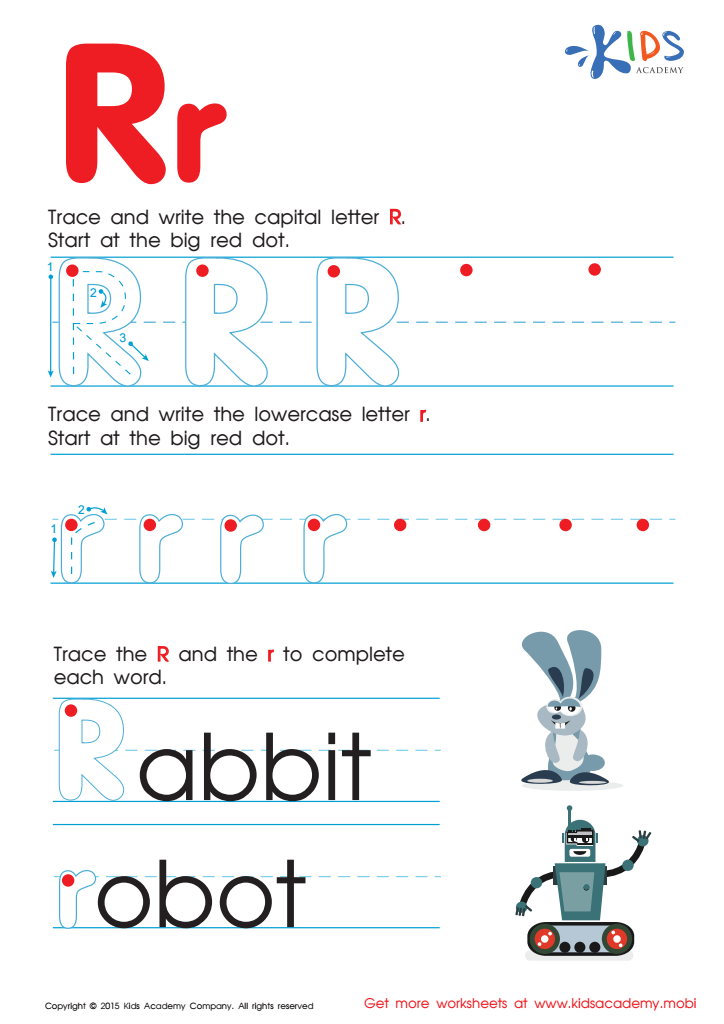
Letter R Tracing Page
 Assign to My Students
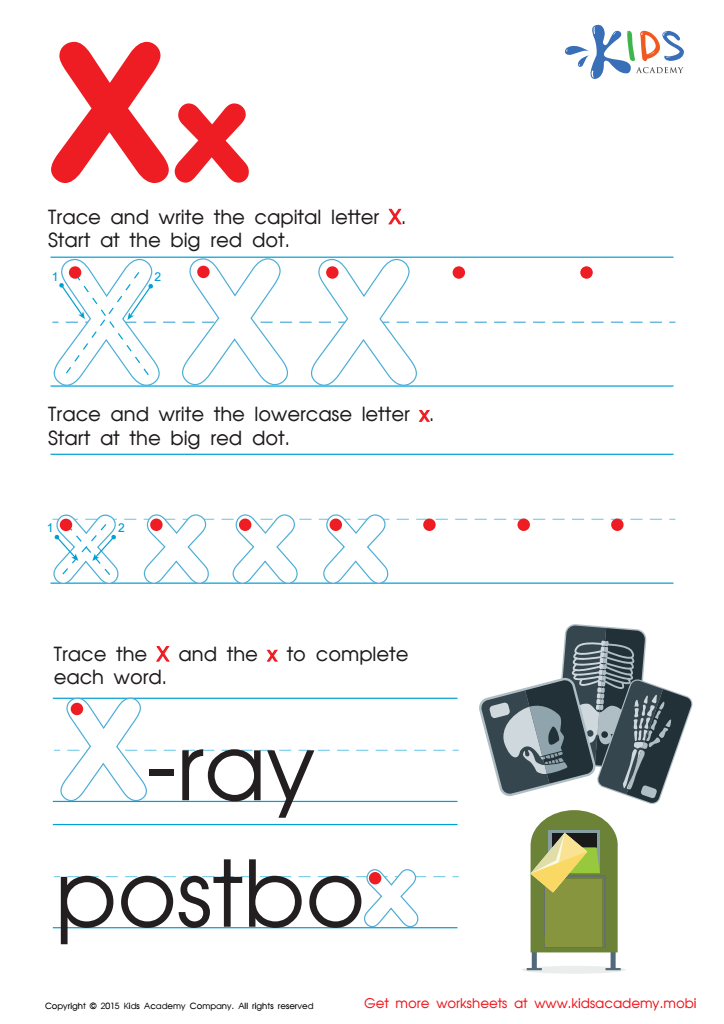
Letter X Tracing Page
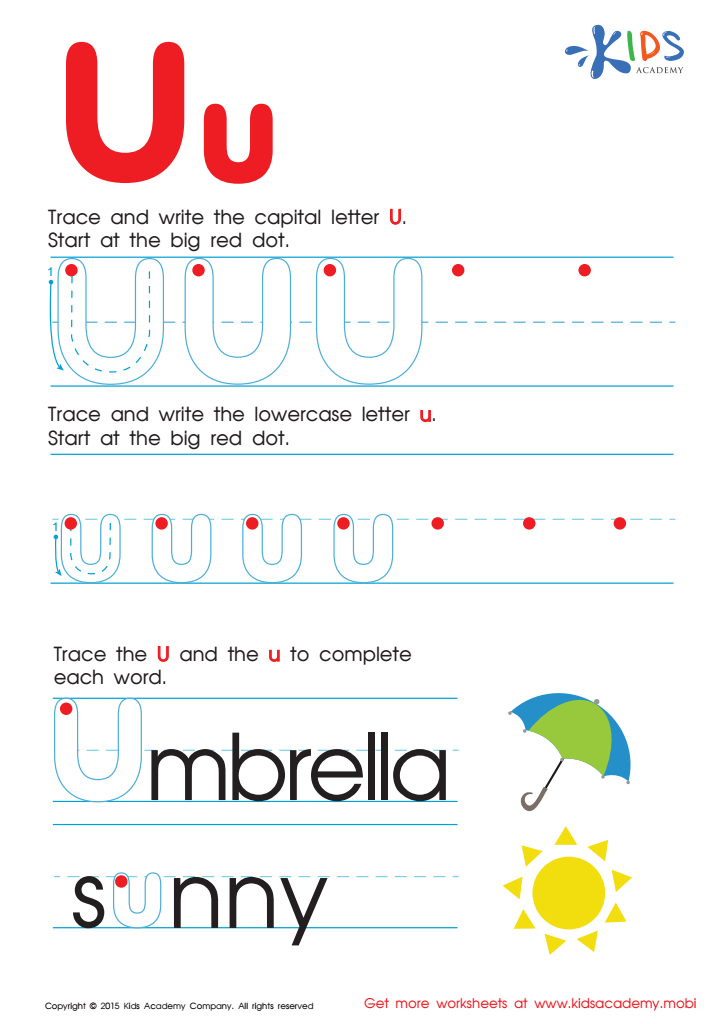
Letter U Tracing Page
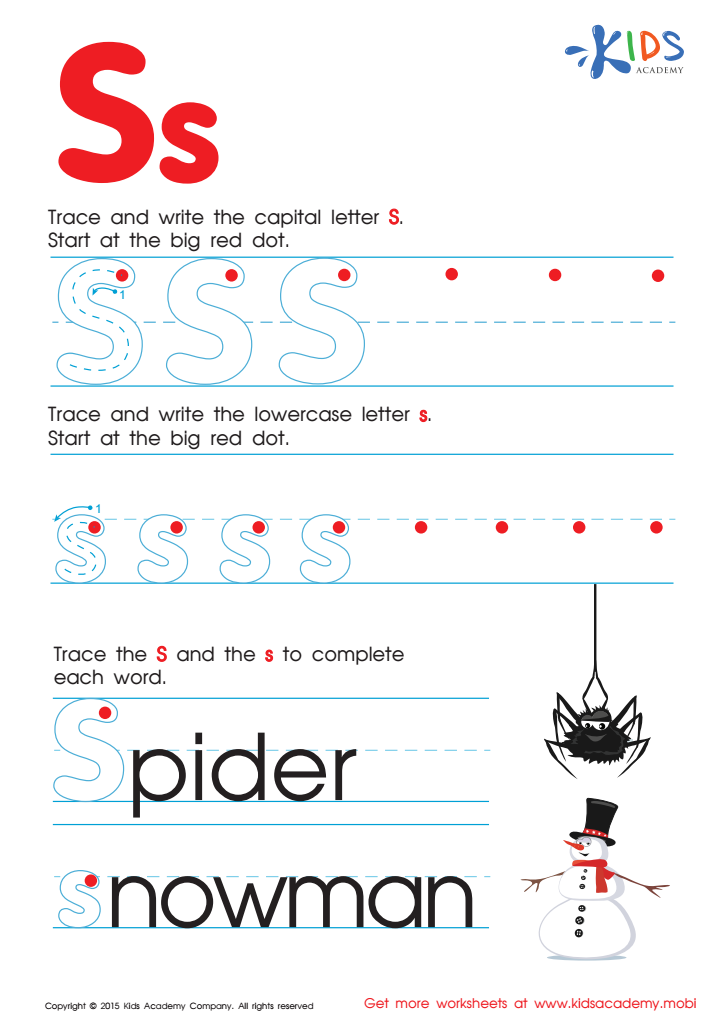
Letter S Tracing Page
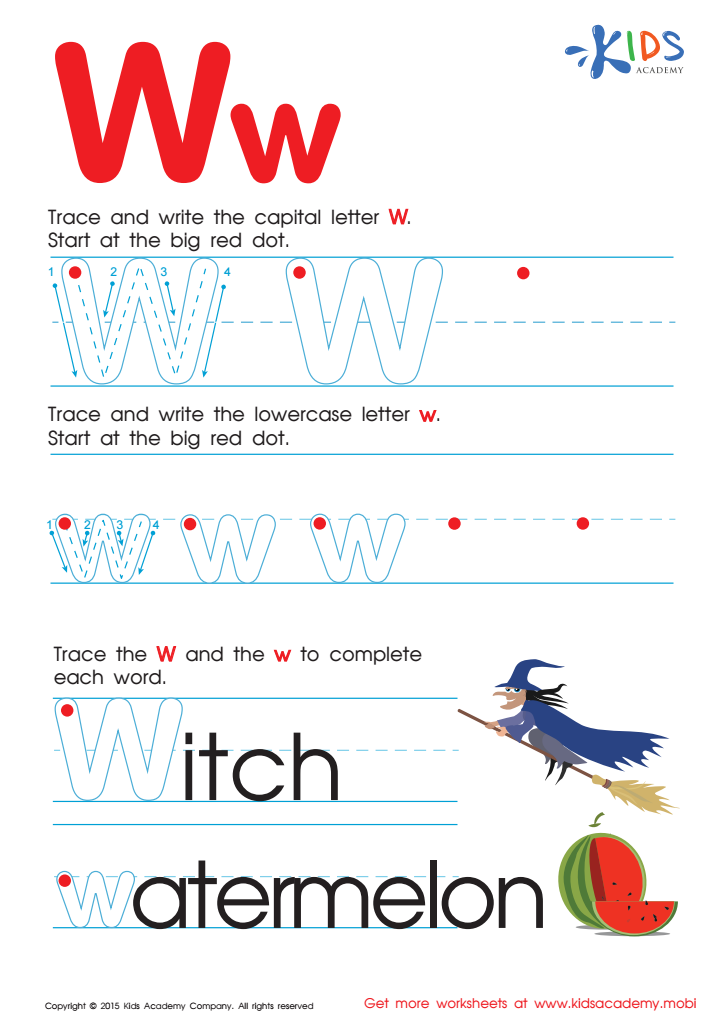
Letter W Tracing Page
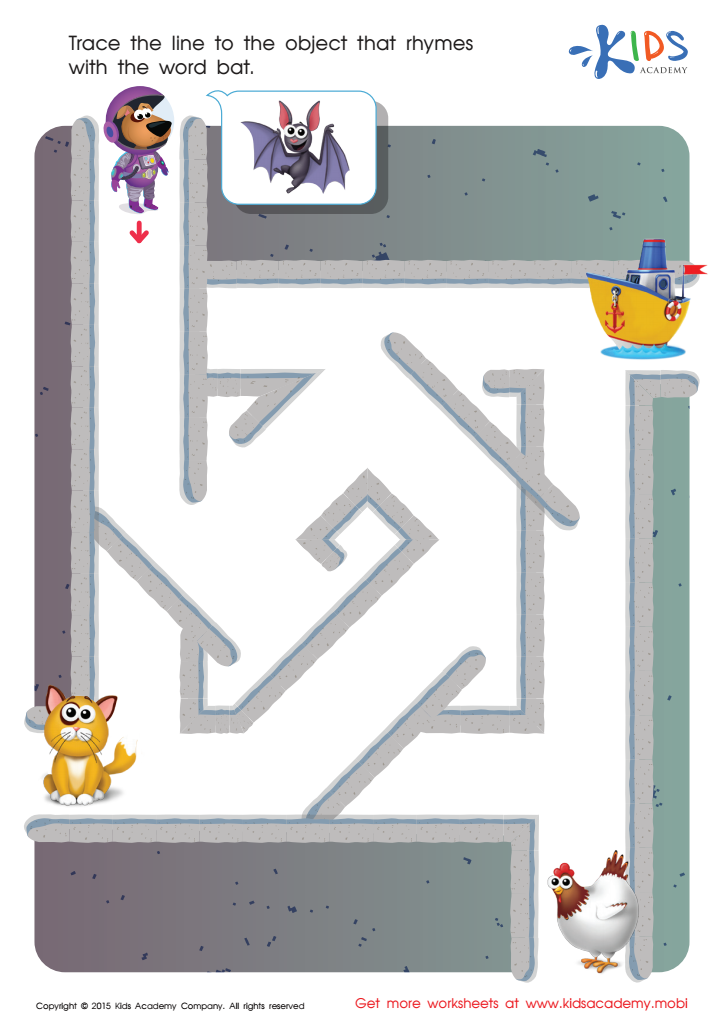
Bat Rhyming Words Worksheet
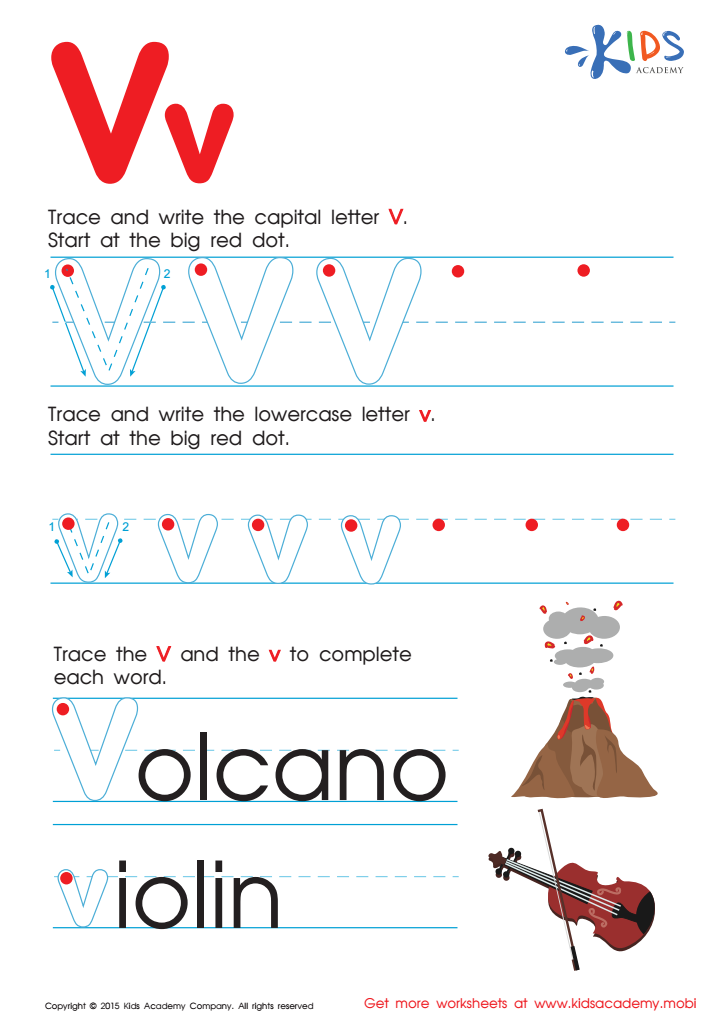
Letter V Tracing Page
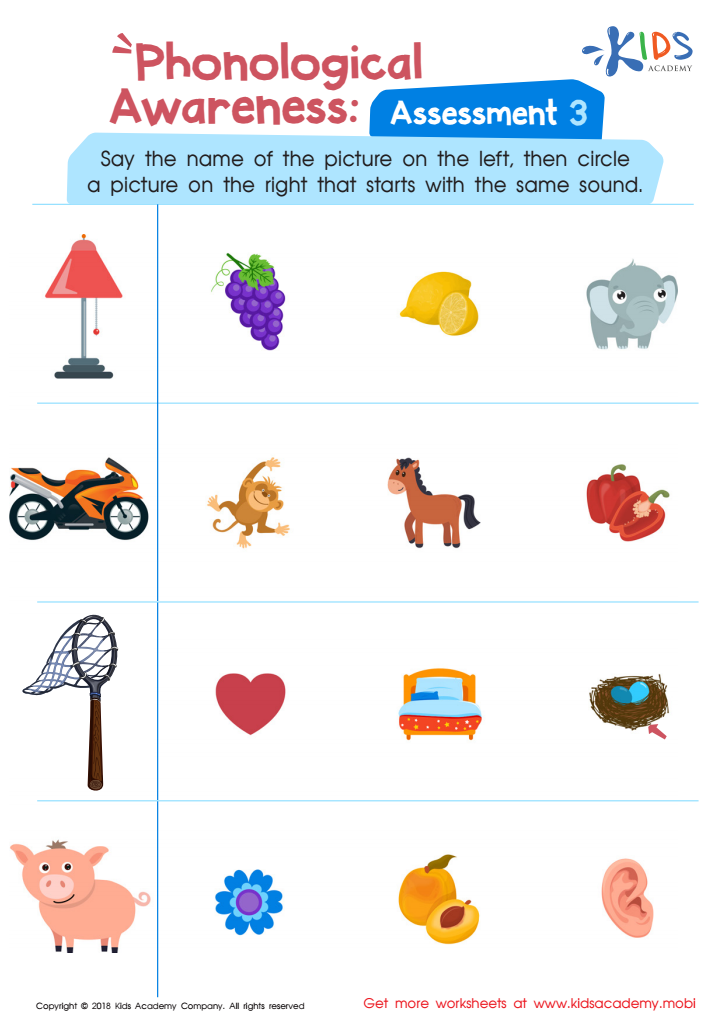
Phonological Awareness: Assessment 3 Worksheet
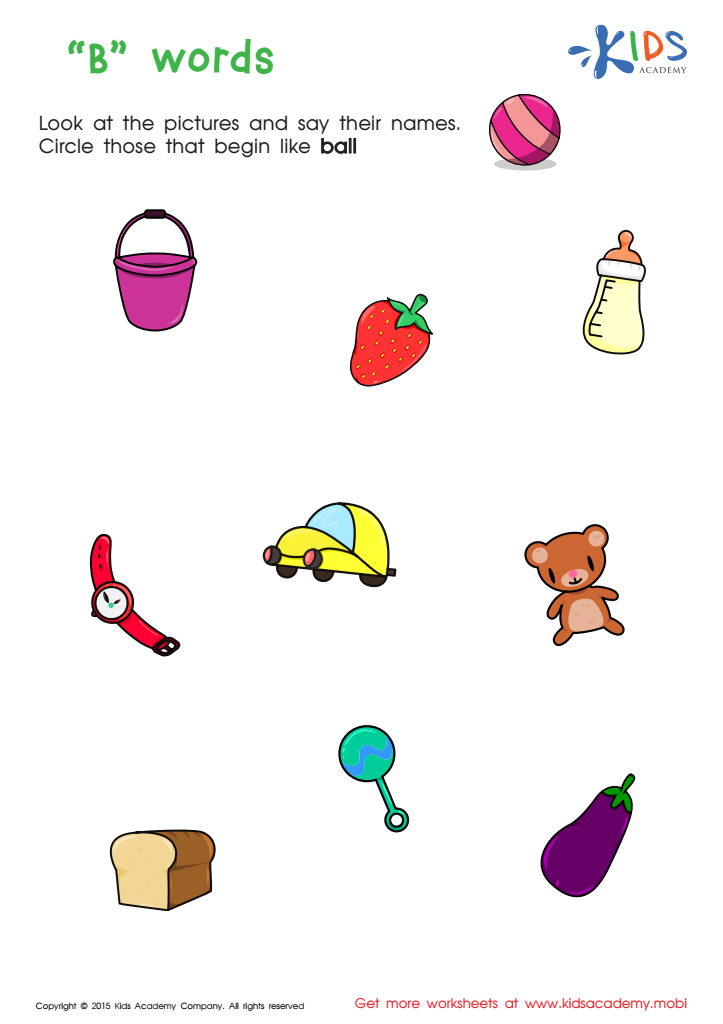
First Words Worksheet
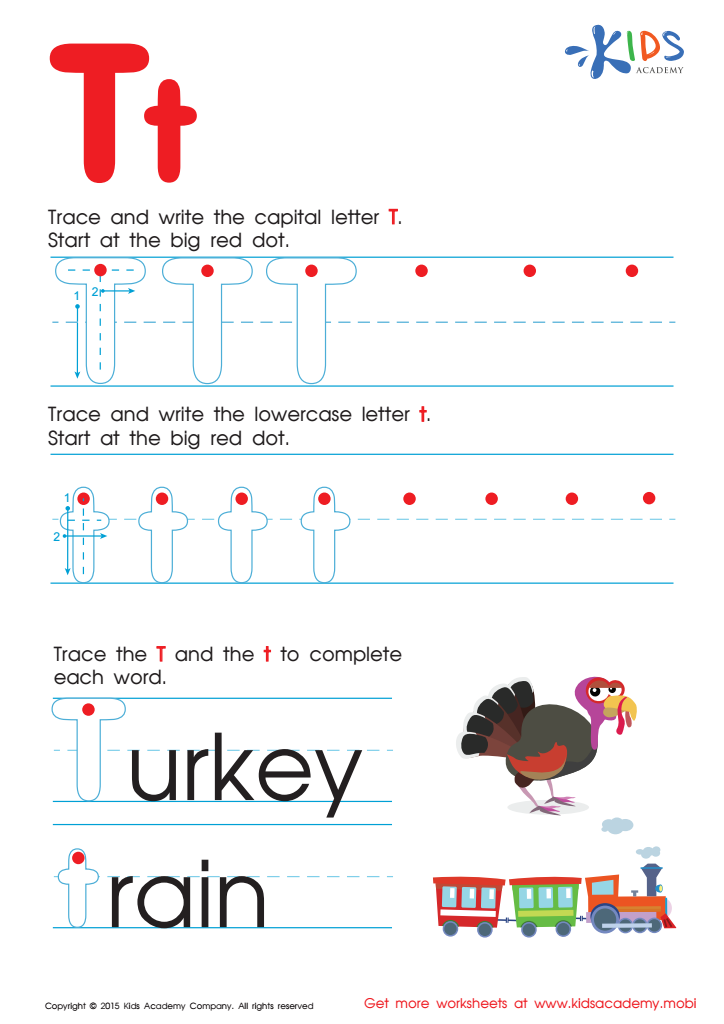
Letter T Tracing Page
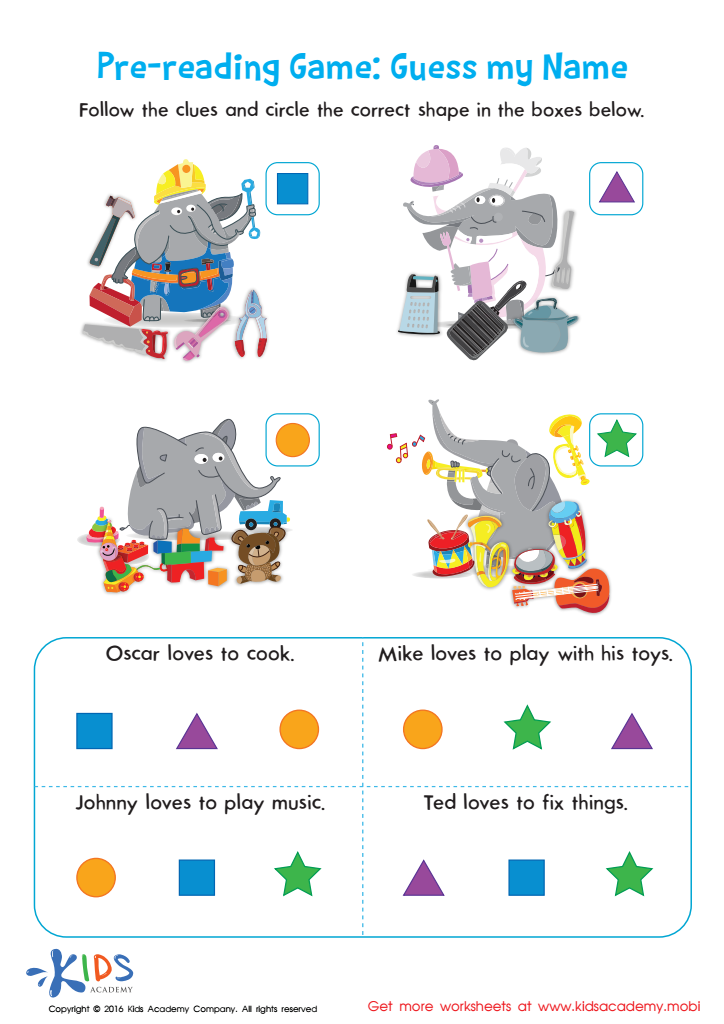
Pre Reading Worksheet Guess My Name








Letter recognition is foundational for early reading and writing skills, making it crucial for the development of young children aged 4-6. By providing extra challenges in letter recognition, parents and teachers can support children in cementing their understanding of the alphabet and setting a strong literacy base.
At this formative age, children's brains are highly receptive to learning new concepts. Reinforcing letter recognition through extra challenges helps solidify knowledge and aids in memory retention. This early mastery can boost children's confidence, making subsequent literacy tasks less intimidating and more enjoyable.
Exposure to additional challenges promotes critical thinking and problem-solving skills. Engaging activities like letter matching games, pattern recognition, and simple word formation not only enhance their literacy skills but also stimulate their intellectual abilities.
Moreover, children who have a firm grasp of letter recognition tend to have better phonemic awareness, an ability crucial for decoding words and successful reading. Early challenges pave the way for smoother transitions into more complex literacy tasks such as reading comprehension and written communication.
In practice, this means incorporating playful yet demanding tasks adapted to each child's learning pace. Through doing so, parents and teachers can ensure a well-rounded, stimulating environment where children thrive and develop an enduring love for learning.








