Reading comprehension Extra Challenge Worksheets for Ages 4-6 - Page 2
54 filtered results
-
From - To
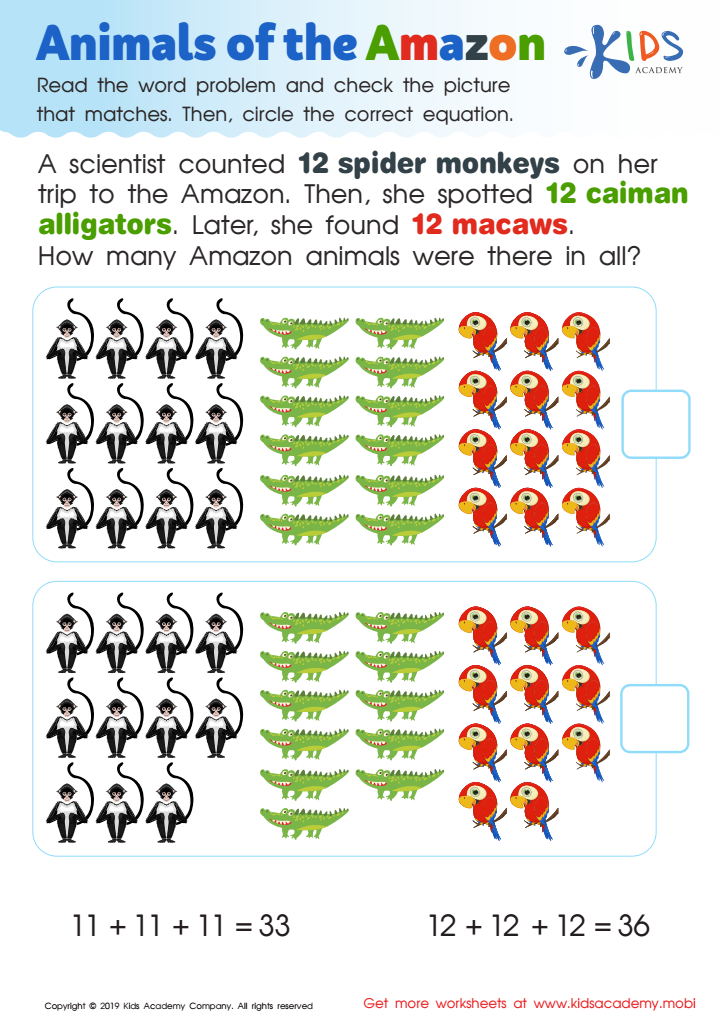
Animals of Amazon Worksheet
 Assign to My Students
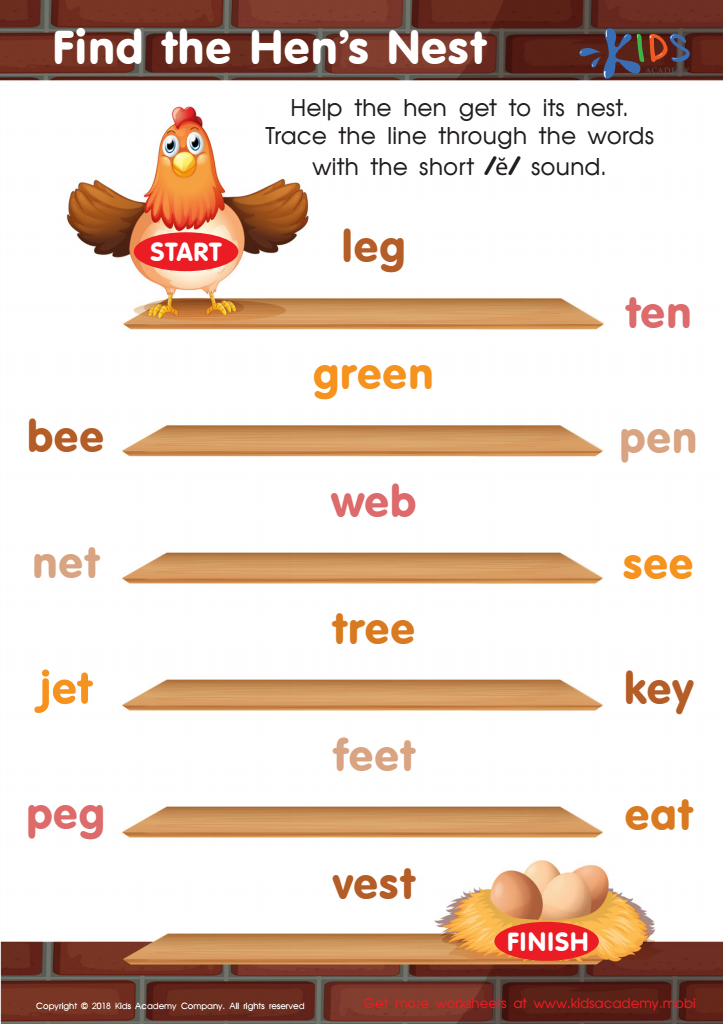
Find Hens Nest Reading Worksheet
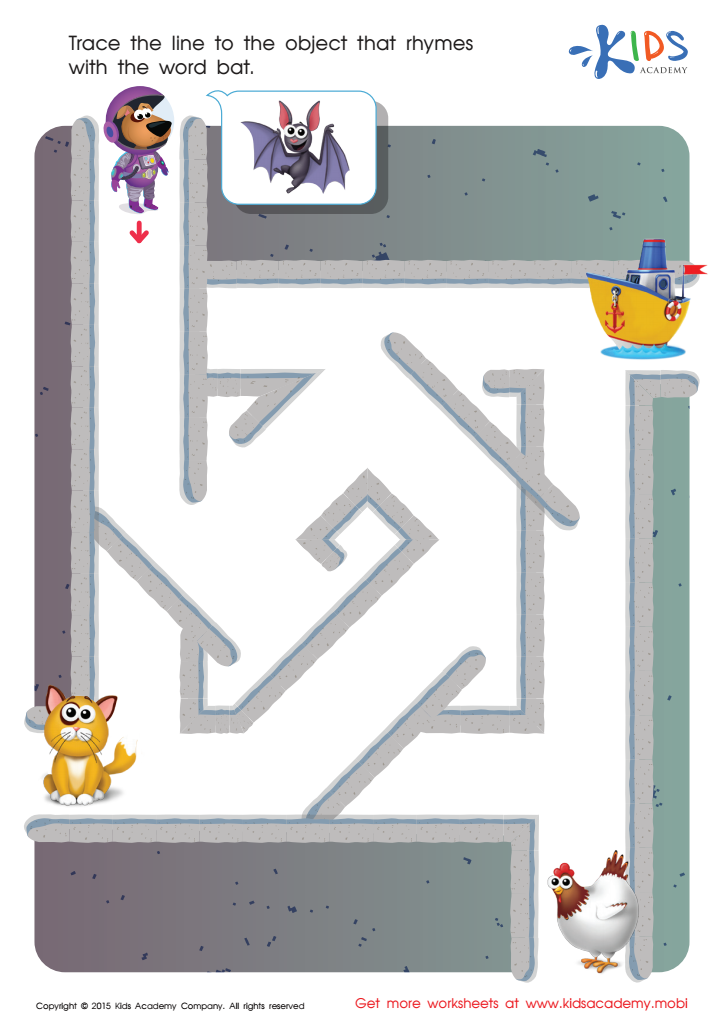
Bat Rhyming Words Worksheet
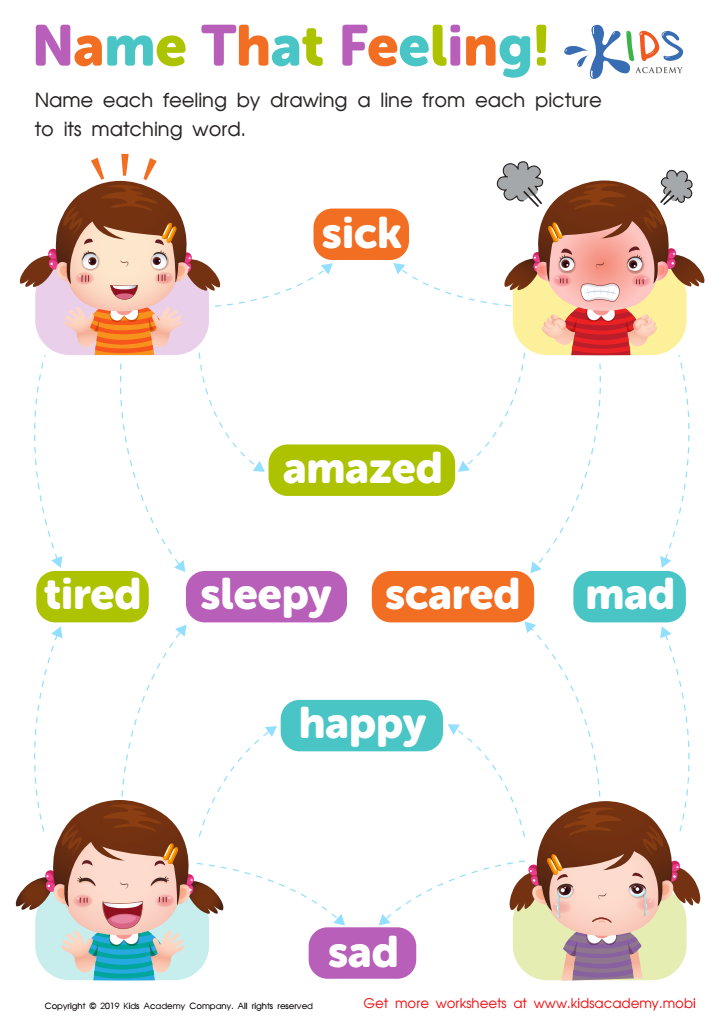
Name that Feeling Worksheet
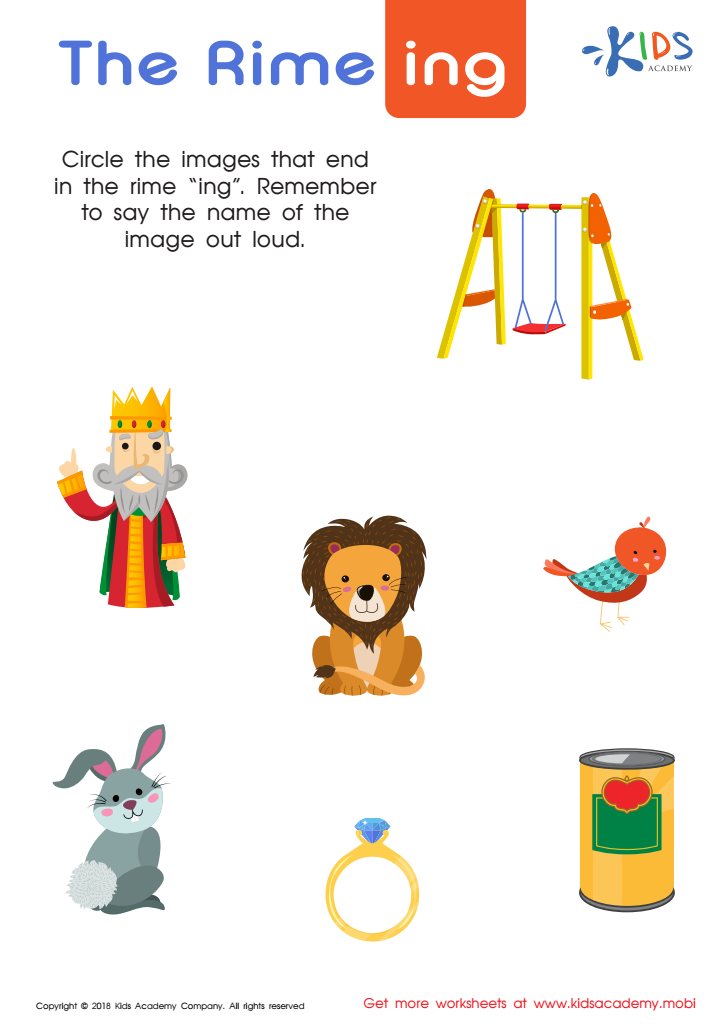
The Rime "ing" Worksheet
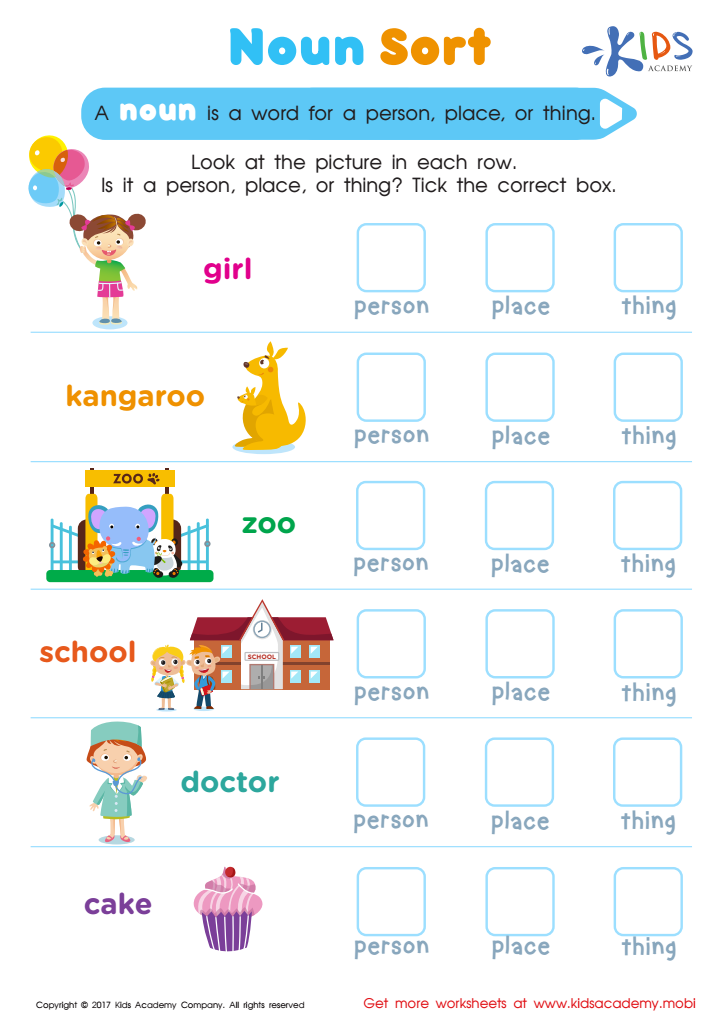
Noun Sort Printable
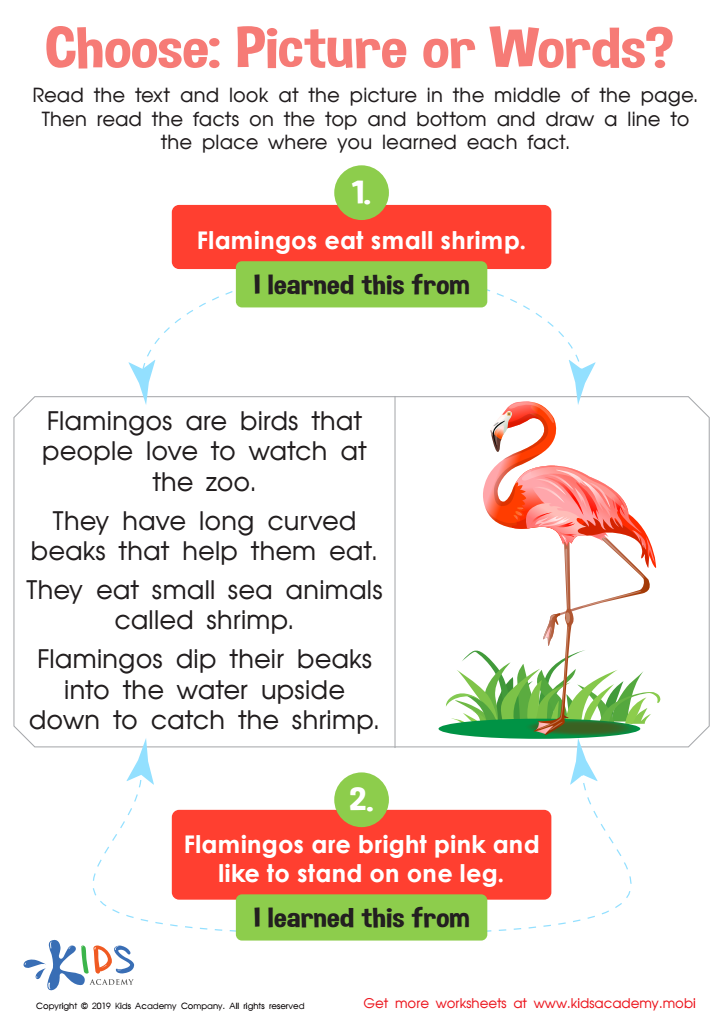
Choose Picture Words Worksheet
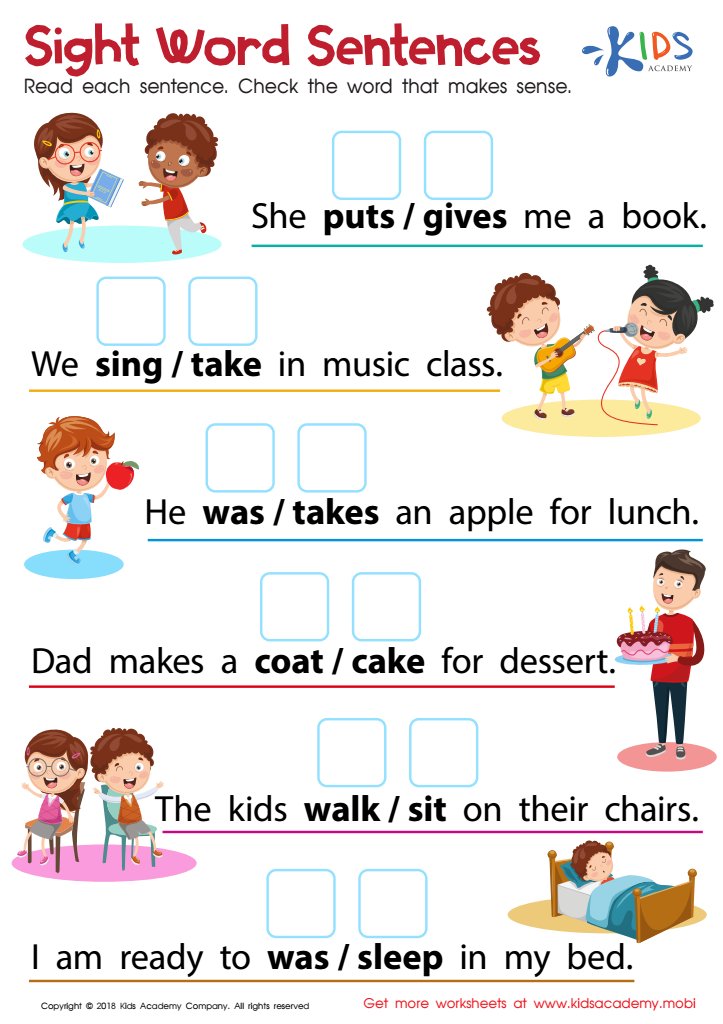
Sight Words Sentences Worksheet
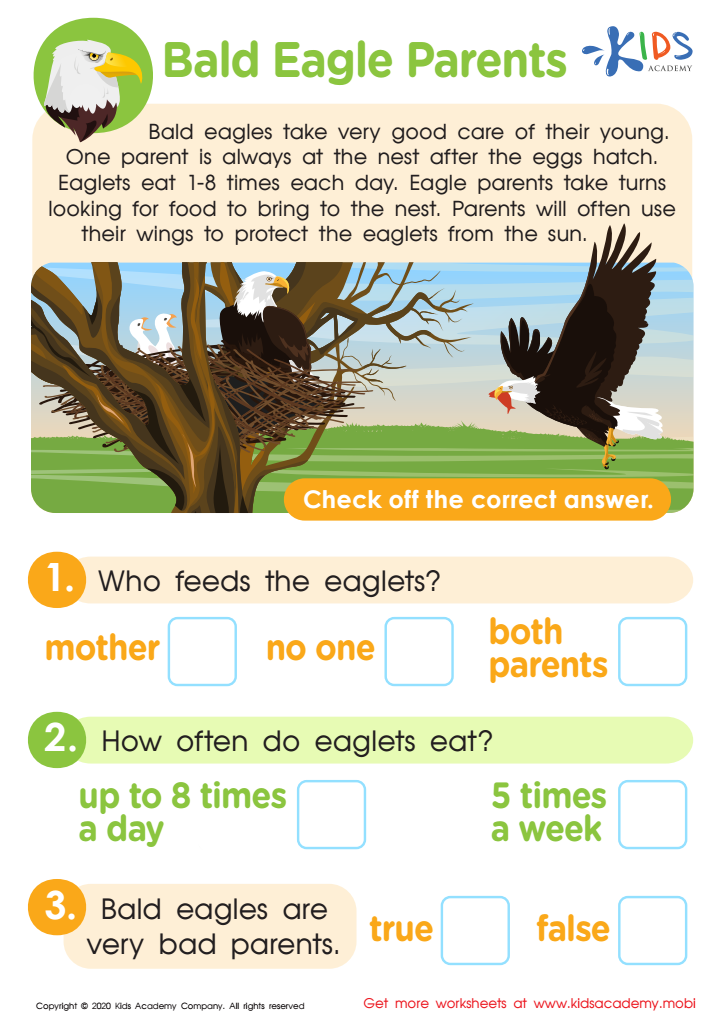
Bald Eagle Parents Worksheet
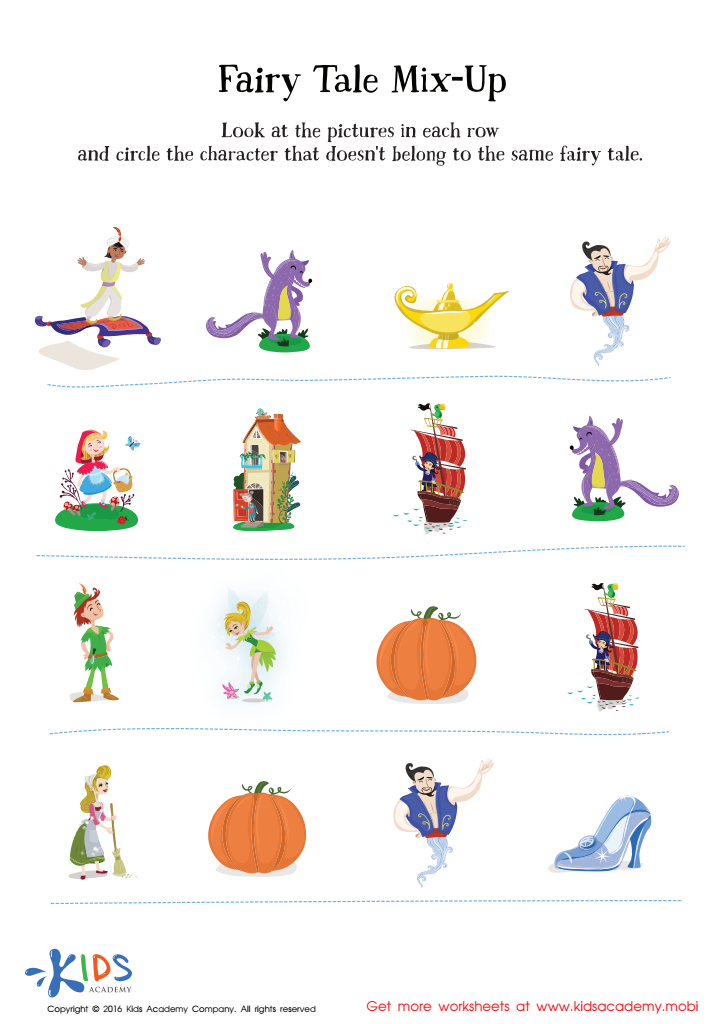
Fairy Tale Worksheet: Story Mix Up
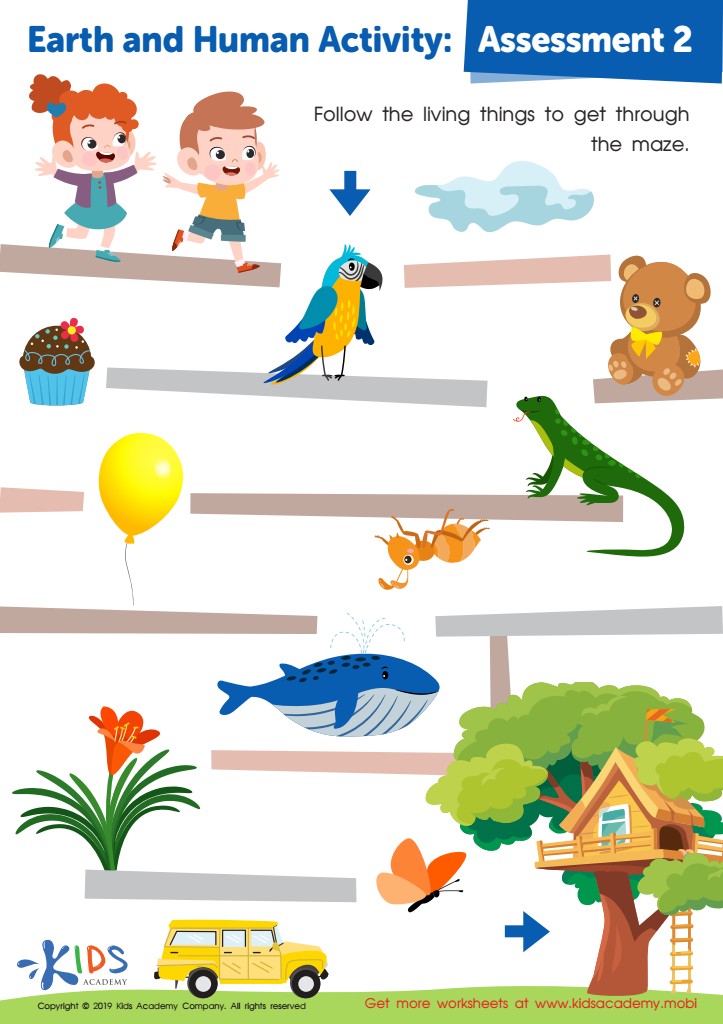
Earth and Human Activity: Assessment 2 Worksheet
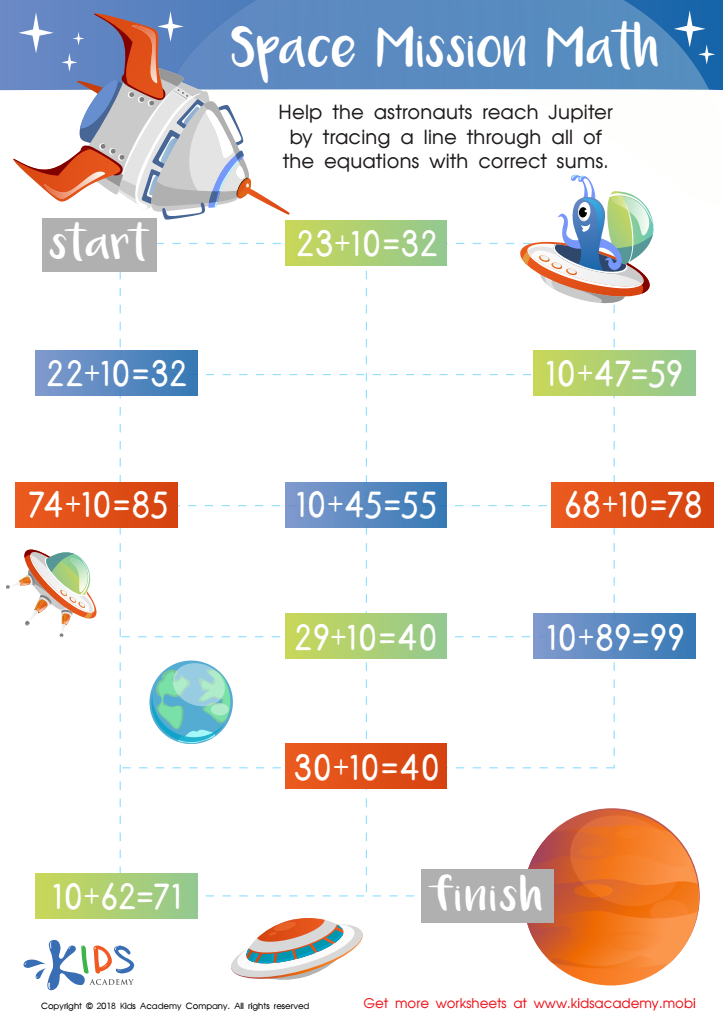
Space Mission Math Worksheet
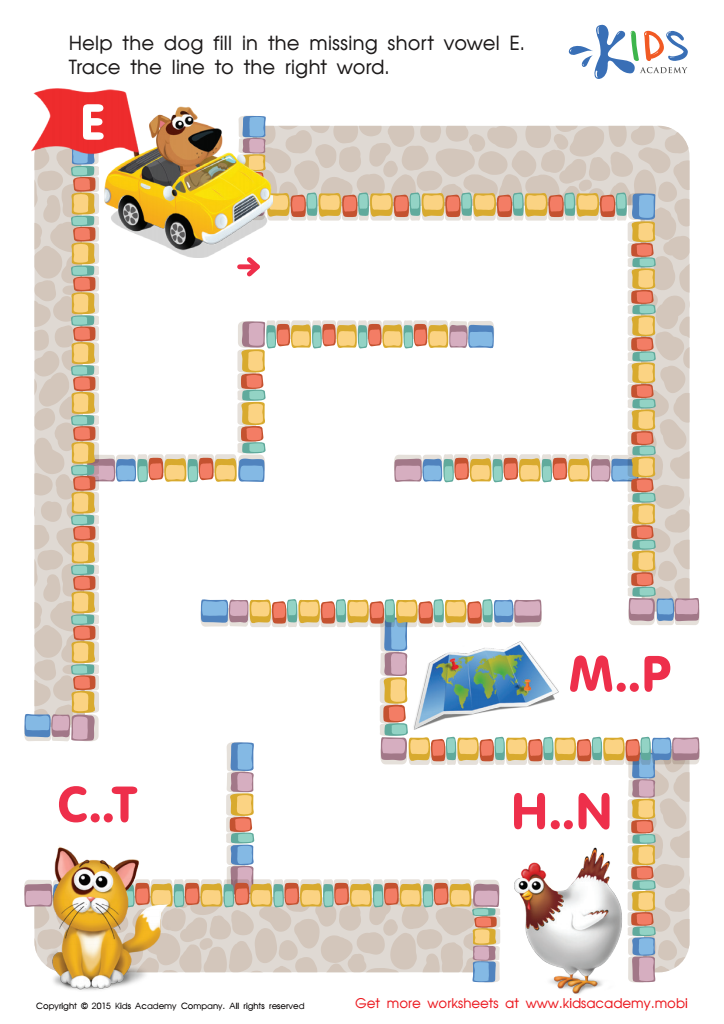
Short Vowel Sound E Worksheet
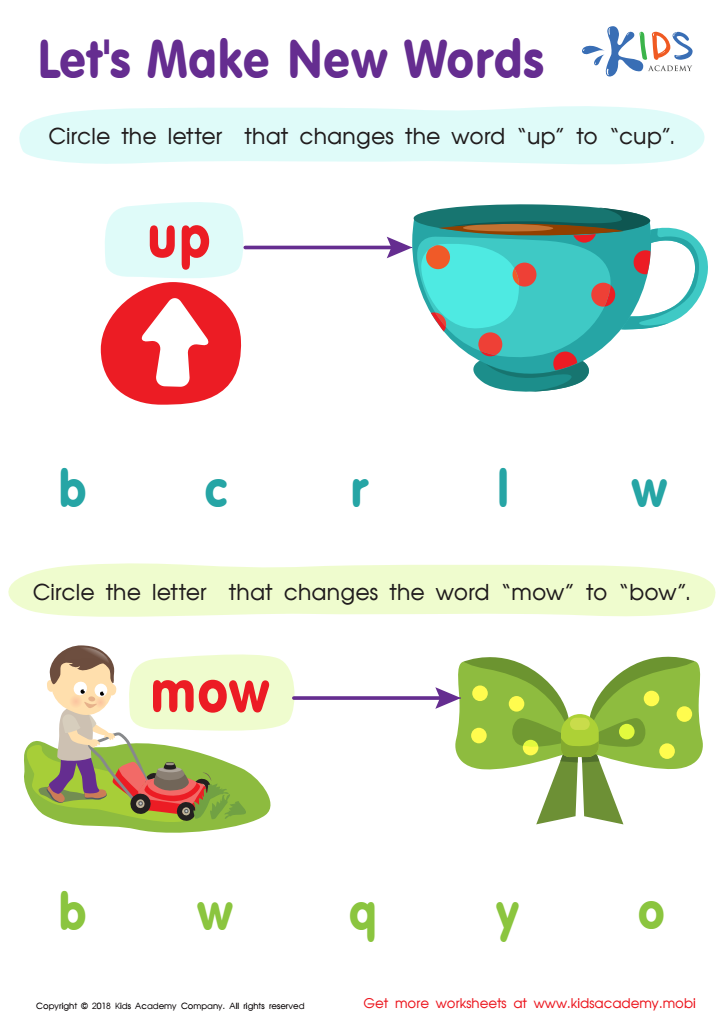
Let's Make New Words Worksheet
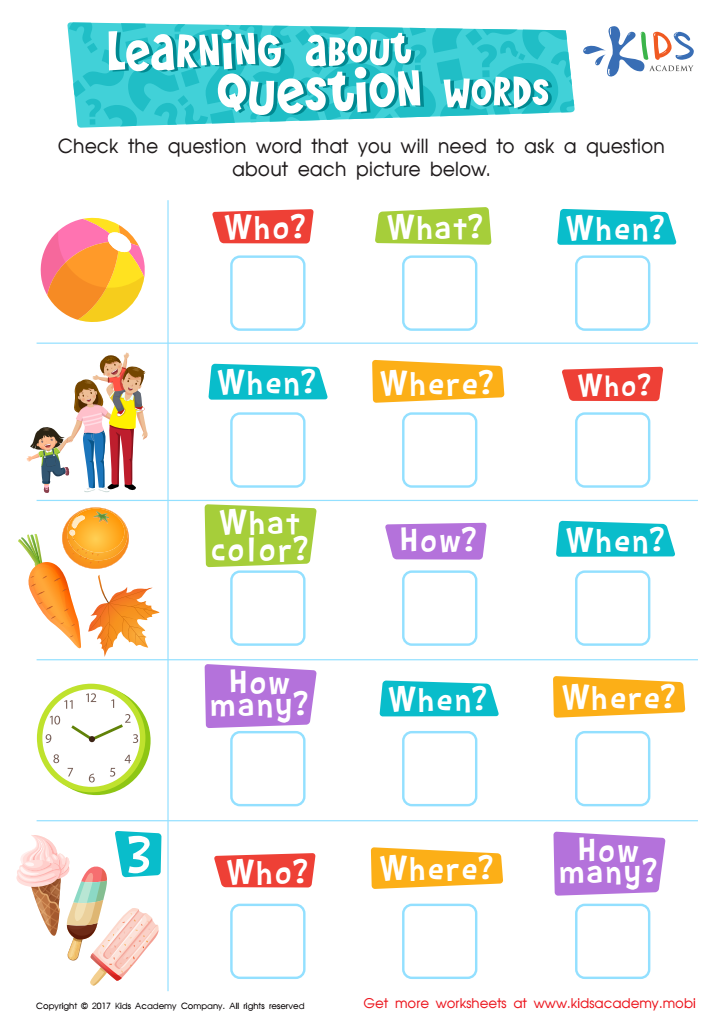
Learning about Question Words Worksheet
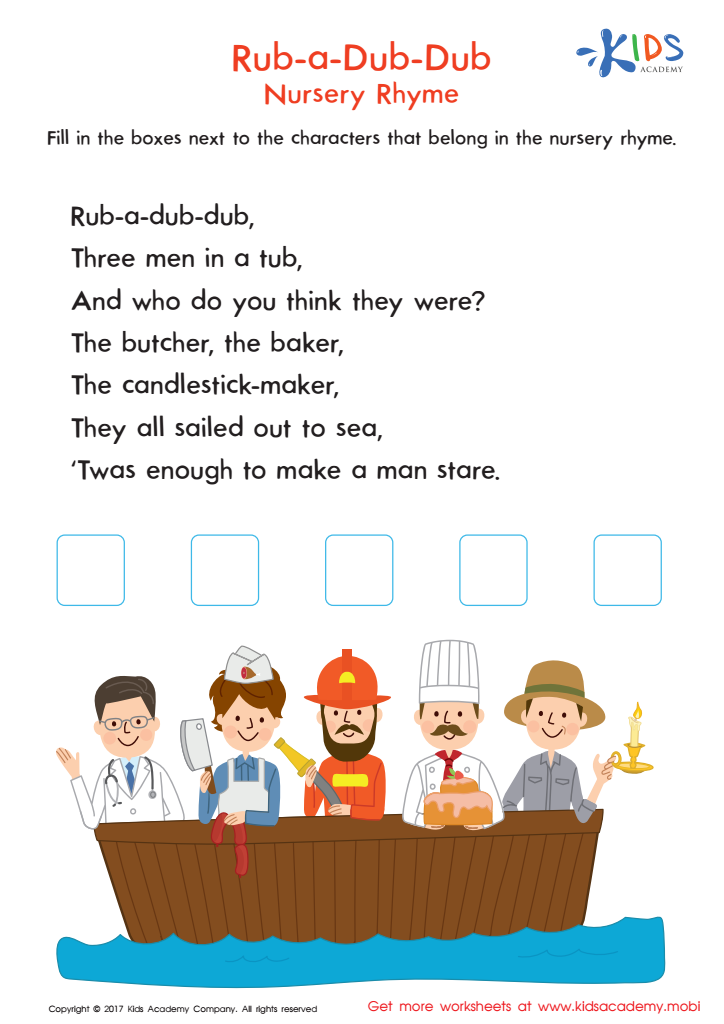
Rub a Dub Dub Printable
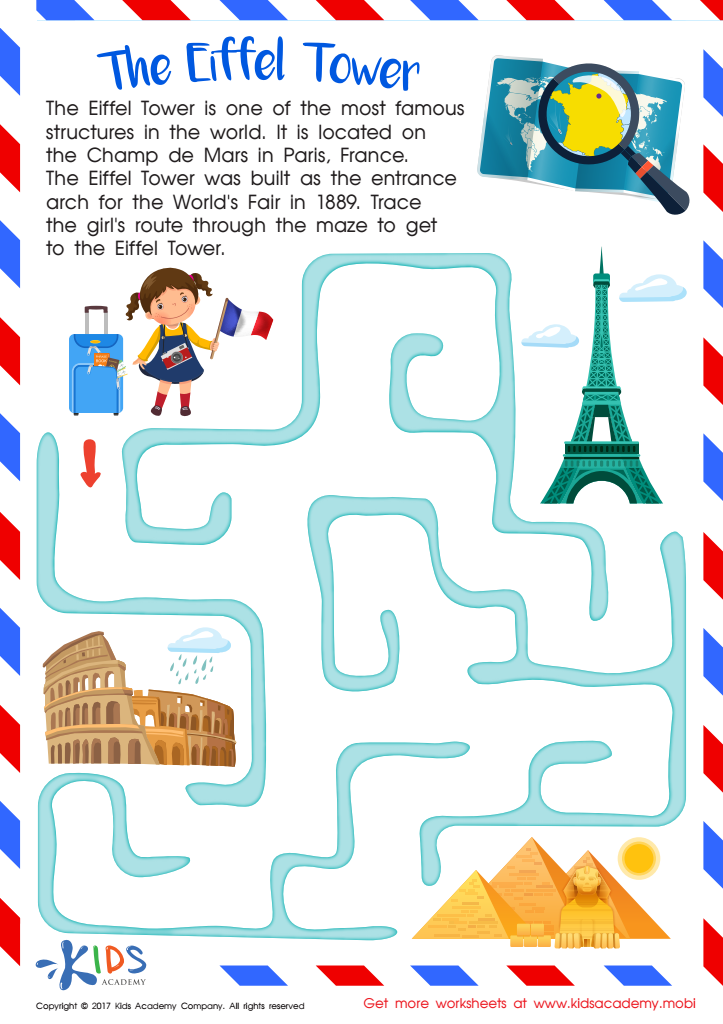
The Eiffel Tower Printable
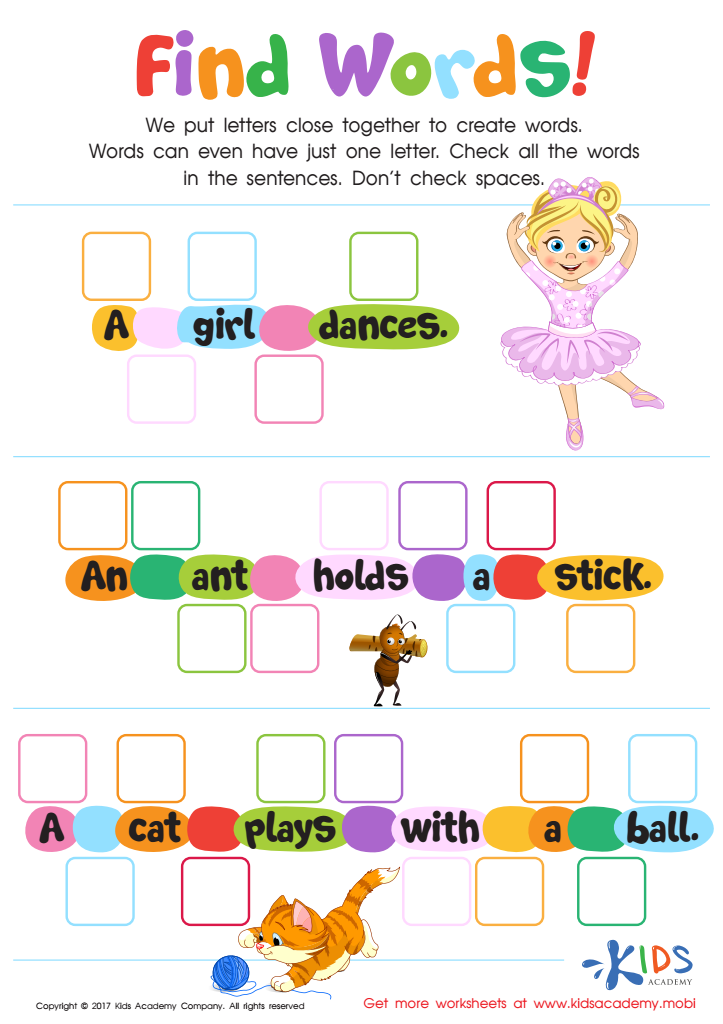
Find Words Worksheet
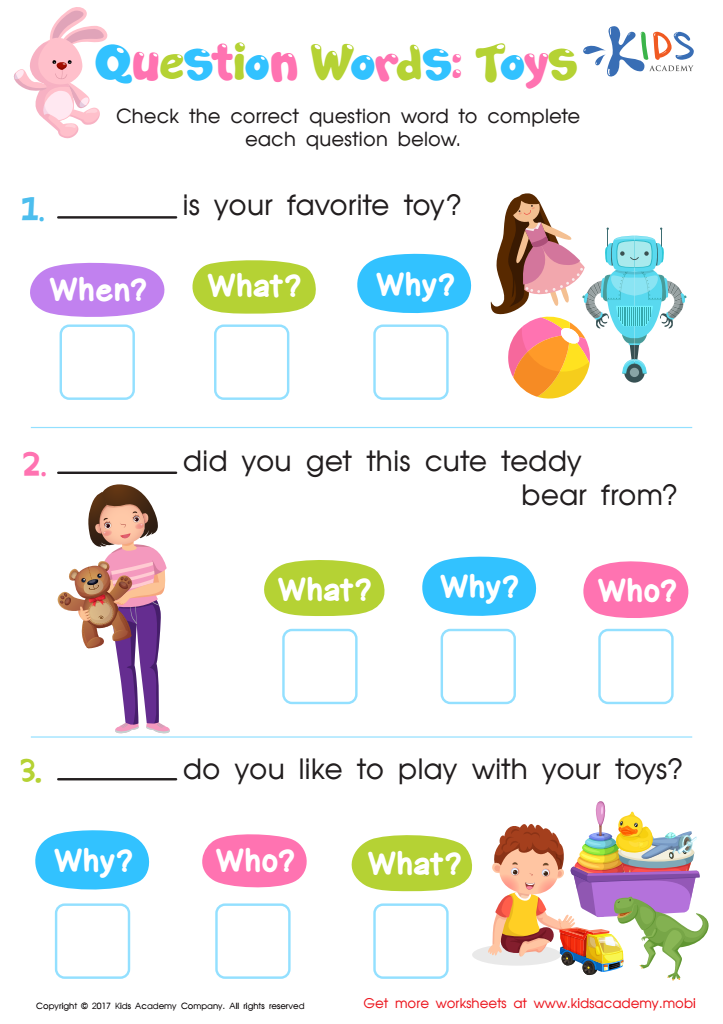
Question Words: Toys Worksheet
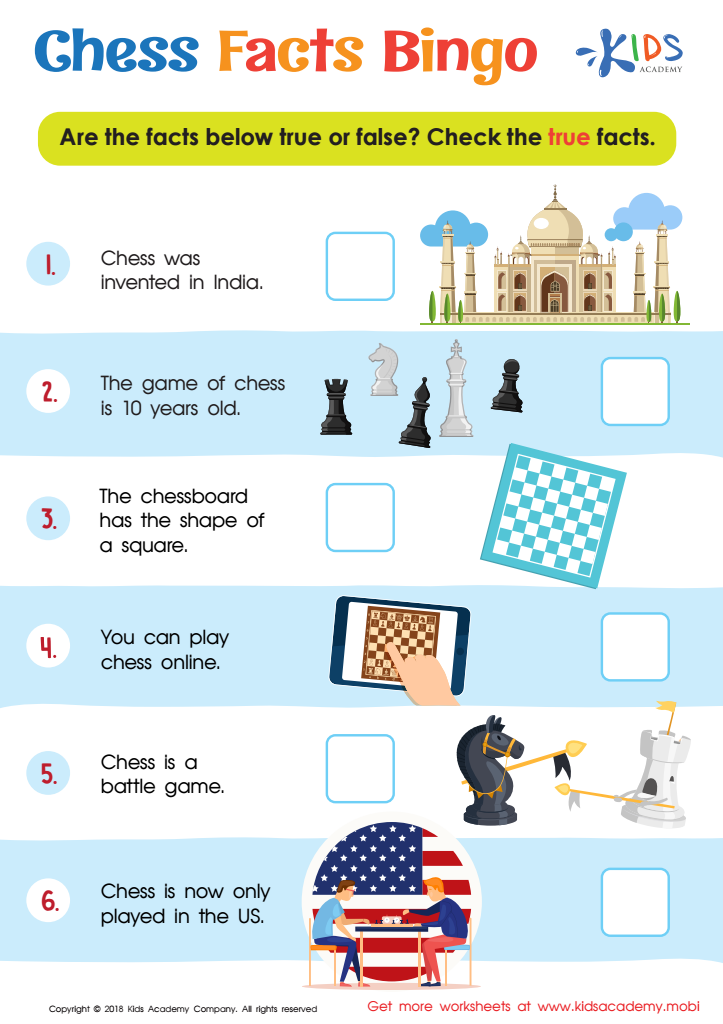
Chess Facts Bingo Worksheet
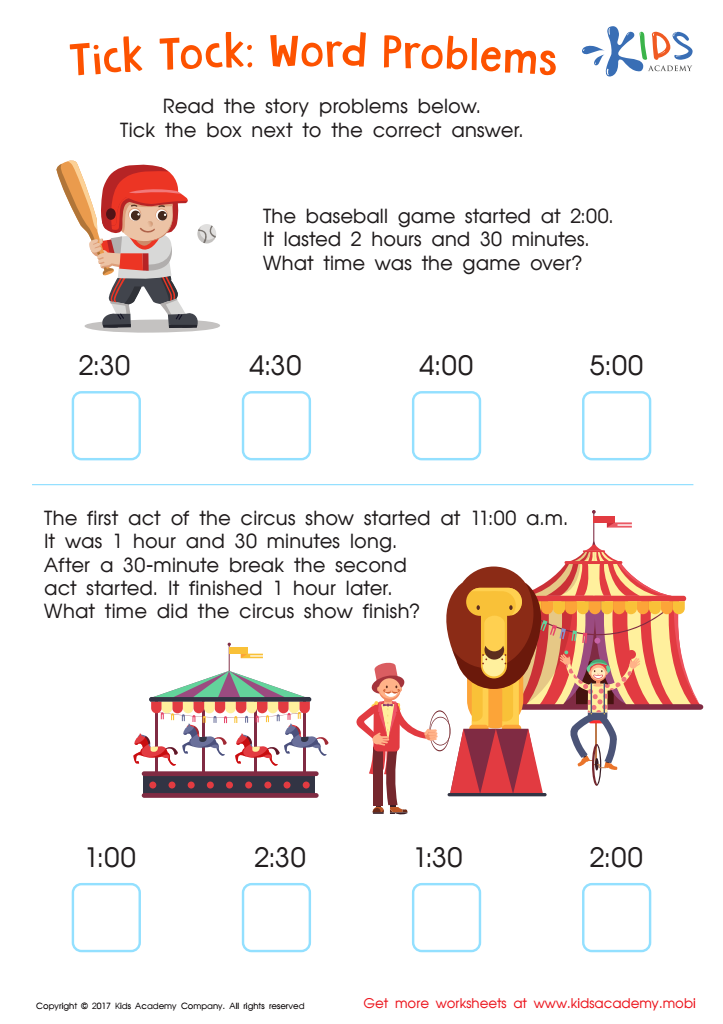
Tick Tock Word Problems Time Worksheet
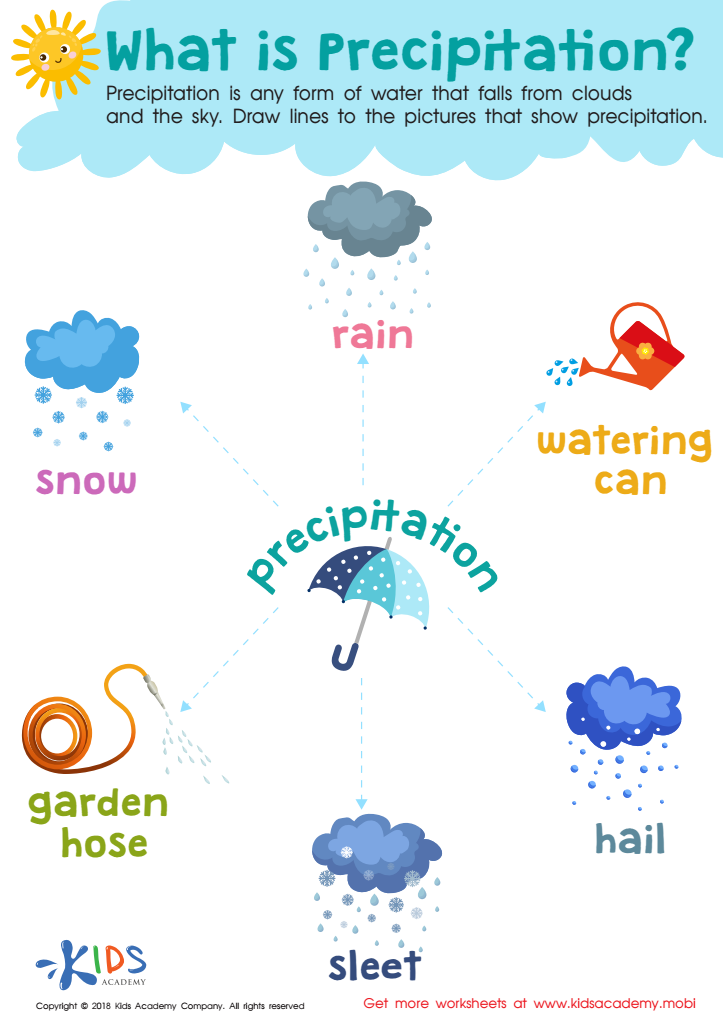
What Is Precipitation? Worksheet
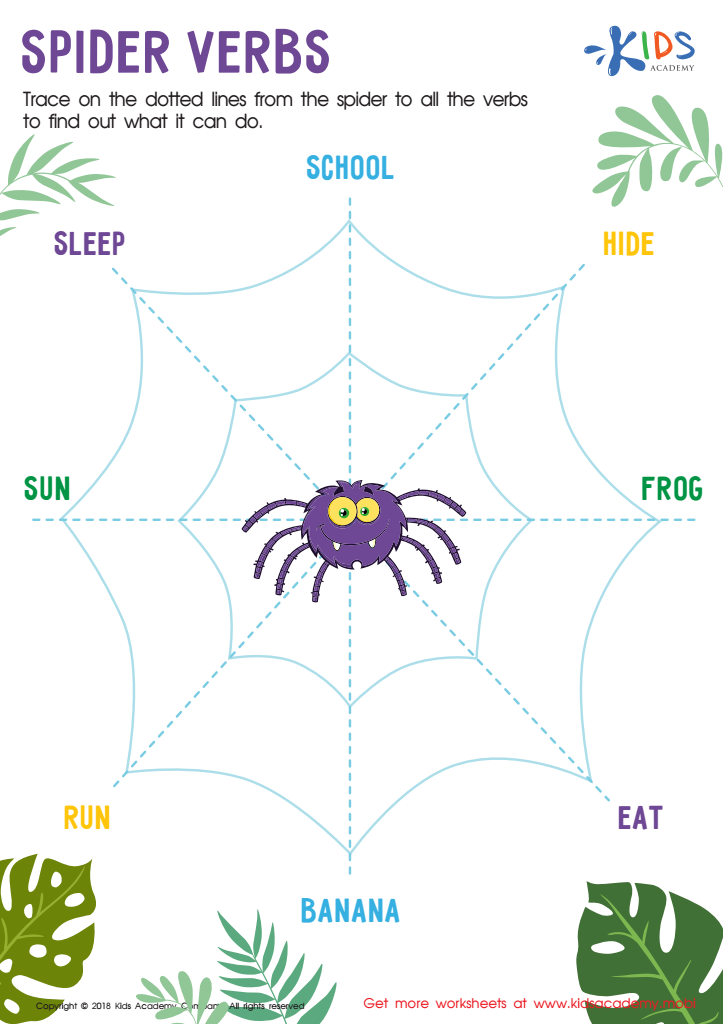
Spider Verbs Worksheet
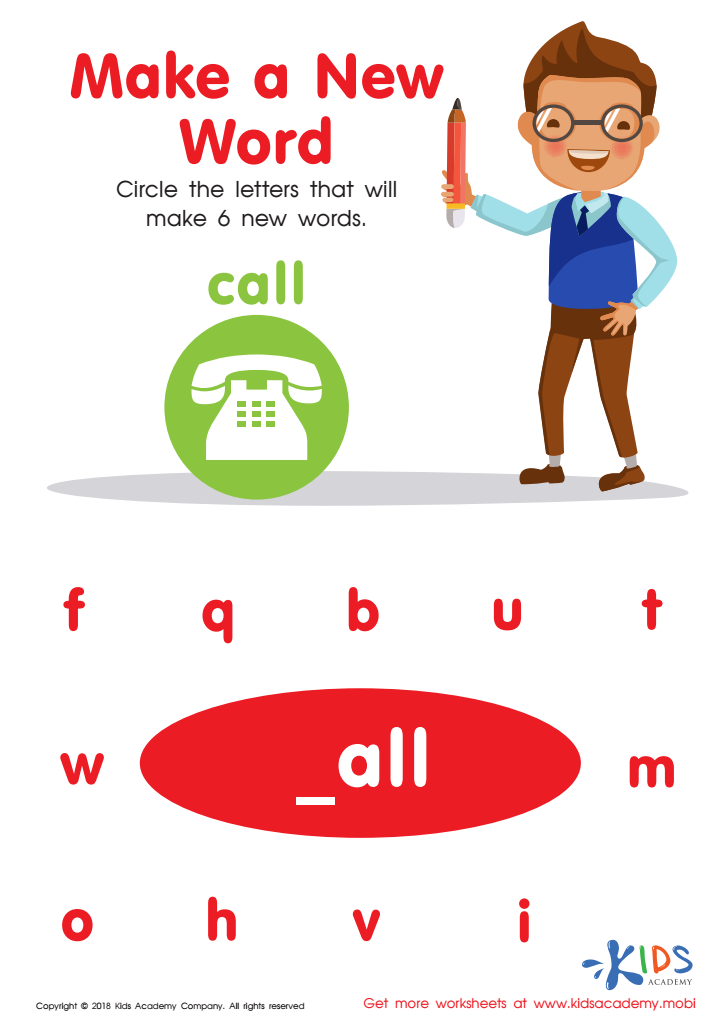
Make a New Word Worksheet








Parents and teachers should prioritize reading comprehension for children ages 4-6 because it lays the foundation for a lifetime of learning. At this critical developmental stage, young children are not just learning to read but are also developing crucial cognitive and language skills. Reading comprehension helps them understand and process information, fostering critical thinking abilities and expanding their vocabulary.
By introducing extra challenges related to reading comprehension, educators and parents can engage children in deeper conversations about stories, encouraging them to ask questions, make predictions, and draw connections to their own experiences. This active engagement stimulates curiosity and promotes higher-order thinking. Furthermore, developing strong comprehension skills at an early age allows children to transition more smoothly into higher levels of academic reading as they progress in school.
Additionally, fostering a love for reading and comprehension boosts children’s confidence and can positively affect their social-emotional development. It instills a sense of accomplishment that inspires a lifelong desire to learn. In an increasingly complex world filled with information, equipping young children with comprehensive reading strategies will empower them to navigate both academic challenges and everyday life more effectively. Thus, prioritizing reading comprehension at this age is essential for holistic growth and success.








