Cognitive Development Extra Challenge Worksheets for Ages 4-7 - Page 2
39 filtered results
-
From - To
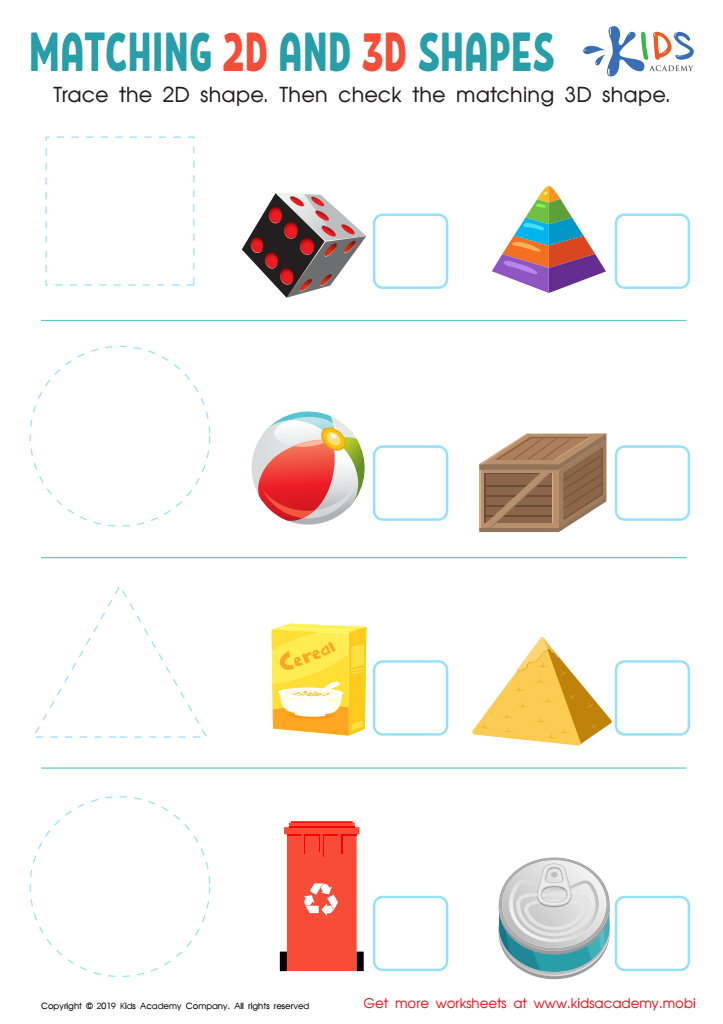
Matching 2D and 3D Shapes Worksheet
 Assign to My Students
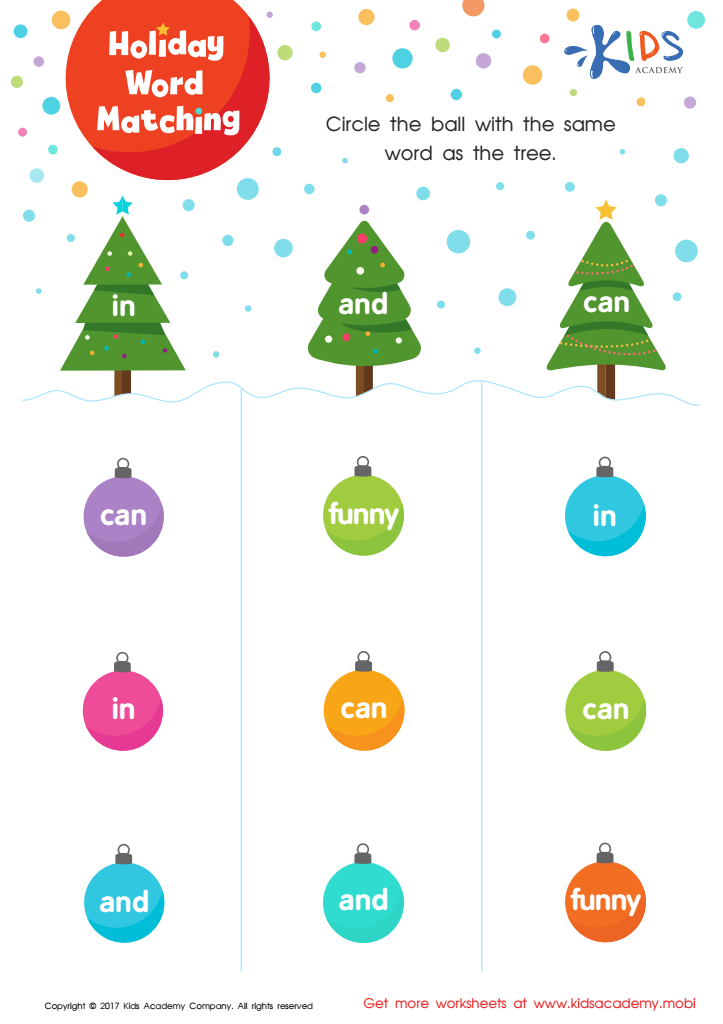
Holiday Word Matching Worksheet
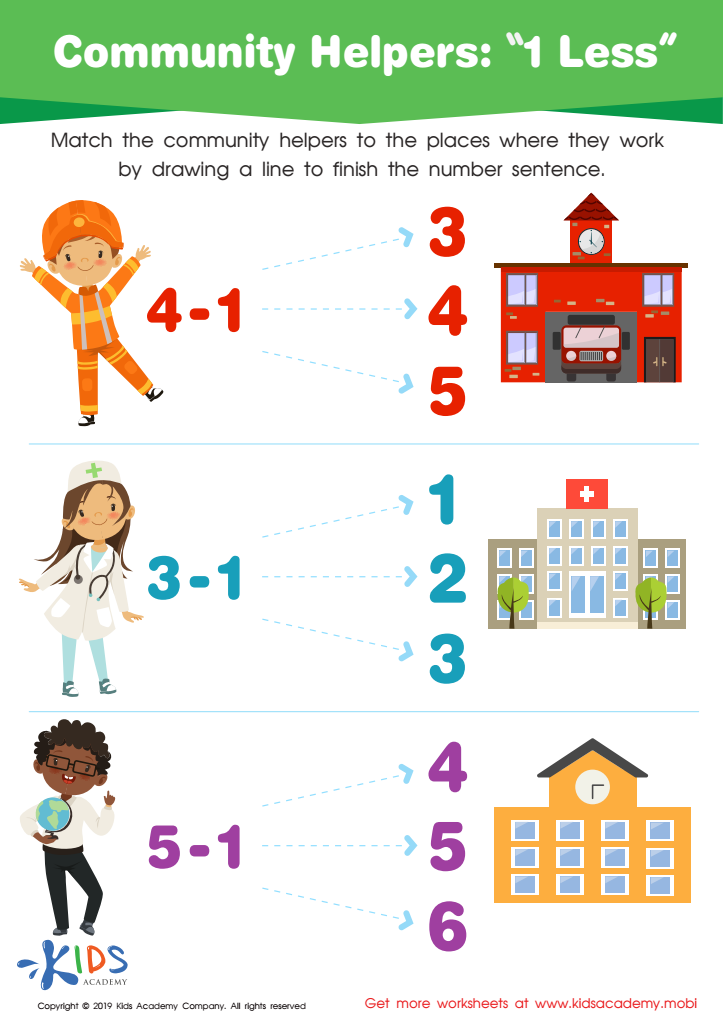
Community Helpers: 1 less Worksheet
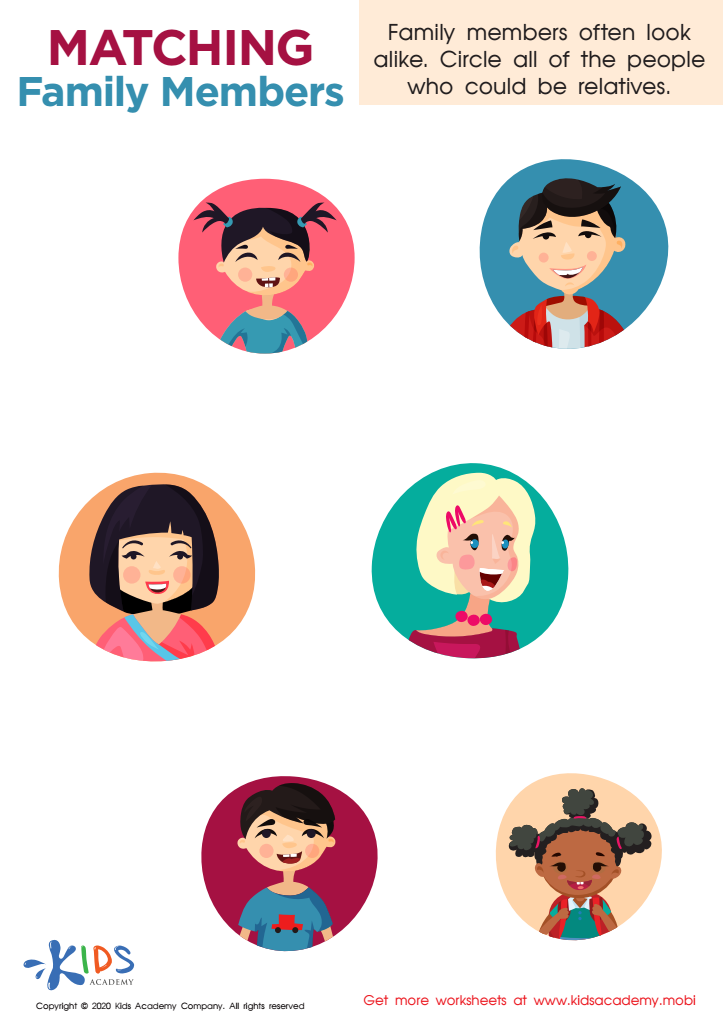
Matching Family Members Worksheet

Pirate Ship Connect Dots Worksheet
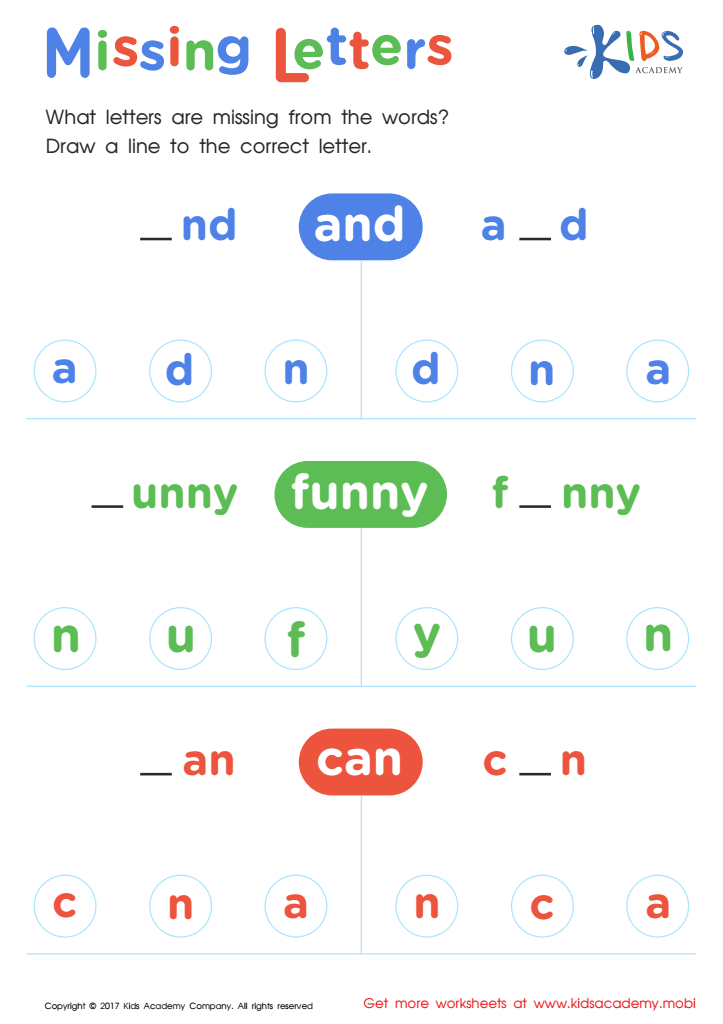
Missing Letters Worksheet
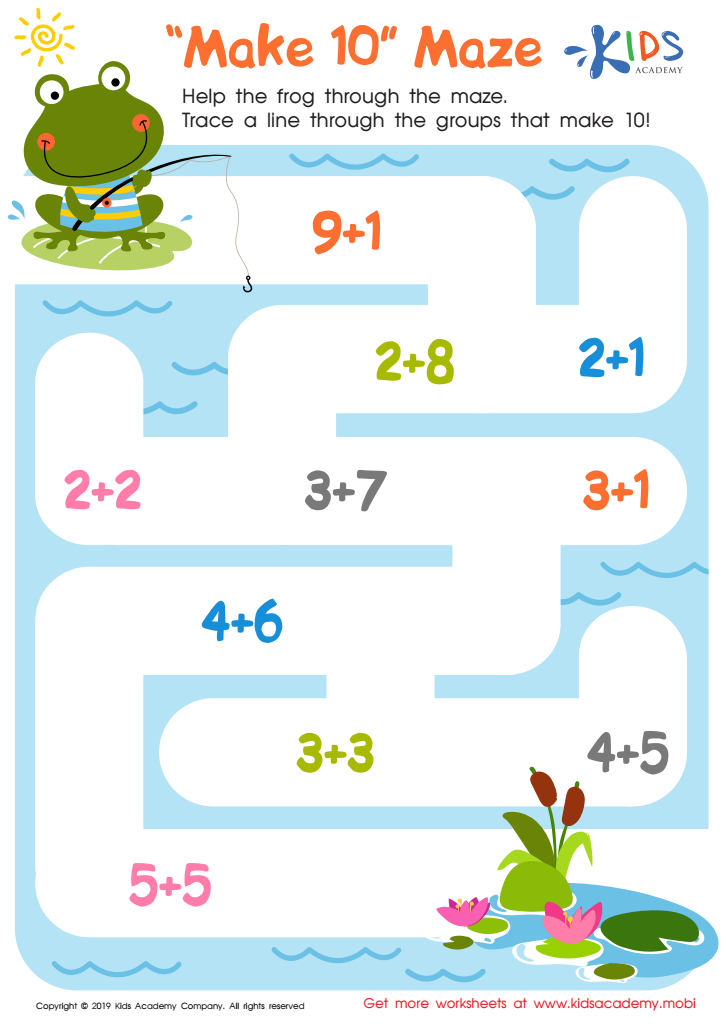
Make 10 Maze Worksheet
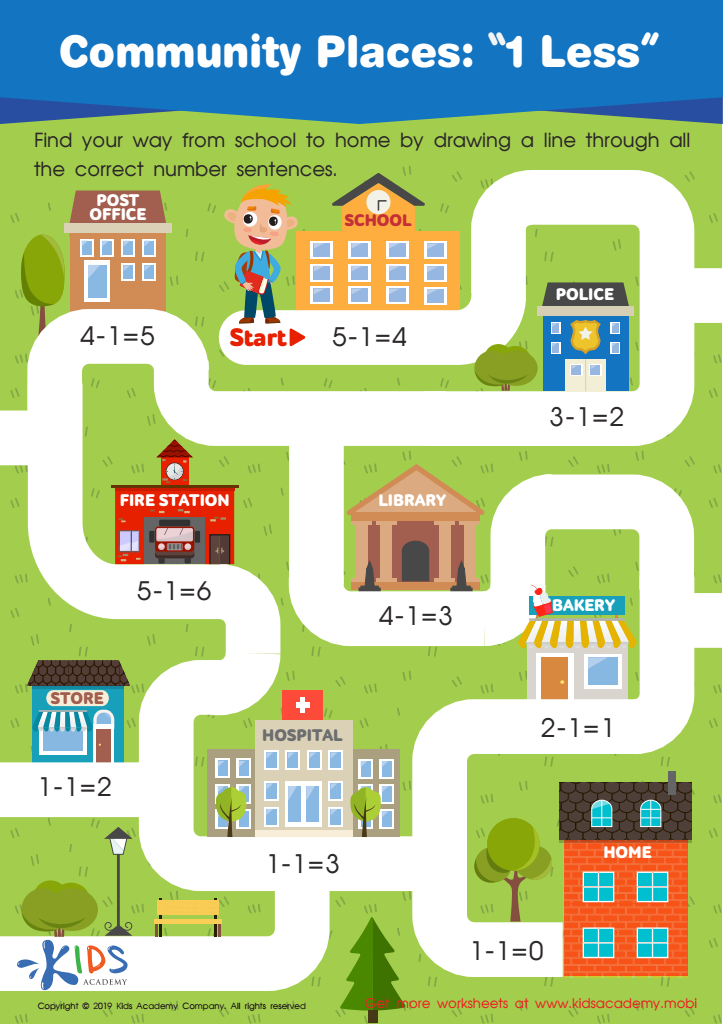
Community Places: 1 Less Worksheet
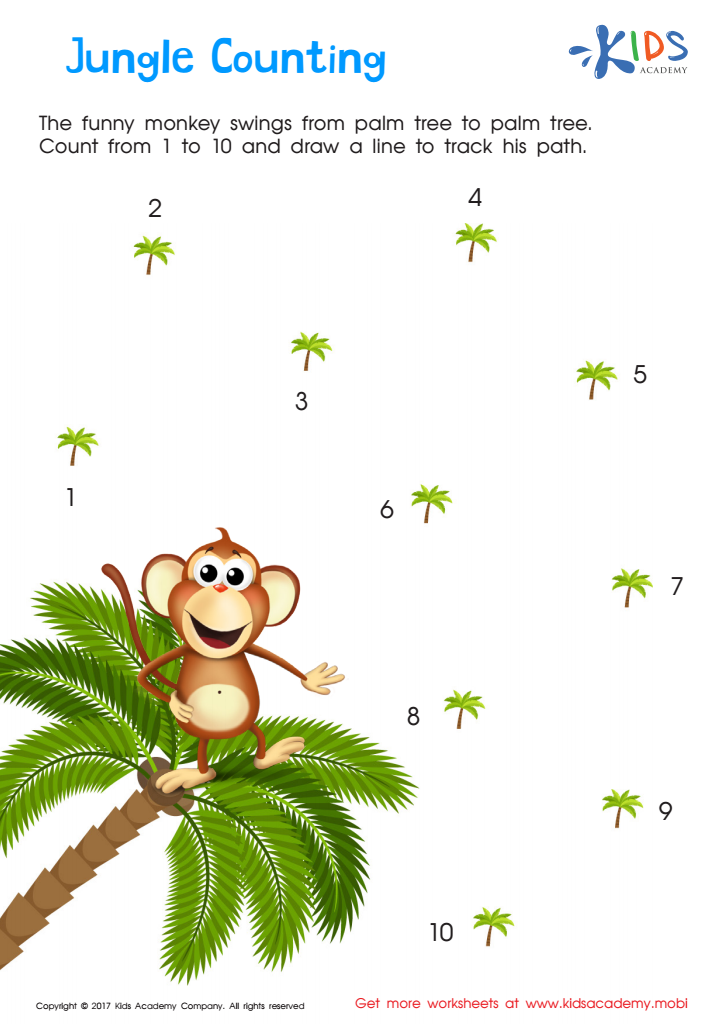
Jungle Counting Connect Dots Worksheet
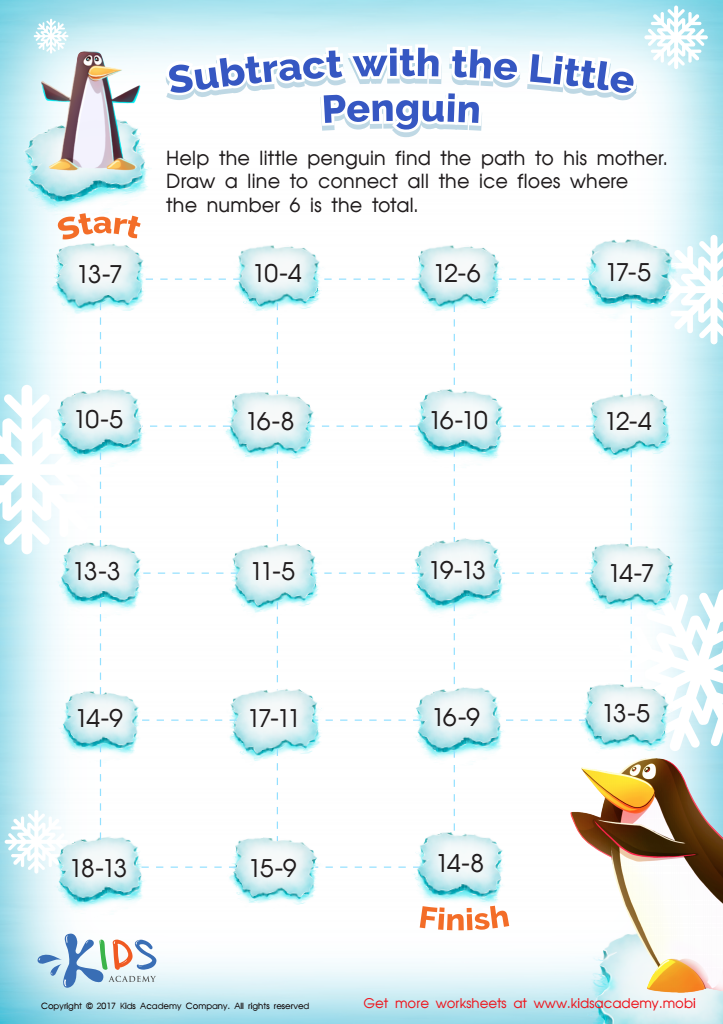
Subtract With The Little Penguin Substraction Worksheet
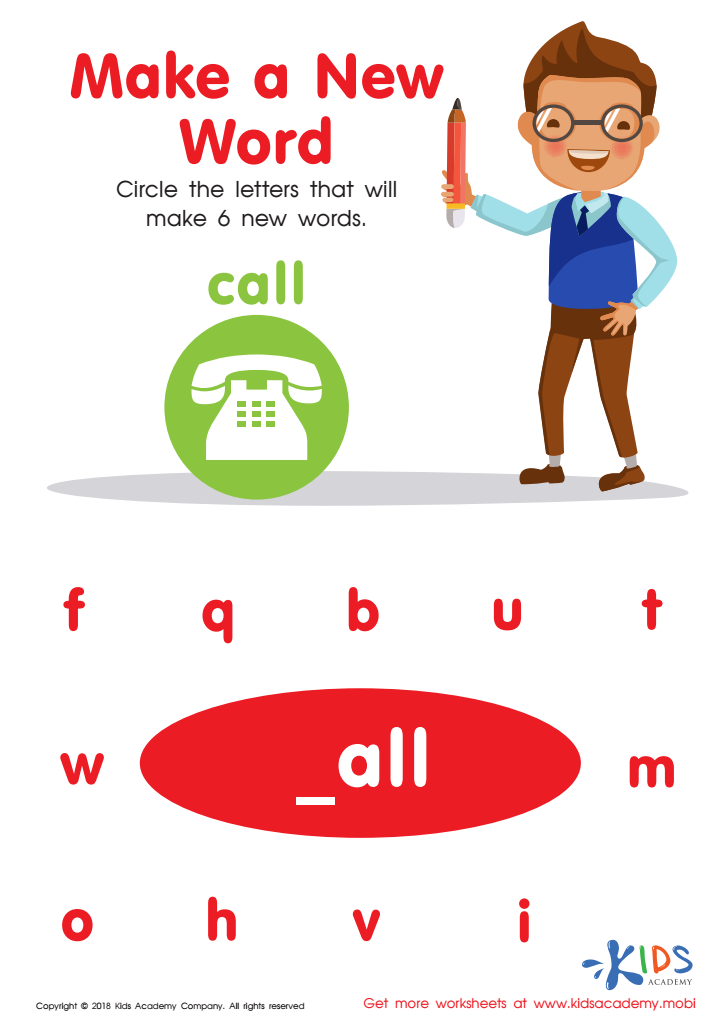
Make a New Word Worksheet
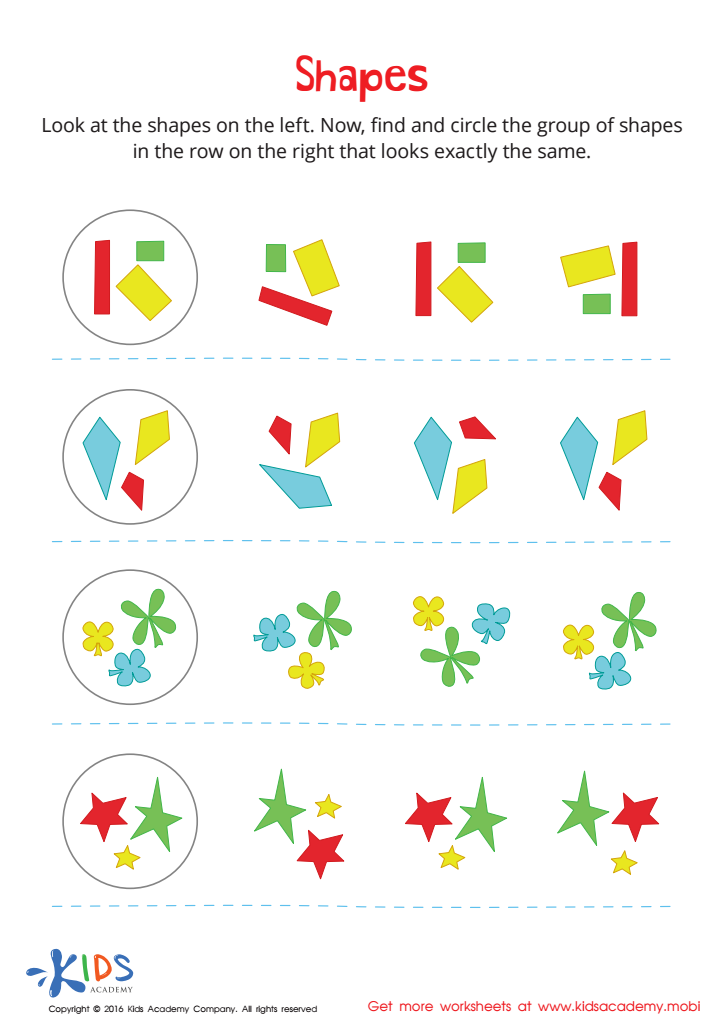
Shapes Worksheet
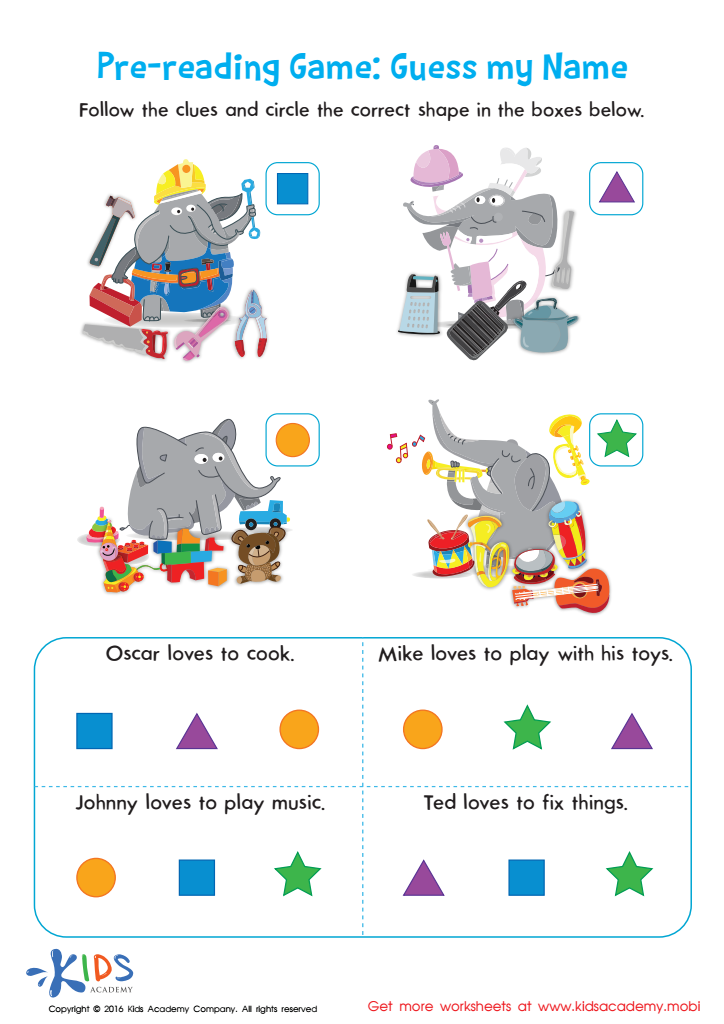
Pre Reading Worksheet Guess My Name
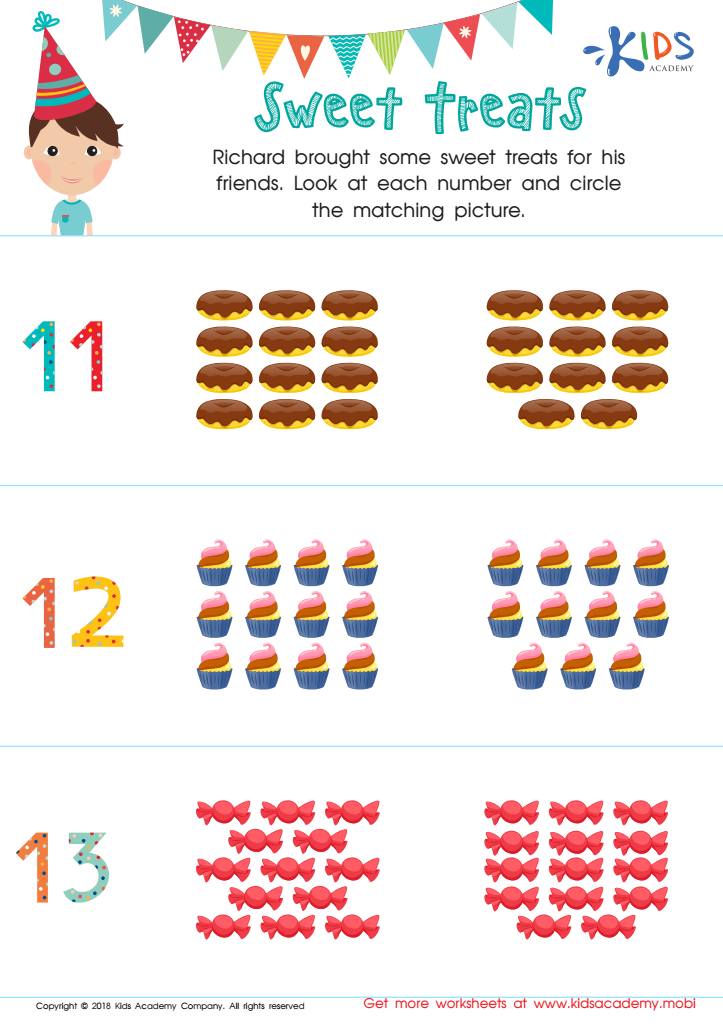
Kindergarten Math Worksheet Matching Numbers
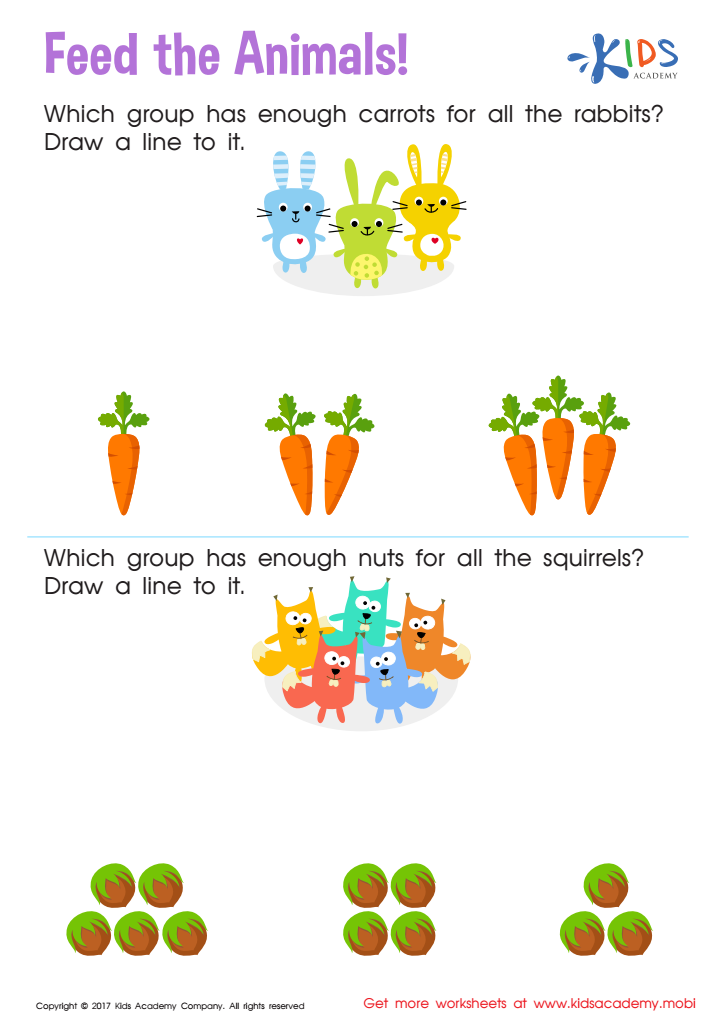
Count and Match: Feed the Animals Worksheet








During the crucial ages of 4-7, children undergo substantial cognitive development that lays the foundation for future learning and problem-solving skills. Parents and teachers should actively engage in providing cognitive development extra challenges because these formative years are when the brain is most adaptable and responsive to learning new concepts.
Extra challenges stimulate critical thinking, memory, and cognitive flexibility, which are essential for academic success. Activities like puzzles, memory games, and age-appropriate reasoning tasks encourage children to think deeply and develop problem-solving skills. These challenges also foster creativity and curiosity, driving them to explore and understand the world around them.
Moreover, cognitive development challenges boost confidence and resilience. When children successfully solve problems or learn new skills, they build self-esteem and are more likely to tackle future challenges with determination. This proactive attitude towards learning can result in a lifelong love for education.
Additionally, these early challenges can identify areas where a child may need extra support, allowing parents and teachers to intervene early. Tailoring learning experiences to match individual needs ensures that each child reaches their full potential.
In sum, investing in cognitive development extra challenges from ages 4-7 paves the way for well-rounded intellectual growth, enhancing both current and future educational outcomes.








