Mathematical thinking Extra Challenge Worksheets for Ages 4-7
4 filtered results
-
From - To
Unlock your child’s potential with our Mathematical Thinking Extra Challenge Worksheets for ages 4-7! Designed to foster critical thinking and problem-solving skills, these engaging worksheets are perfect for young learners ready to take their math capabilities to the next level. Each worksheet features fun and interactive exercises that encourage children to explore concepts such as patterns, shapes, and simple arithmetic in a delightful way. Support your child’s early education with challenging tasks that promote curiosity and build confidence. Visit our site to download these resources and nurture your child’s mathematical journey today! Let’s make learning math fun and exciting!
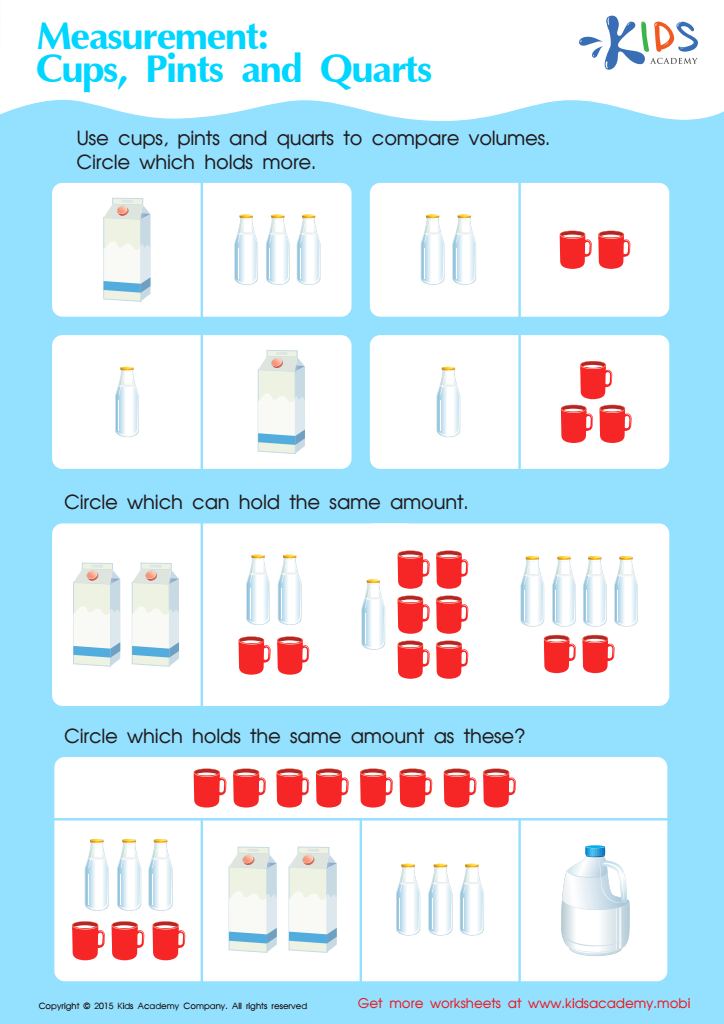
Measurement: Compare Volumes Worksheet
 Assign to My Students
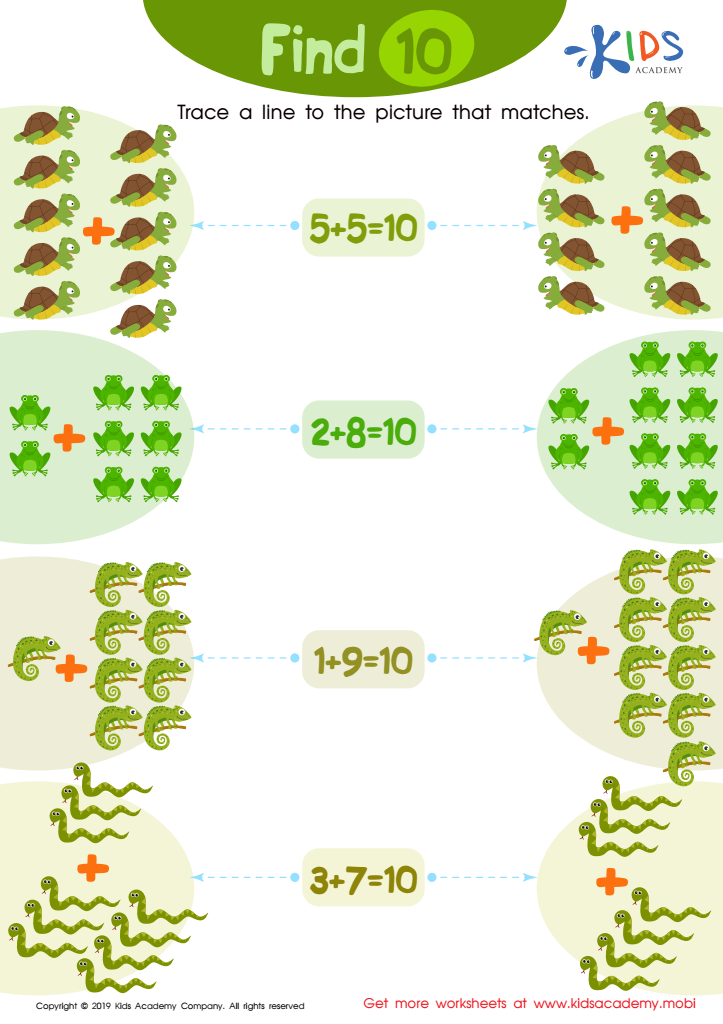
Find 10 Worksheet
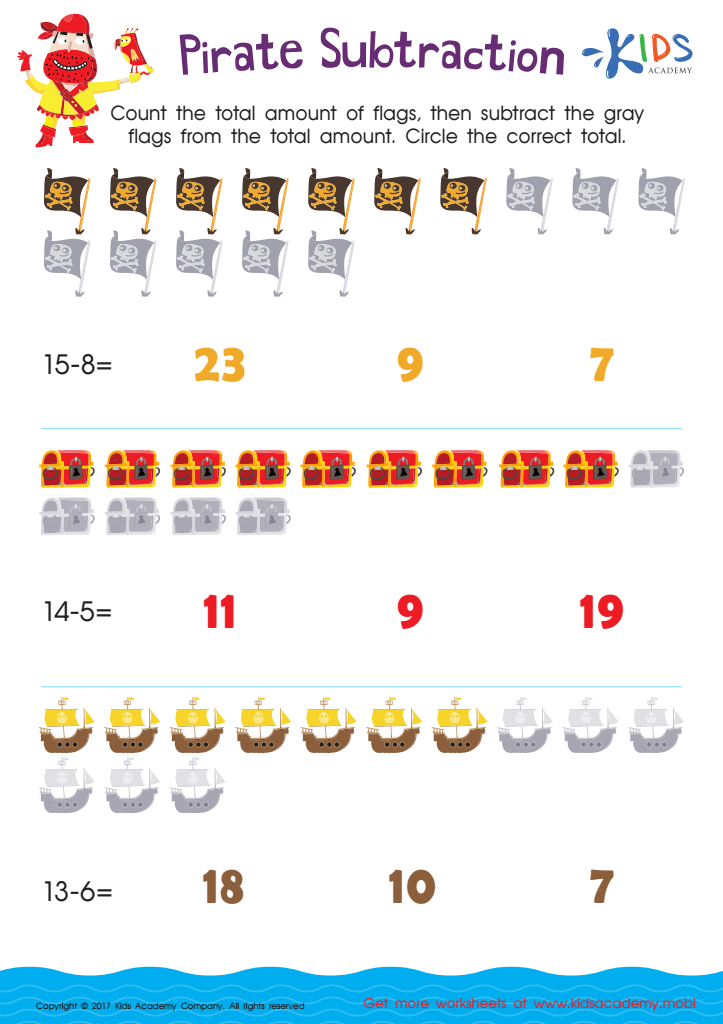
Pirate Subtraction Substraction Worksheet
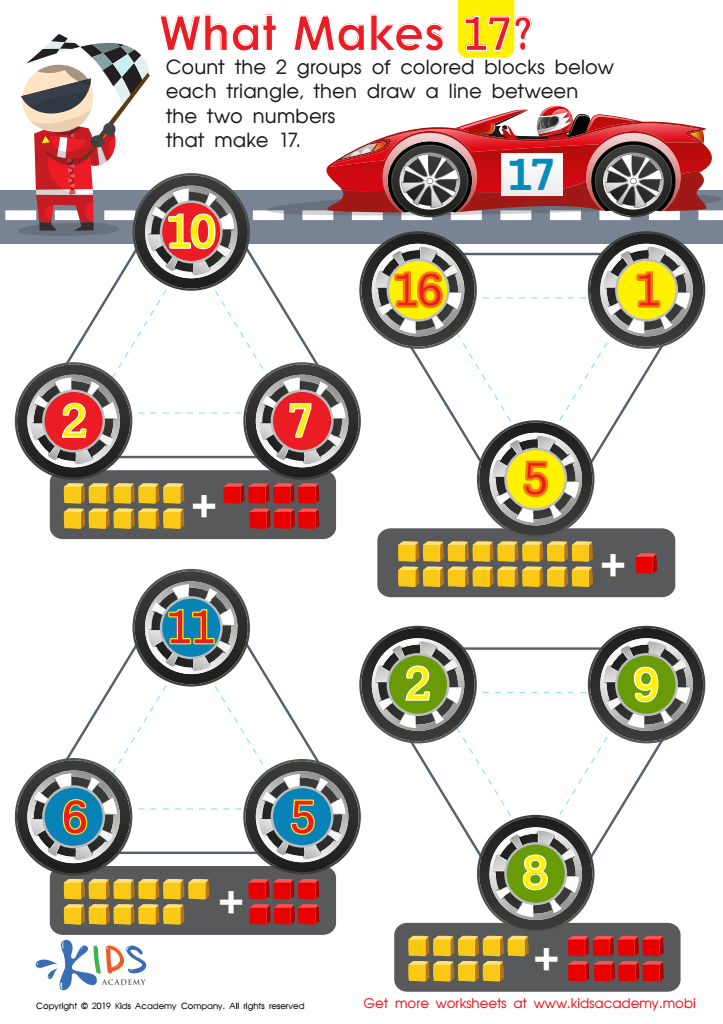
What Makes 17 Worksheet








Parents and teachers should prioritize Mathematical Thinking Extra Challenge for ages 4-7 because early mathematical skills lay the foundation for lifelong learning and critical thinking. During these formative years, children are naturally curious, and engaging them in math-related activities cultivates this curiosity into a structured understanding of concepts.
Mathematical thinking enhances problem-solving abilities; it encourages children to recognize patterns, grasp basic operations, and comprehend spatial relationships. When children grapple with challenges appropriate for their developmental stage, they develop resilience, learning how to approach and solve problems creatively.
Moreover, early math skills are strongly correlated with later academic success. By incorporating fun and engaging challenges, parents and teachers can turn mathematical concepts into interactive experiences that enhance children's motivation and interest in learning.
Additionally, fostering these skills works towards reducing anxiety surrounding mathematics, often experienced later in school. Early engagement helps build positive attitudes towards math, enabling students to view it as an exciting puzzle rather than a daunting task. In conclusion, introducing Mathematical Thinking Extra Challenge not only enriches early educational experiences but also lays a robust groundwork for future academic excellence and a love for lifelong learning in mathematics.








