Extra Challenge Comparison Worksheets for Ages 4-7
7 filtered results
Difficulty Level
Grade
Age
-
From - To
Subject
Activity
Standards
Unlock the educational potential of your little learners with our Extra Challenge Comparison Worksheets designed specifically for ages 4-7. These engaging resources help young minds build crucial understanding of comparison concepts through a variety of fun and interactive activities. Ideal for enhancing skills in greater than, less than, and equal to, our worksheets encourage critical thinking and problem-solving while making learning enjoyable. Tailored for early education, these worksheets support foundational math skills and are perfect for homework, classroom use, or extra practice at home. Explore our collection and give your child the extra challenge they need to excel!
Favorites
With answer key
Interactive
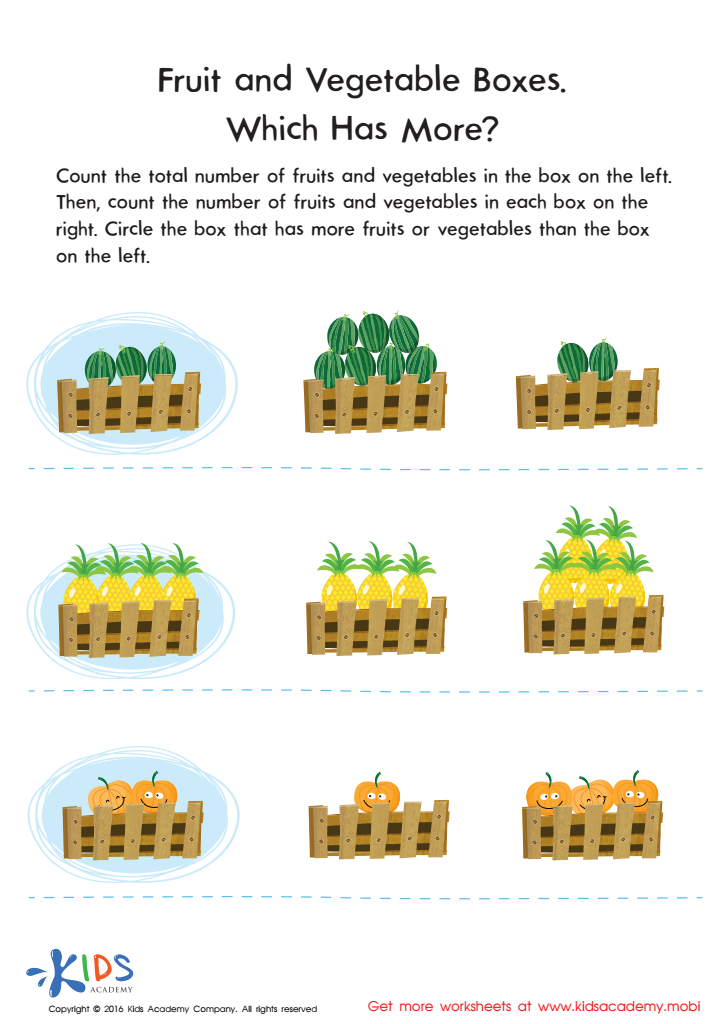
Which Has More? Size Worksheet
This worksheet is perfect for your child to practice critical thinking and logical reasoning. Your child will count and compare the fruits and veggies in the crates to decide which one has more. They will use complex cognitive skills and practice following precise rules. Guide them through the directions and help keep their focus, while enjoying the images.
 Assign to My Students
Which Has More? Size Worksheet
Worksheet
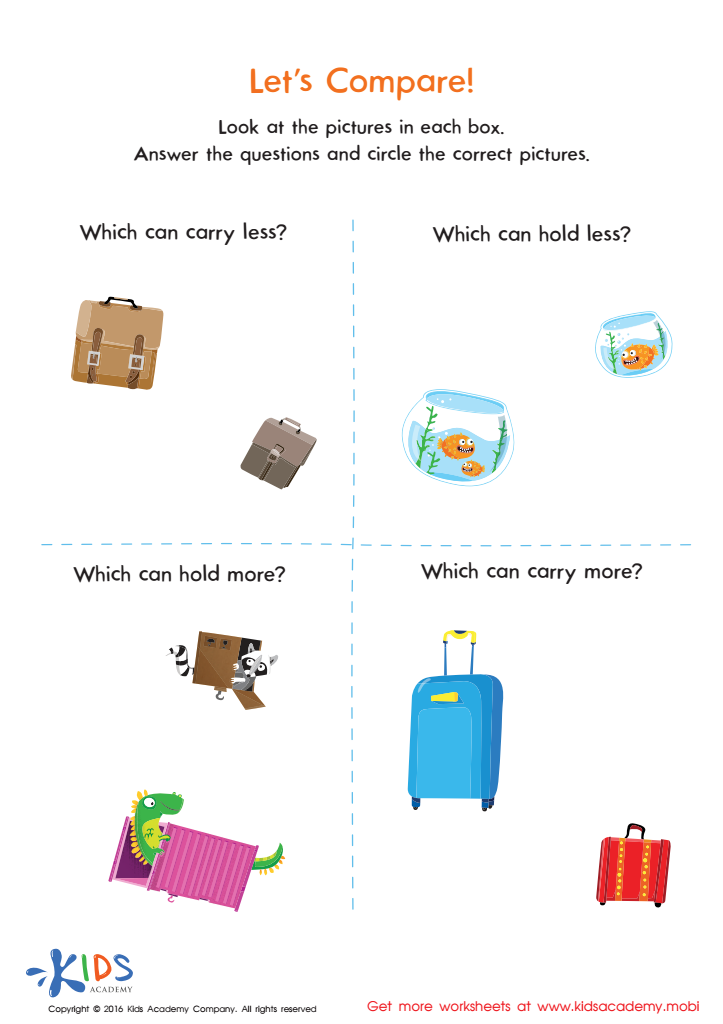
Let's Compare Worksheet: Big or Small
This worksheet will help your child gain an awareness of simple geometry and strengthen cognitive skills. Visualizing objects in 3D and comparing sizes helps to practice solving problems mentally and build analytical skills. Let's Compare worksheet will challenge your child to think hard.
Let's Compare Worksheet: Big or Small
Worksheet
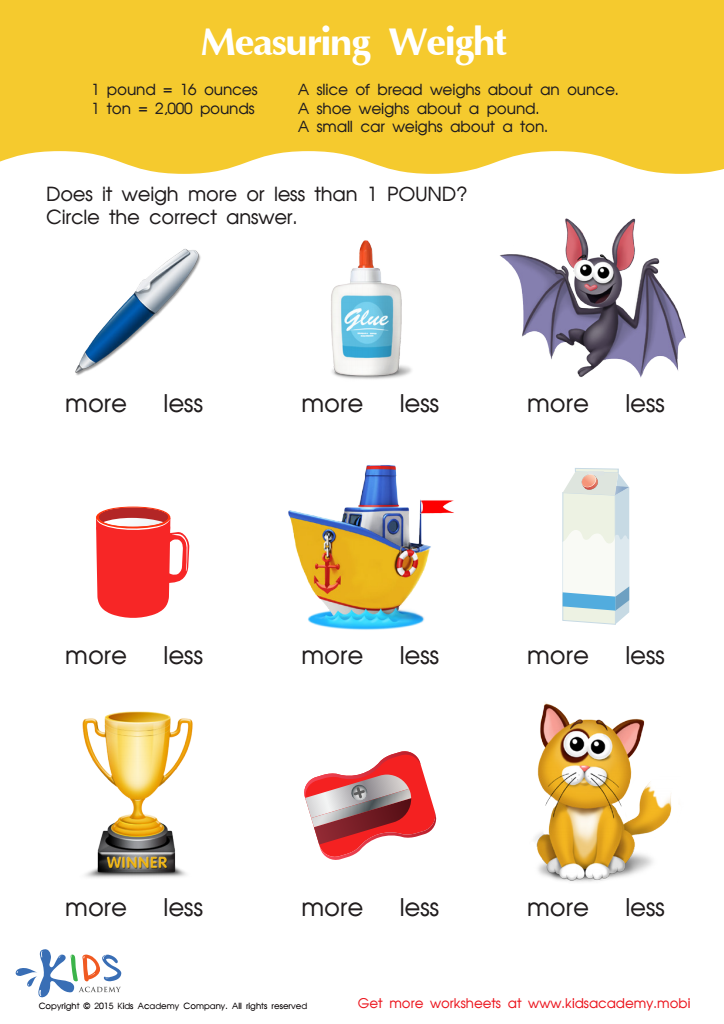
Measuring weight in pounds Worksheet
Help your kids comprehend pounds with our free worksheet. Everyday objects are compared to one pound, helping them understand this weight unit. Find the whole collection of free math worksheets by Kids Academy on our website. Make studying fun for your kids with our free printable worksheets!
Measuring weight in pounds Worksheet
Worksheet
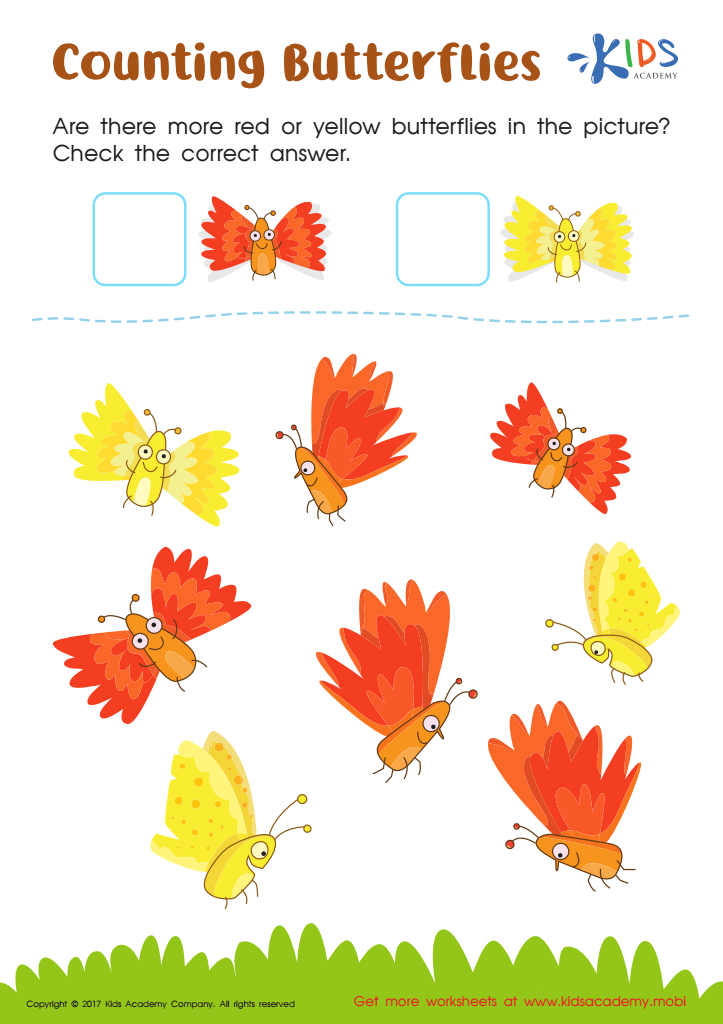
Counting Butterflies Worksheet
Count and compare the butterflies in the picture with your child. How many are red, and how many are yellow? Stimulate thinking and counting skills while having fun. Check the answers when you're done.
Counting Butterflies Worksheet
Worksheet
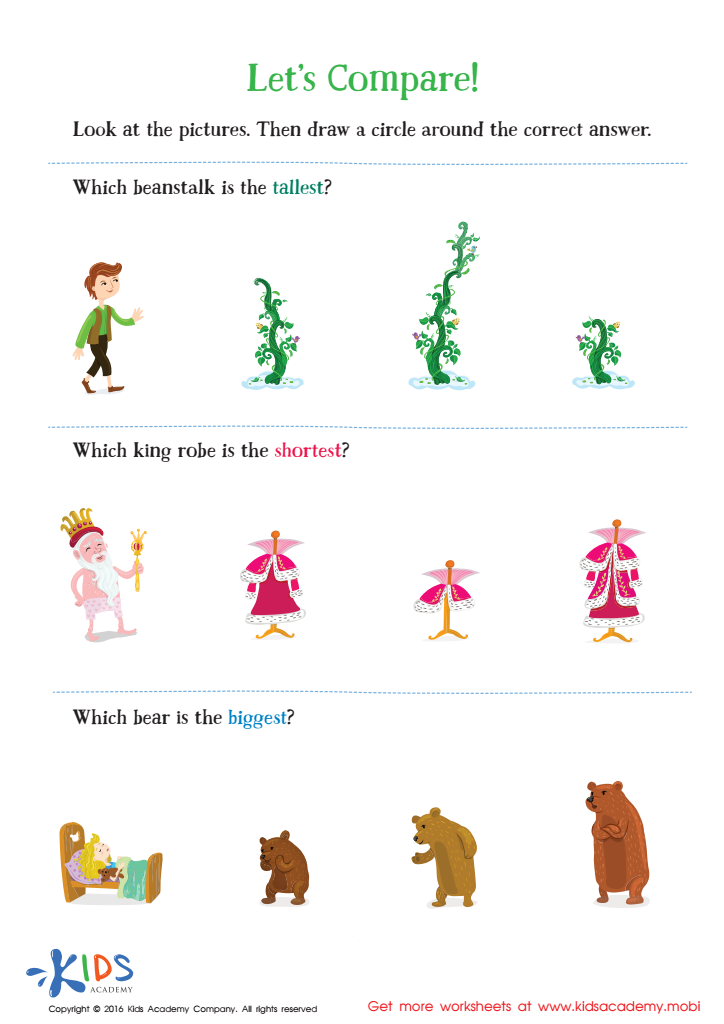
Fairy Tale Worksheet: Let's Compare
Preschoolers need to recognize different sizes of objects. This worksheet combines fun fairy tales with size practice, helping them read, problem solve, and sort through pictures. Your child will love the images and be eager to complete it. Enhance their learning by talking about the tales to build comprehension.
Fairy Tale Worksheet: Let's Compare
Worksheet
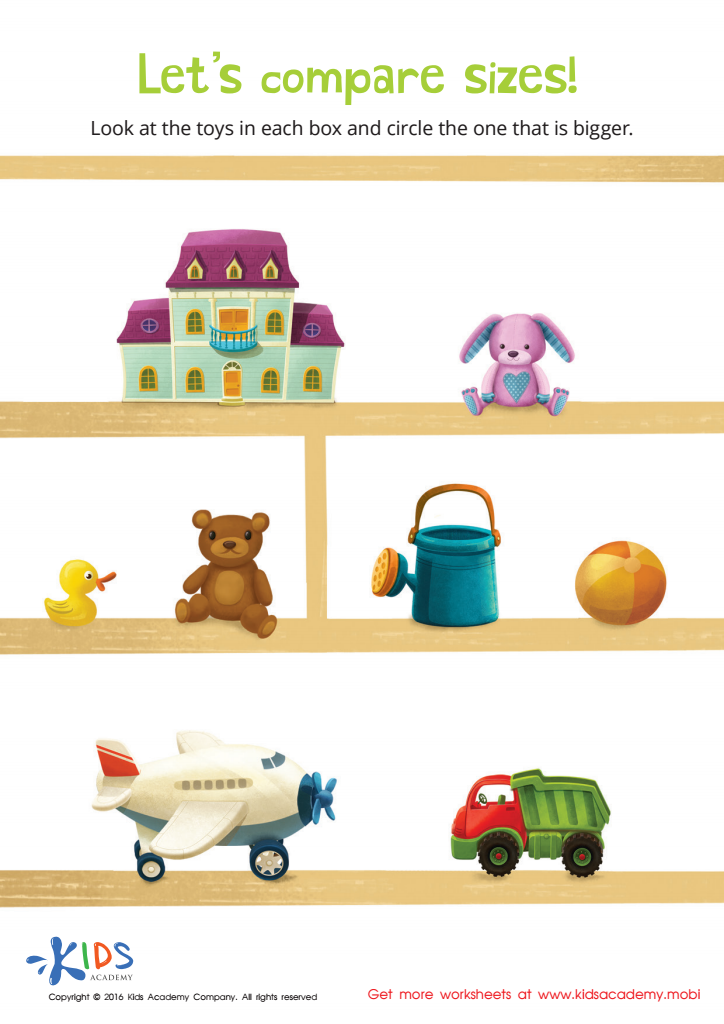
Classifying by Size Sorting Worksheet
Help your preschooler recognize differences in size using this fun worksheet! Your child will engage in important spatial recognition and problem-solving skills while talking with you about objects that can be small or large. Enjoy the vibrant pictures together!
Classifying by Size Sorting Worksheet
Worksheet
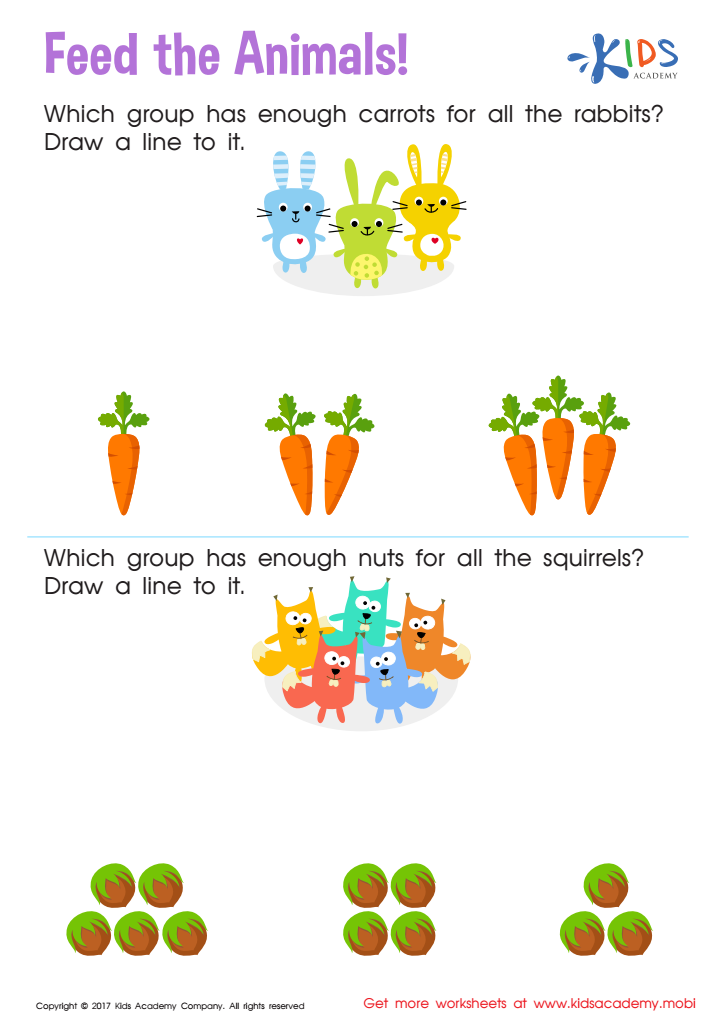
Count and Match: Feed the Animals Worksheet
Learning and growing involves more than just numbers, phonics and comparison. This Feed the Animals worksheet helps kids to exercise their reasoning skills. They must work out how many rabbits and carrots there are, and then repeat the process for the squirrels. This encourages problem solving and counting skills.
Count and Match: Feed the Animals Worksheet
Worksheet
Join Kids Academy for Free
Who is primarily going to use this learning content?


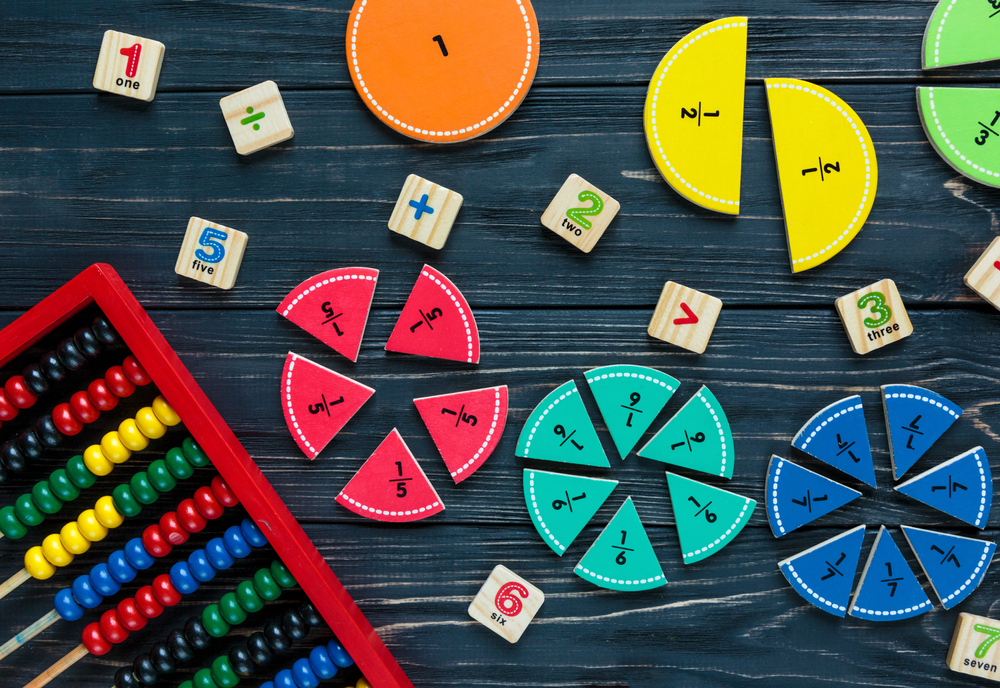
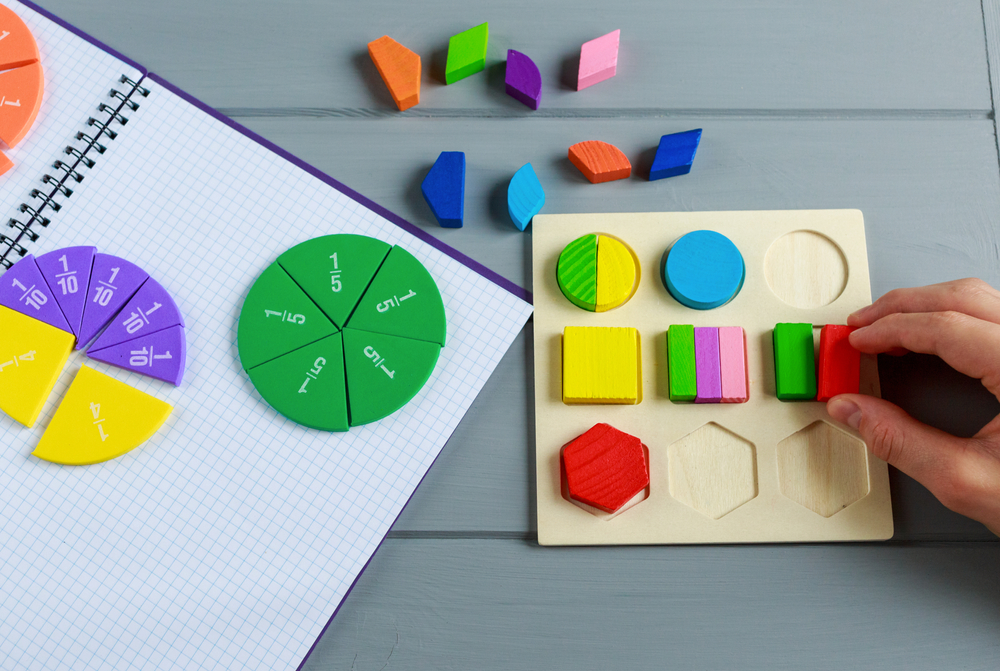




Parents and teachers should care about Extra Challenge Comparison for ages 4-7 because it provides valuable insights into children's developmental progress in academic and social skills. At this stage, children are rapidly absorbing knowledge and forming foundational skills that will affect their future learning. By comparing extra challenge opportunities, educators can identify gaps in knowledge or skills and tailor activities to meet each child’s unique needs.
Additionally, utilizing appropriate challenges fosters a growth mindset. It encourages children to extend their thinking, overcome difficulties, and develop resilience. Personalized challenges can help maintain engagement and prevent boredom or frustration, promoting a love for learning. Furthermore, it equips parents with the tools to support their children at home, reinforcing what’s learned in school.
Extra Challenge Comparison also sets benchmarks for evaluating success relative to peers, helping educators and parents to understand where children stand academically. This fosters constructive conversations around strengths and areas for improvement, allowing for targeted support and reinforcement.
Ultimately, embracing this approach facilitates holistic development, ensuring that all children, regardless of their starting point, are encouraged to reach their full potential. Thus, prioritizing this aspect of early education benefits individual learners and contributes positively to the learning environment as a whole.