Alphabet Recognition Extra Challenge ABC Order Worksheets for Ages 4-8
3 filtered results
-
From - To
Discover our engaging Alphabet Recognition Extra Challenge ABC Order Worksheets, specially designed for children ages 4-8. These interactive worksheets help kids strengthen their letter identification and sequencing skills while adding a fun challenge to their learning experience. With colorful visuals and thoughtfully crafted activities, your little ones will enjoy mastering the alphabet in order. Ideal for home or classroom use, these worksheets promote cognitive development and early literacy in a playful manner. Perfect for aspiring readers, they offer a stimulating way to reinforce fundamental skills essential for academic success. Boost your child's alphabet proficiency today with these exciting worksheets!
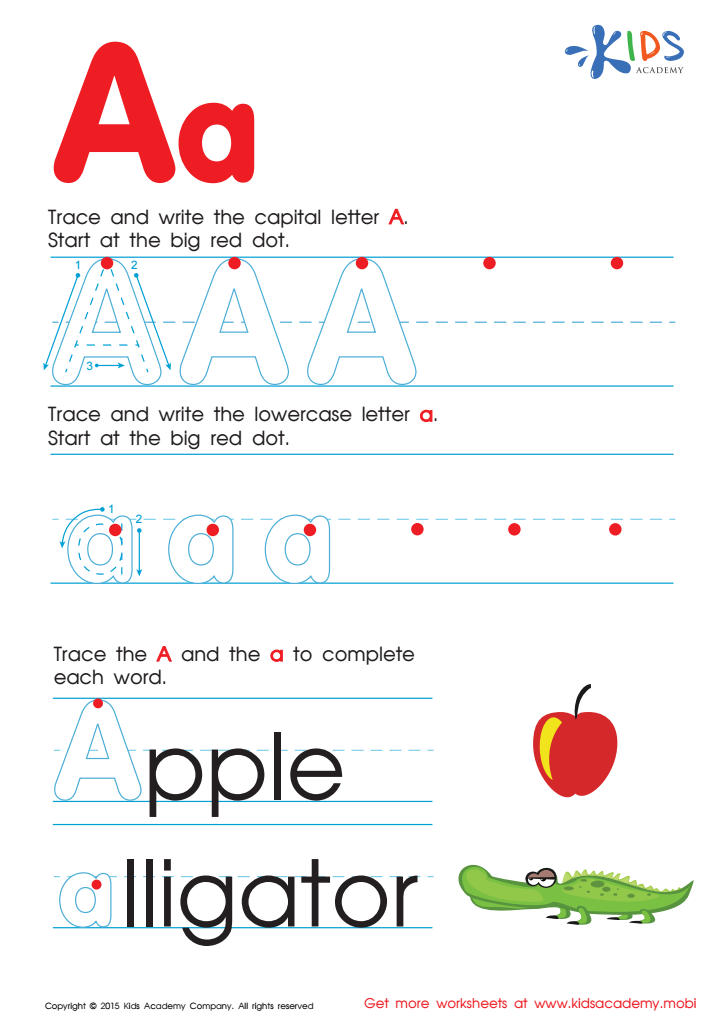
Letter A Tracing Page
 Assign to My Students
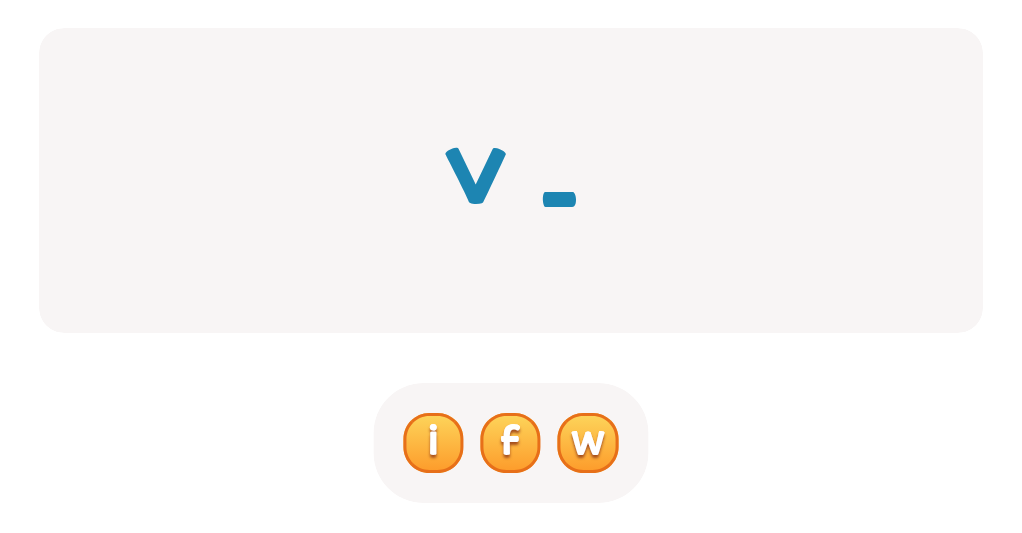

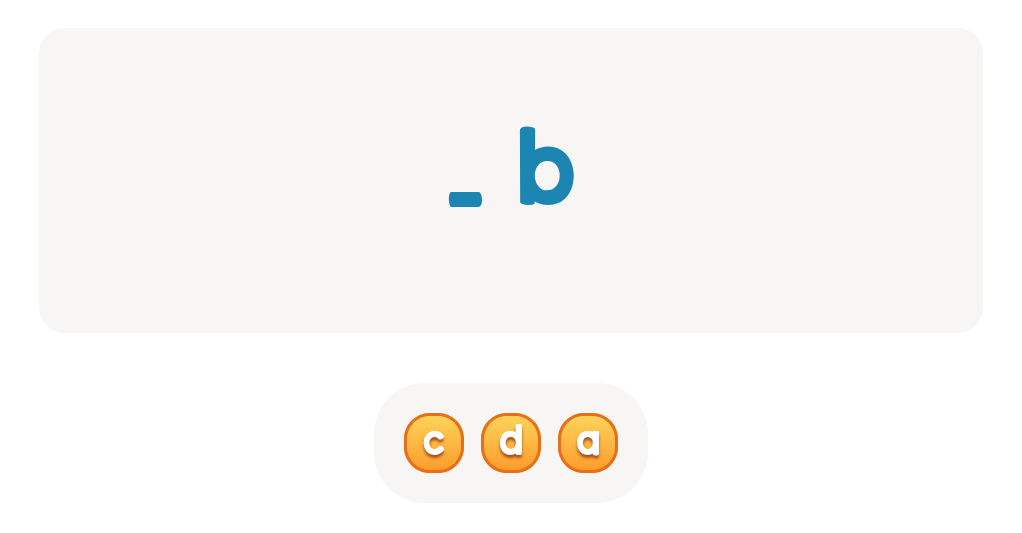
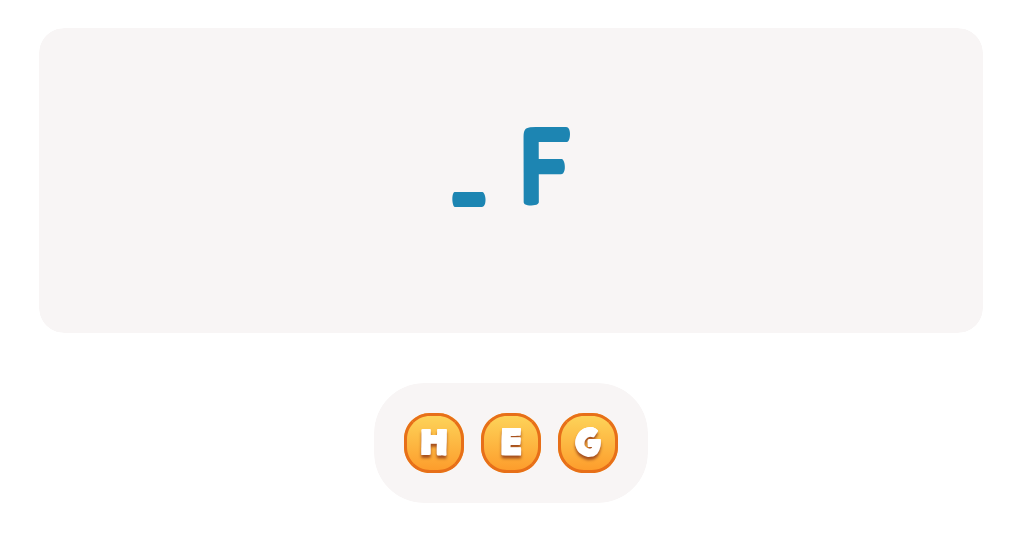

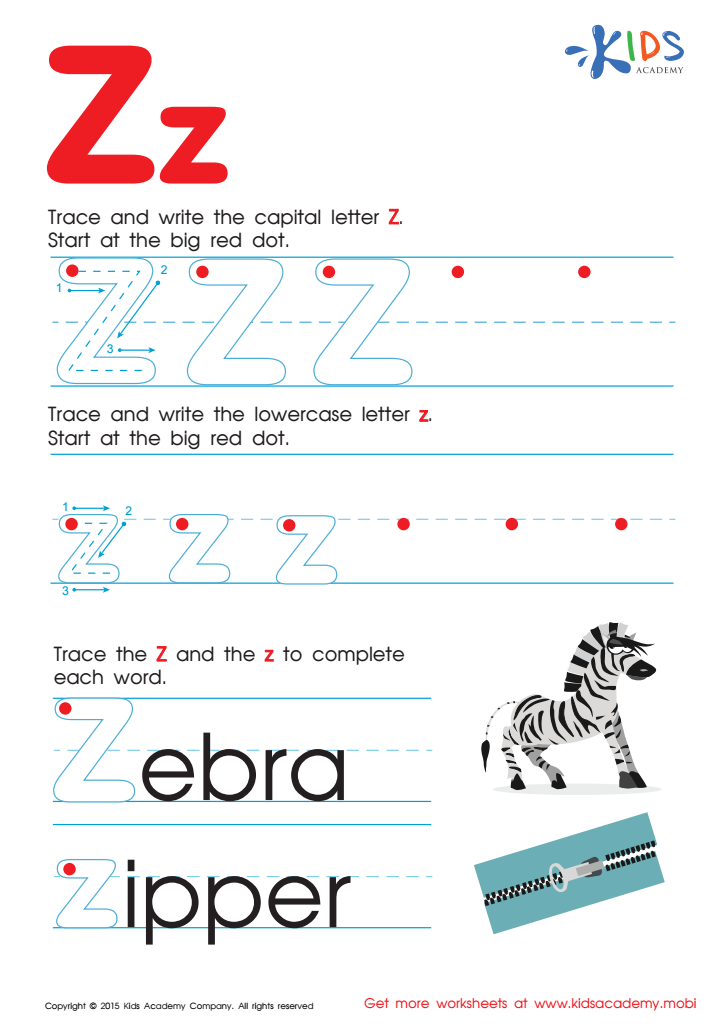
Letter Z Tracing Page
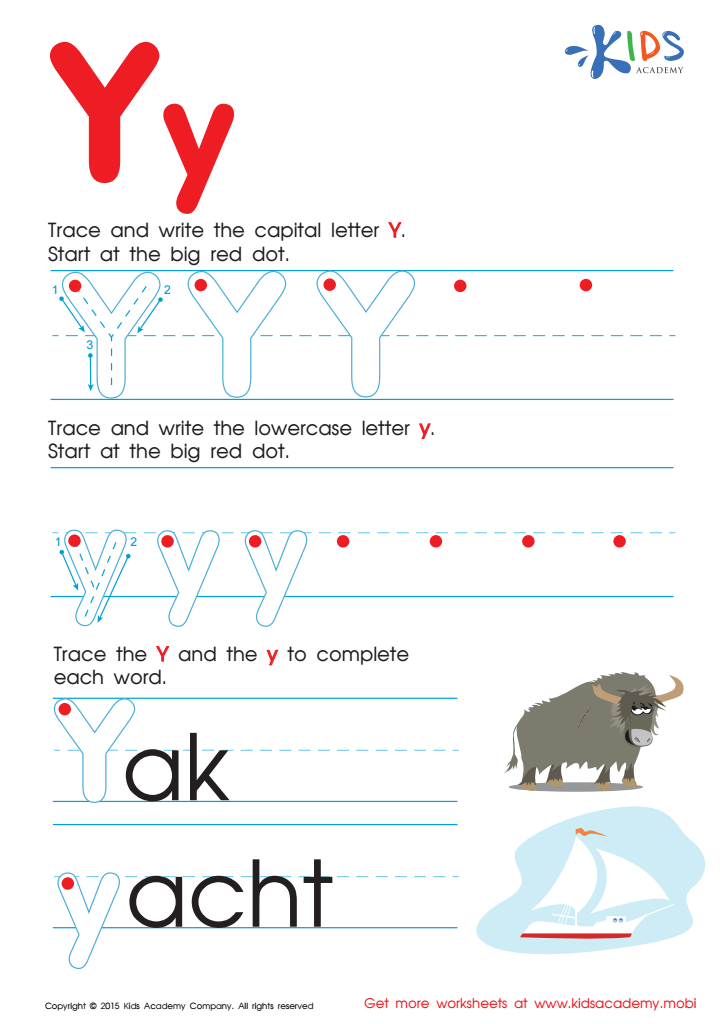
Letter Y Tracing Page








Alphabet recognition is a fundamental building block in early literacy development, making the "Alphabet Recognition Extra Challenge ABC Order" an invaluable resource for children aged 4-8. Parents and teachers should care about this initiative because it directly enhances a child's ability to identify and understand letters, which is crucial for reading and writing skills. By knowing the alphabet, children can decode words, recognize familiar signs, and gradually build their vocabulary.
Moreover, mastering the sequence of the alphabet is essential in developing organizational skills that will benefit children throughout their educational journey. Activities that engage children in putting letters in order not only bolster cognitive abilities but also foster teamwork and communication skills when done in group settings.
Implementing such challenges can also make learning interactive and fun, igniting a passion for education. When children engage with letters through games, songs, or sorting activities, they build confidence and improve their ability to learn independently.
Furthermore, early promotion of alphabet recognition encourages positive attitudes toward reading. The earlier children are equipped with these foundational skills, the more successfully they will navigate more complex literacy lessons as they progress through school. Consequently, investing in activities like the Alphabet Recognition Extra Challenge creates enthusiastic and capable learners.








