Phonics Skills Extra Challenge Alphabet Worksheets for Ages 4-8
6 filtered results
-
From - To
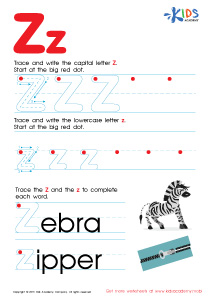
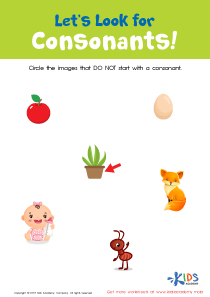
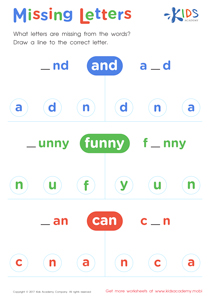
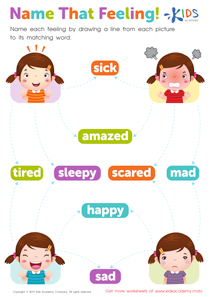
Unlock a world of learning with our "Phonics Skills Extra Challenge Alphabet Worksheets for Ages 4-8"! Designed to bolster early reading abilities, these engaging materials help young learners master the alphabet through exciting and interactive tasks. Each worksheet targets critical phonics skills, such as letter recognition, sound matching, and word formation. Perfect for both classroom settings and at-home practice, these exercises provide an extra challenge to keep eager minds stimulated and advancing. Empower your child’s educational journey with tools that make learning fun and effective. Visit us now to explore our wide range of alphabet worksheets tailored for ages 4-8!
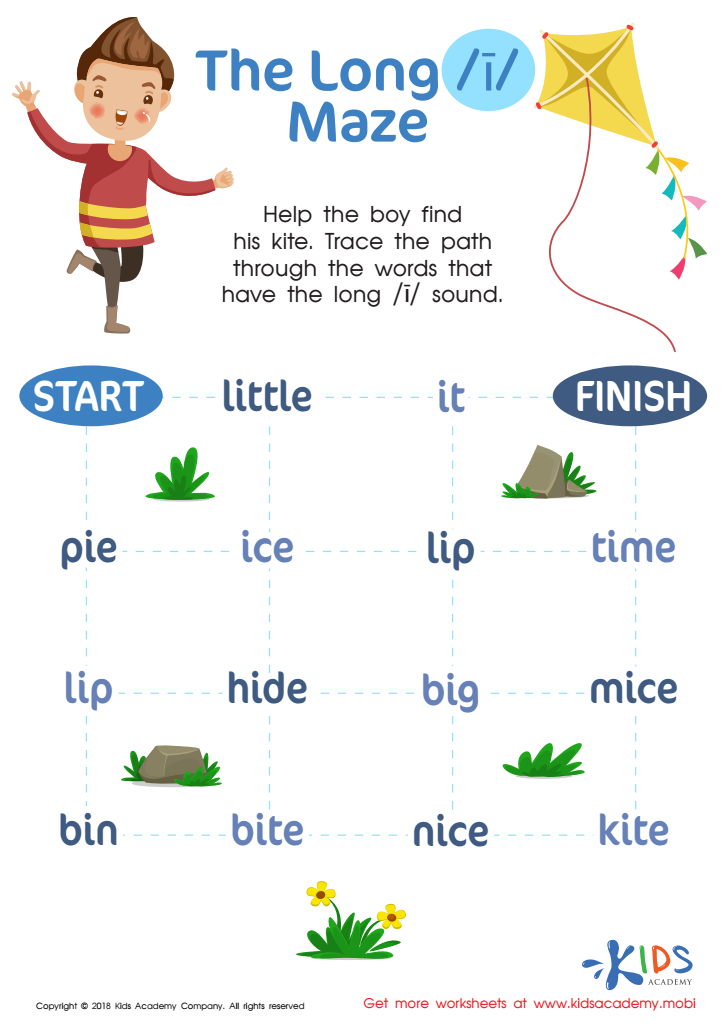
The Long I Maze Reading Worksheet
 Assign to My Students
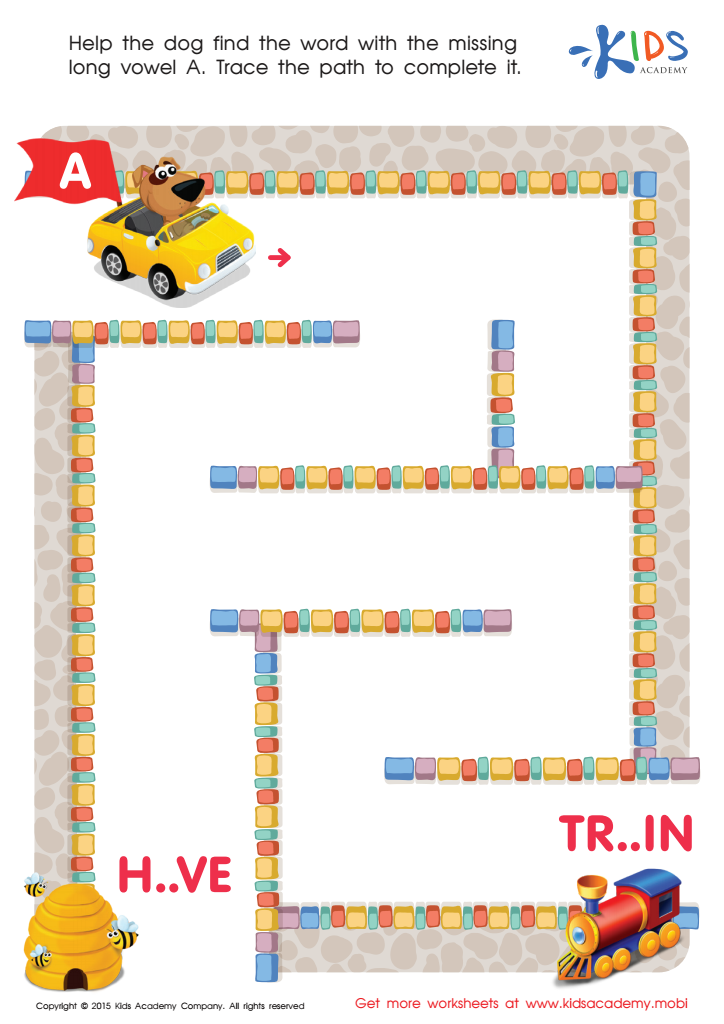
Long Vowel Sound A Worksheet
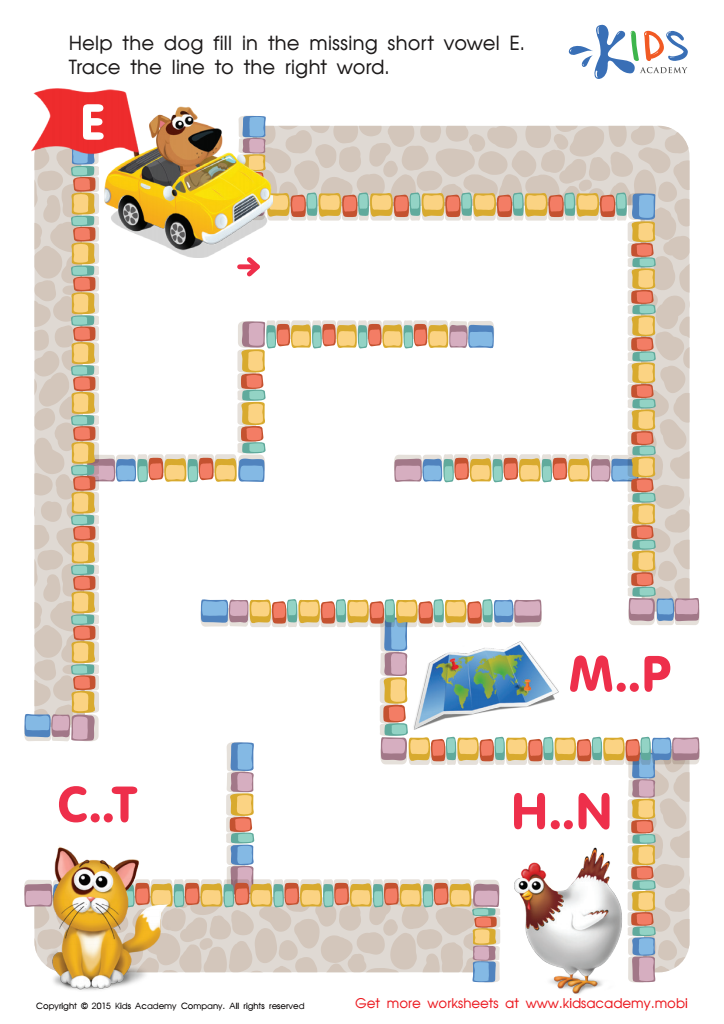
Short Vowel Sound E Worksheet
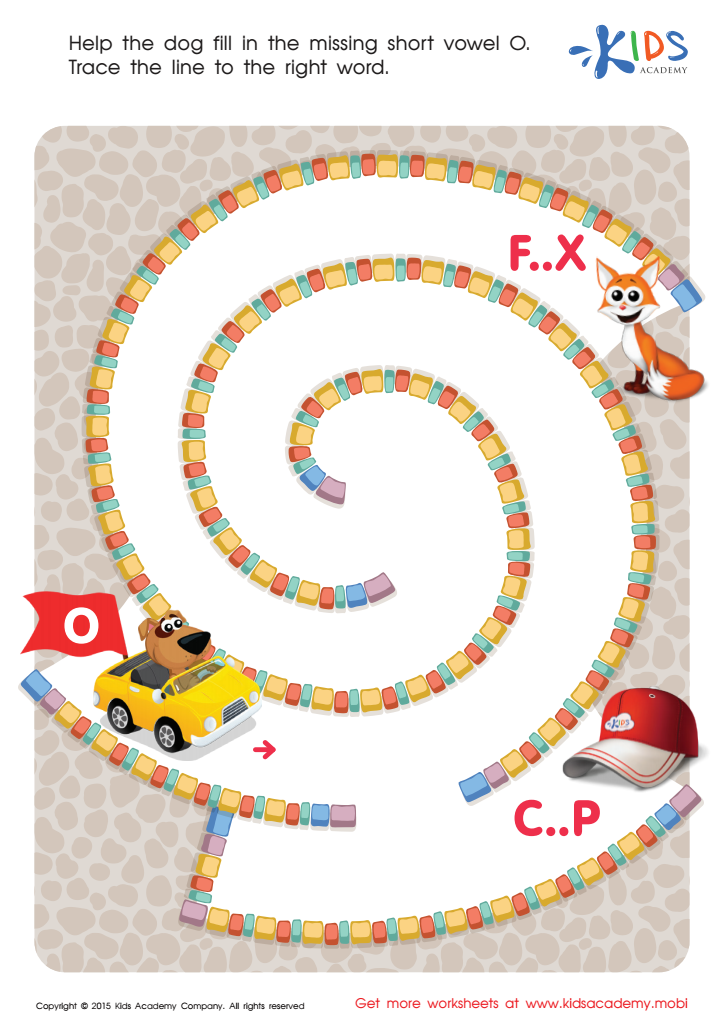
Short Vowel Sound O Worksheet
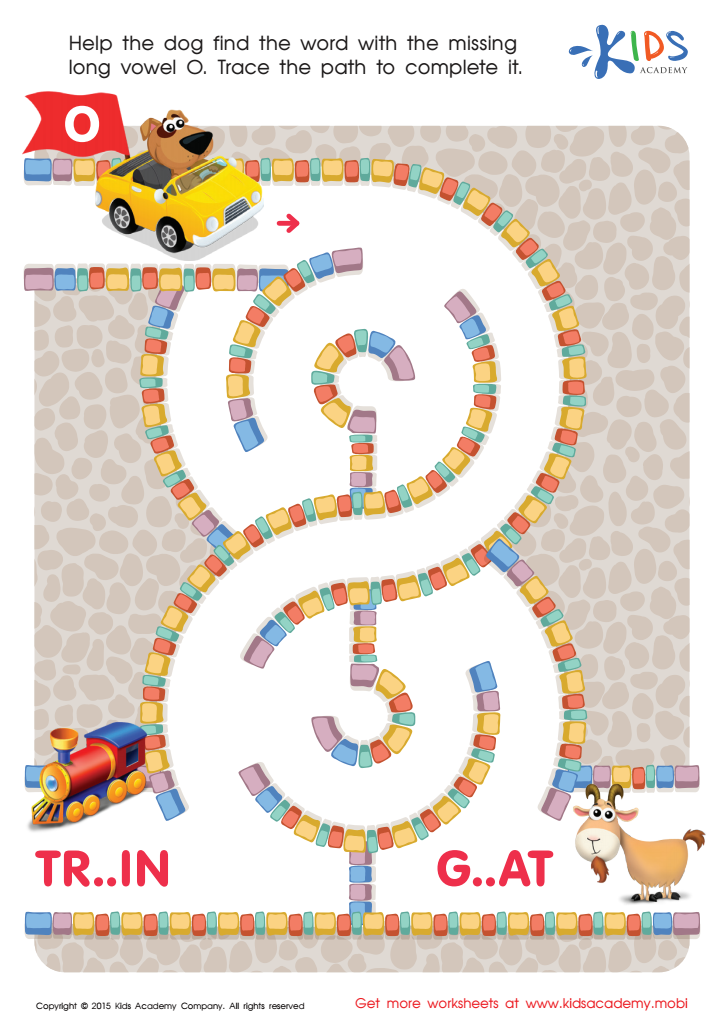
Long Vowel Sound O Worksheet
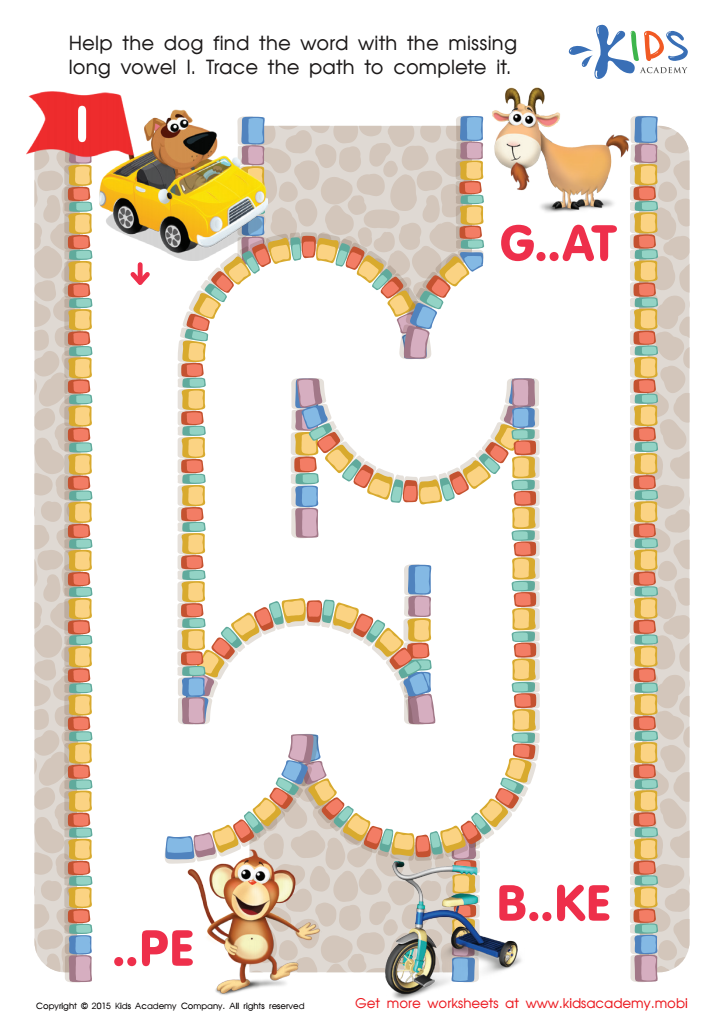
Long Vowel Sound I Worksheet








Phonics Skills Extra Challenge Alphabet exercises are essential for children aged 4-8, a critical period for language development. During these formative years, children develop foundational skills that will influence their reading and writing abilities for life. Phonics instruction helps them understand the relationship between letters and sounds, a cornerstone for decoding words and improving literacy.
Parents and teachers should prioritize phonics because it directly impacts a child's ability to independently read and comprehend texts. Phonics challenges encourage kids to apply their learning in varied contexts, fostering cognitive flexibility and a deeper understanding of language. It ensures consistent practice, which is crucial because repetition strengthens neural connections.
Moreover, engaging with phonics through challenges can make learning fun and interactive. This method helps maintain a child's interest and motivation by turning skill-building into a game-like experience. Students who master phonics early often show more confidence in reading and tackling new words, which boosts their overall academic performance.
Finally, phonics skills equip children with a versatile strategy to approach unfamiliar words, laying a solid groundwork for future complex language skills. Caring about these skills means setting children up for long-term educational success. By embracing these exercises, parents and teachers contribute to a child's self-esteem and lifelong love for learning.