Vowel Recognition Extra Challenge Phonics Worksheets for Ages 4-8
8 filtered results
-
From - To
Our "Vowel Recognition Extra Challenge Phonics Worksheets for Ages 4-8" are expertly designed to enhance your child's reading skills beyond basic vowel sounds. Ideal for children eager to advance their phonics knowledge, these printables incorporate engaging activities that focus on vowel identification and pronunciation. Young learners will explore and master the sounds of both short and long vowels through fun exercises that challenge their understanding. Created by educational experts, each worksheet aims to boost your child's confidence and proficiency in recognizing vowel patterns, setting a strong foundation for fluent reading. Perfect for in-class or at-home use!
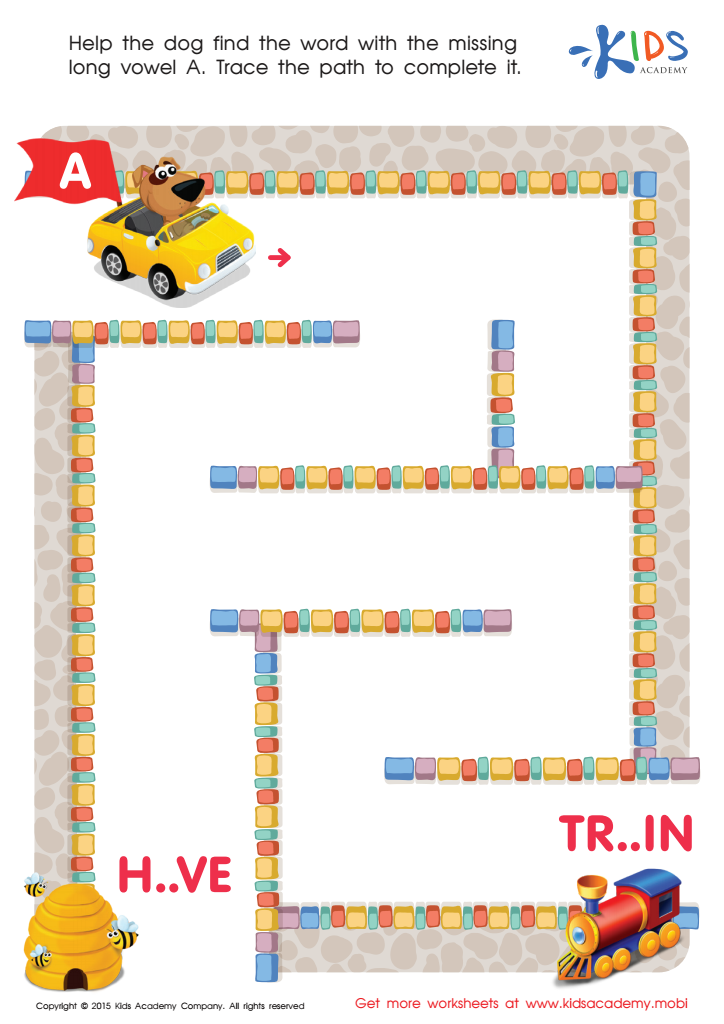
Long Vowel Sound A Worksheet
 Assign to My Students
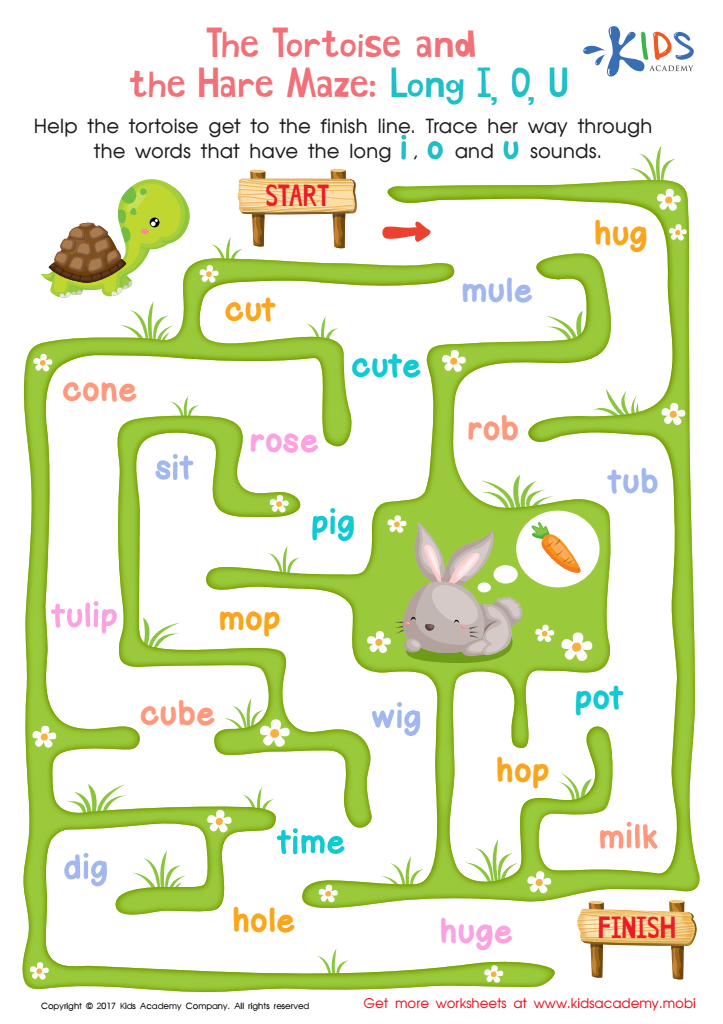
Long I, O, U Words Worksheet
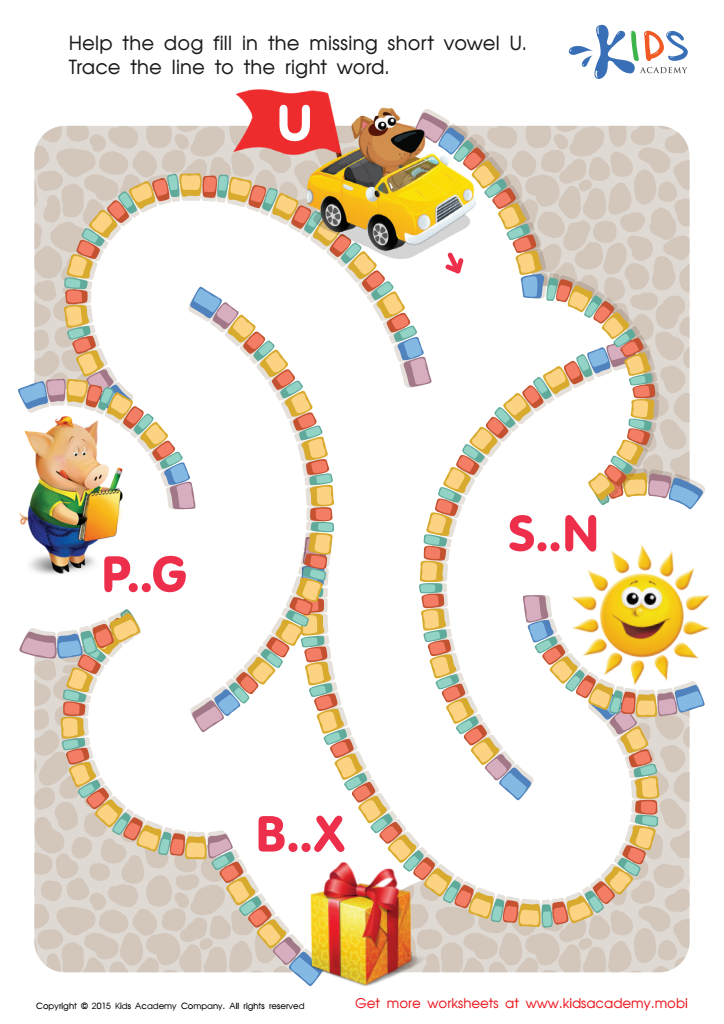
Short Vowel Sound U Worksheet
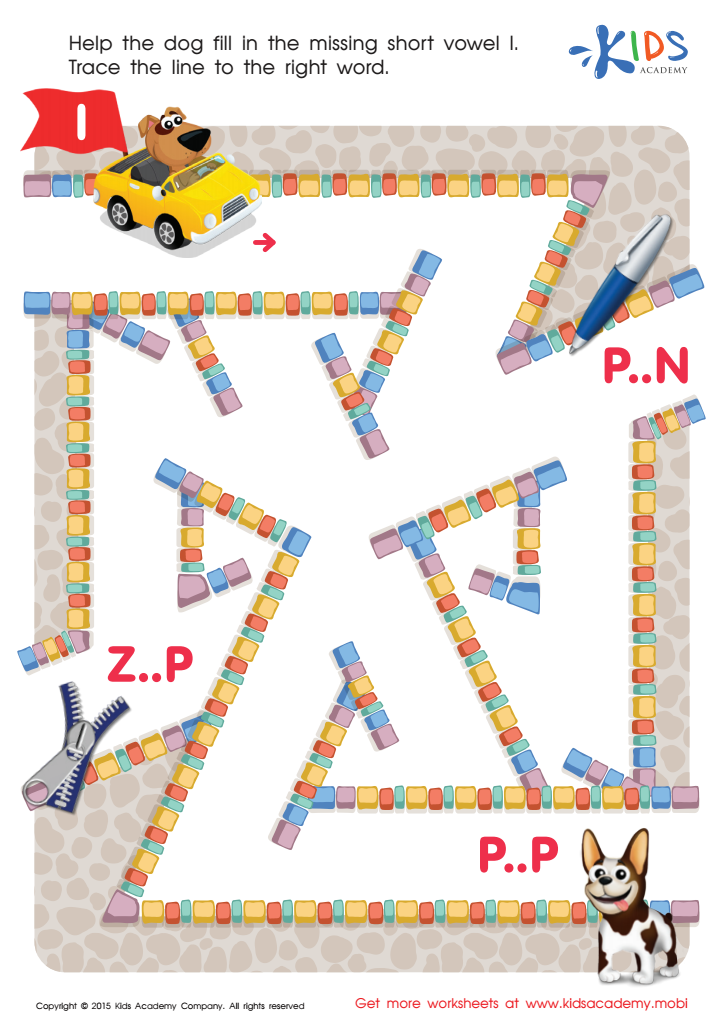
Short Vowel Sound I Worksheet
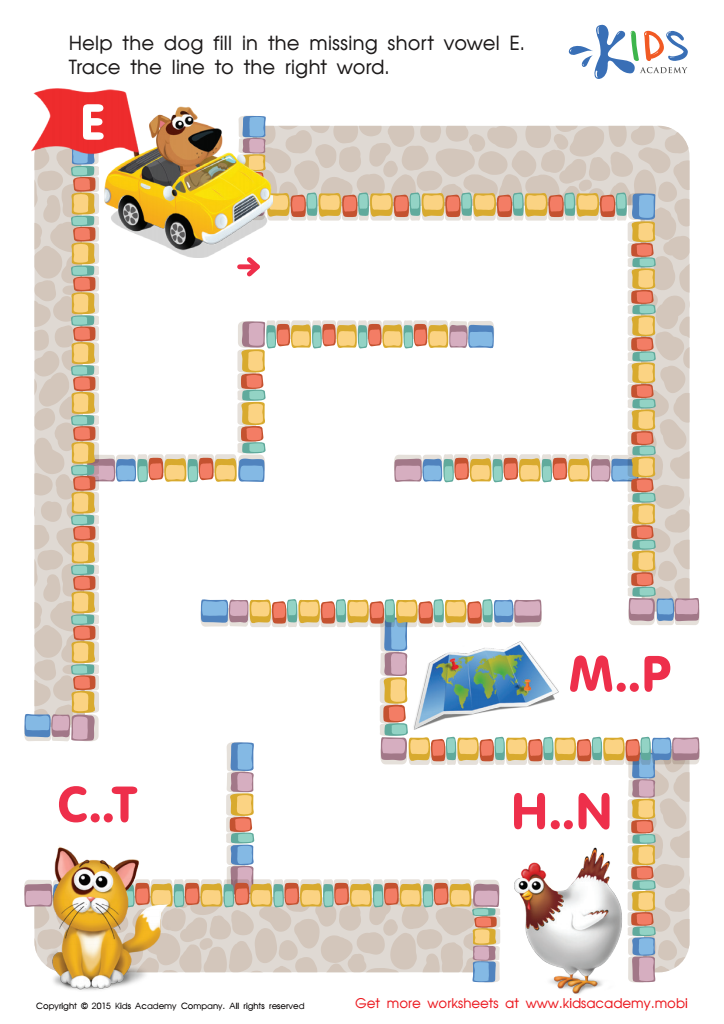
Short Vowel Sound E Worksheet
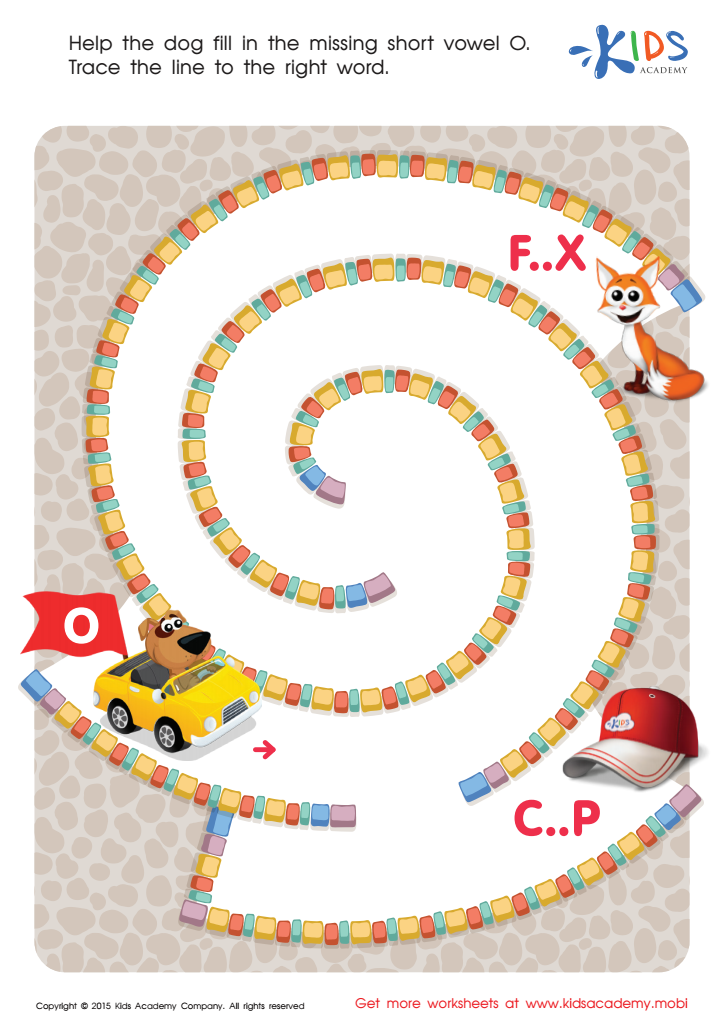
Short Vowel Sound O Worksheet
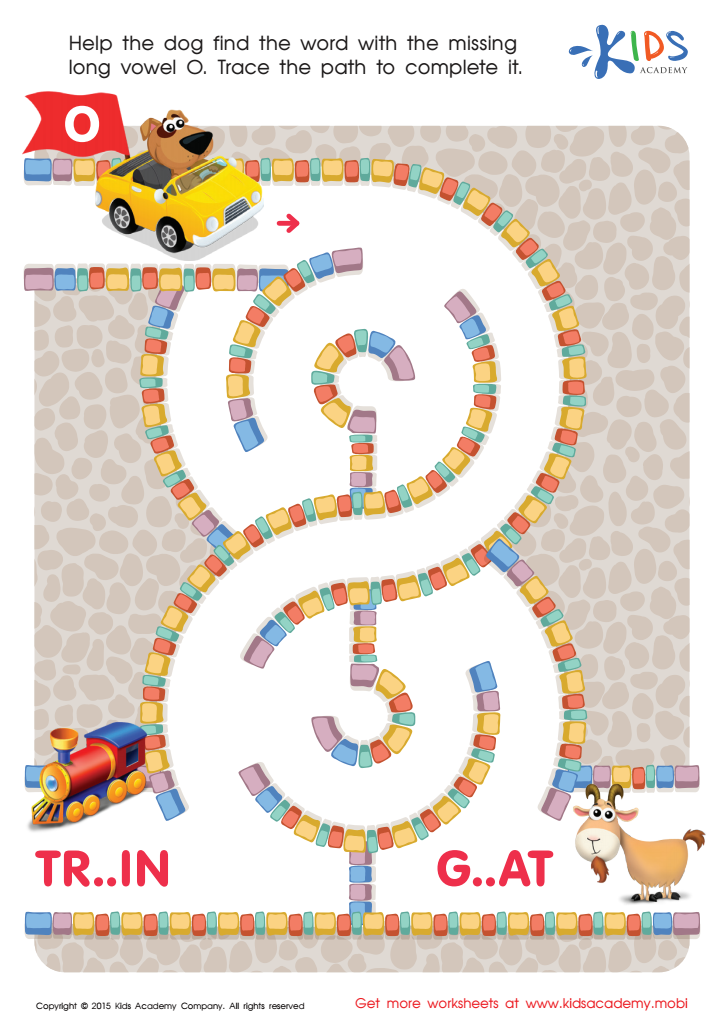
Long Vowel Sound O Worksheet
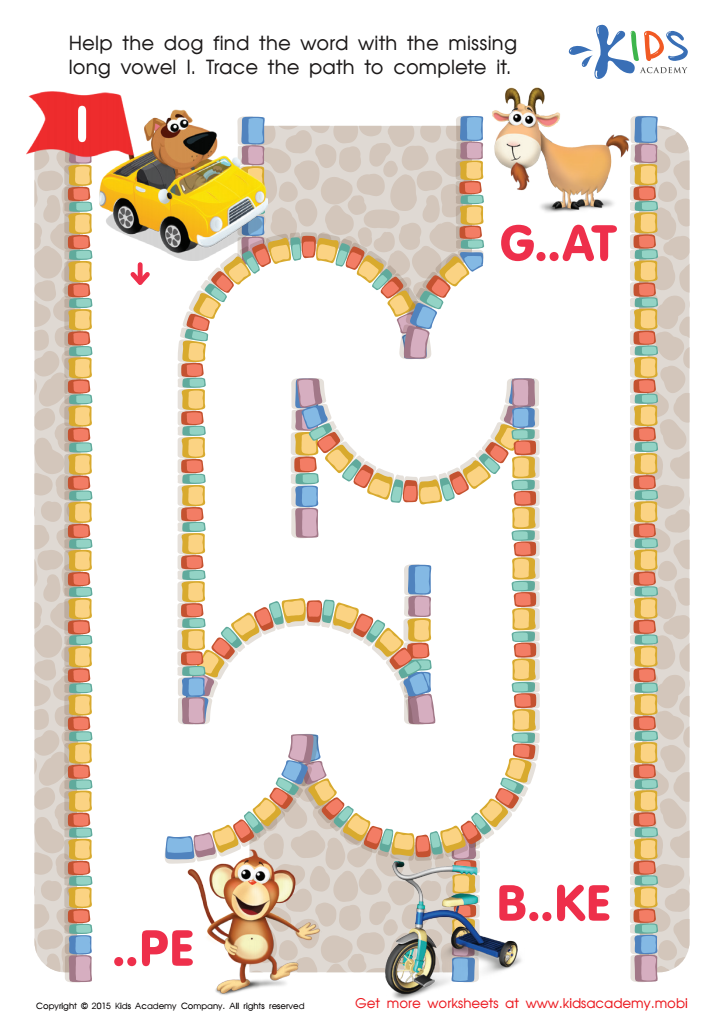
Long Vowel Sound I Worksheet








Parents and teachers should care about Vowel Recognition Extra Challenge Phonics for ages 4-8 because mastering vowel sounds is crucial for developing strong reading and writing skills. During these formative years, children’s brains are highly receptive to learning foundational language skills, which set the stage for their future academic success. Vowels, being essential components of English words, play a significant role in a child's ability to decode new words, enhance their phonemic awareness, and improve their overall reading fluency.
This extra challenge phonics approach makes learning engaging, often utilizing games, interactive activities, and repetition, which can capture children's interest and make the educational process enjoyable. The focus on vowel recognition aids in distinguishing between similar-sounding words, enhancing both reading comprehension and spelling accuracy. Early mastery can also boost a child’s confidence, reducing frustration associated with reading difficulties and promoting a love for literacy.
Furthermore, systematic phonics instruction has been shown to be particularly beneficial for young readers, including those who might be at risk of reading difficulties. By emphasizing vowel recognition early on, parents and teachers can ensure that children build a robust literacy foundation, equipping them with the tools necessary for more complex language tasks in the future.