
Critical thinking development Extra Challenge Worksheets for Ages 4-8
6 filtered results
Difficulty Level
Grade
Age
-
From - To
Subject
Activity
Standards
Unlock the potential of young minds with our Critical Thinking Development Extra Challenge Worksheets, designed for ages 4-8! These engaging worksheets cultivate essential skills such as problem-solving, pattern recognition, and logical reasoning through fun and interactive activities. Each worksheet is tailored to guide children in exploring ideas, making connections, and enhancing their cognitive abilities in a playful way. Perfect for at-home learning or classroom use, these extra challenges foster creativity and critical thinking. Watch kids thrive as they solve puzzles, complete patterns, and tackle tricky questions that stimulate their intellect! Dive into a world of learning today and nurture young thinkers!
Favorites
With answer key
Interactive
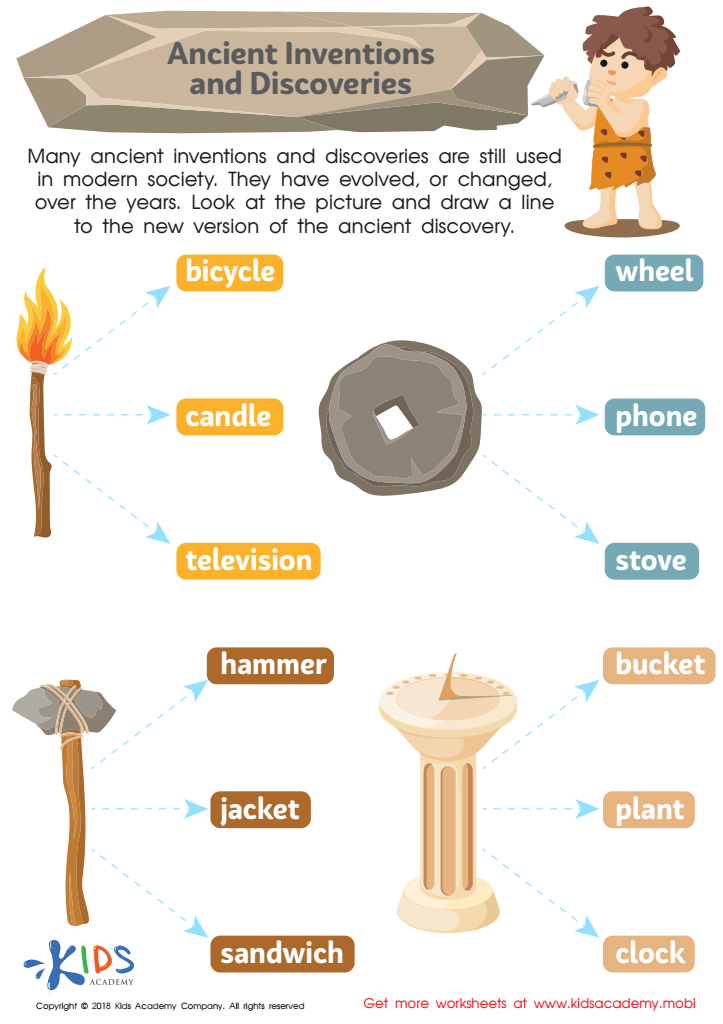
Ancient Inventions and Discoveries Worksheet
Kids may think inventions are high-tech, but many of the world's most important inventions are ancient! This Kids Academy worksheet helps kids learn about the wheel, clock, tools and candles - inventions that changed the world! Kids will simply review the pictures and trace the dotted lines to the right answers. Great for social studies!
 Assign to My Students
Ancient Inventions and Discoveries Worksheet
Worksheet
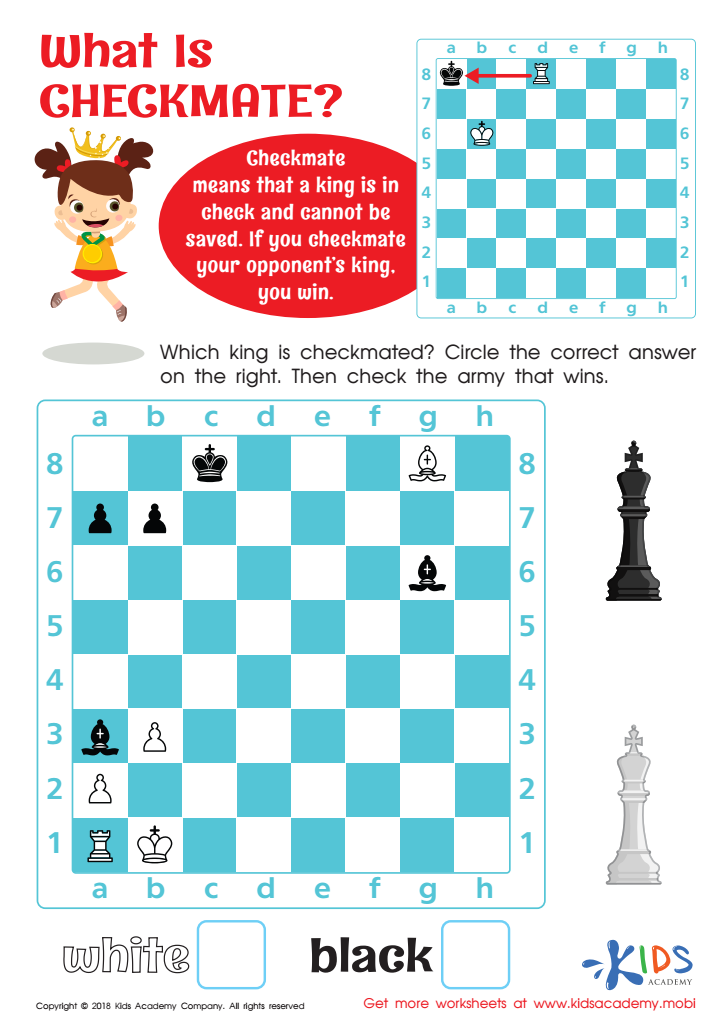
What is Checkmate? Worksheet
This downloadable PDF worksheet lets your child practice identifying when a king is checkmated and how it looks on a chessboard. Checkmate is the best move and with this colorful worksheet, they'll learn that it means their opponent's king is in check and cannot be saved, so they can win!
What is Checkmate? Worksheet
Worksheet
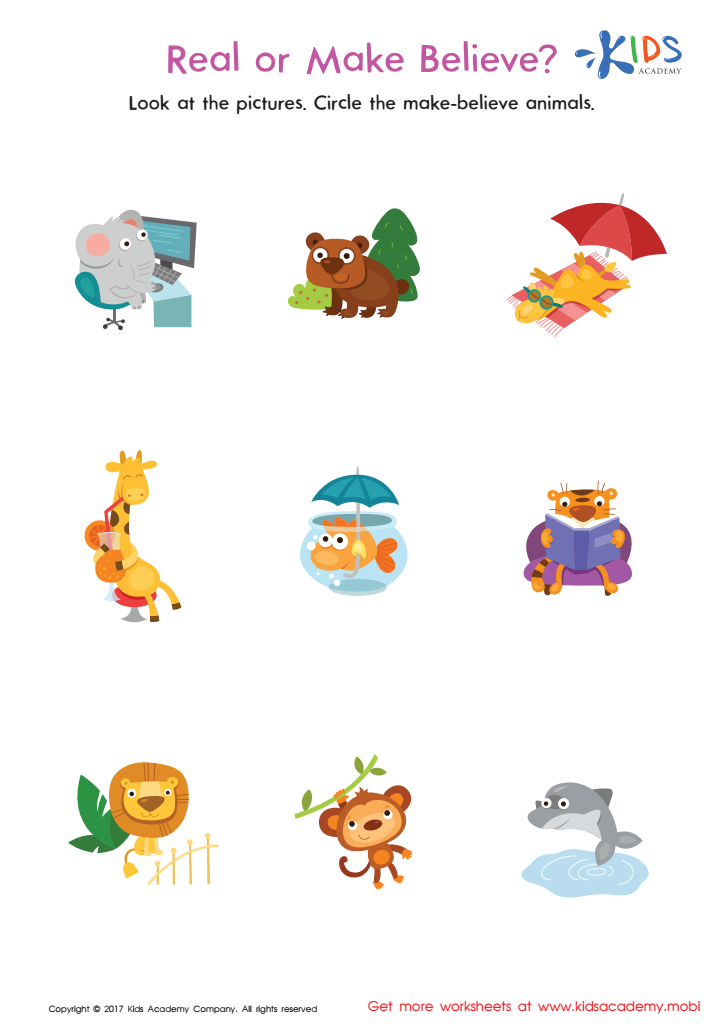
Fact or Make Believe Worksheet
This fun and funny worksheet challenges your child to decide if each animal can do the activity listed. Can a camel go sunbathing? Separating fact from fiction can be entertaining! Motivate your child while they complete this PDF worksheet.
Fact or Make Believe Worksheet
Worksheet
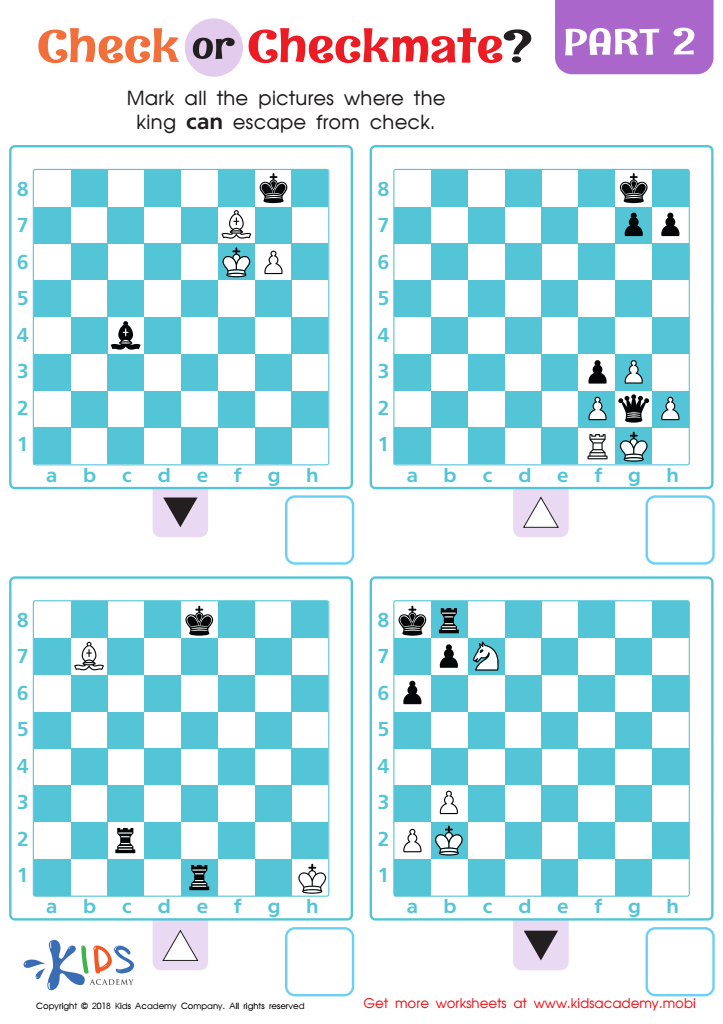
Check or Checkmate: Part 2 Worksheet
Chess is a fun and competitive way for your child to practice strategic thinking, problem-solving and critical reasoning. This free PDF will help them sharpen their skills, by analyzing boards and marking ones where the king can escape check. An invaluable skill when playing on real boards.
Check or Checkmate: Part 2 Worksheet
Worksheet
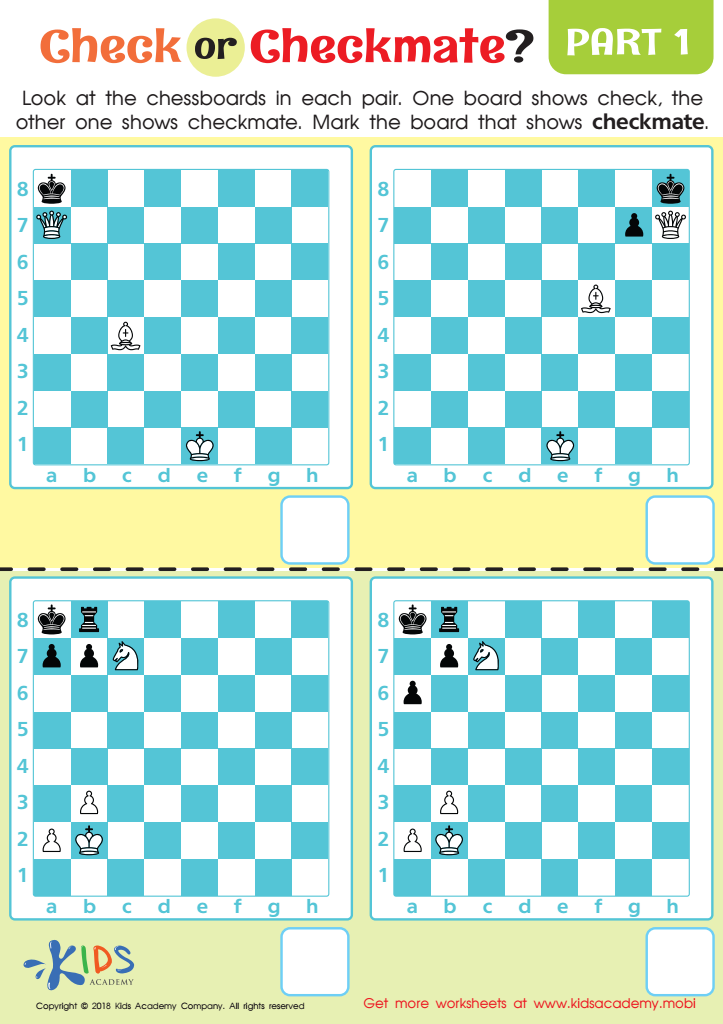
Check or Checkmate: Part 1 Worksheet
Kids can learn and strengthen problem-solving and strategic thinking skills with this free chess worksheet. They'll have fun as they look at the pair of chessboards and decide which is check and which is checkmate. It's the perfect way to get them playing the game and making checkmates without even realising they're exercising their brains!
Check or Checkmate: Part 1 Worksheet
Worksheet
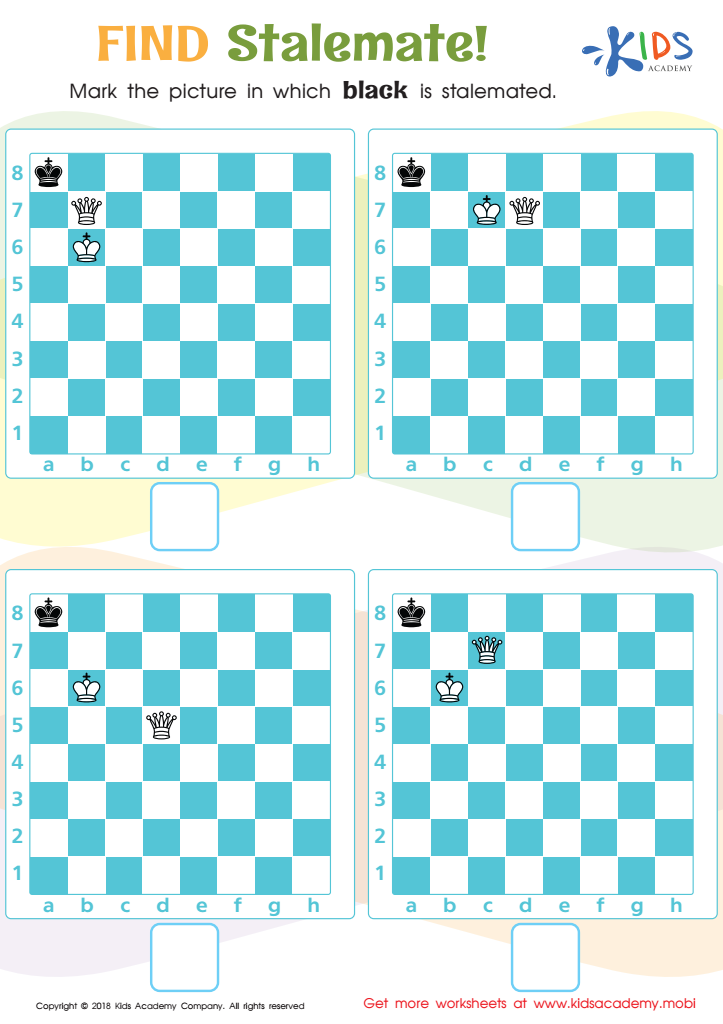
Find Stalemate! Worksheet
Teach your kids Chess and give them more than a hobby - equip them with critical thinking, rationale and problem-solving skills! This free worksheet helps them understand stalemates by examining various sample boards. By providing visual discernment and the joy of the game, your child's logical skills will soar!
Find Stalemate! Worksheet
Worksheet
Join Kids Academy for Free
Who is primarily going to use this learning content?








Critical thinking development is crucial for children aged 4-8 because it lays the foundation for lifelong learning and problem-solving skills. During these formative years, children are like sponges, absorbing information and ideas from the world around them. By fostering critical thinking, parents and teachers encourage kids to analyze information, ask questions, and think independently. This not only boosts their cognitive skills but also nurtures creativity and curiosity.
Incorporating critical thinking into everyday activities can give children the tools they need to navigate complex situations. Rather than passively receiving information, they learn to evaluate evidence, consider different perspectives, and draw conclusions. This skill set prepares them for later academic challenges and equips them for the collaborative, fast-paced world they will face in their future careers.
For parents and teachers, engaging children in activities that encourage critical thinking—such as open-ended questions, problem-solving games, and real-life decision-making—helps them develop resilience and adaptability. Ultimately, instilling these skills in young learners empowers them to not just consume information but also to critically understand and shape their environment, leading to well-rounded and adaptable individuals in a rapidly changing society.








