Logical thinking development Extra Challenge Worksheets for Ages 4-8
6 filtered results
-
From - To
Boost your child's cognitive skills with our "Logical Thinking Development Extra Challenge Worksheets" for ages 4-8. Designed to engage young minds, these printable worksheets feature a variety of fun and stimulating activities that promote critical thinking and problem-solving abilities. Perfect for both home and school use, they help children improve reasoning skills through puzzles, pattern recognition, and more. Tailored for various levels, these worksheets provide an exciting way for kids to learn while enhancing their logical skills. Let your child tackle these engaging challenges and discover the joy of thinking in new ways! Start their logical thinking journey today!
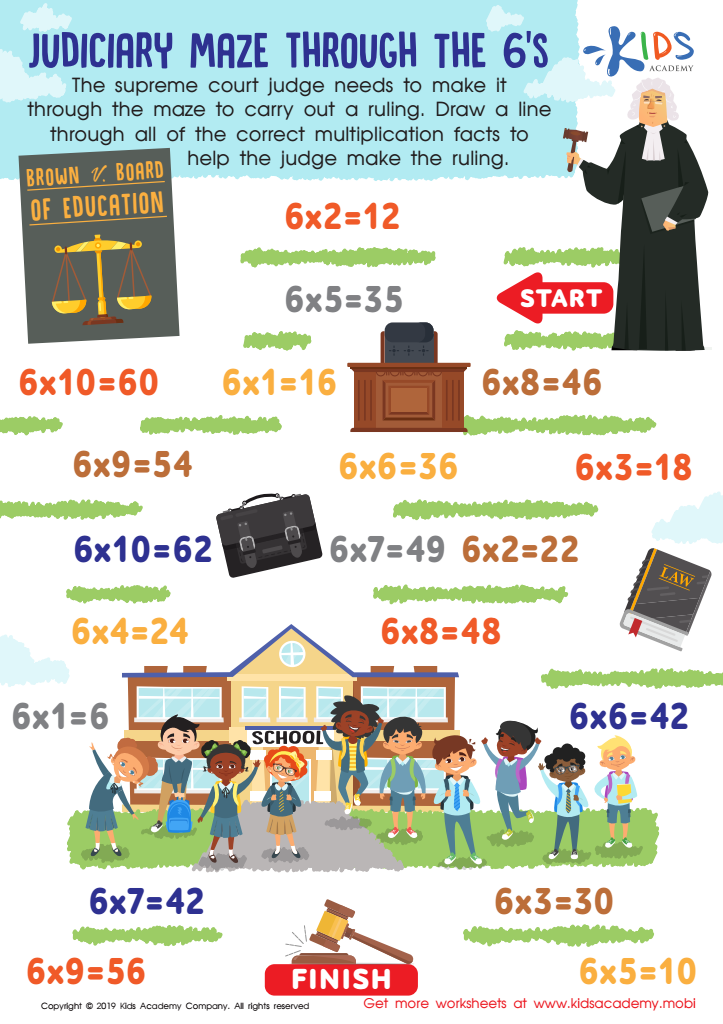
Judiciary Maze Through The 6’s Worksheet
 Assign to My Students
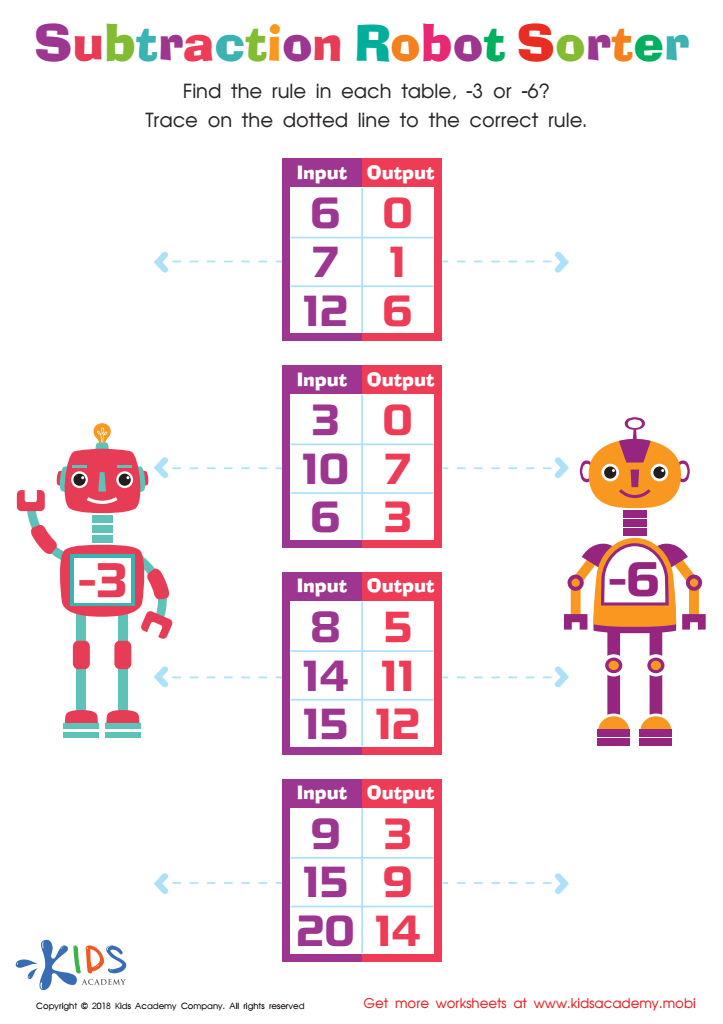
Subtraction Robot Sorter Worksheet

Comparing Solutions Worksheet

Beaver Pond: Comparing Solutions Worksheet

Math Puzzle Worksheet
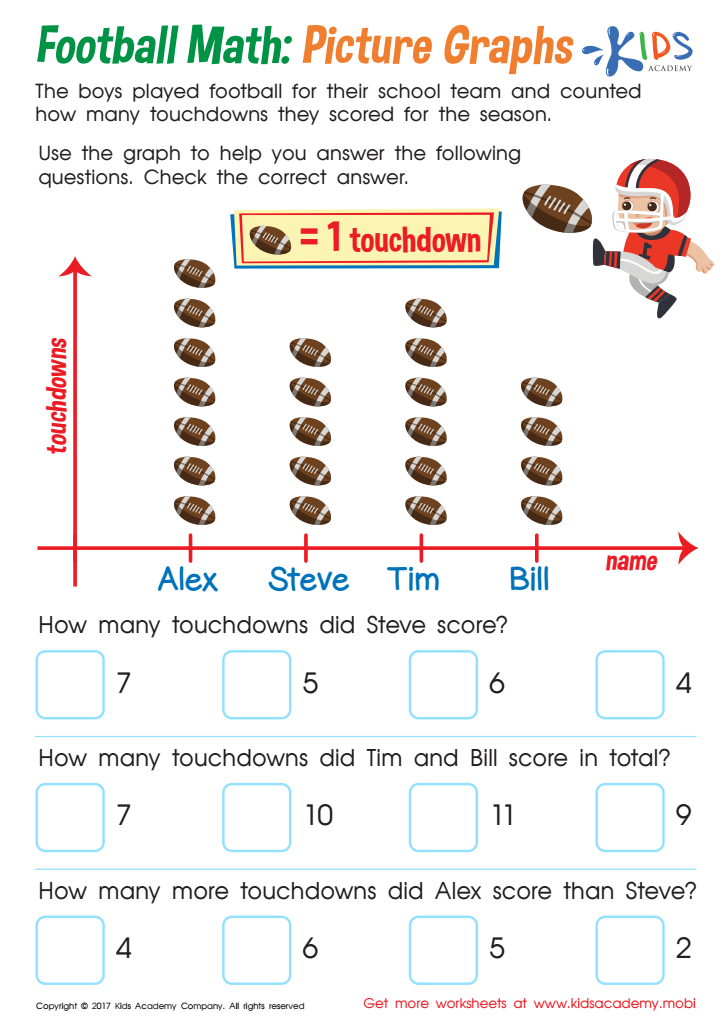
Football Math Worksheet








Logical thinking development in early childhood is crucial because it serves as the foundation for problem-solving and decision-making skills that children will use throughout their lives. For children aged 4-8, this cognitive growth is significant as they begin to explore, question, and understand the world around them.
Parents and teachers should prioritize fostering logical thinking skills because these abilities enhance children's academic performance and everyday functioning. Engaging in activities that promote logical reasoning—such as puzzles, pattern recognition, and cause-and-effect games—encourages children to analyze situations systematically. This type of thinking not only nurtures creativity but also builds perseverance as children learn to work through challenges.
Moreover, strong logical reasoning skills are associated with better social skills and emotional regulation. Children who can think critically are often better equipped to resolve conflicts and understand different perspectives, leading to healthier relationships.
Furthermore, in our technology-driven society, logical thinking is essential for navigating complex information and making informed decisions. By supporting logical thinking development, parents and teachers equip children with valuable tools for lifelong learning and adaptability in an ever-evolving world. Investing time in this area can promote a sense of confidence and curiosity that empowers children to thrive academically and socially.








