Math fluency Extra Challenge Worksheets for Ages 4-8
3 filtered results
-
From - To
Enhance your child's math skills with our "Math Fluency Extra Challenge Worksheets" tailored for ages 4-8! These engaging worksheets focus on developing quick and accurate number recognition, addition, subtraction, and pattern recognition. Structured to challenge young learners, each worksheet is designed to reinforce their understanding while making math fun. With a variety of colorful and interactive activities, children will not only gain confidence in their math abilities but also foster a love for learning. Perfect for teachers and parents, these printable resources are ideal for at-home practice or classroom enrichment. Start your child’s math journey today!
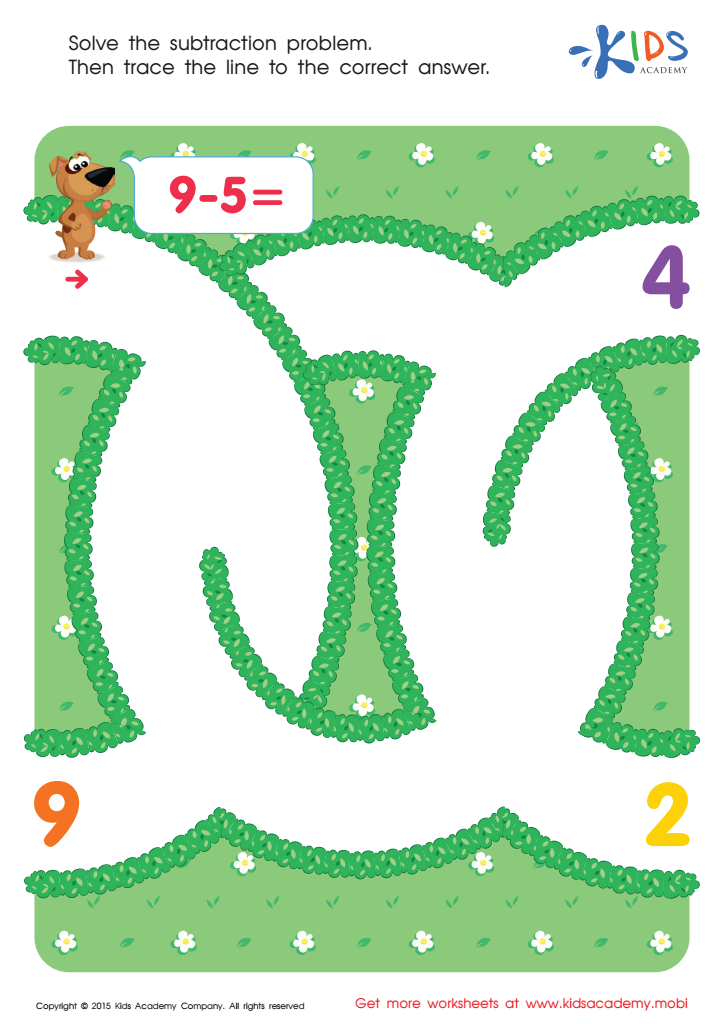
Subtraction Nine And Five Worksheet
 Assign to My Students
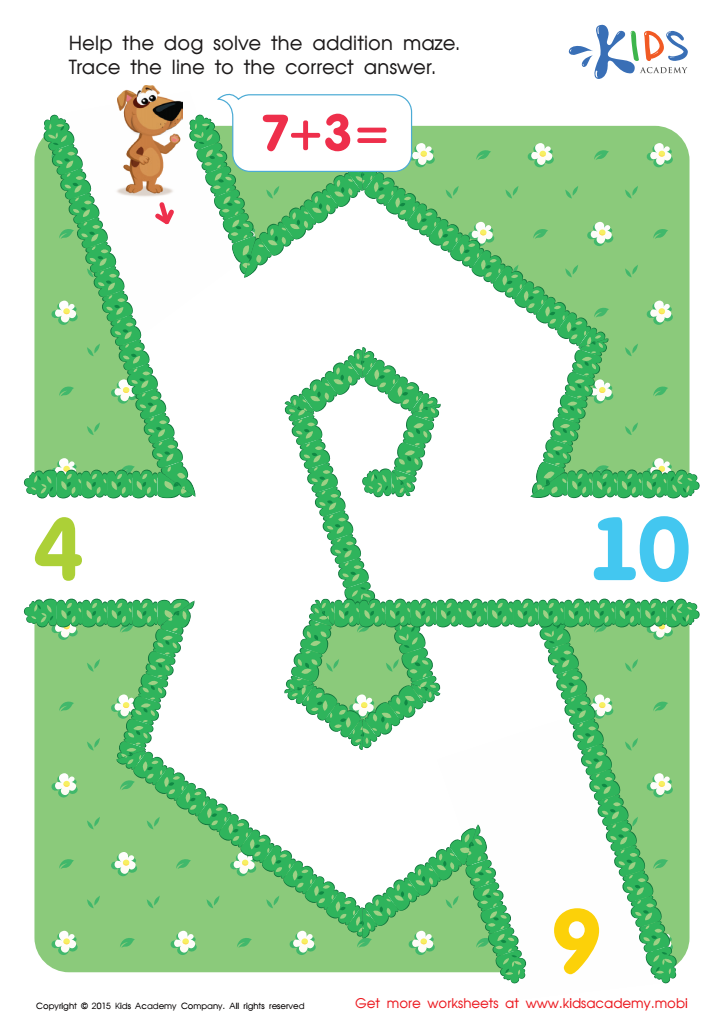
Seven Plus Three Worksheet
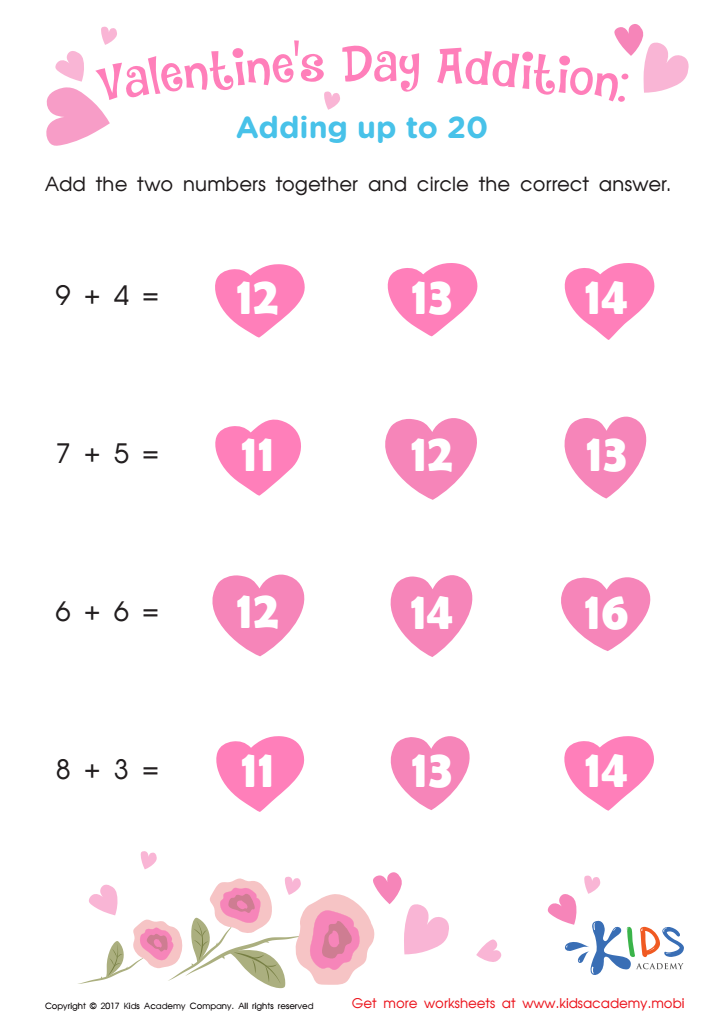
Valentine's Day Addition Worksheet




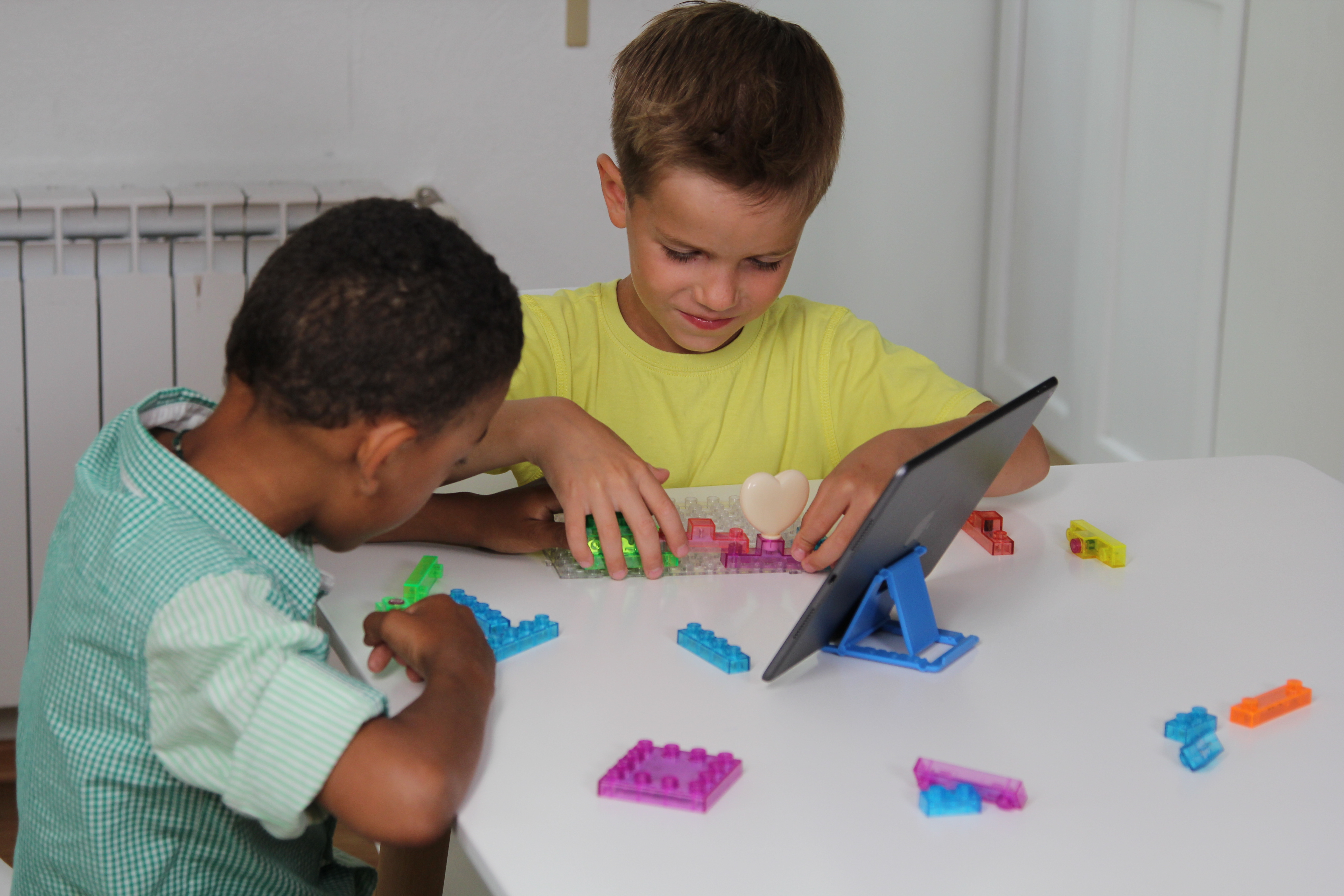



Math fluency refers to the ability to perform mathematical operations quickly and accurately, which is crucial for young learners aged 4-8. Parents and teachers should prioritize fostering math fluency during these formative years for several reasons.
Firstly, early math skills lay the foundation for future academic success. Children who develop a strong understanding of basic math concepts reduce the likelihood of struggles with more complex mathematical problems later on. Math fluency promotes confidence and lays the groundwork for advanced problem-solving abilities.
Secondly, fluency with numbers enhances critical thinking skills. Children who practice math regularly become adept at identifying patterns, making connections, and employing logical reasoning—all essential skills not only in academics but in everyday life.
Additionally, Math fluency helps to bridge gaps in learning. Targeted exercises can address weak spots and ensure that all children, regardless of their starting point, can achieve proficiency.
Further, making math fun through interactive games and challenges can help maintain a child's engagement and interest in learning. Ultimately, prioritizing math fluency can empower children, equipping them with the tools they need to navigate a world increasingly driven by data and technology. As advocates for their learning, parents and teachers play a vital role in promoting this essential skill.








