Observational skills Extra Challenge Worksheets for Ages 4-8
3 filtered results
-
From - To
Boost your child's observational skills with our Extra Challenge Worksheets designed specifically for ages 4-8! These engaging and interactive worksheets encourage young learners to sharpen their ability to notice details, recognize patterns, and enhance critical thinking. Perfect for both classroom use and at-home learning, our materials provide fun and stimulating activities that promote concentration and curiosity. Each worksheet is carefully crafted to align with early learning standards, making skill development both enjoyable and effective. Explore a variety of themes and formats to keep your little ones challenged and motivated. Help your child discover the joy of observation today!
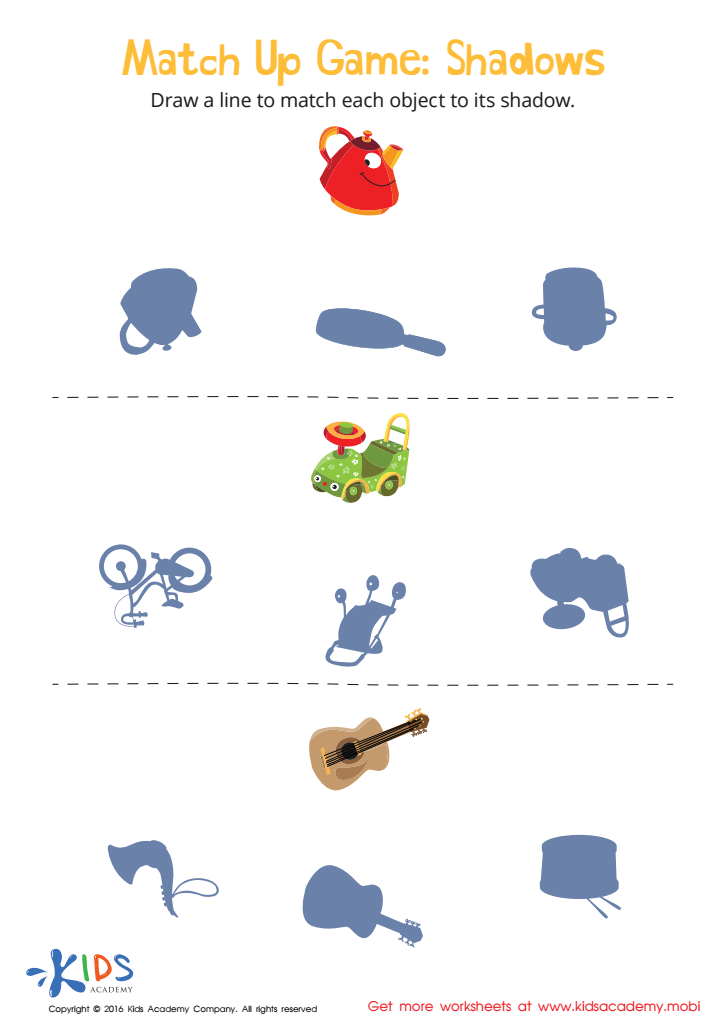
 Assign to My Students
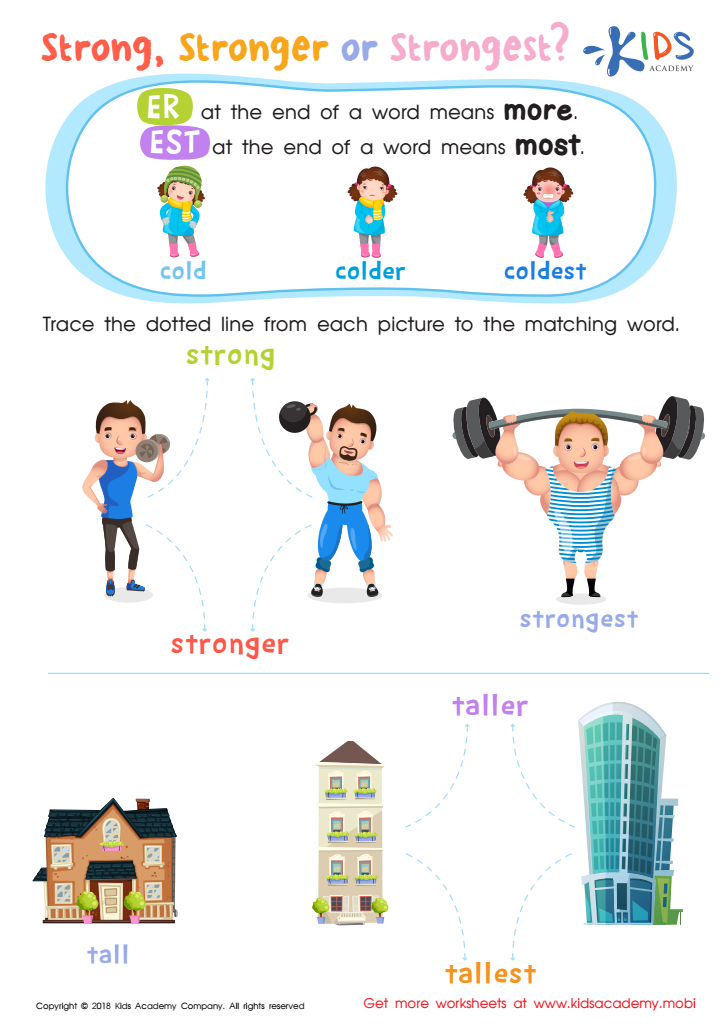
Strong or Stronger? Worksheet

Count Santa's Presents Worksheet



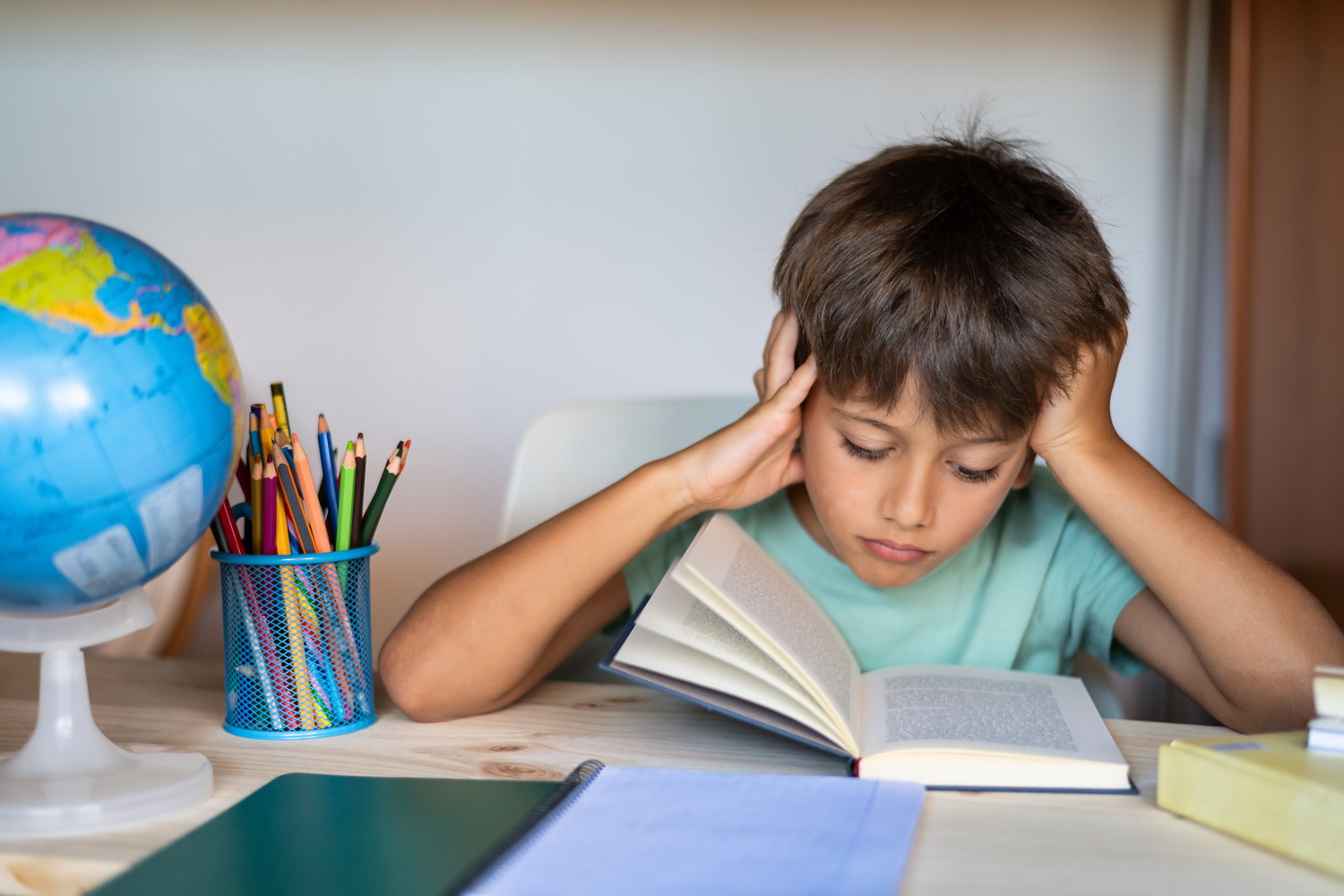



Developing observational skills in children aged 4-8 is crucial for their cognitive, social, and emotional growth. Parents and teachers should care about this extra challenge because observational skills form the foundation for critical thinking and problem-solving abilities. When children learn to notice details, make connections, and engage with their surroundings, they enhance their understanding of the world, leading to improved comprehension and learning.
Moreover, observational skills are vital for social interactions. Children who are adept at observing can better pick up on social cues, understand feelings, and empathize with others, which fosters robust social relationships. This is particularly important during early development as children start to forge friendships and navigate group dynamics.
Furthermore, encouraging observational skills can enhance creativity. Children who observe carefully are more likely to engage in imaginative play and exploration, leading to innovative thinking. As parents and teachers guide young ones in this challenge, they also promote curiosity, leading to a lifelong love of learning.
In essence, emphasizing observational skills not only enriches academic performance but also equips children with important life skills needed for their holistic development. Investing in this area prepares them to face future challenges with confidence and adaptability.








