Writing practice Extra Challenge Worksheets for Ages 4-8
4 filtered results
-
From - To
Ignite your child's writing potential with our "Writing Practice Extra Challenge Worksheets" designed for ages 4-8. Perfect for young writers ready to expand their skills, these worksheets offer engaging activities that make writing fun and educational. Kids will enjoy creative exercises that enhance vocabulary, sentence structure, and handwriting. Tailored to challenge growing minds, our worksheets progressively build crucial literacy skills, fostering confidence and a love for writing. Ideal for use at home or in the classroom, explore our vast range and watch your child's writing abilities flourish with each completed task. Let's inspire young writers to reach new heights!
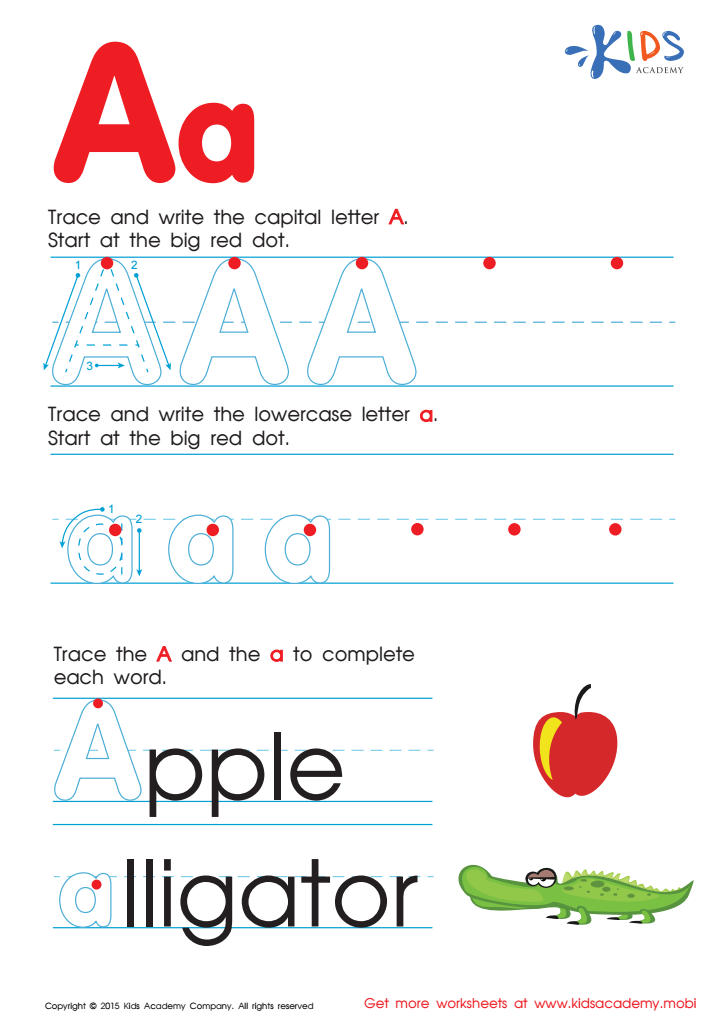
Letter A Tracing Page
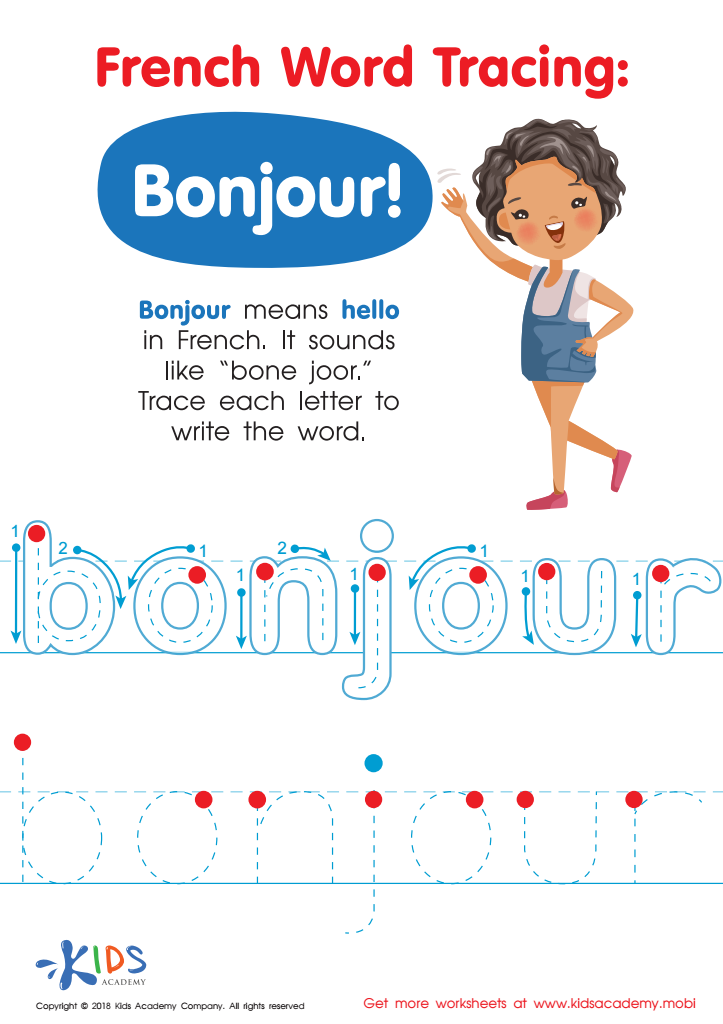
French Word Tracing: Bonjour Worksheet
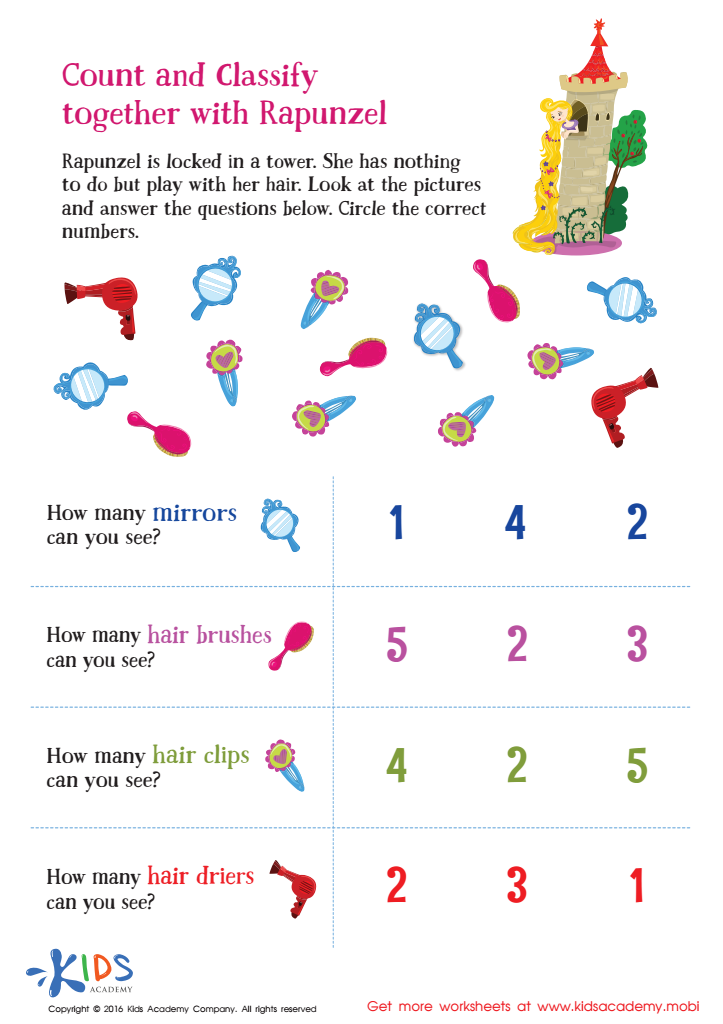
Fairy Tale Worksheet: Count and Classify with Rapunzel
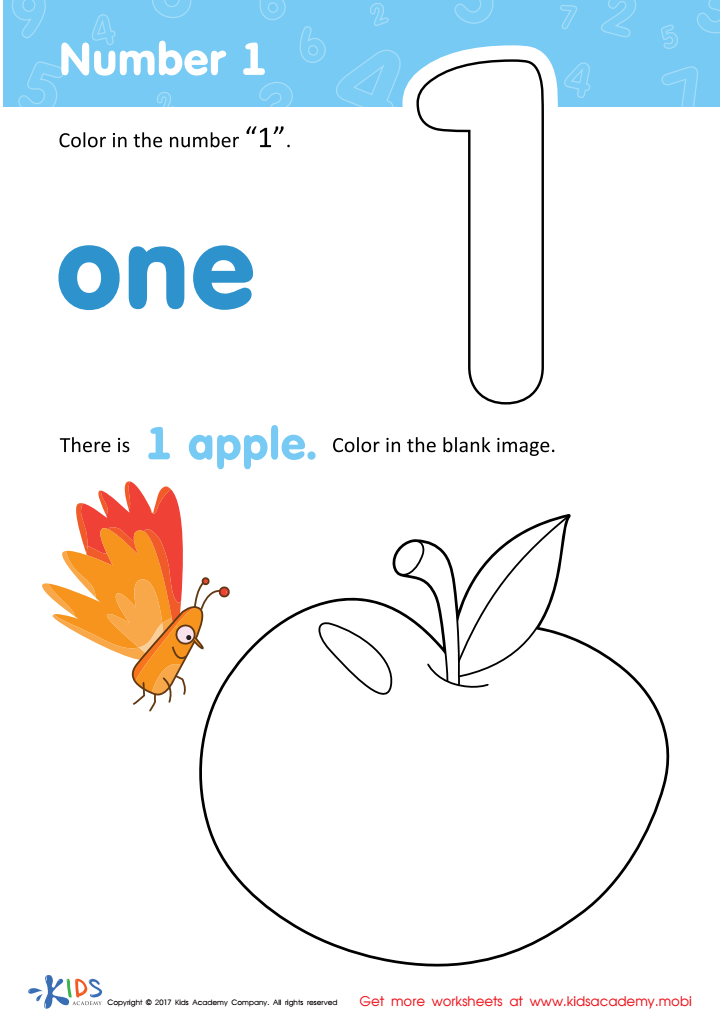
Number 1 Printable
 Assign to My Students







Writing practice with an extra challenge may seem ambitious for ages 4-8, but it carries significant benefits that lay a strong foundation for a child’s academic and personal growth. Early writing activities facilitate fine motor skills, critical thinking, and comprehension abilities.
Integrating engaging and slightly challenging activities encourages creativity and problem-solving. Tasks like tracing letters or composing simple sentences hone foundational literacy skills while fostering a love for writing and storytelling. These exercises can also enhance a child’s vocabulary and understanding of language structure.
Parents and teachers should particularly value these practice sessions because they work as building blocks for further complex cognitive tasks. Developing these skills at an early stage assures smoother transitions into higher academic demands, reducing chances of future learning difficulties.
Moreover, thoughtful and imaginative writing activities develop confidence and independence. Kids learn to express themselves and their feelings effectively, an essential aspect of emotional development. Given the formative nature of these early years, such a focused approach can enormously influence a child's educational trajectory and personal interests.
Therefore, supporting writing practice with an extra challenge ensures students are better prepared academically and socially, making it a vital part of early education worthy of attention from both parents and teachers.








