Shape identification Extra Challenge 2D Shapes Worksheets for Ages 4-8
3 filtered results
-
From - To
Discover our Shape Identification Extra Challenge 2D Shapes Worksheets, designed specifically for children ages 4-8! These engaging worksheets provide an exciting way for young learners to explore and identify various 2D shapes, such as circles, squares, triangles, and more. With colorful illustrations and thought-provoking activities, kids will enhance their shape recognition skills while having fun. Our extra challenge components encourage critical thinking and reinforce core math skills. Perfect for both at-home learning and classroom use, these worksheets support early childhood education by blending learning with play. Help your child develop a strong foundation in math with our interactive shape identification challenges!
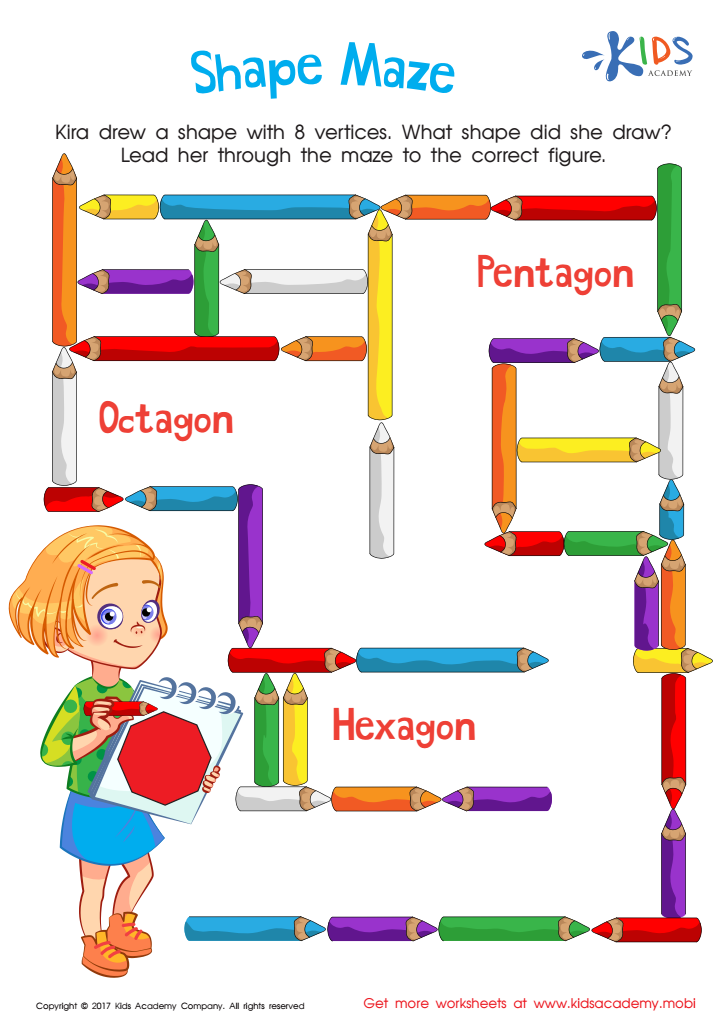
Shape Maze Worksheet
 Assign to My Students


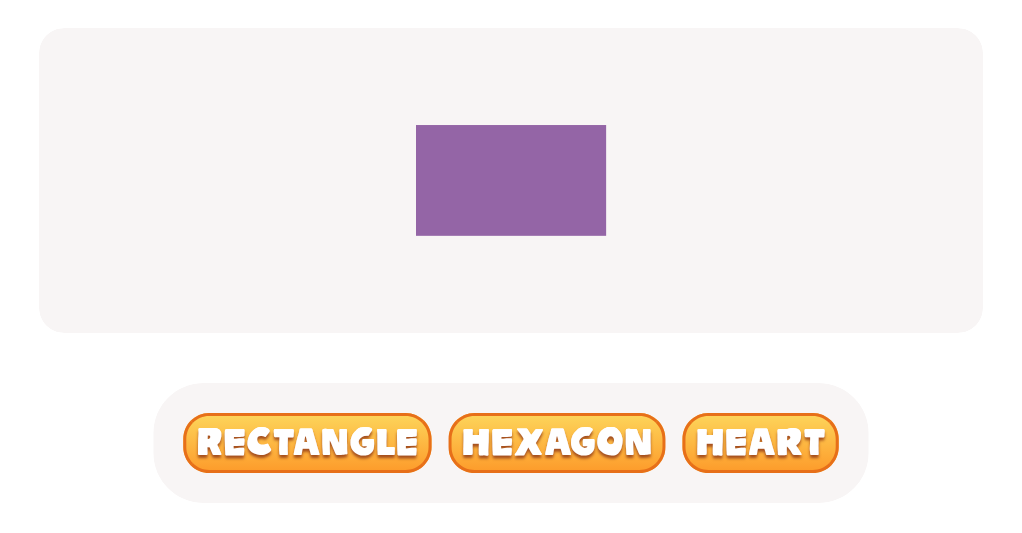
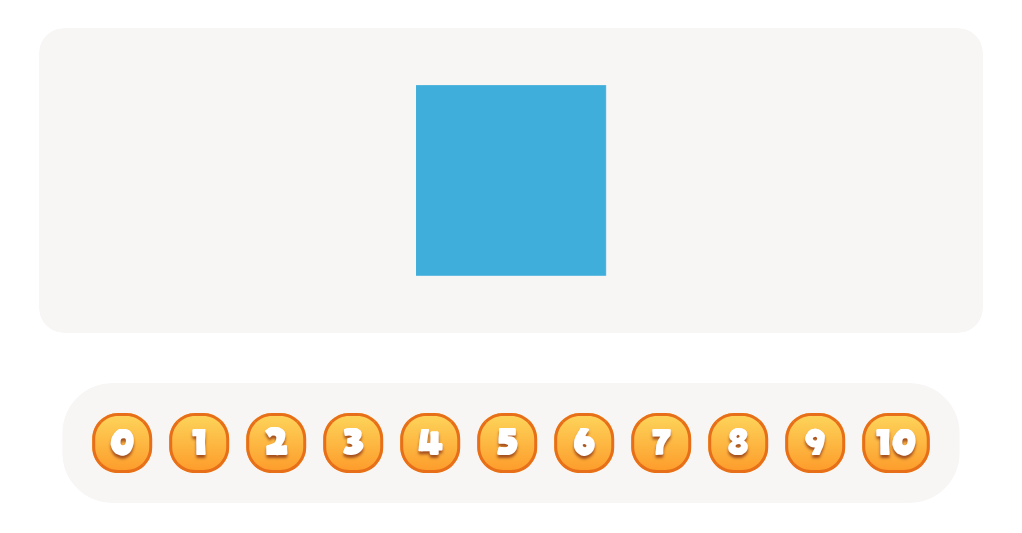
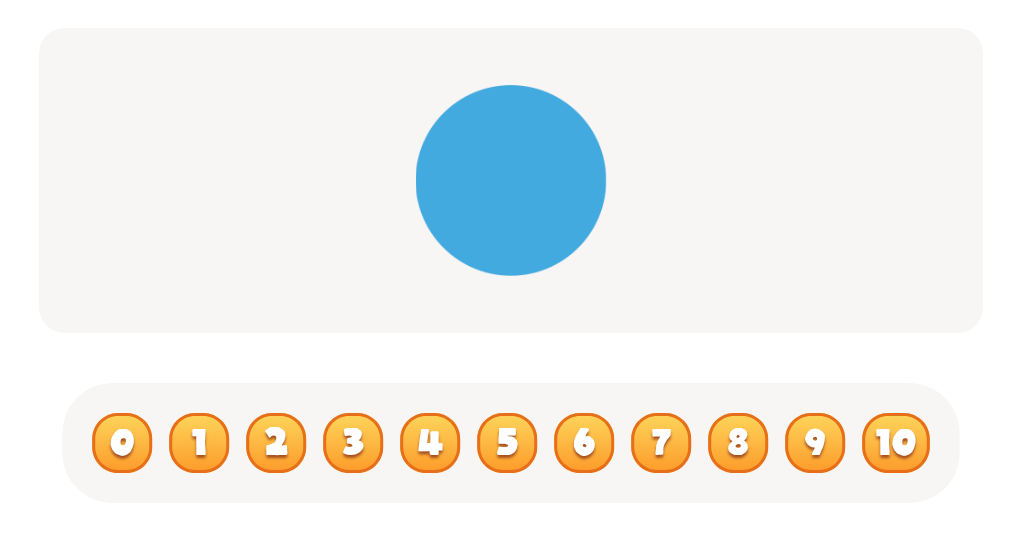
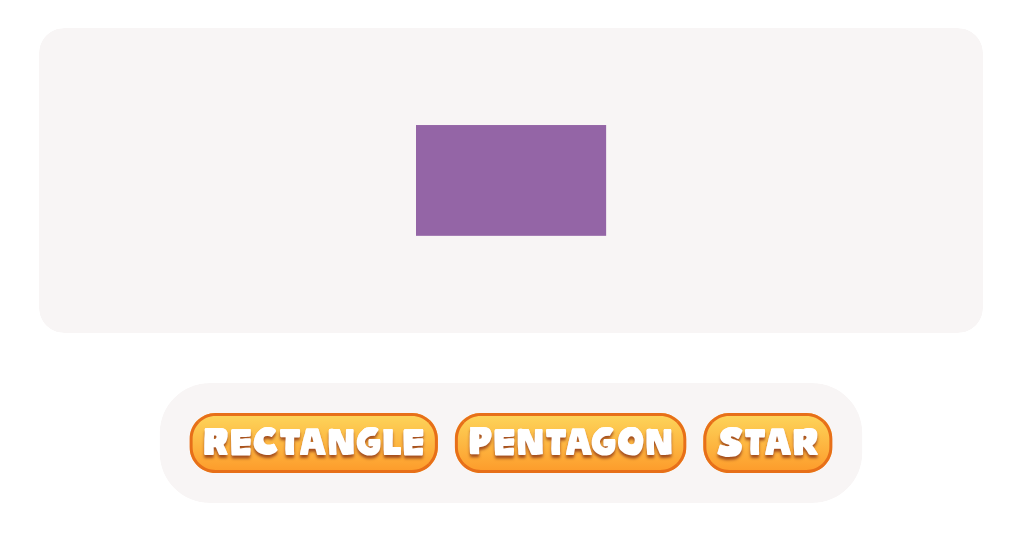
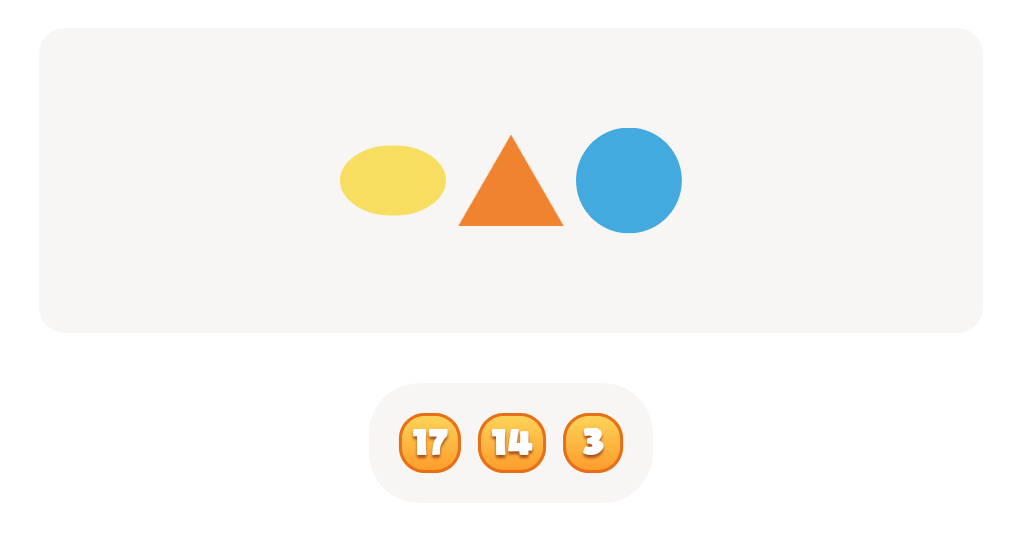
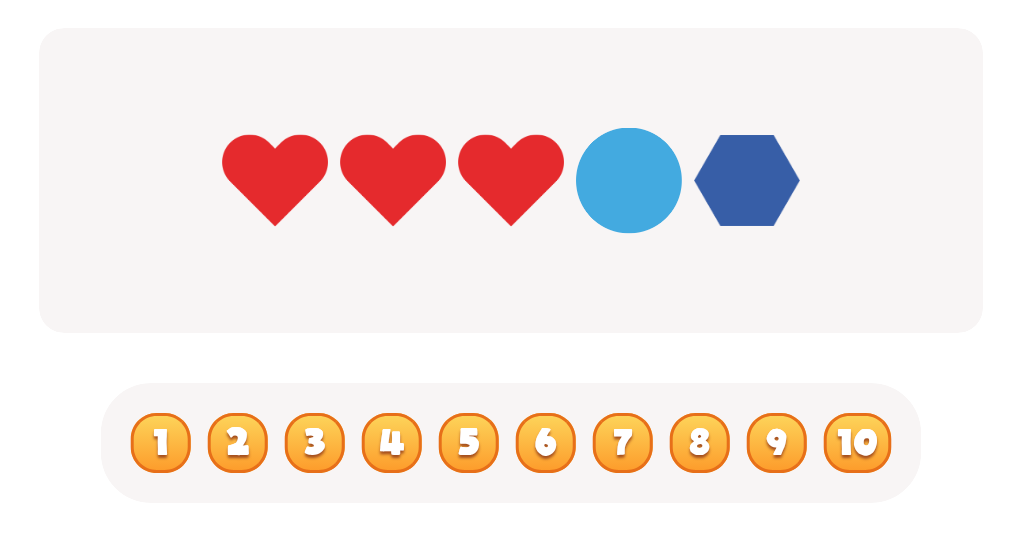
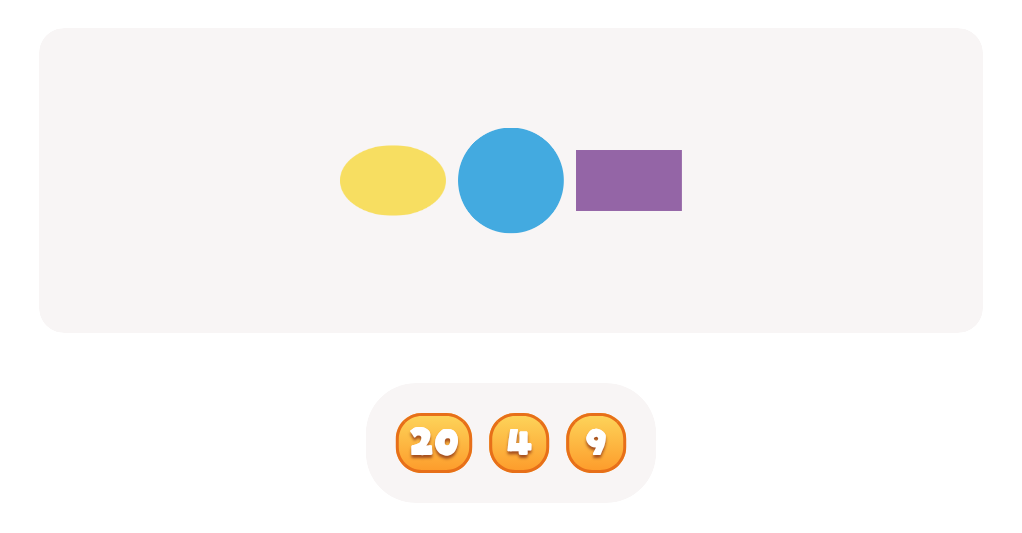
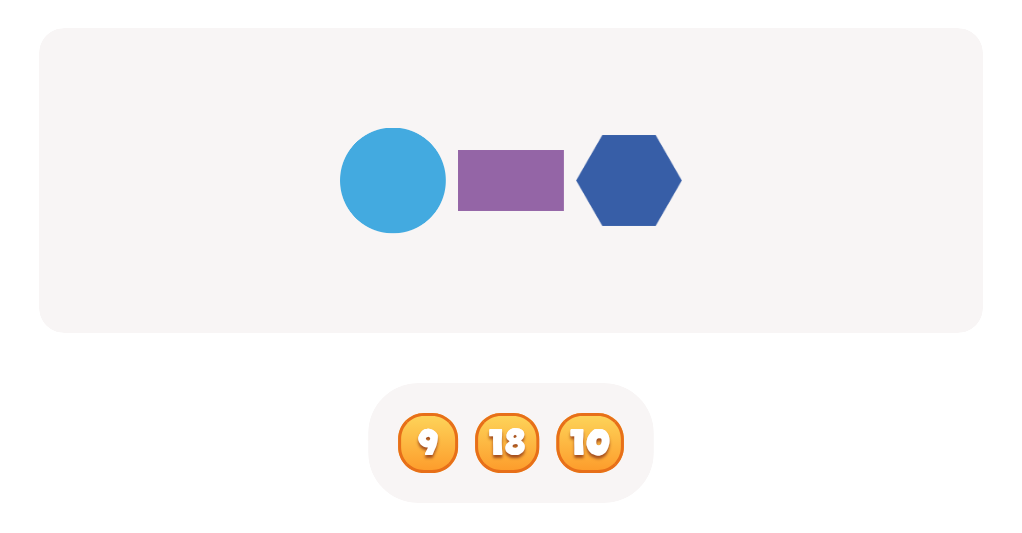
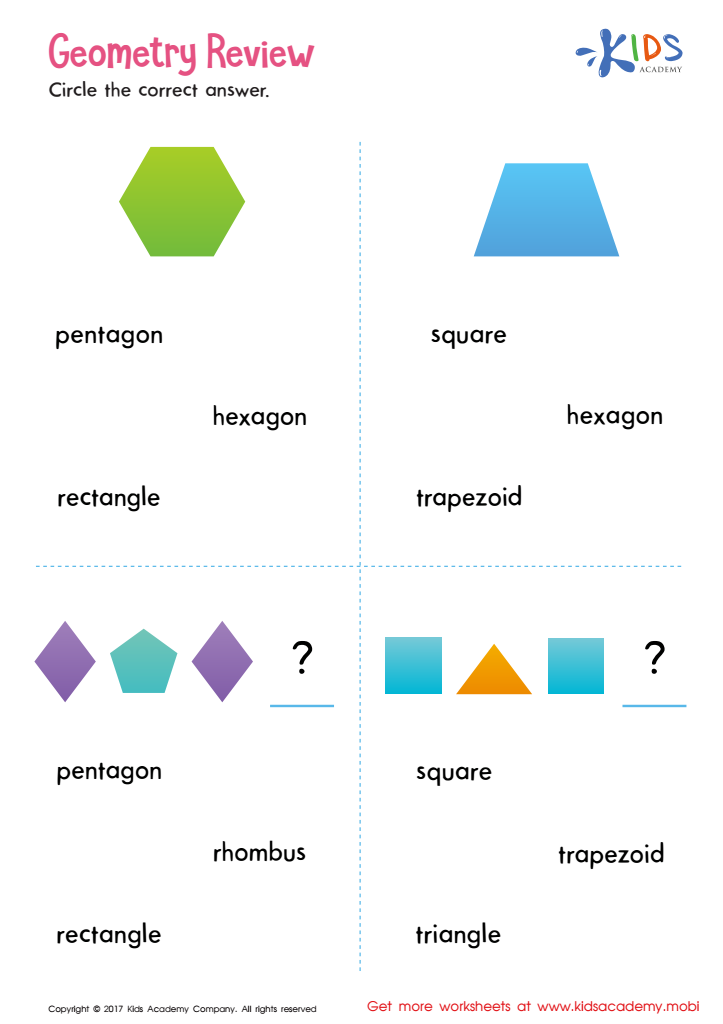
Geometry Review Printable
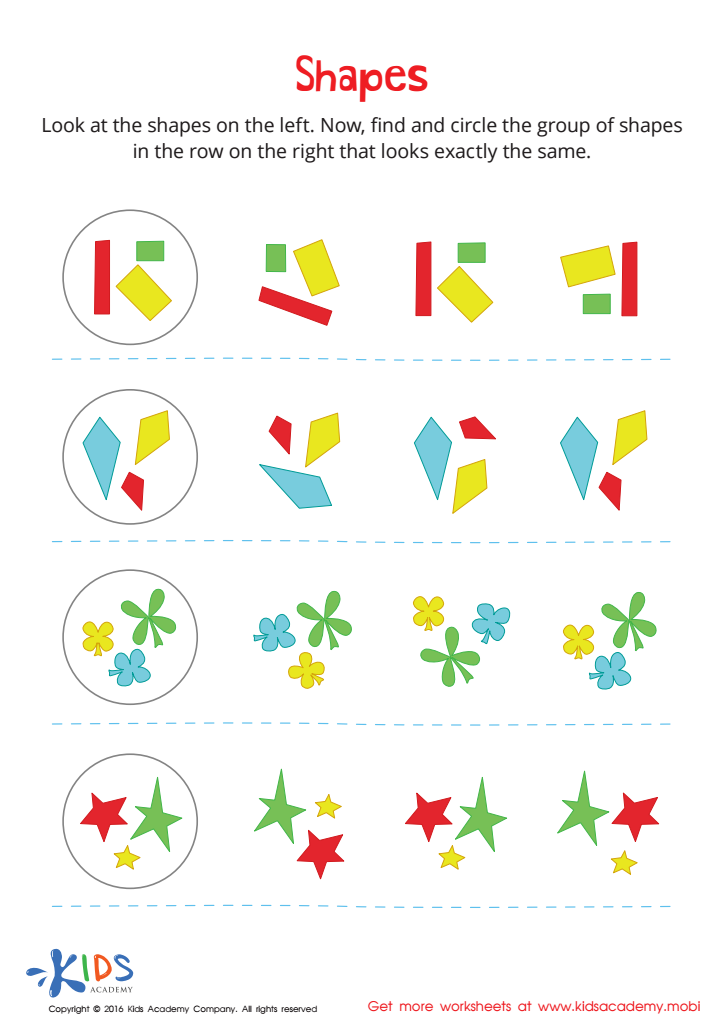
Shapes Worksheet








Shape identification is crucial for early childhood development and offers numerous benefits for children aged 4-8. Parents and teachers should care about programs like the Shape Identification Extra Challenge because they help boost essential cognitive skills. Mastering 2D shapes enhances a child's spatial awareness, which is vital for understanding their environment.
Incorporating shape games and activities into learning promotes problem-solving and critical thinking. Children who identify and differentiate shapes can better understand geometry concepts later in school. These activities lay the groundwork for mathematical understanding, such as symmetry, area, and patterns.
Additionally, shape identification fosters fine motor skills through hands-on activities, like drawing and crafting. It also encourages language development, as children learn to label and describe shapes, enhancing their vocabulary.
Moreover, these challenges cultivate confidence and independence, as accomplishments in identifying shapes can instill a sense of achievement in young learners. Engaging parents in these activities reinforces learning at home, making education a collaborative effort. Overall, focusing on shape identification establishes a strong foundation for further learning, ensuring that children are prepared for future academic challenges and everyday problem-solving tasks.