Fine Motor Skills Extra Challenge Math Worksheets for Ages 4-8 - Page 2
32 filtered results
-
From - To
 Assign to My Students
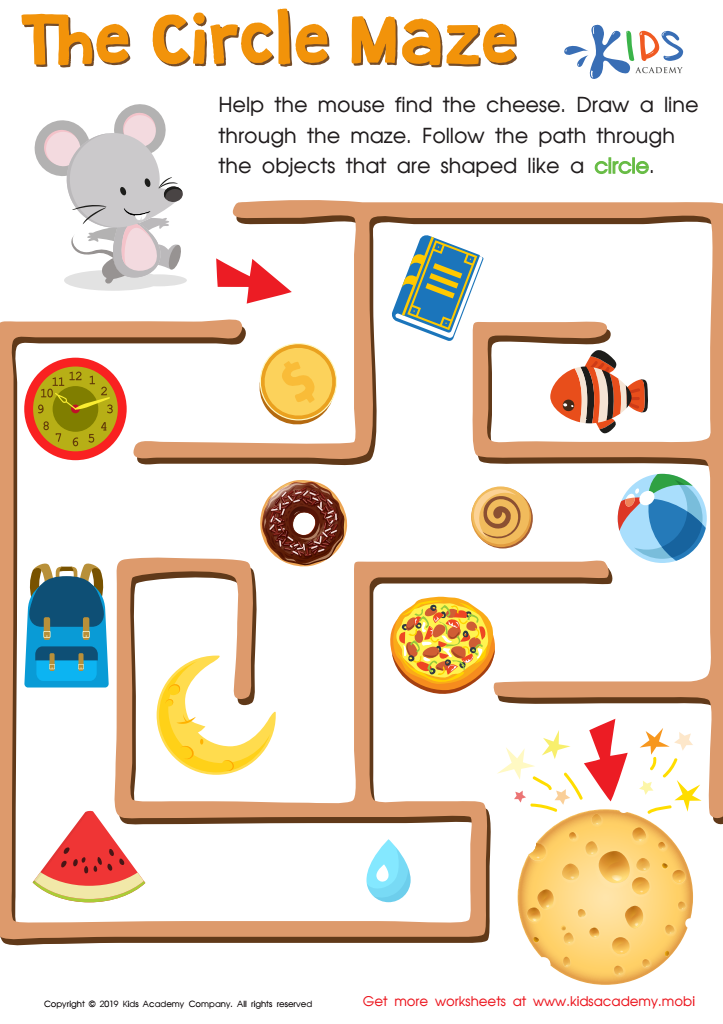
The Circle Maze Worksheet
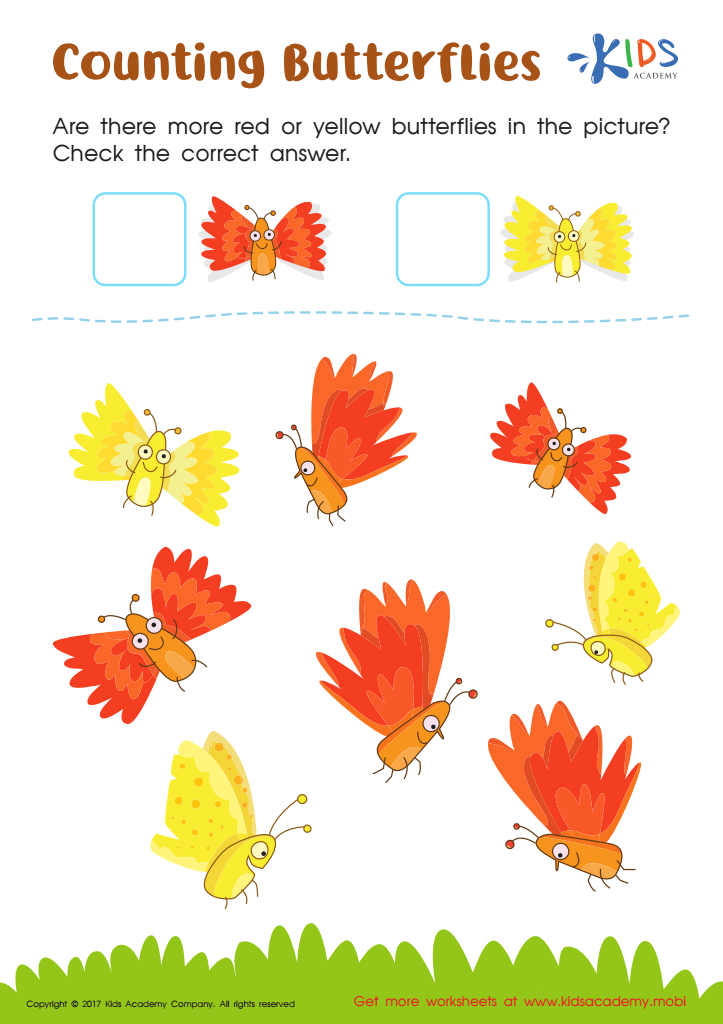
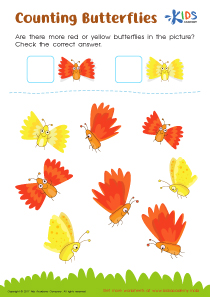
Counting Butterflies Worksheet

Pirate Ship Connect Dots Worksheet
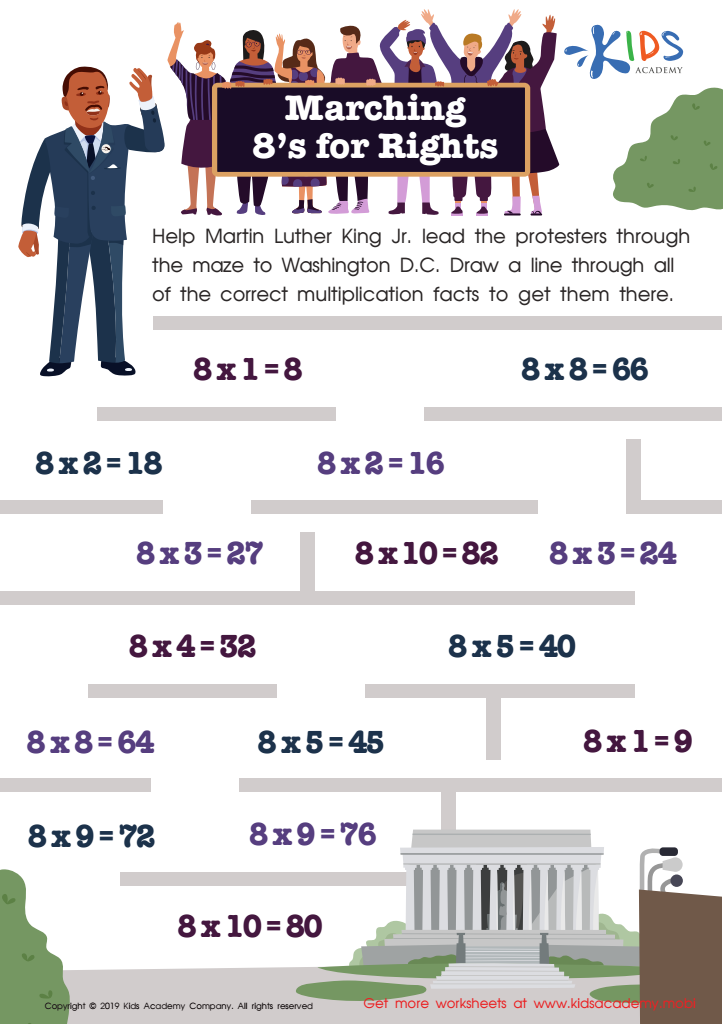
Marching 8’s for Rights Worksheet
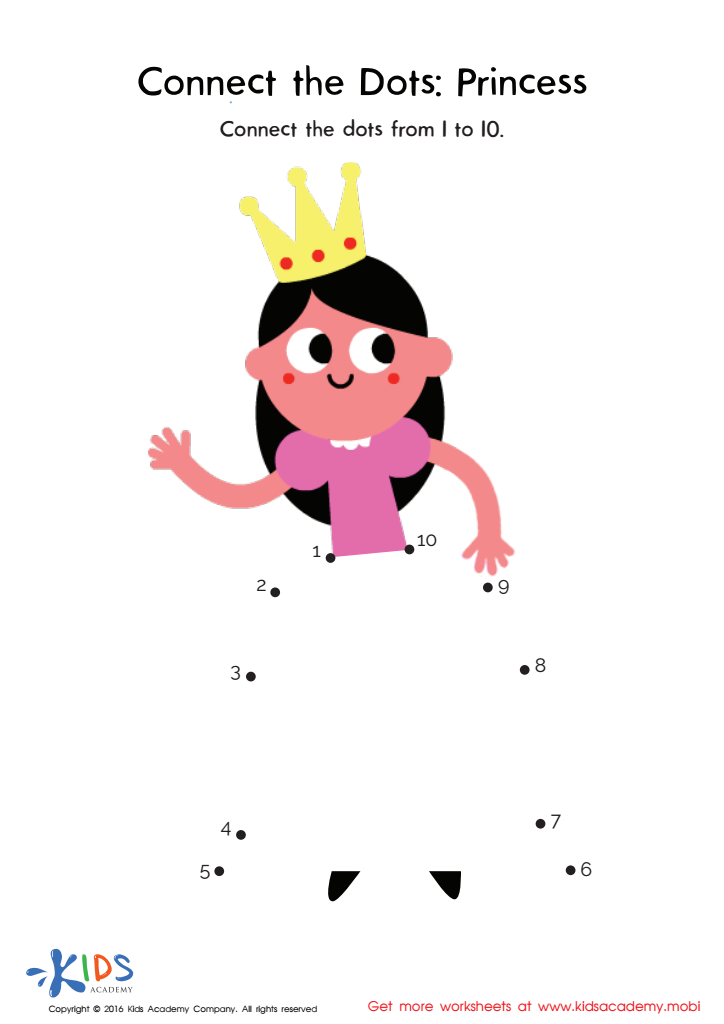
Princess Connect Dots Worksheet
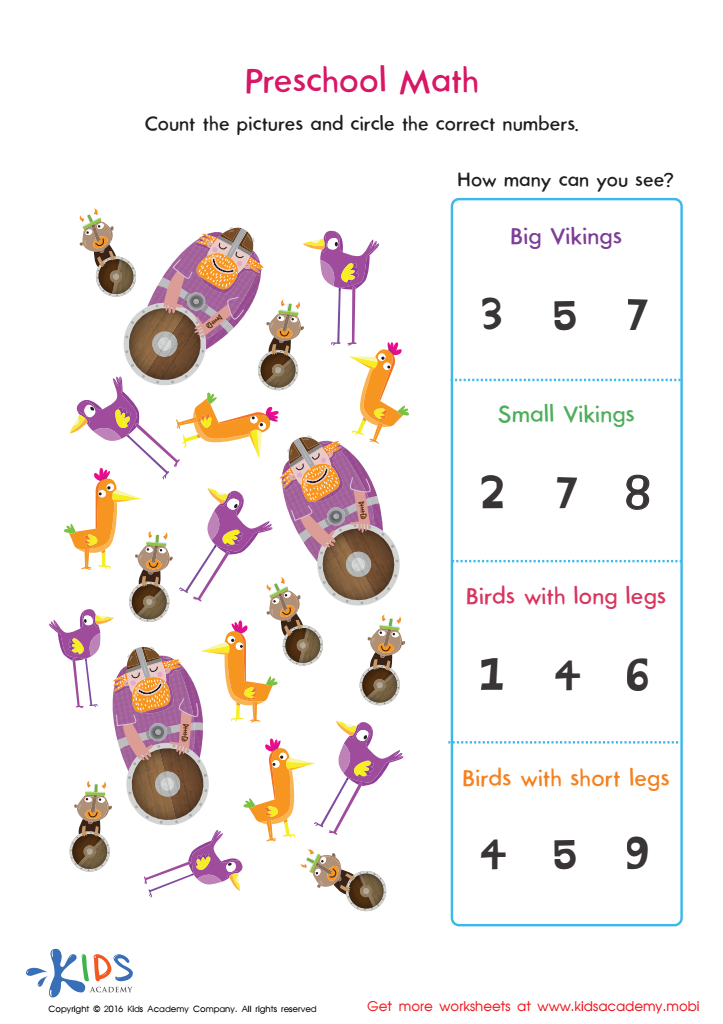
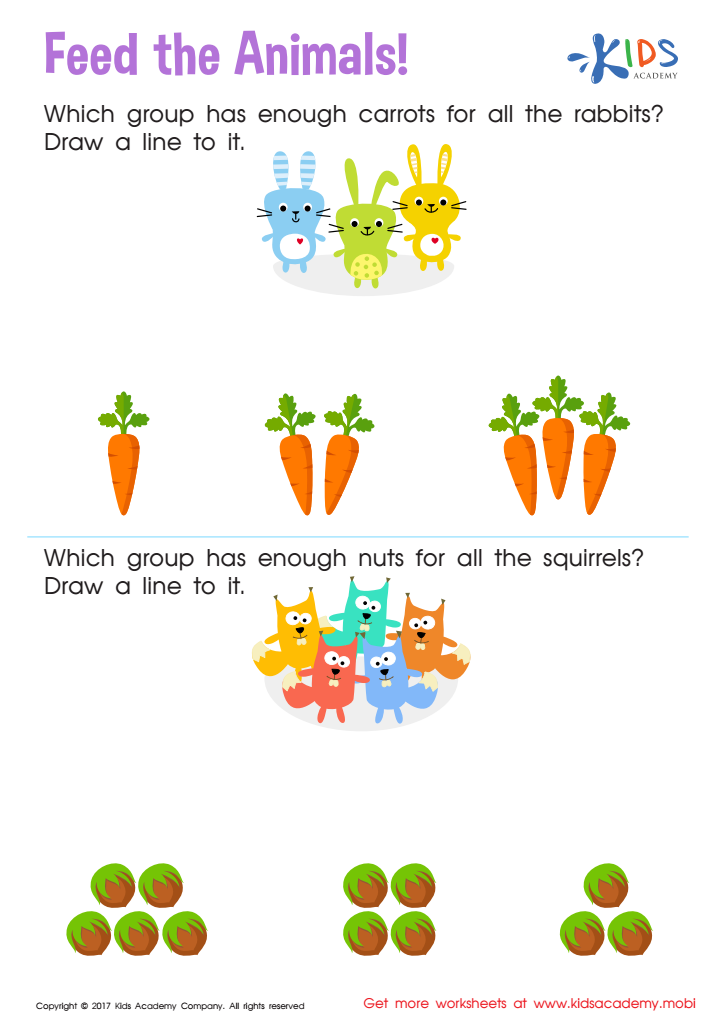
Count and Match: Feed the Animals Worksheet








Parents and teachers should prioritize Fine Motor Skills Extra Challenge Math for children aged 4-8 because these skills are foundational for both academic success and daily life activities. Fine motor skills involve the coordination of small muscles in the hands and fingers, which are essential for tasks such as writing, drawing, and manipulating objects. When children engage in math-related activities that emphasize these skills, they not only learn arithmetic but also enhance their dexterity and hand-eye coordination.
Moreover, incorporating fine motor skill activities into math helps make learning interactive and engaging, promoting a deeper understanding of mathematical concepts. As children complete hands-on tasks, such as using counters or drawing shapes, they develop problem-solving skills and critical thinking, which are vital for their cognitive growth. These activities also support the development of patience, perseverance, and focus.
Investing time in these exercises can lead to stronger foundational skills for future learning and reduces frustration during later stages of education. Additionally, children better express their creativity and ideas, strengthening their confidence. Ultimately, fostering fine motor skills through math not only enriches a child's educational experience but also equips them with the necessary tools for lifelong learning.