Problem-Solving Skills Extra Challenge Numbers 0–10 Worksheets for Ages 4-8
3 filtered results
-
From - To
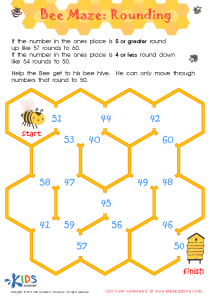
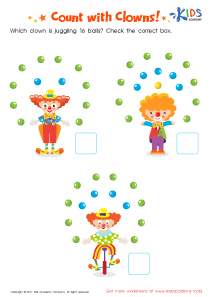
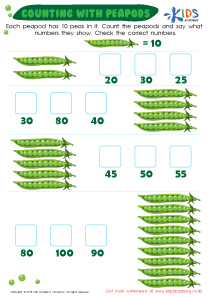
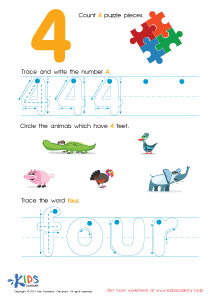
Boost your child's numeracy and analytical prowess with our "Problem-Solving Skills Extra Challenge Numbers 0–10 Worksheets" specifically designed for ages 4-8. These engaging worksheets feature a variety of fun and thought-provoking activities to help kids master numbers 0–10 while sharpening their critical thinking abilities. Perfectly crafted to challenge young minds, our worksheets promote problem-solving skills through puzzles, pattern recognition, and logical reasoning tasks. Whether at home or in the classroom, these printables provide an excellent resource for cultivating a strong foundation in math and beyond. Help your child develop confidence and competence with our expertly designed worksheets!
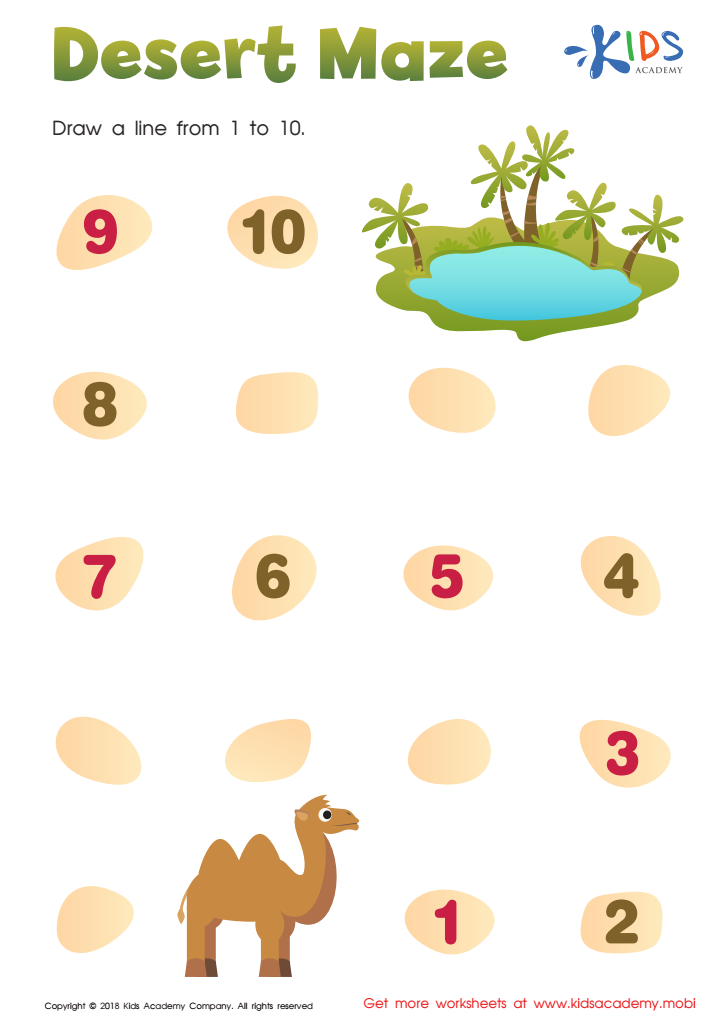
Desert Maze Worksheet
 Assign to My Students
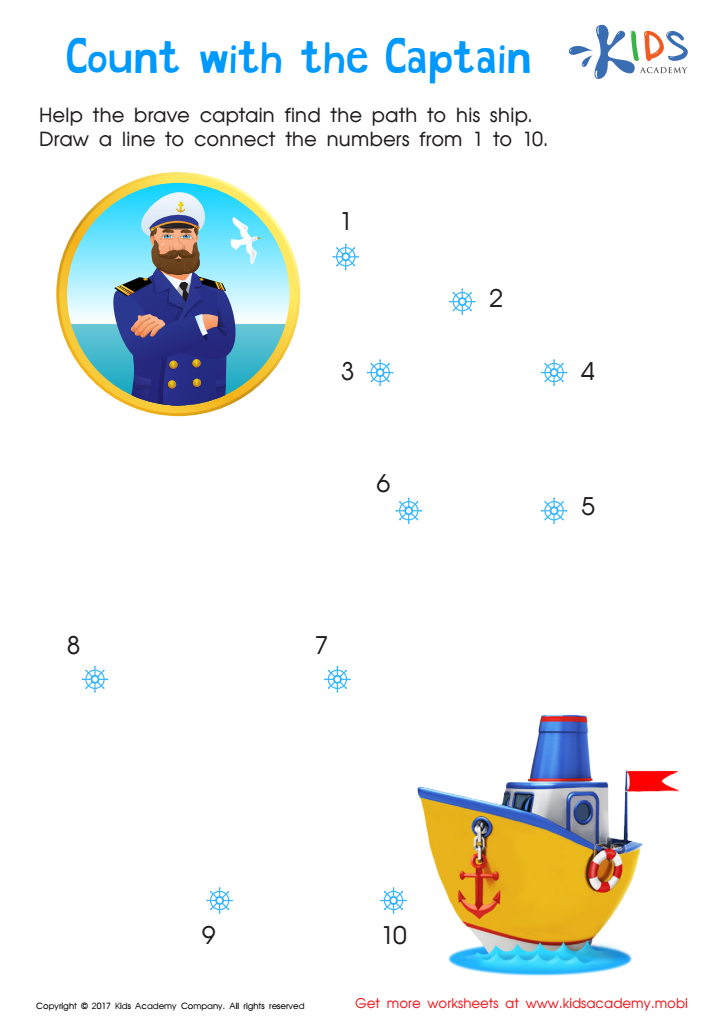
Count with the Captain Connect Dots Worksheet
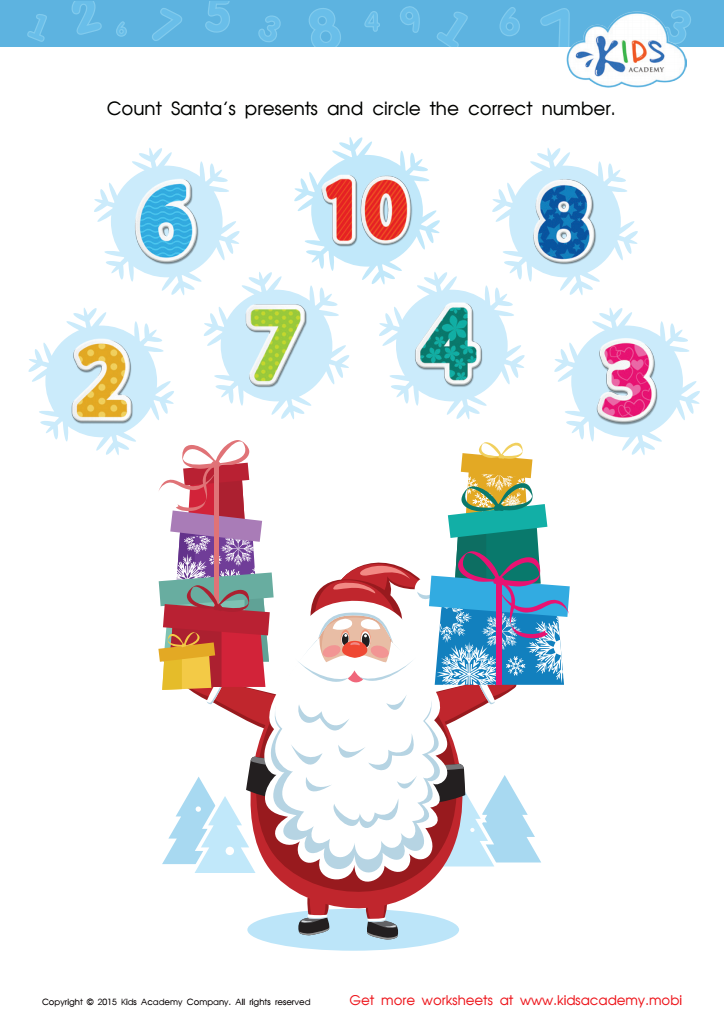
Count Santa's Presents Worksheet








Problem-solving skills play a crucial role in a child's cognitive development, and engaging young kids in extra challenges involving numbers from 0 to 10 builds a strong foundation in critical thinking and mathematical reasoning. For children aged 4-8, these exercises do more than just teach math; they foster essential life skills.
First, working on such challenges helps enhance a child’s logical thinking and reasoning abilities. As kids figure out how to approach and solve these problems, they learn to think critically and logically, weighing different approaches and solutions.
Second, it promotes perseverance and resilience. Encountering difficulty and working through it teaches kids that it's okay to make mistakes and that persistence can lead to success, fostering a growth mindset.
Additionally, these activities improve attention to detail and concentration. Solving numerical problems requires kids to focus, follow instructions, and notice patterns and relationships, skills that are transferable to all areas of learning.
Furthermore, familiarity with numbers from 0 to 10 is foundational for more advanced math concepts. Strengthening these basics ensures that children are better prepared for future academic challenges in math and related subjects.
Teachers and parents should prioritize these extra challenges because they holistically support the child’s development, equipping them not only with math skills but with attitudes and abilities that will benefit their lifelong learning journey.