Vowel Recognition Extra Challenge Phonics Worksheets for Ages 4-9
8 filtered results
-
From - To
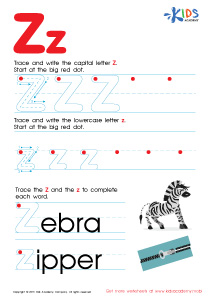
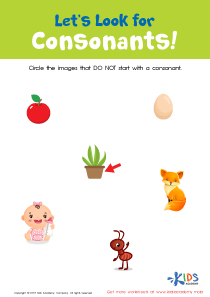
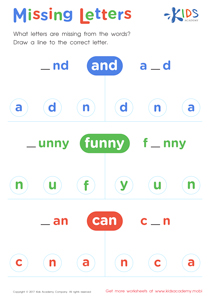
Enhance your child's phonics skills with our "Vowel Recognition Extra Challenge Phonics Worksheets for Ages 4-9." Perfect for young learners, these printable worksheets engage children through fun and interactive activities designed to improve their ability to recognize and use vowels in words. Each worksheet is tailored to challenge kids while reinforcing essential phonics concepts, promoting confidence and mastery in language skills. Ideal for both classroom use and home practice, our expertly crafted worksheets help pave the way for reading success. Visit Kids Academy to unlock your child's full potential with our top-tier vowel recognition exercises!
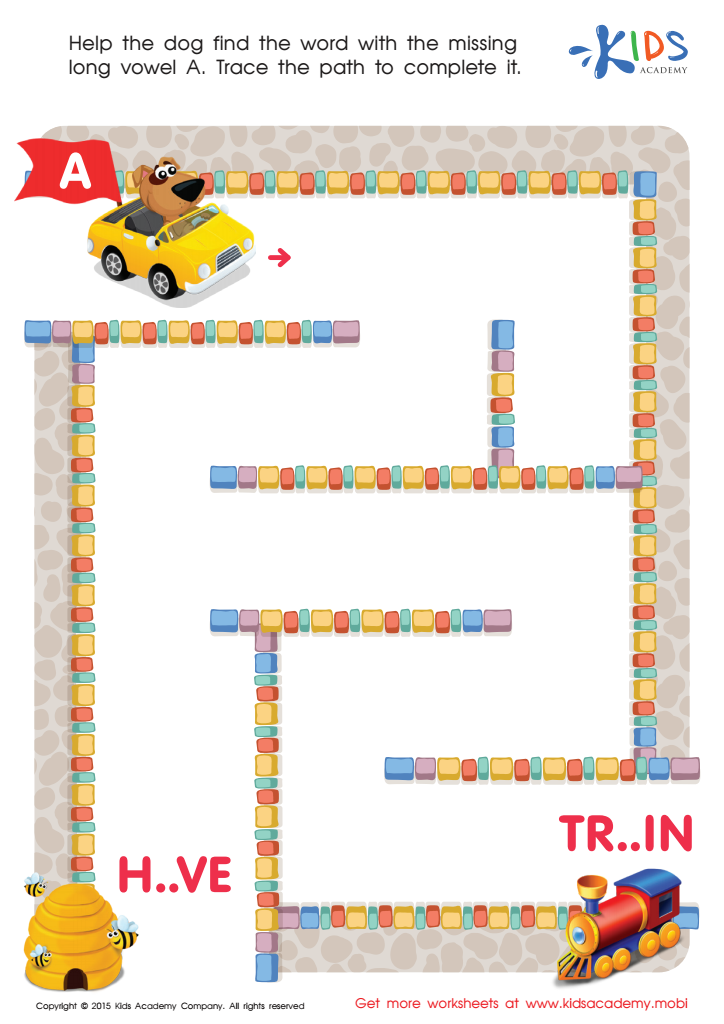
Long Vowel Sound A Worksheet
 Assign to My Students
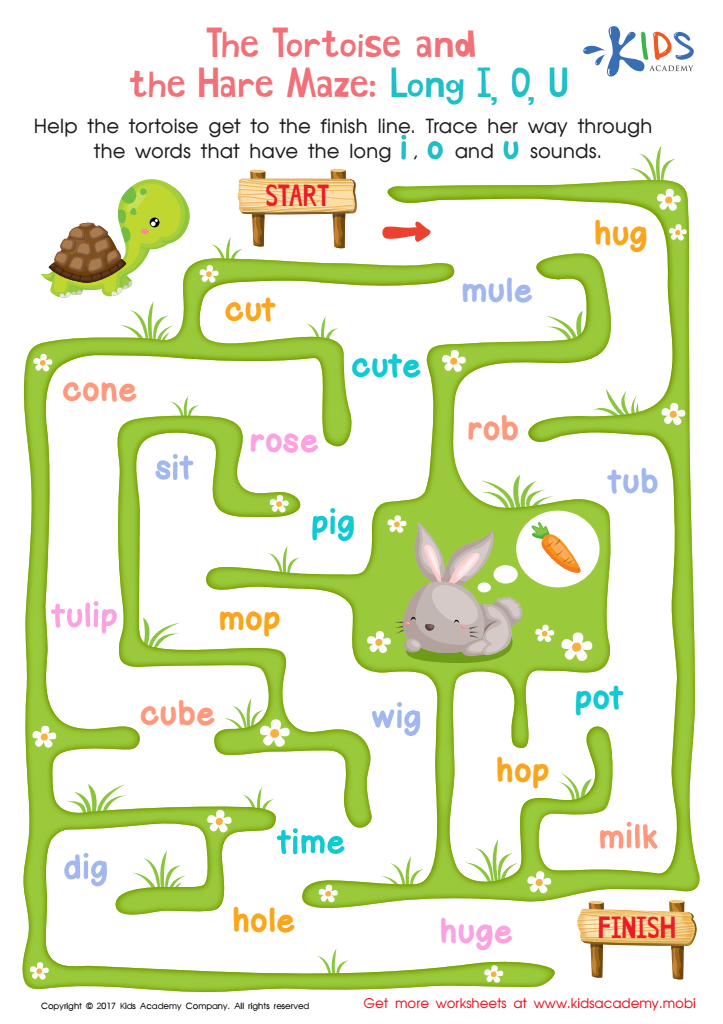
Long I, O, U Words Worksheet
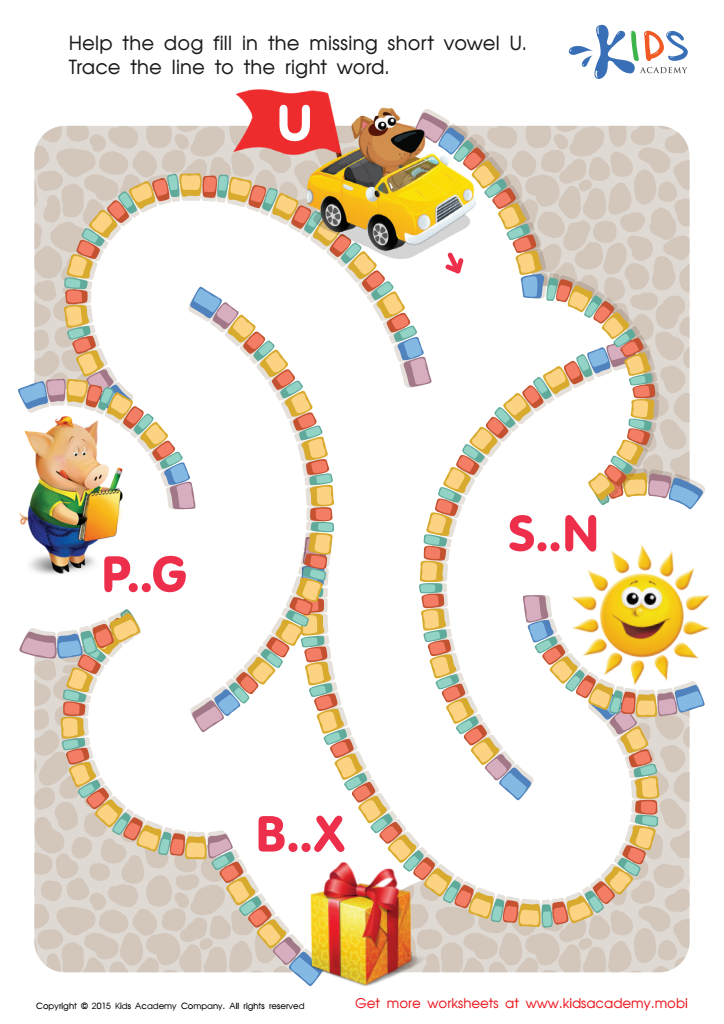
Short Vowel Sound U Worksheet
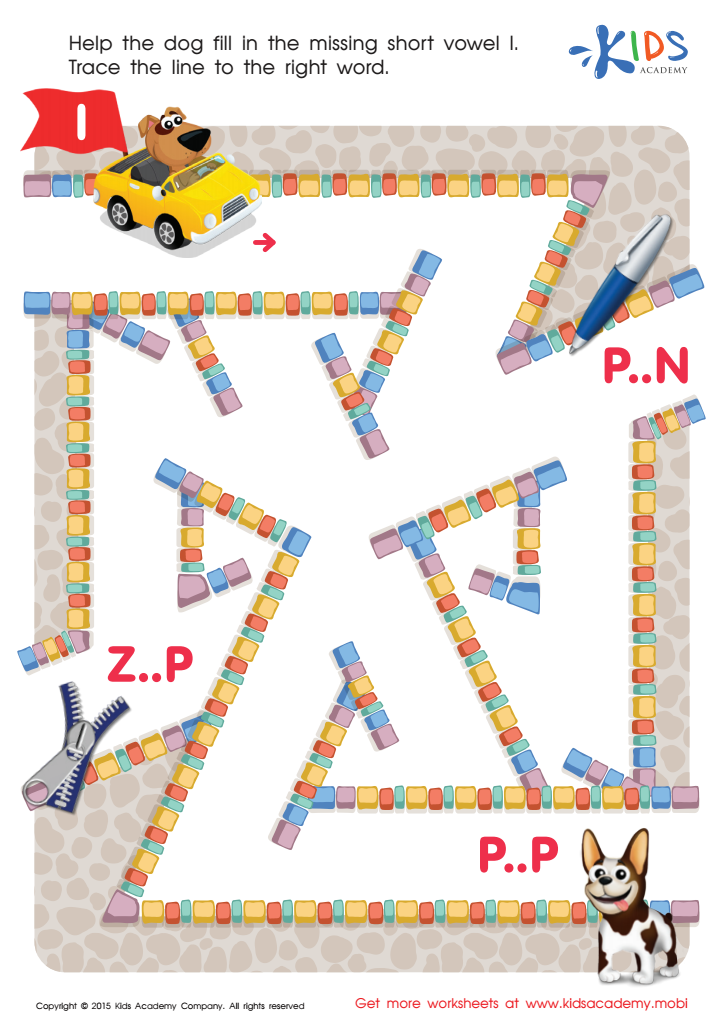
Short Vowel Sound I Worksheet
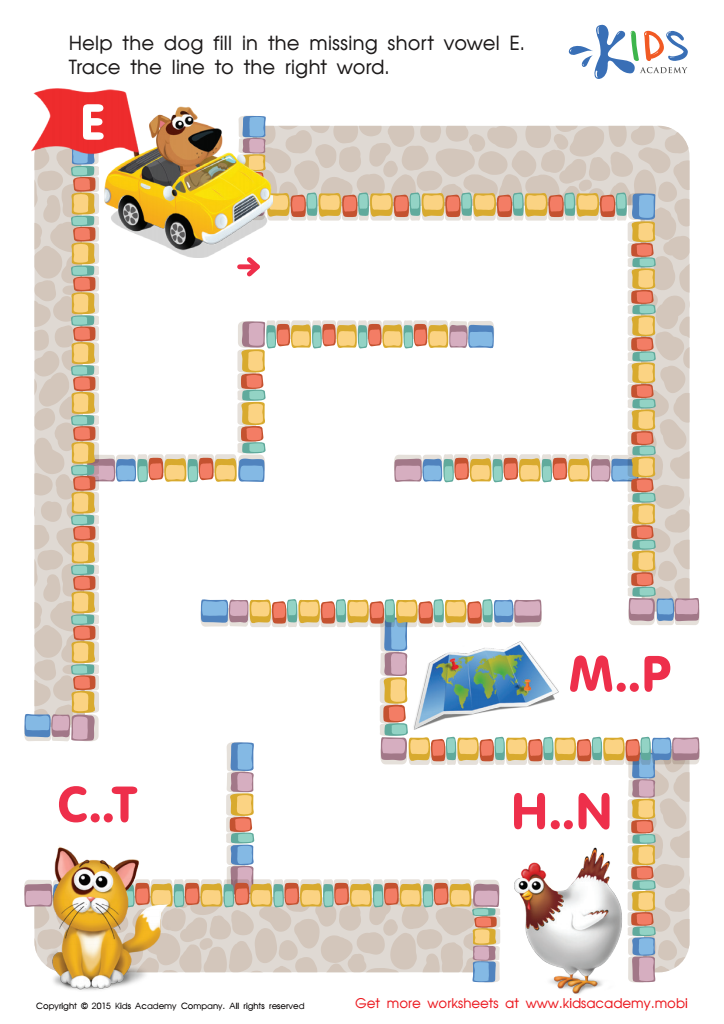
Short Vowel Sound E Worksheet
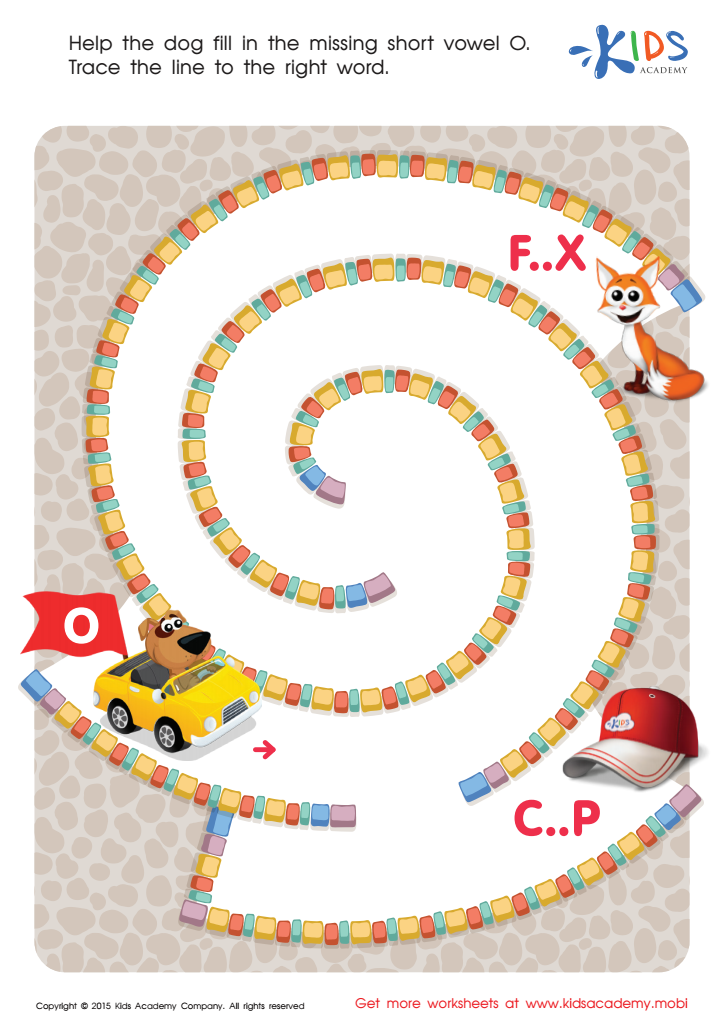
Short Vowel Sound O Worksheet
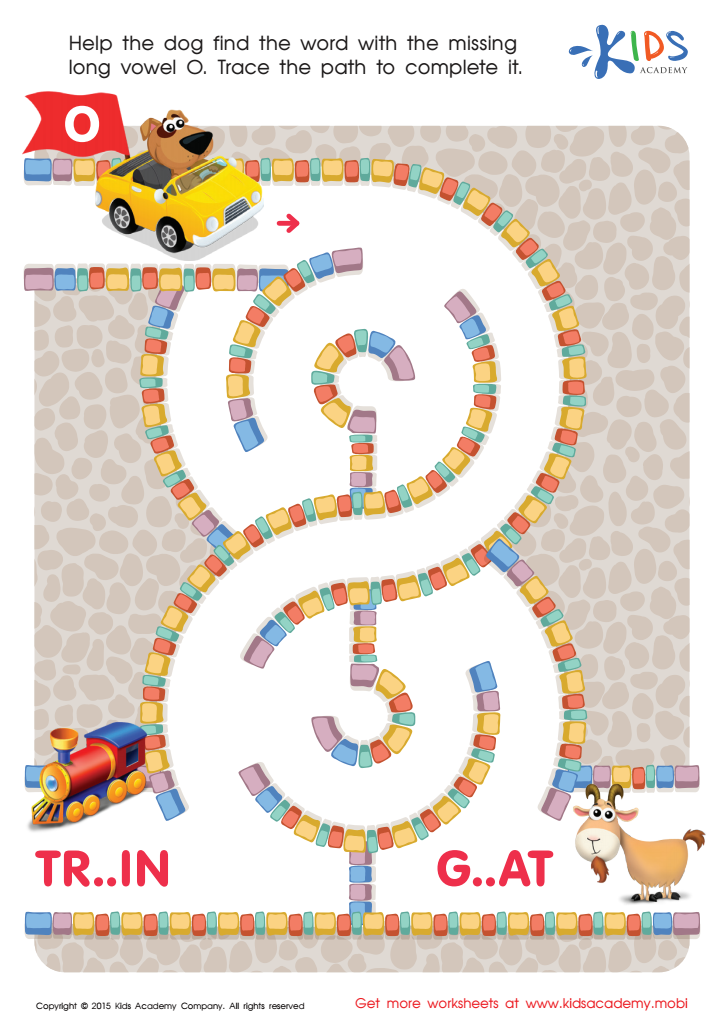
Long Vowel Sound O Worksheet
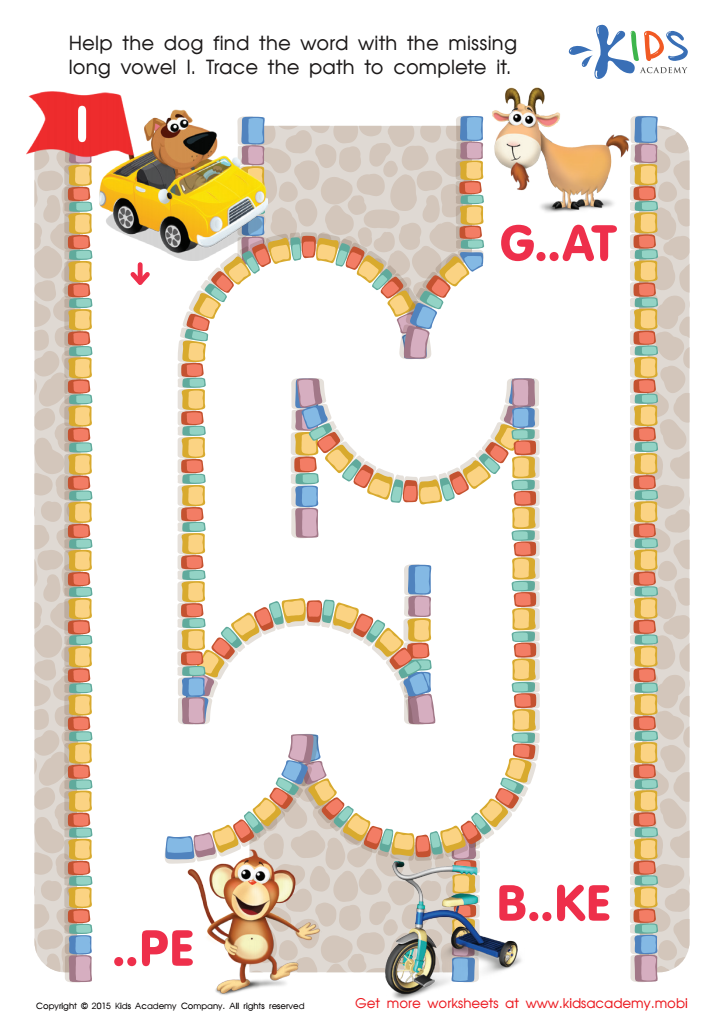
Long Vowel Sound I Worksheet








Vowel Recognition Extra Challenge Phonics is an essential tool for young learners aged 4-9 because it lays the foundation for reading and writing skills. Understanding vowels is crucial for decoding words, forming sentences, and mastering spelling. Vowels are the backbone of many syllables and words, so early and thorough recognition enhances reading fluency and boosts confidence.
When parents and teachers focus on vowel recognition, they help children grasp the nuances of pronunciation, which is key for effective communication. Early proficiency with vowels promotes better phonemic awareness, an essential predictor of later reading success. Through engaging, challenging activities, children also develop critical thinking and problem-solving skills as they learn to distinguish between long and short vowel sounds and identify them in diverse contexts.
Moreover, consistent vowel recognition practice supports cognitive development and growth in literacy, offering young children the tools they need for more complex reading tasks. Strengthening this skill set early on can biseudo paseasonompetence and enjoyment in literacy-related activities, setting the stage for continuous academic achievement. For these reasons, investing in Vowel Recognition Extra Challenge Phonics is pivotal for fostering enduring literacy skills and a lifelong love of reading and learning.
Overall, this focused practice acknowledges the pivotal role vowels play in literacy and builds a robust foundation for children's future educational success.