Handwriting practice Extra Challenge English for Beginners Worksheets for Ages 4-9
5 filtered results
-
From - To
Discover our "Handwriting Practice Extra Challenge English for Beginners Worksheets" designed specifically for children aged 4-9. This collection of engaging worksheets focuses on enhancing handwriting skills while learning English. Each activity provides a fun and interactive way for young learners to practice letter formation, improve fine motor skills, and build confidence in writing. Perfect for ESL students, these worksheets combine clear visuals with structured exercises to keep students motivated and entertained. Support your child's language development and improve their handwriting with these thoughtfully designed challenges that make learning enjoyable. Start your journey to stronger writing today!
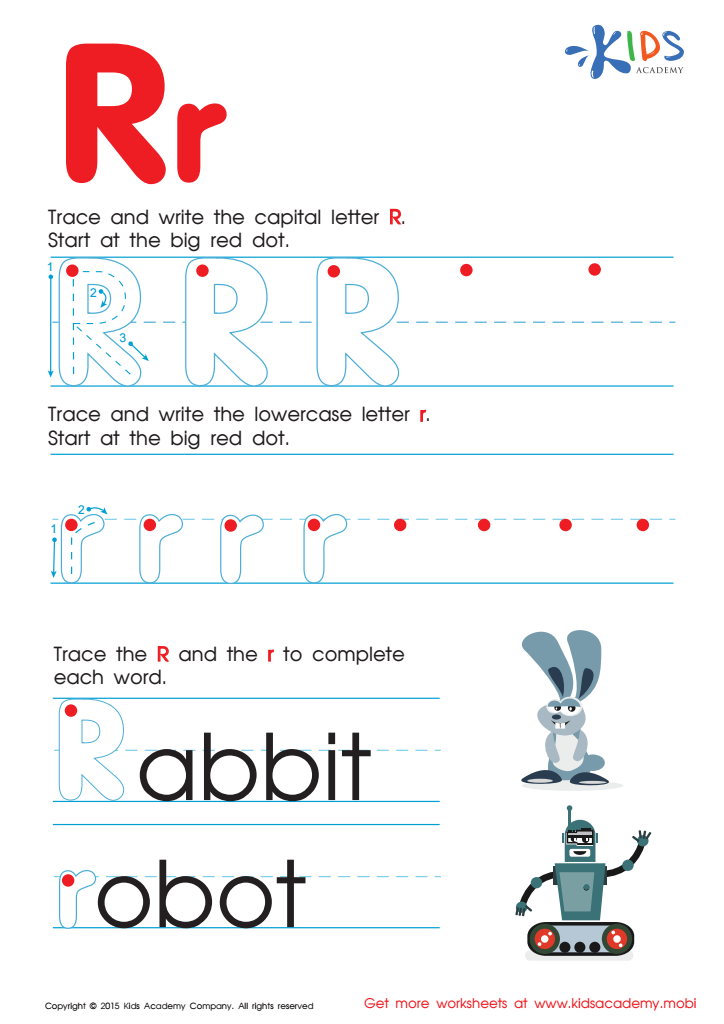
Letter R Tracing Page
 Assign to My Students
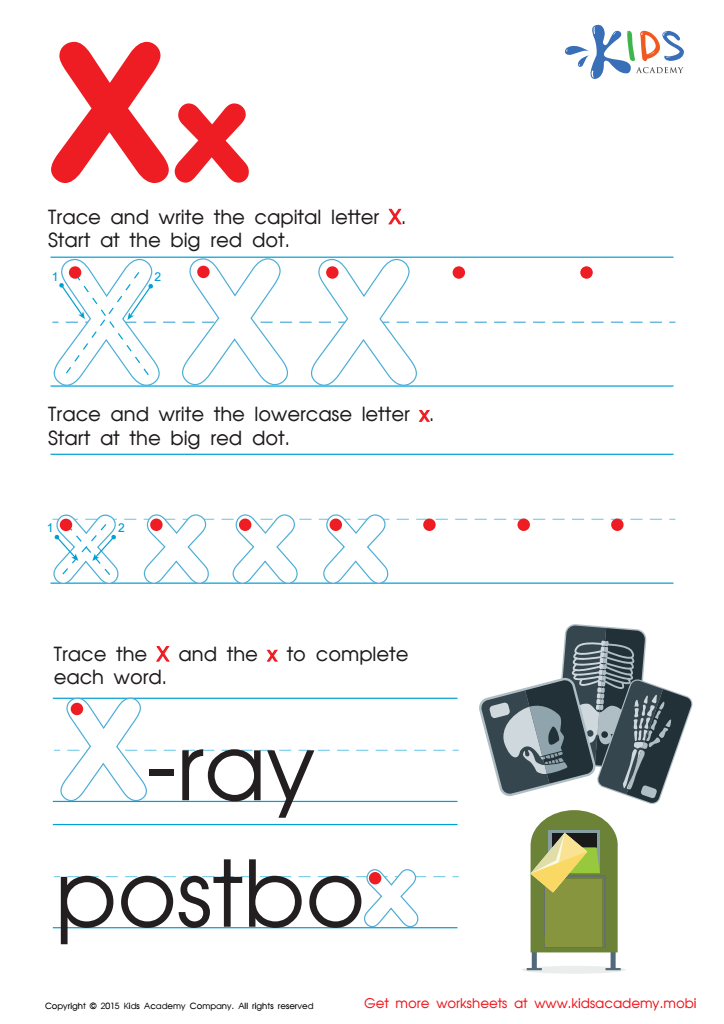
Letter X Tracing Page
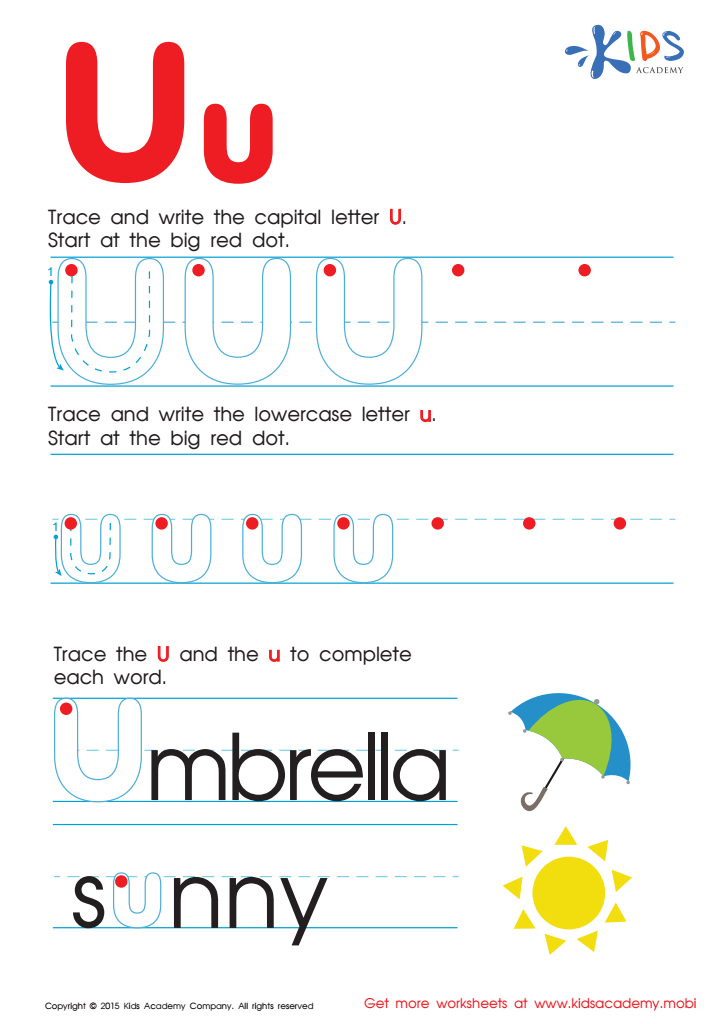
Letter U Tracing Page
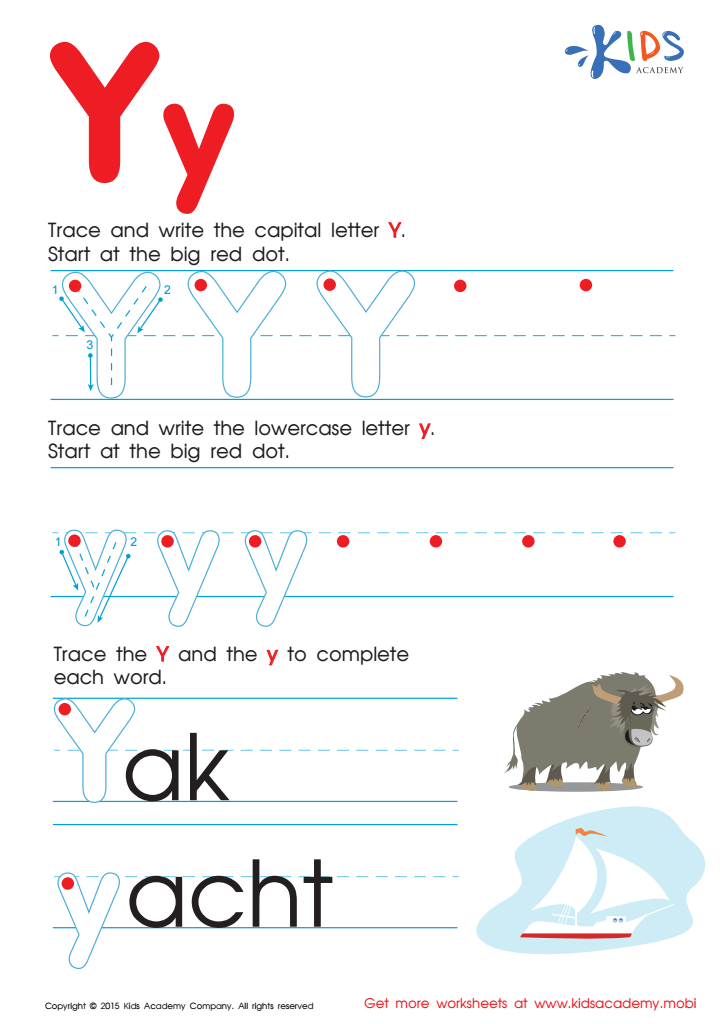
Letter Y Tracing Page
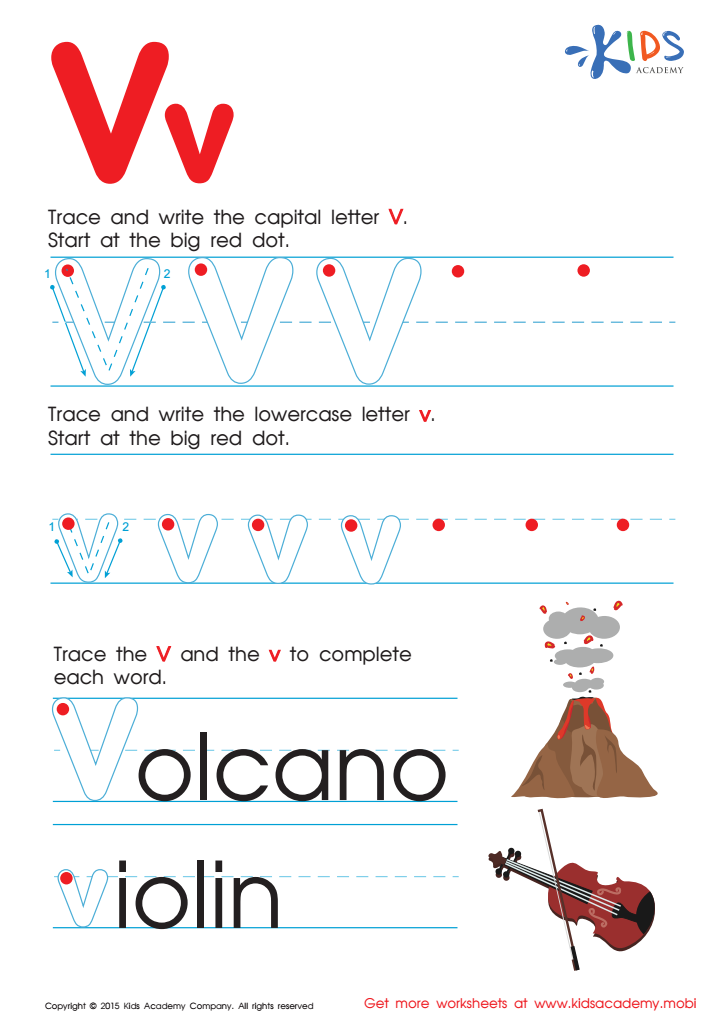
Letter V Tracing Page





Handwriting practice is crucial for children aged 4-9, particularly when learning a new language like English. For parents and teachers, fostering this skill supports fine motor development and cognitive growth, laying the foundation for effective communication. Children in this age group are not only acquiring language skills but also learning how to express themselves through writing.
Engaging in handwriting exercises, especially designed for beginners, helps improve letter formation, spacing, and overall penmanship. This becomes essential as mastering handwriting contributes to academic success in all subjects, including reading and math, where clear written responses are vital. Additionally, handwriting practice can enhance a child’s focus, attention to detail, and discipline, essential qualities for lifelong learning.
Moreover, when children practice handwriting, they often become more confident in their writing abilities, reducing anxiety associated with the writing process. Incorporating fun activities and challenges can make this practice enjoyable, and foster a love for writing at a young age.
In essence, nurturing handwriting skills plays a pivotal role in language acquisition and literacy, making it a worthwhile commitment for both parents and teachers to ensure children thrive in their educational journey. Recognizing its importance can dramatically shape a child's learning experience and future opportunities.








