Logical thinking development Extra Challenge Worksheets for Ages 4-9
6 filtered results
-
From - To
Introducing our "Logical Thinking Development Extra Challenge Worksheets for Ages 4-9," designed to enhance critical thinking and problem-solving skills in young learners. These engaging printable worksheets provide a fun and interactive way for children to tackle logical reasoning puzzles, patterns, and sequencing challenges. Our carefully crafted activities encourage creativity and analytical thinking, setting a strong foundation for academic success. Ideal for both classroom use and home learning, these worksheets cater to various skill levels, ensuring personalized learning experiences. Inspire curiosity and boost cognitive development with our intriguing logical thinking challenges today! Perfect for nurturing young minds!
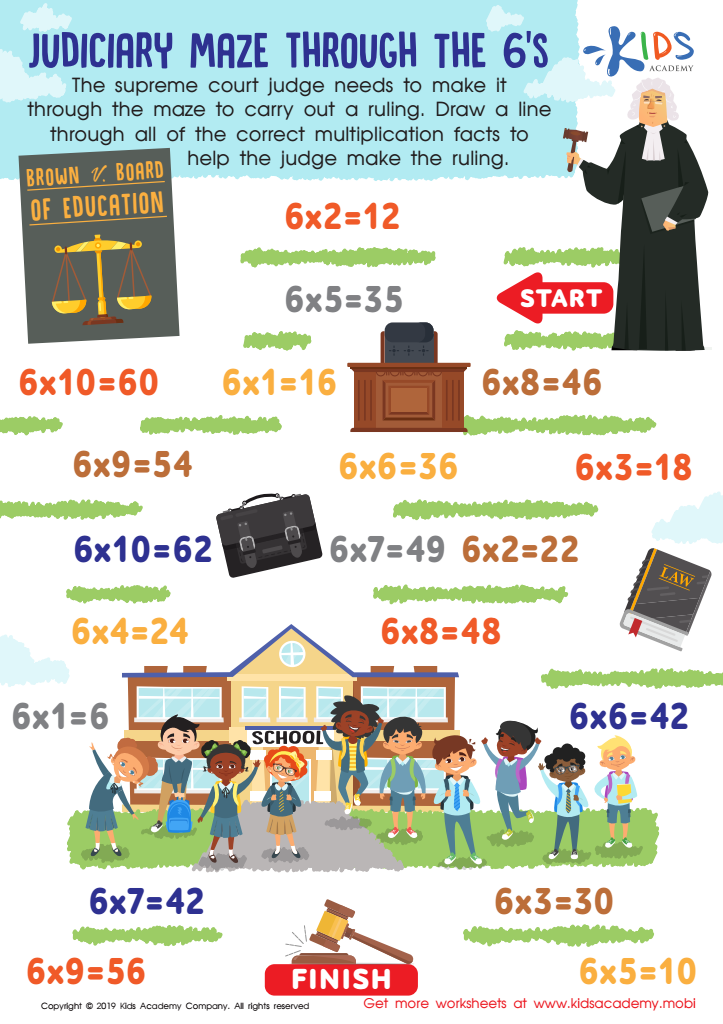
Judiciary Maze Through The 6’s Worksheet
 Assign to My Students
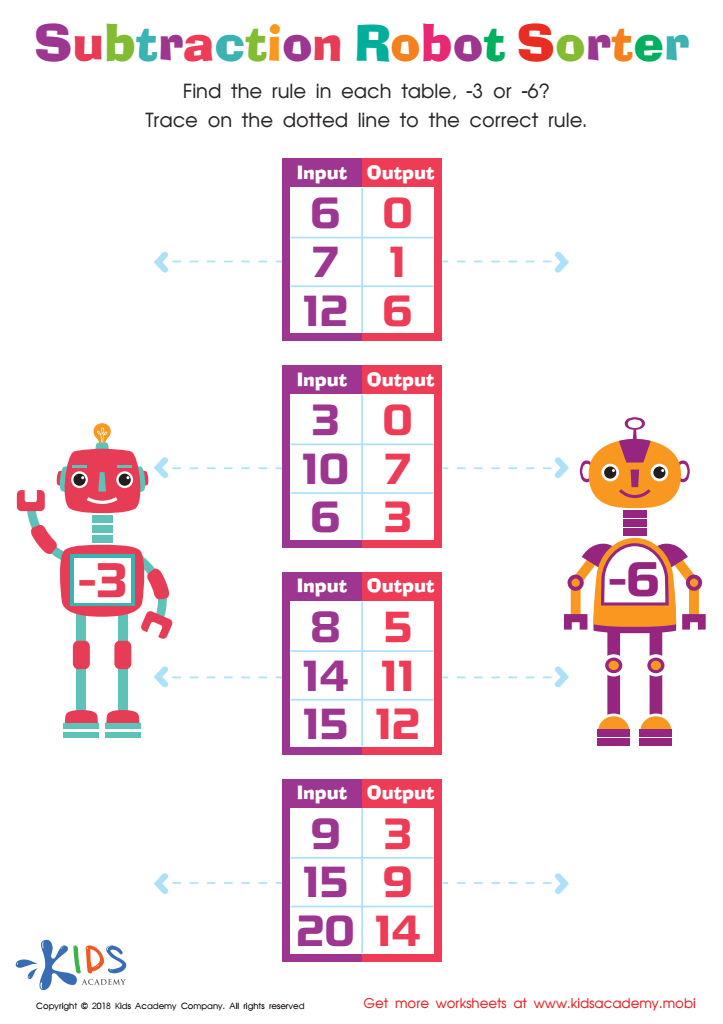
Subtraction Robot Sorter Worksheet

Comparing Solutions Worksheet

Beaver Pond: Comparing Solutions Worksheet
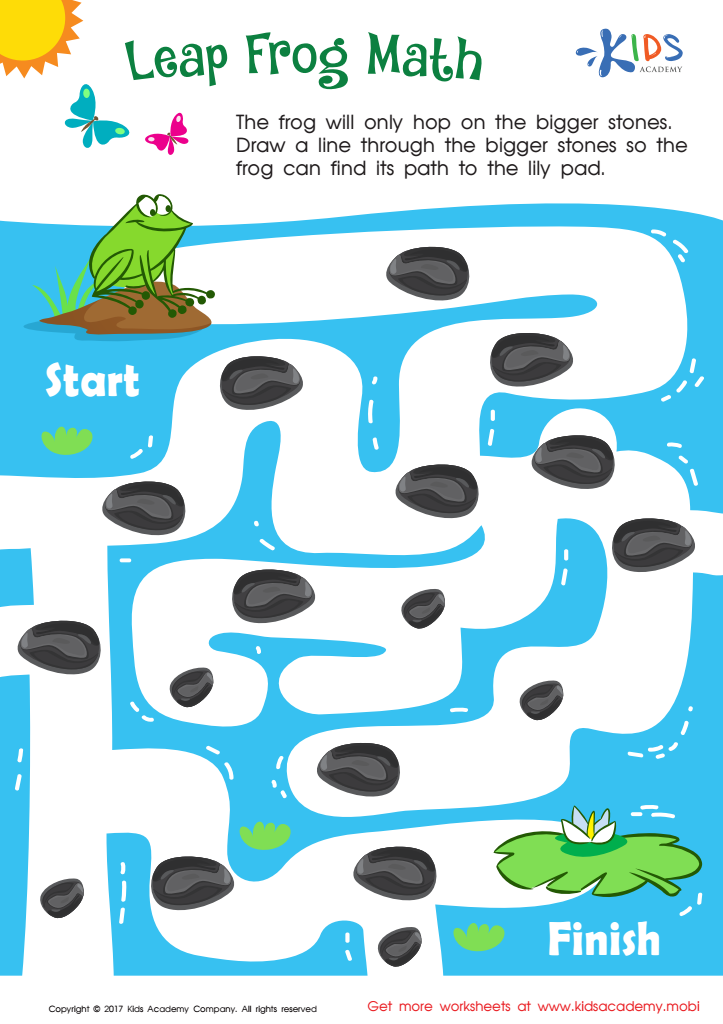
Math Puzzle Worksheet
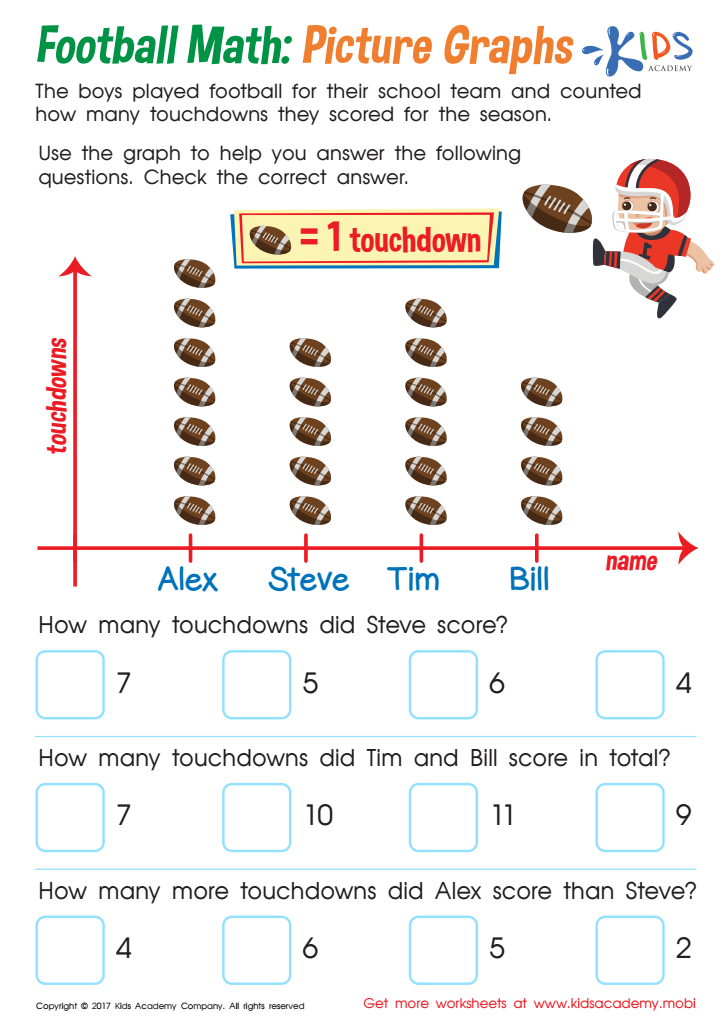
Football Math Worksheet







Logical thinking development is crucial for children ages 4-9 as it lays the foundation for essential cognitive skills that will benefit them throughout life. At this stage, children are naturally curious, asking questions and exploring their environment. By nurturing logical thinking, parents and teachers help children build critical reasoning skills, enhance problem-solving abilities, and improve decision-making processes.
Logical thinking promotes better understanding of cause and effect, patterns, and relationships among objects and ideas, which are fundamental concepts in mathematics and science. Engaging children in activities that challenge their reasoning—like puzzles, games, and critical thinking exercises—encourages them to think creatively while also developing resilience and perseverance.
Moreover, strengthening logical thinking at an early age supports improved academic performance, enhancing reading comprehension and mathematical reasoning. It also cultivates emotional intelligence through the evaluation of social situations and the development of empathy, as children learn to think through their actions and their consequences for others.
In sum, emphasizing logical thinking in early childhood education fosters an environment where children can thrive intellectually, socially, and emotionally. It equips them with lifelong skills that contribute to their overall success and adaptability in an ever-changing world.








