Observational skills Extra Challenge Worksheets for Ages 4-9
3 filtered results
-
From - To
Ignite your child's curiosity with "Observational Skills Extra Challenge Worksheets for Ages 4-9"! Tailored for young learners, these worksheets are expertly designed to enhance attention to detail and critical thinking. Each engaging activity encourages kids to closely examine patterns, spot differences, and make astute observations, laying a strong foundation for future learning. Perfect for use at home or in the classroom, these challenges stimulate mind growth while ensuring fun and interactive learning. Make observation an adventure and strengthen your child's analytical skills with challenges that keep them excited and eager to learn more daily.
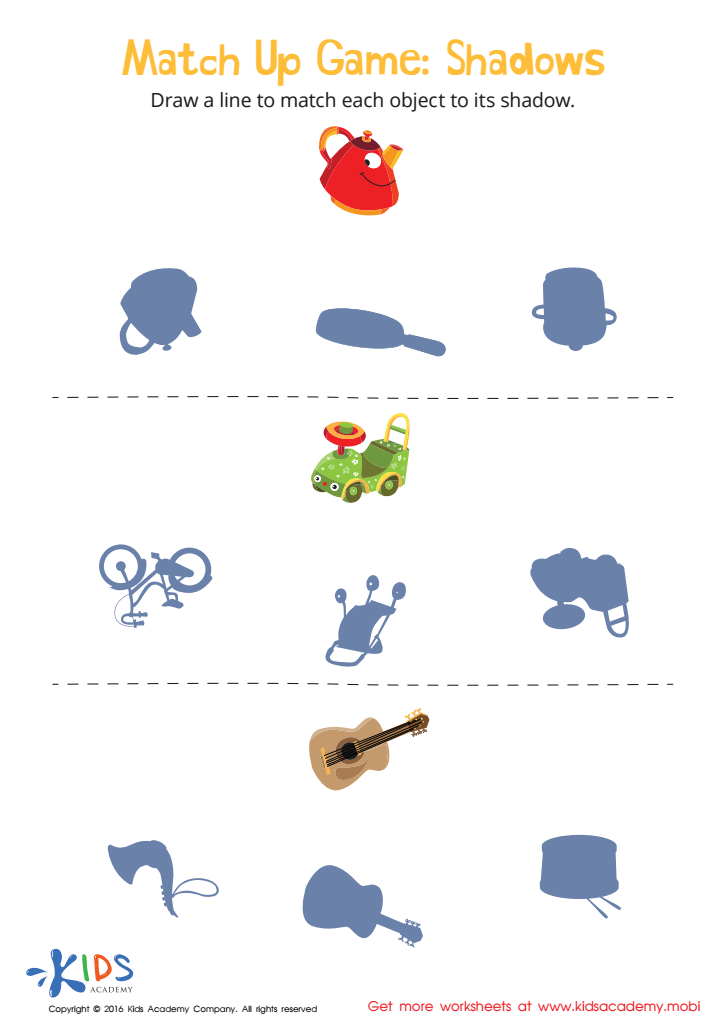
 Assign to My Students
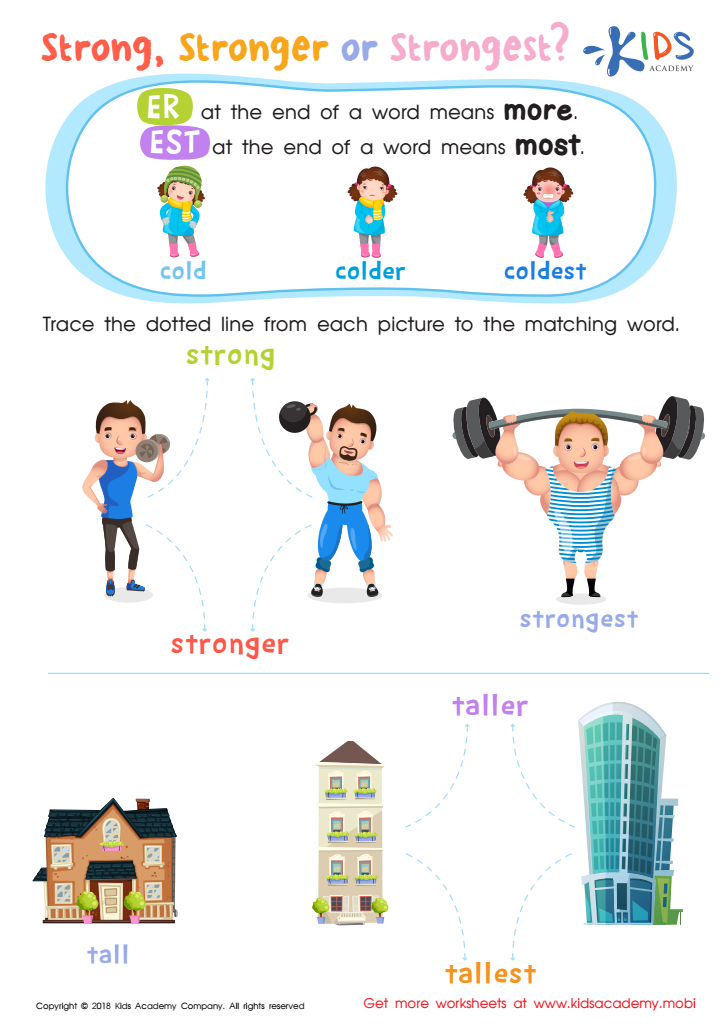
Strong or Stronger? Worksheet
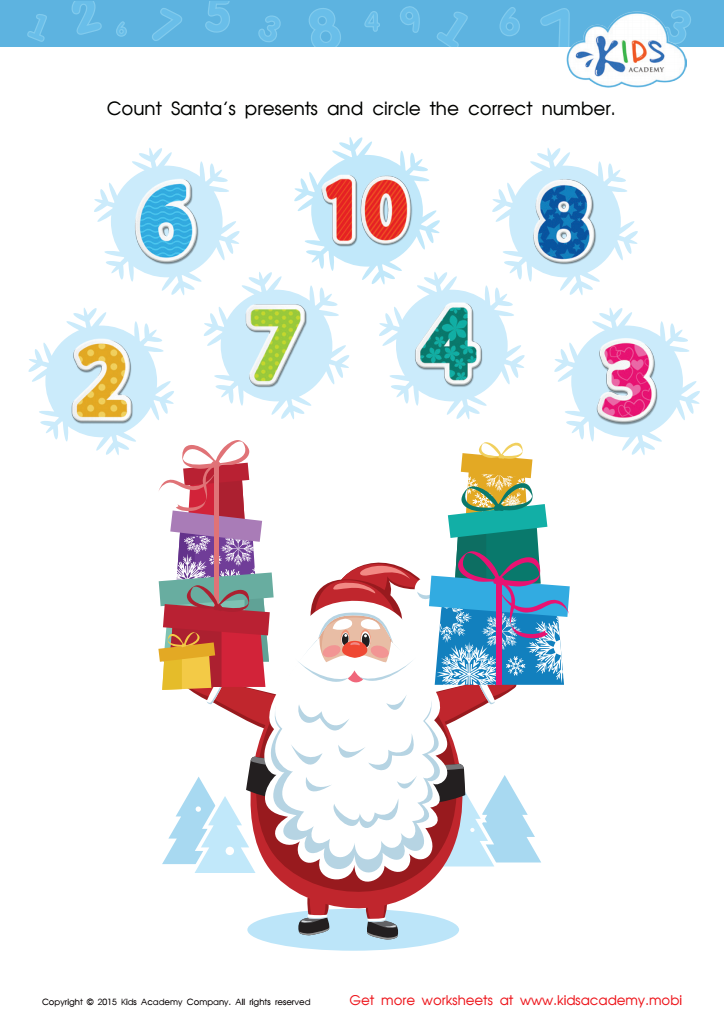
Count Santa's Presents Worksheet







.jpg)
Observational skills are fundamental for early childhood development, and offering extra challenges in this area for children aged 4-9 is crucial. At this young age, kids are naturally curious, and enhancing observational skills can harness their innate curiosity to aid in cognitive development. These skills help children improve their attention to detail, enhancing their ability to notice and remember information.
Extra challenges in observational skills inspire children to become more attentive and adept at recognizing patterns, differences, and similarities in their environment. This not only fosters critical thinking but also strengthens memory and concentration. For example, flexible thinking and problem-solving abilities are boosted when kids engage in activities requiring them to observe, analyze, and draw conclusions.
Additionally, strong observational skills lay the groundwork for academic success. Skills in reading, writing, and arithmetic often require keen observation, so reinforcing this skill set early on correlates with better performance in school. Moreover, observational challenges can improve social skills. Children learn to notice social cues, body language, and other non-verbal signals, which can enhance their interactions and emotional intelligence.
Overall, nurturing observational skills in the 4-9 age group equips children with essential tools for their academic journey and personal growth. Careful observation becomes a beacon of lifelong learning and problem-solving.








