Vocabulary development Extra Challenge Worksheets for Ages 4-9
8 filtered results
-
From - To
Boost your child’s vocabulary with our Vocabulary Development Extra Challenge Worksheets for ages 4-9! These engaging and interactive worksheets are designed to enhance linguistic skills, offering a fun and stimulating approach to learning. Perfect for parents and educators, our challenges cater to various learning levels, helping children master new words through puzzles, matching exercises, and creative writing prompts. With vibrant illustrations and child-friendly layouts, your little learners will stay motivated as they expand their vocabulary. Foster a love for words and enrich their communication skills today—explore our collection and watch your child thrive in their educational journey!
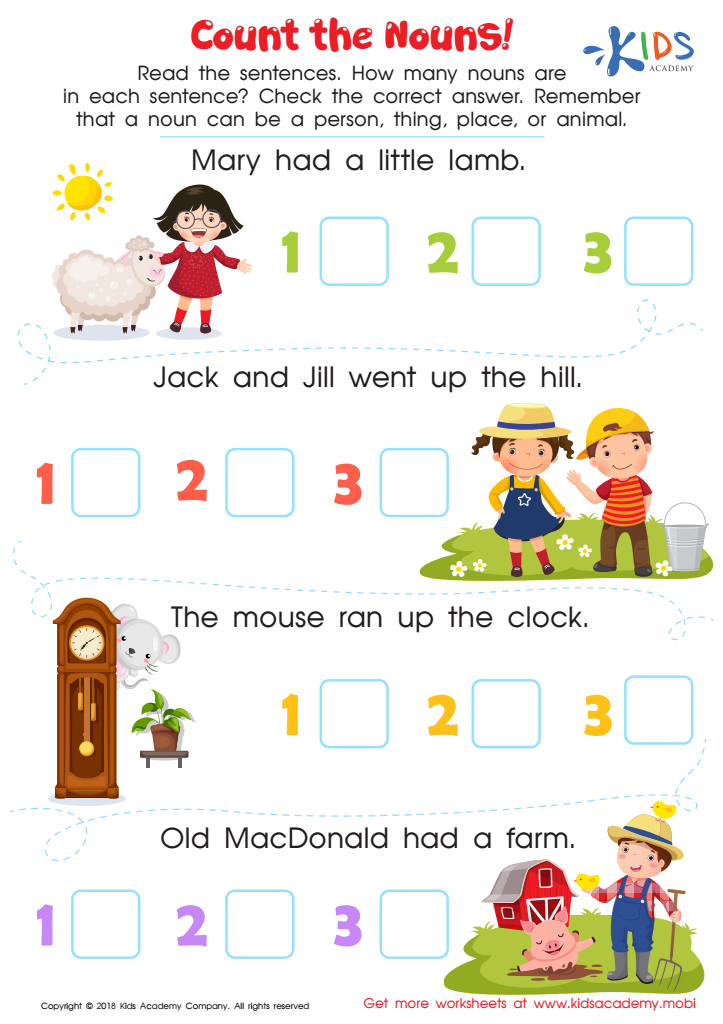
Count the Nouns Worksheet
 Assign to My Students
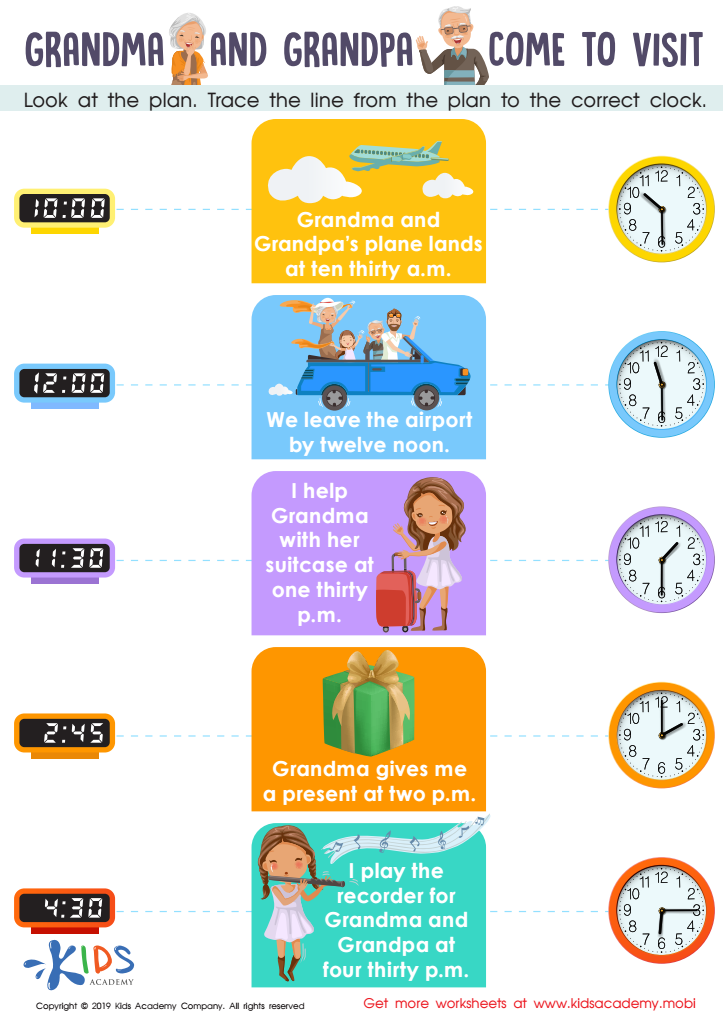
Grandpa and Grandma Come to Visit Worksheet
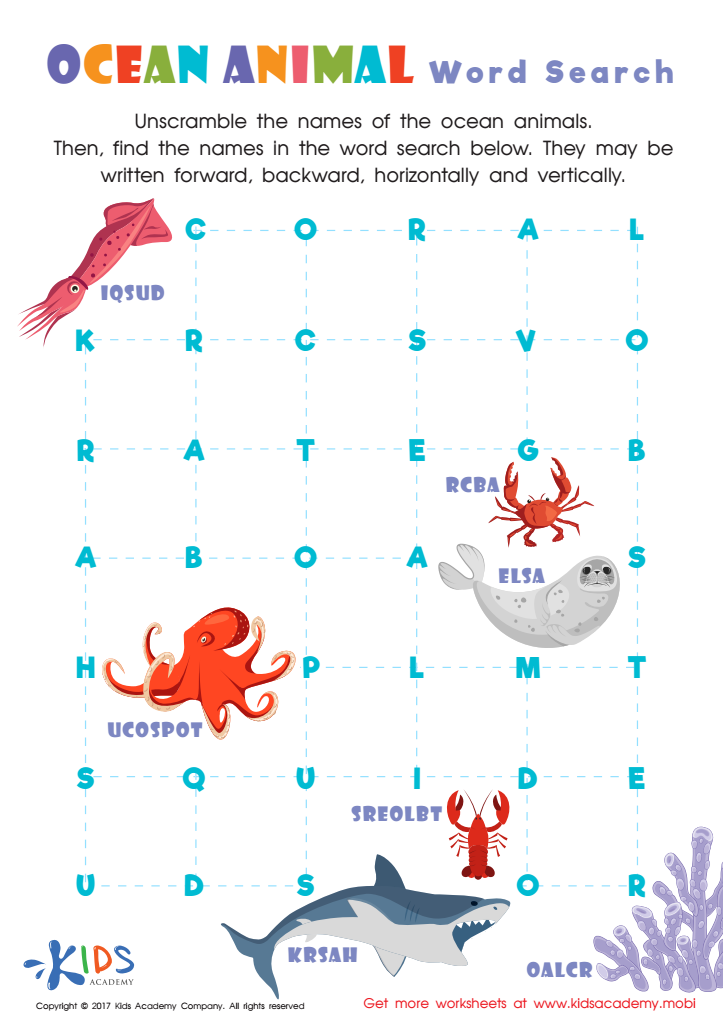
Ocean Animals Word Search Printable
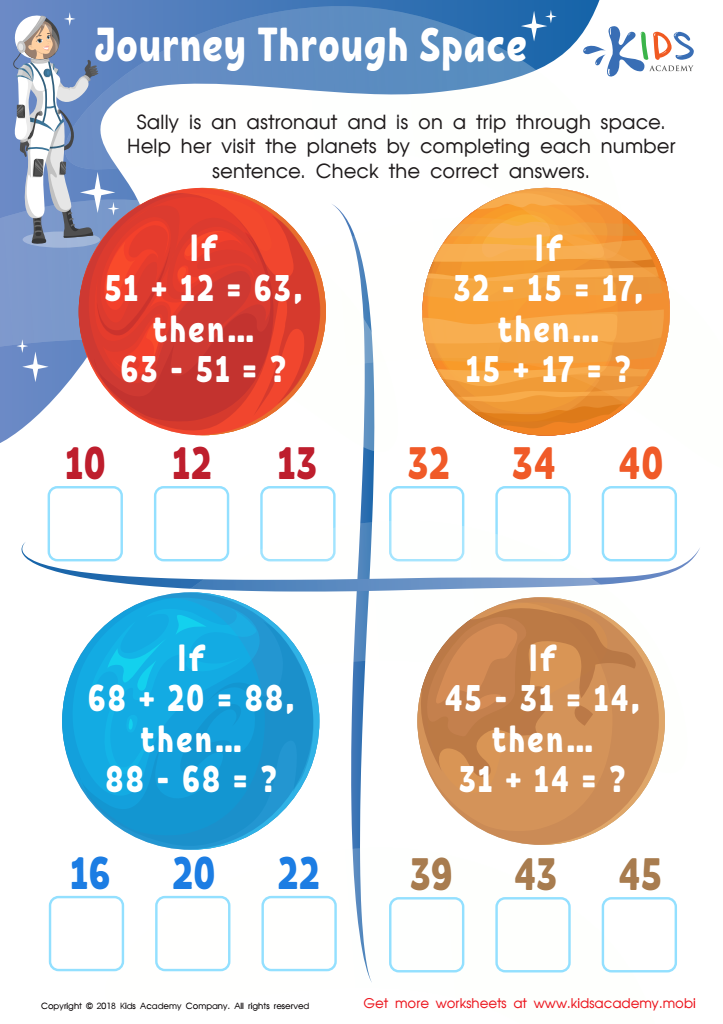
Journey Through Space Worksheet
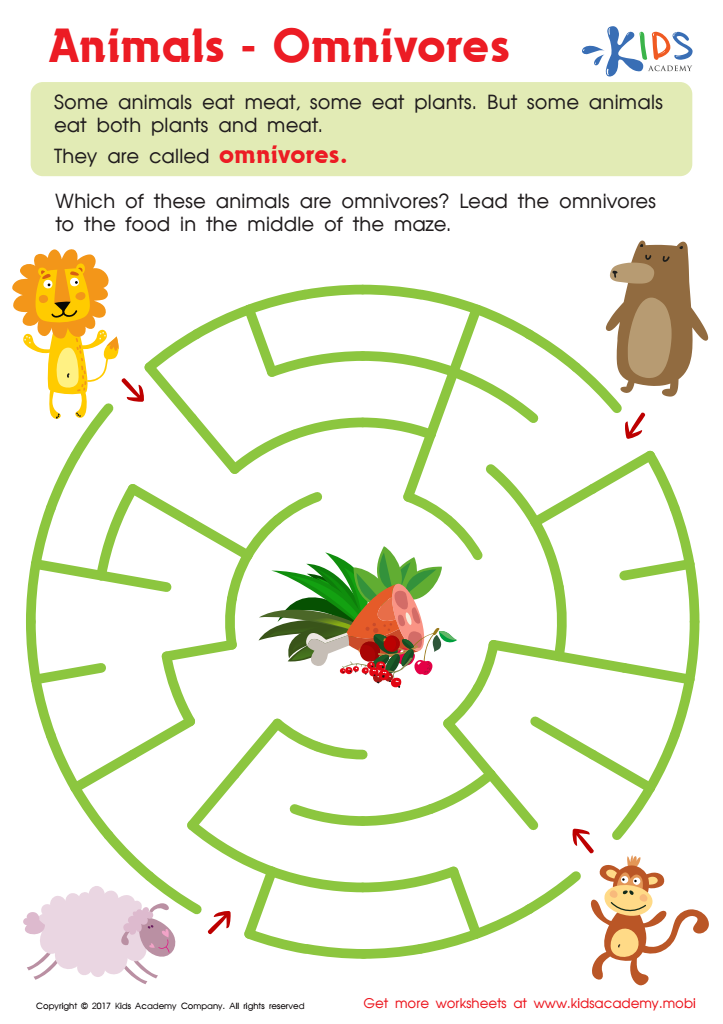
Omnivores Animals Worksheet
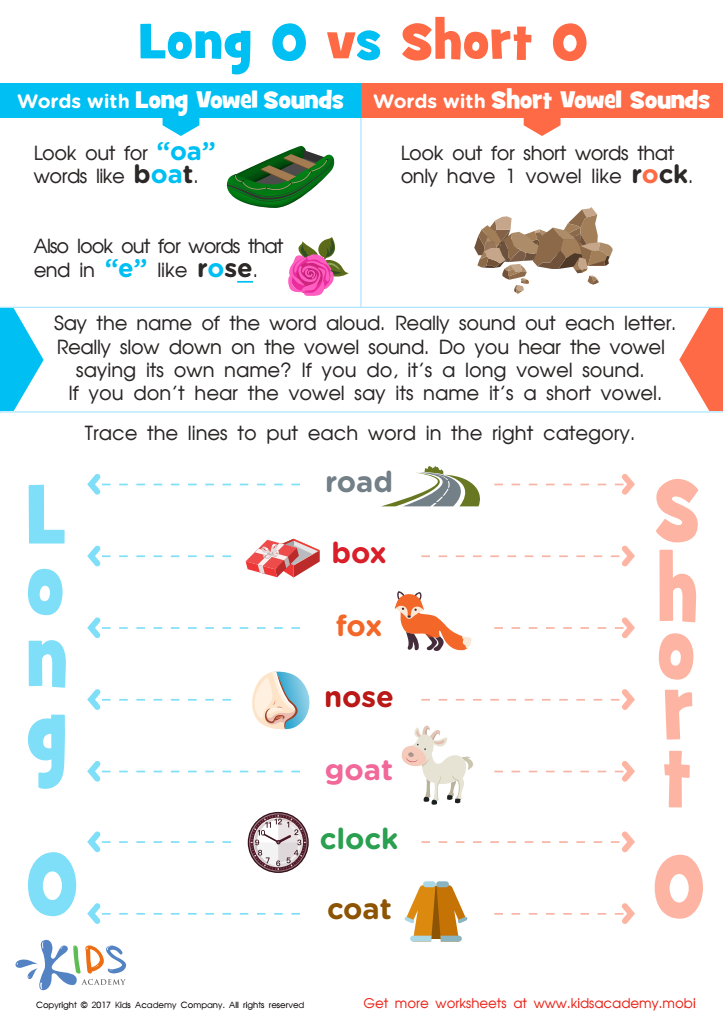
Long and Short Vowel O Spelling Worksheet
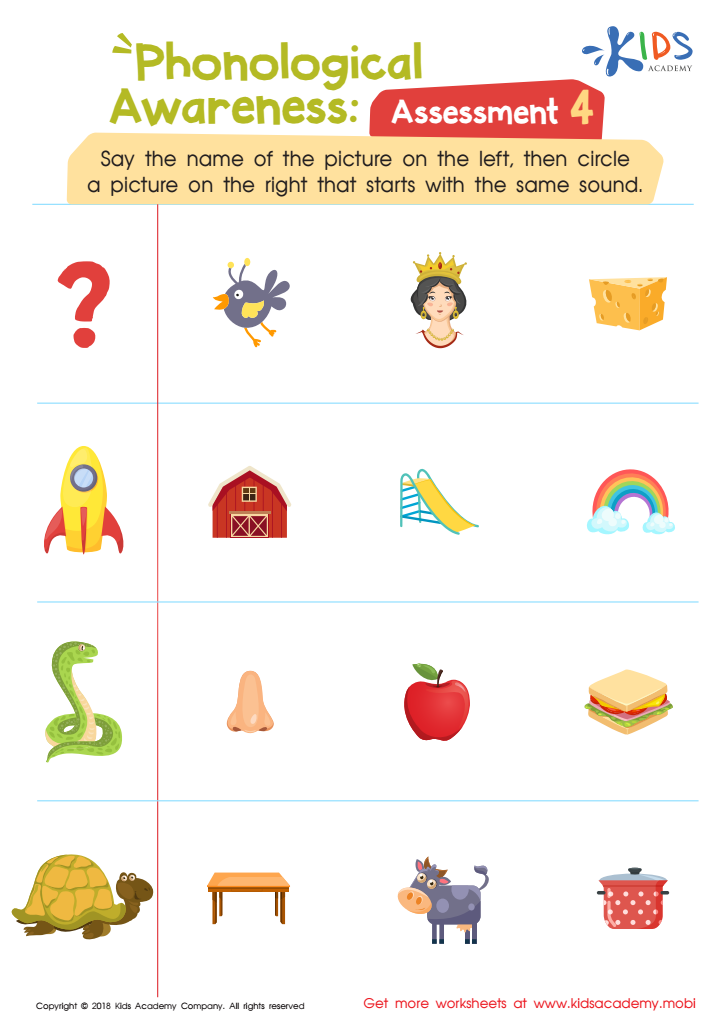
Phonological Awareness: Assessment 4 Worksheet
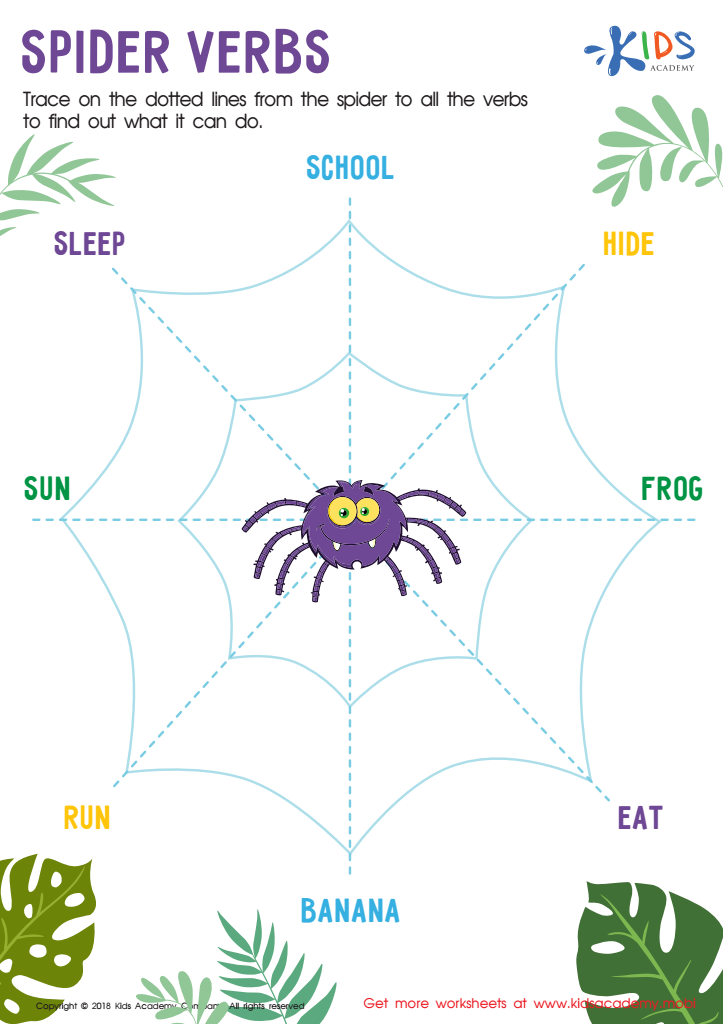
Spider Verbs Worksheet








Vocabulary development is crucial for children aged 4-9, as it lays the foundation for their overall literacy and academic success. A rich vocabulary enables children to express themselves clearly, understand complex concepts, and engage with others effectively. For parents and teachers, fostering vocabulary growth is essential because it directly influences reading comprehension, which forms the core of learning across subjects.
At this age, children are like sponges, eagerly absorbing language. Introducing new words in context—through storytelling, conversations, and interactive play—can significantly enhance their expressive and receptive language skills. For instance, discussing topics relevant to children’s interests transforms mundane vocabulary practice into an exciting adventure.
Parents and teachers should care about vocabulary development because it empowers children to become confident communicators. A strong vocabulary also boosts critical thinking skills, fostering creativity and problem-solving. Moreover, children with expansive vocabularies tend to perform better academically, leading to positive outcomes later in their educational journey.
Incorporating fun vocabulary-building activities, such as games, word discovery sessions, or themed discussions, can make learning engaging and enjoyable. By prioritizing vocabulary development, we cultivate not only proficient readers and writers but curious and articulate lifelong learners.








