Number identification Extra Challenge Math Worksheets for Ages 4-9
3 filtered results
-
From - To
Enhance your child's number identification skills with our Extra Challenge Math Worksheets designed specifically for ages 4-9! These engaging worksheets provide a fun and interactive way for young learners to master numbers through a variety of activities, including number recognition, counting, and matching. Each worksheet is crafted to challenge and inspire kids, promoting critical thinking and problem-solving skills. Whether used at home or in the classroom, these worksheets are perfect for reinforcing foundational math concepts. Help your child gain confidence in their math abilities while having fun! Explore our collection today to make learning numbers exciting and effective.
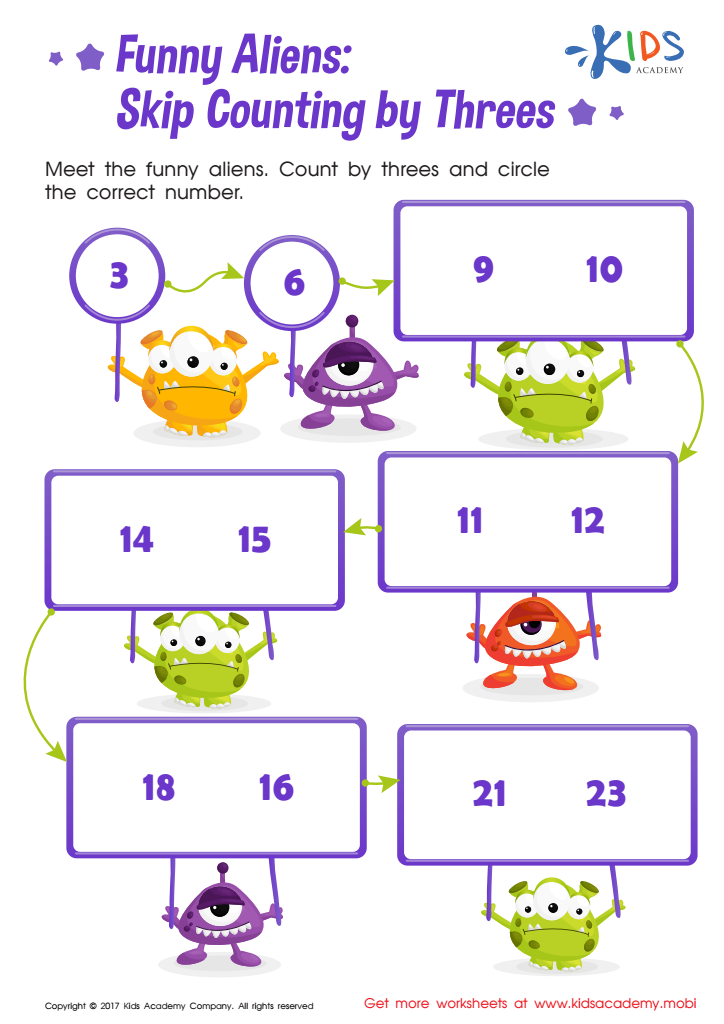
Skip Counting by 3s: Funny Aliens Printable
 Assign to My Students
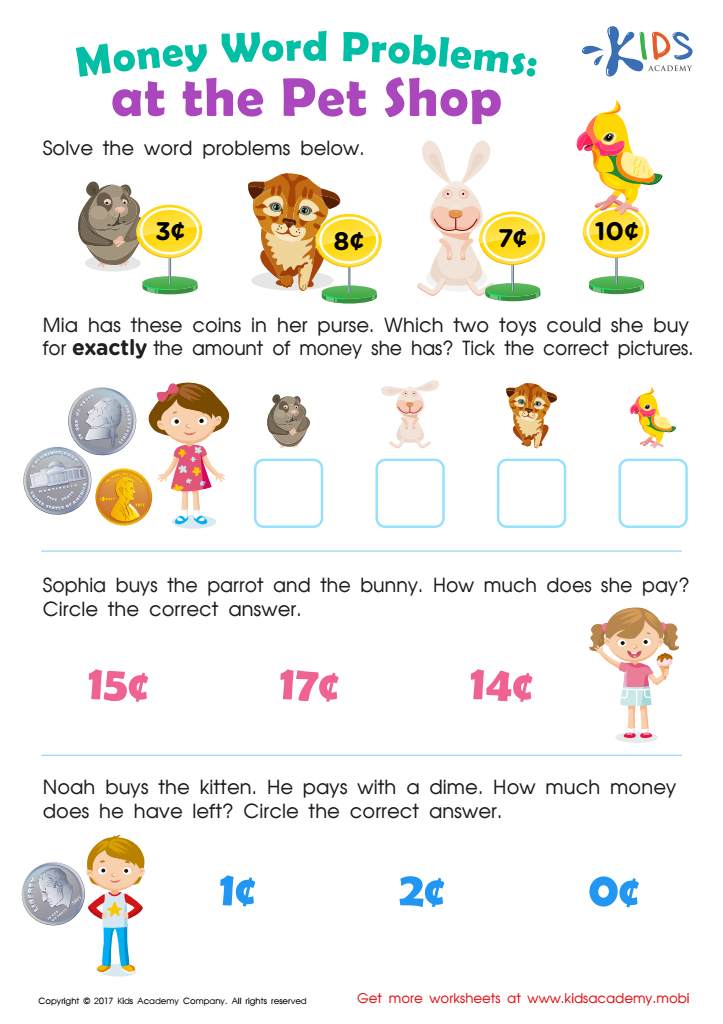
Pet Shop Worksheet
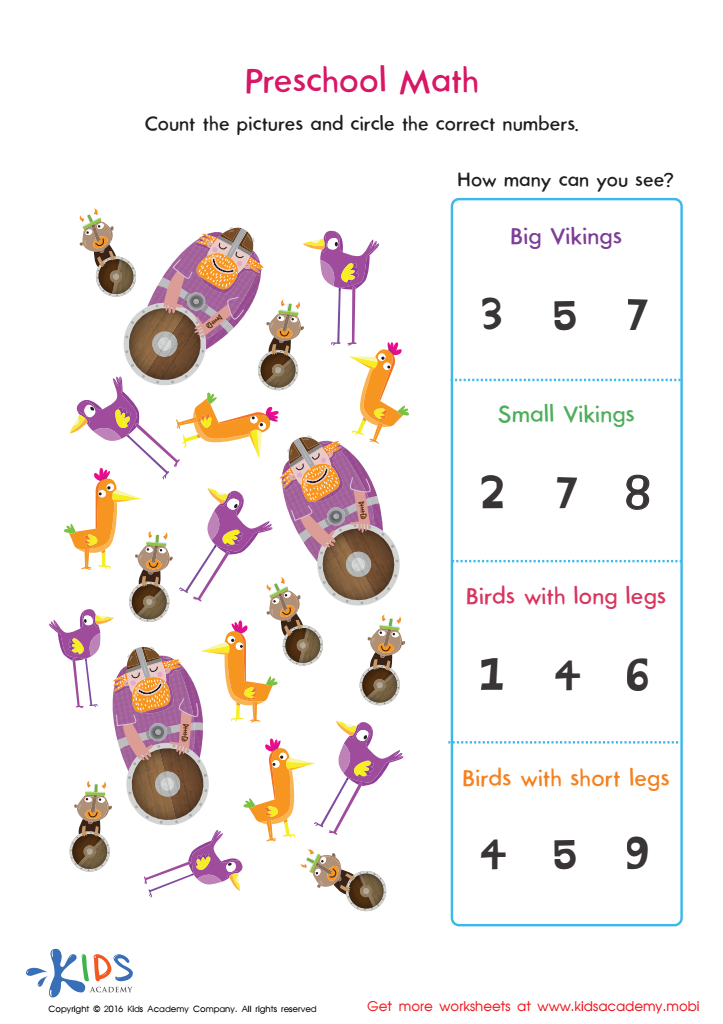



%20(1).jpg)



Number identification is a foundational skill that sets the stage for a child's mathematical understanding, critical thinking, and overall cognitive development. For parents and teachers of children aged 4 to 9, engaging in extra challenges for number identification can offer significant benefits.
Firstly, mastering number identification helps children grasp fundamental mathematical concepts, including addition, subtraction, and even basic problem-solving powers. When kids are confident with numbers, they are more likely to embrace math and view it as an enjoyable subject rather than a daunting challenge.
Moreover, extra challenges can cater to diverse learning styles and paces. Some children may hit a plateau and require additional engagement and stimulating activities to remain motivated and interested. Tailoring challenges not only reinforces number recognition but also promotes a growth mindset, encouraging kids to tackle difficulty without fear of failure.
Lastly, counting and number recognition activities help enhance fine motor skills through hands-on practices, such as counting objects or writing numbers. By facilitating these experiences, parents and teachers not only promote numeracy but also contribute to a more holistic development of cognitive and motor skills. Prioritizing number identification challenges can pave the way for a bright and confident mathematical future.