Sequencing numbers Extra Challenge Worksheets for Ages 5-6
3 filtered results
-
From - To
Explore our "Sequencing Numbers Extra Challenge Worksheets" designed specifically for children ages 5-6. These engaging worksheets provide young learners with fun and interactive activities that enhance their understanding of number sequences. By completing a variety of challenging exercises, kids will develop critical thinking skills, boost their number recognition, and improve their counting abilities. Ideal for reinforcing classroom learning or supplementing homeschooling, our worksheets cater to different learning styles and encourage independent problem-solving. Spark your child's love for math with these creative and educational resources that make sequencing numbers enjoyable and stimulating! Ideal for educators and parents seeking extra practice tools.
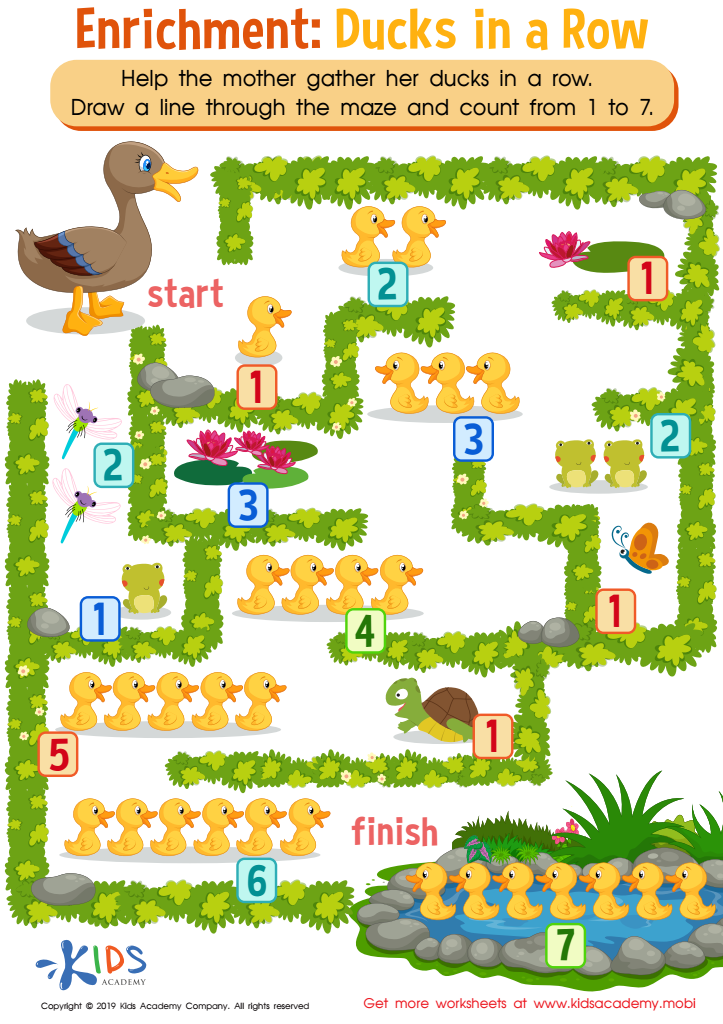
Ducks in a Row Worksheet
 Assign to My Students
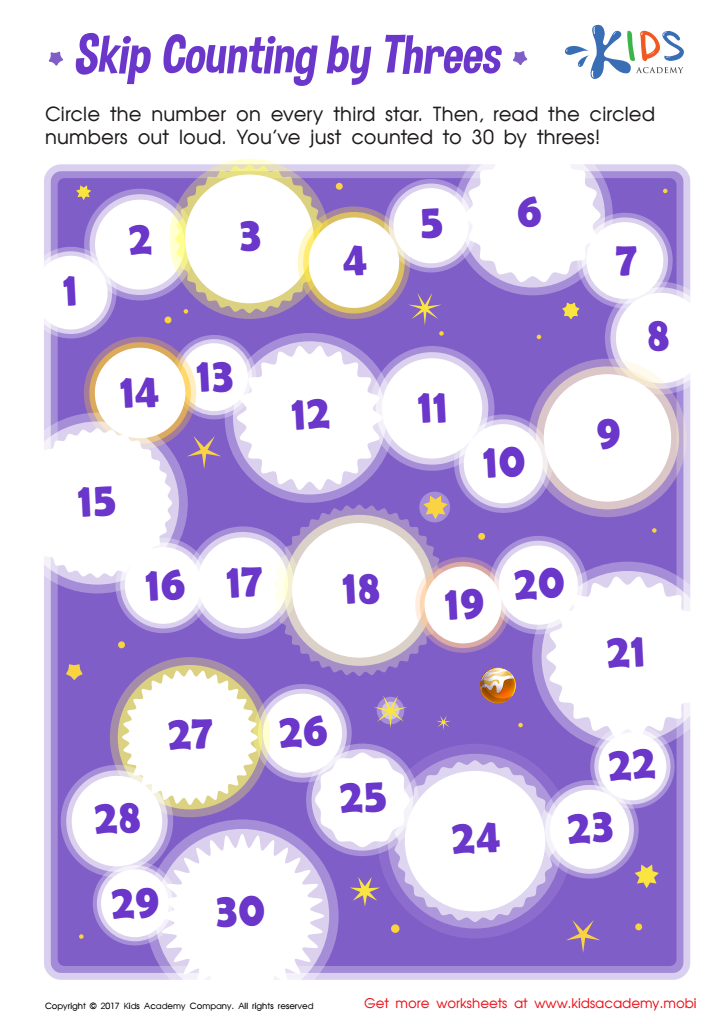
Skip Counting By Three Printable
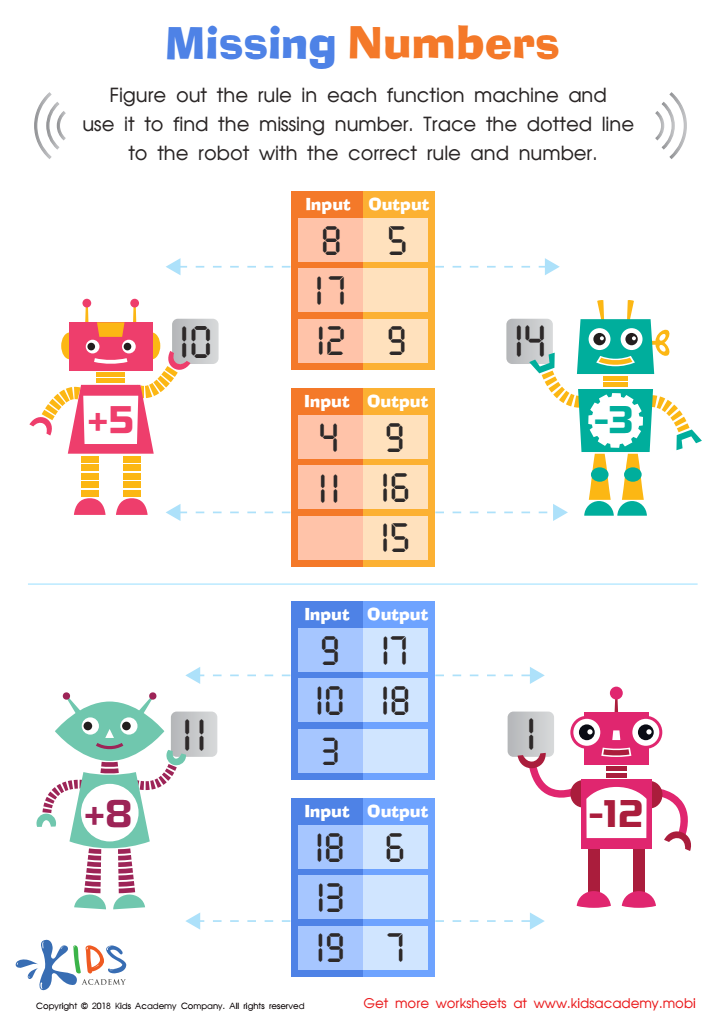
Missing Numbers Worksheet





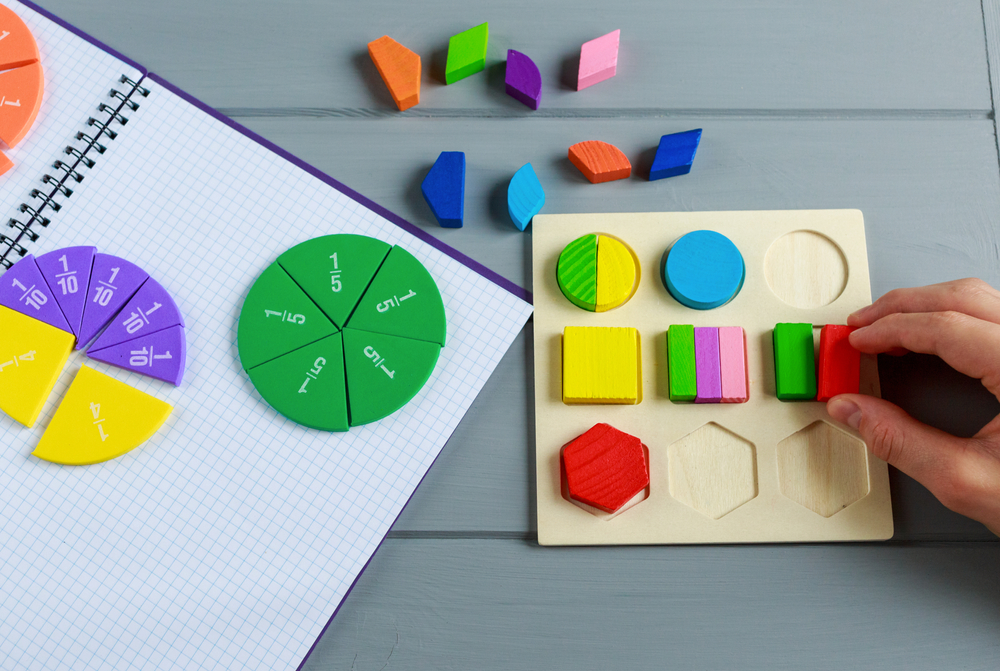


Sequencing numbers is a fundamental skill in early math education that lays the groundwork for more advanced concepts. For children aged 5-6, understanding how to sequence numbers fosters a strong mathematical foundation essential for problem-solving and critical thinking.
One key reason teachers and parents should prioritize this skill is that it enhances cognitive development. Sequencing helps children develop logical reasoning by teaching them to identify patterns and relationships between numbers. This type of thinking is crucial as they encounter more complex mathematical operations in later grades.
Furthermore, sequencing numbers builds confidence in young learners. Mastering this skill can lead to improved number sense, better performance in math, and a greater enthusiasm for learning. It also improves their ability to follow instructions, as many tasks involve step-by-step processes.
Additionally, sequencing numbers is foundational in real-world contexts. Children use this skill when they encounter everyday situations, such as telling time, understanding dates, or ordering items. Encouraging practice through engaging activities—like counting games or number line exercises—can make learning enjoyable and meaningful. Thus, prioritizing sequenced learning at this age equips children with essential skills for future success, both academically and in everyday life.








