Number Sequencing Extra Challenge Numbers Worksheets for Ages 5-6
5 filtered results
-
From - To
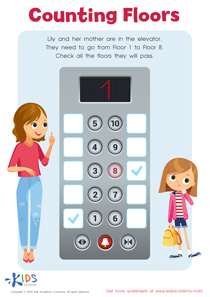
Boost your child's math skills with our Number Sequencing Extra Challenge Worksheets designed specifically for ages 5-6! These engaging worksheets encourage young learners to develop essential number sequencing abilities through fun and interactive activities. Kids will practice counting, identifying patterns, and completing sequences, all while enhancing their critical thinking skills. Our carefully crafted exercises not only align with educational standards but also ignite a love for learning. Perfect for classroom use or at-home practice, these worksheets provide a valuable resource for parents and educators aiming to challenge and inspire their little mathematicians. Download now and make learning numbers an exciting adventure!
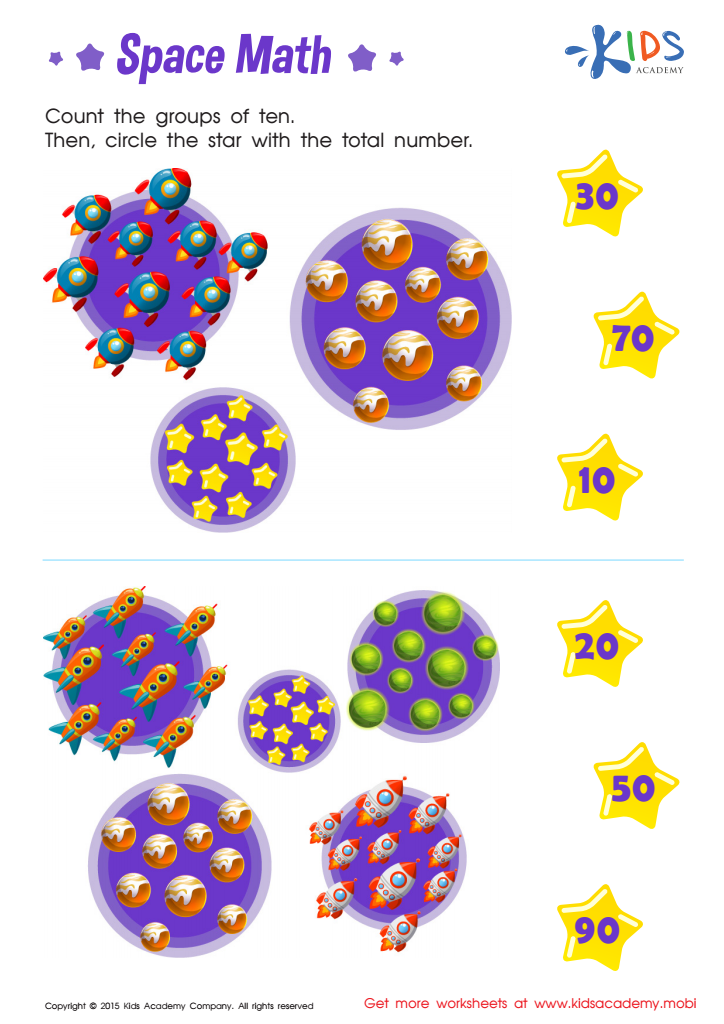
Learn dozens: Space math Worksheet
 Assign to My Students
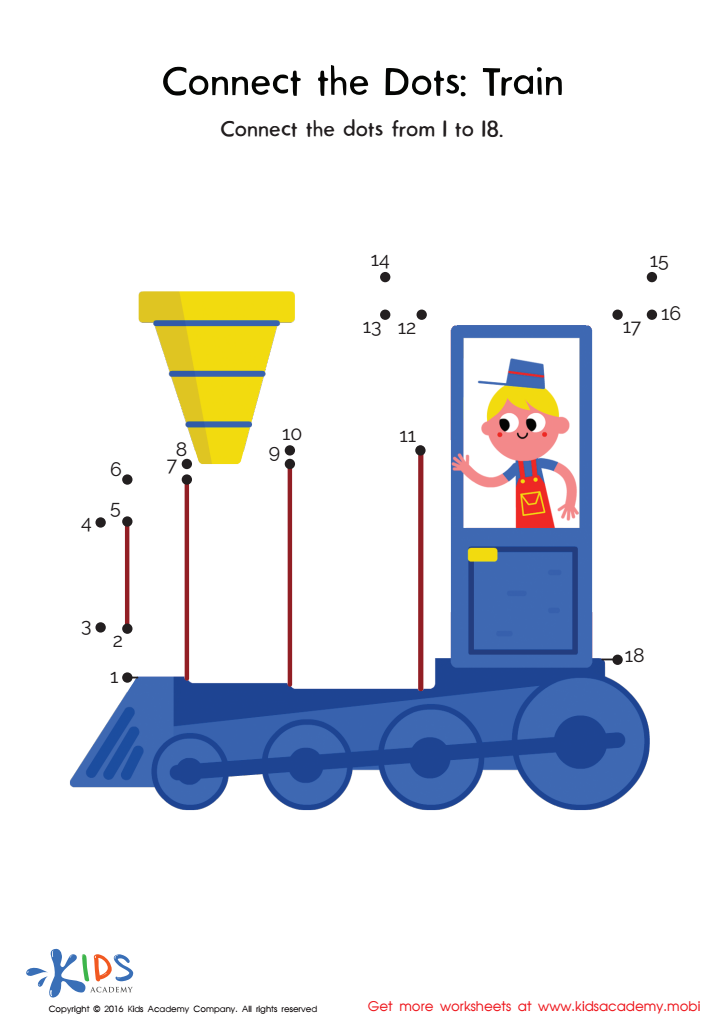

Pirate Ship Connect Dots Worksheet
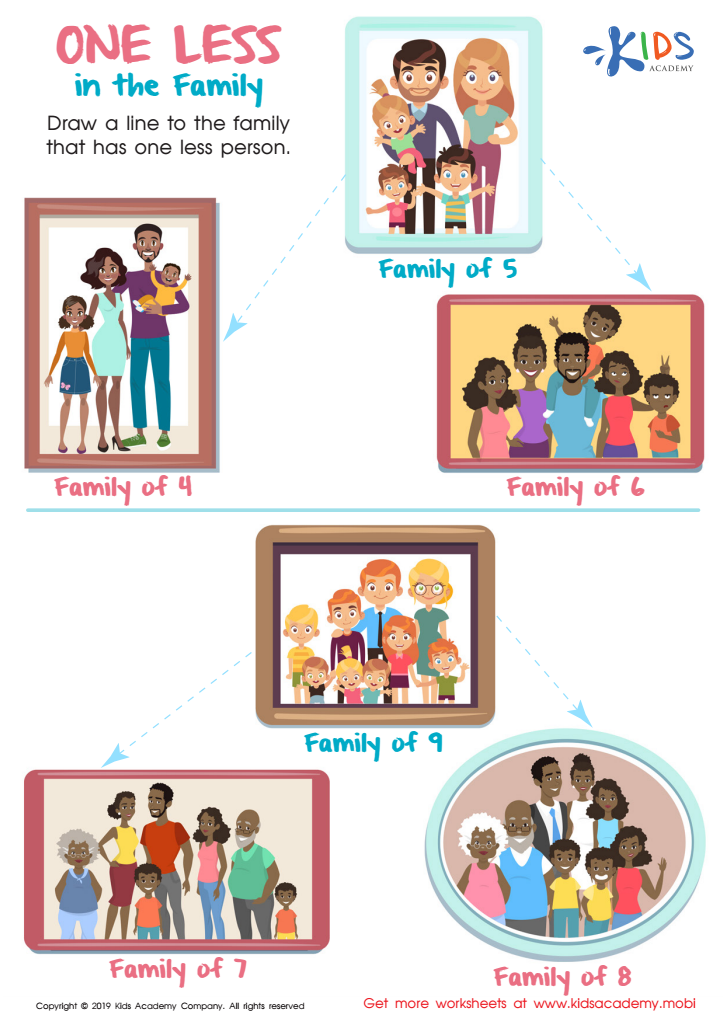
One Less in the Family Worksheet
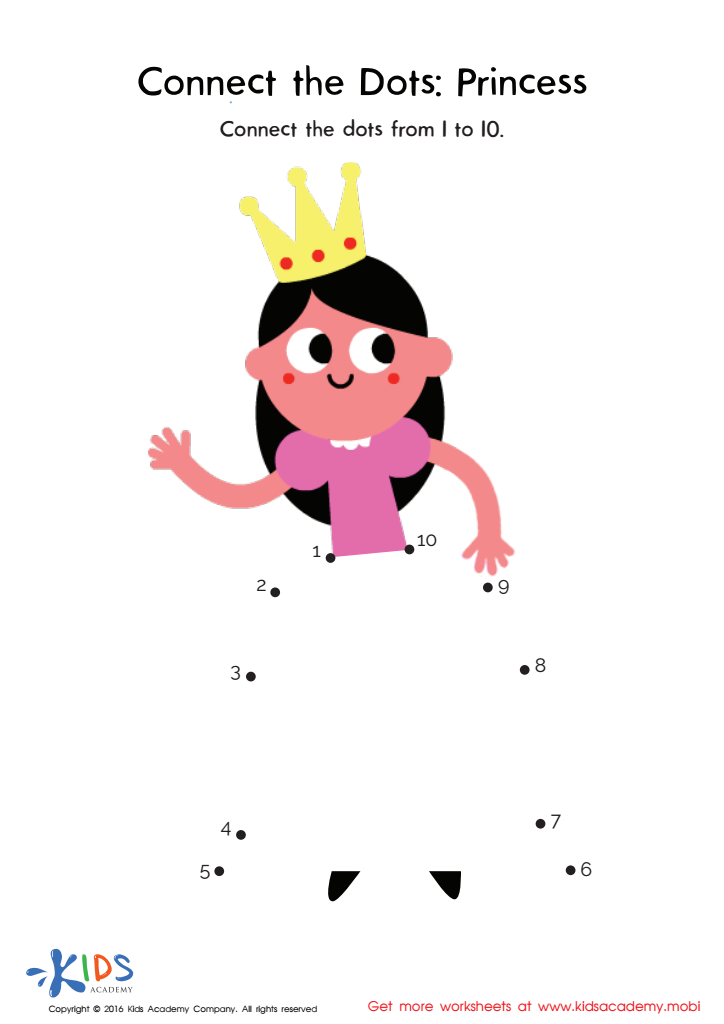
Princess Connect Dots Worksheet





%20(1).jpg)

Parents and teachers should care about Number Sequencing Extra Challenge Numbers for ages 5-6 because this foundational skill forms the bedrock for a child's mathematical understanding and cognitive development. At this age, children are newly engaging with numbers, and introducing them to number sequencing enhances their ability to recognize numerical patterns, understand the order of numbers, and mentally manipulate these sequences, which is crucial for more complex math concepts later on.
Engaging with extra challenges fosters critical thinking, problem-solving, and perseverance. When children face tasks that require them to think beyond basic counting or number order, they develop greater confidence in their abilities and a proactive attitude towards learning. These challenges also prepare them for real-life applications, such as understanding time, organizing objects, or budgeting, where sequencing plays a key role.
Additionally, supporting number sequencing skills early promotes a positive attitude toward math, encouraging lifelong learning and enjoyment of the subject. It empowers children to see math as not just a set of rules but as a tool for exploration and creativity. Ultimately, nurturing these skills in early education leads to stronger mathematical foundations and prepares children for future academic success.