
Recognizing shapes Extra Challenge Worksheets for Ages 5-7
4 filtered results
Difficulty Level
Grade
Age
-
From - To
Subject
Activity
Standards
Discover our "Recognizing Shapes Extra Challenge Worksheets" designed for children ages 5-7, which enhance shape recognition skills through engaging activities! Tailored to spark curiosity and foster a love for learning, these worksheets offer a variety of fun challenges, including pattern recognition, shape sorting, and creative activities that reinforce essential math skills. Perfect for early grade classrooms or homeschooling, these extra challenges promote critical thinking and creativity in young learners. Each worksheet is filled with colorful illustrations and interactive tasks that make learning shapes enjoyable and effective. Explore our resourceful materials to help children develop a strong foundation in geometry and spatial awareness today!
Favorites
With answer key
Interactive
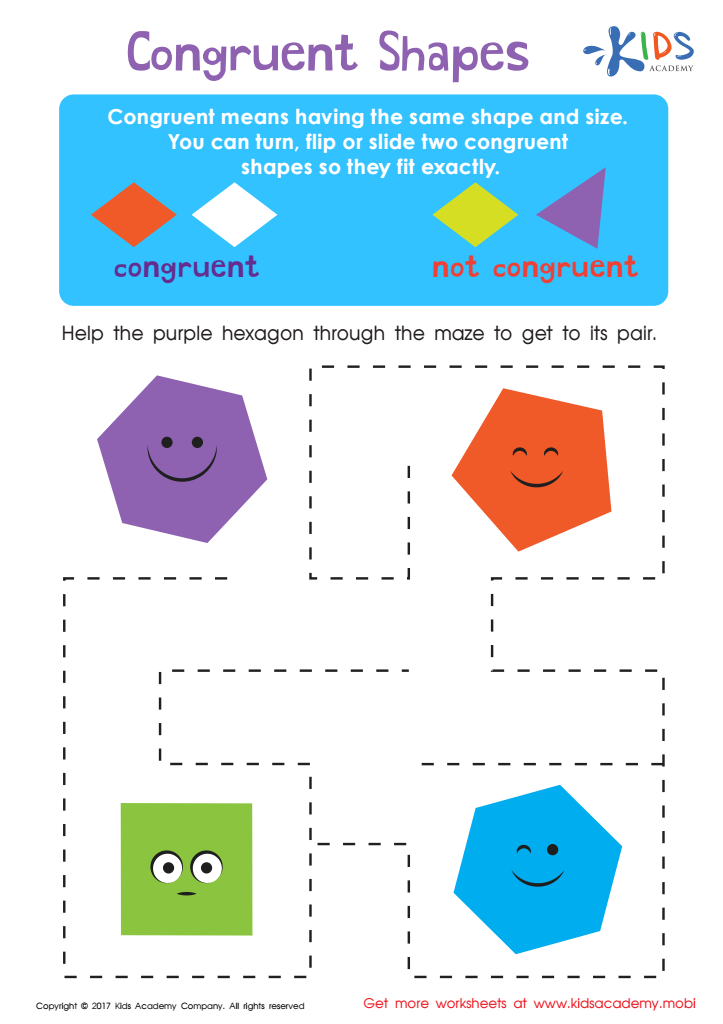
Congruent Shapes Worksheet
Help your child find the twin of the purple hexagon! This congruent shapes worksheet is great for increasing vocabulary while challenging mental rotation skills.
 Assign to My Students
Congruent Shapes Worksheet
Worksheet
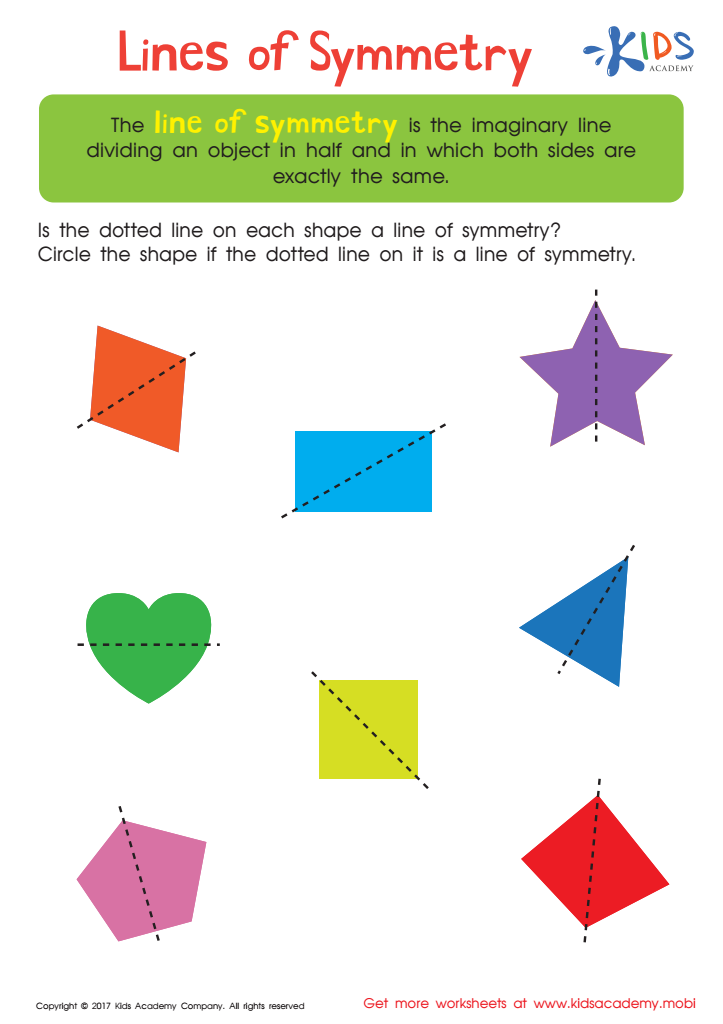
Lines of Symmetry Printable
Symmetry is a key math concept that kids must learn to develop their geometry skills. This fun worksheet helps build this skill, by encouraging kids to recognize symmetrical shapes and find equal parts.
Lines of Symmetry Printable
Worksheet
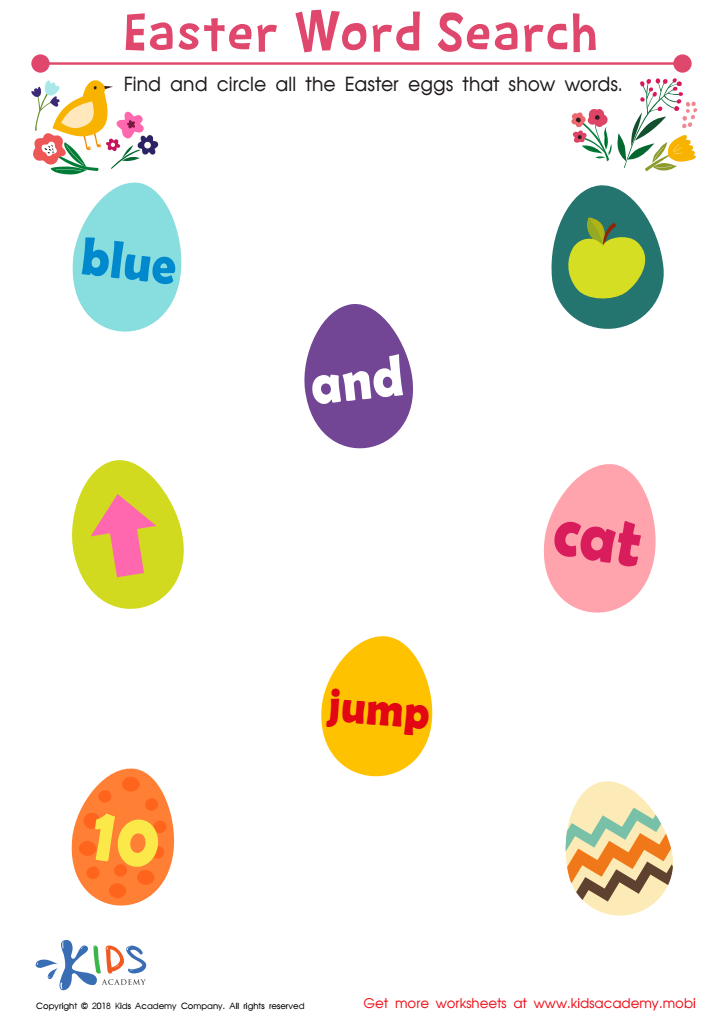
Easter Word Search Worksheet
Kids love Easter - food, picnics, games - and the egg hunt! Does your family celebrate Easter? Get your kids to find some of the Easter egg words in this word search. Ask them to read each word and circle the eggs. It's a fun way to celebrate the holiday!
Easter Word Search Worksheet
Worksheet
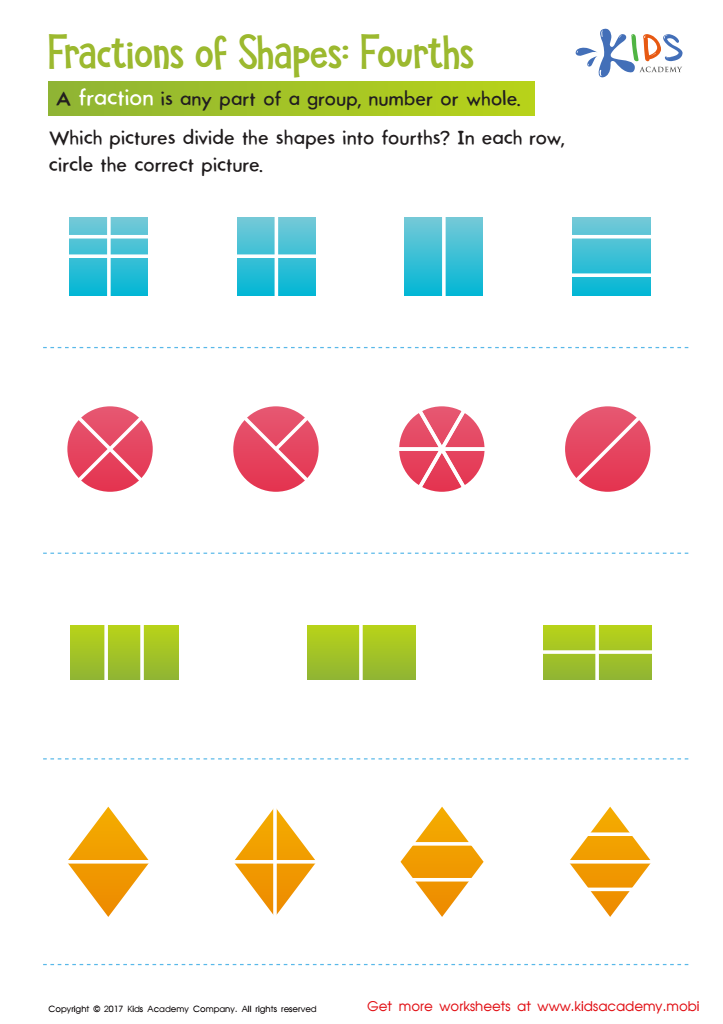
Fractions of Shapes Worksheet
It will also show them how fractions are represented in everyday shapes.
Fractions of Shapes Worksheet
Worksheet
Join Kids Academy for Free
Who is primarily going to use this learning content?






Recognizing shapes is a foundational skill that plays a crucial role in a child's cognitive development, particularly for ages 5-7. Both parents and teachers should care about this topic because shape recognition lays the groundwork for critical thinking, spatial awareness, and problem-solving abilities. At this age, children are naturally curious and eager to understand the world around them, making it an ideal time to introduce geometric concepts.
By engaging in activities that promote shape recognition, educators can help children develop their observational skills and enhance their visual literacy. Recognizing shapes aids in learning math concepts, such as symmetry, patterns, and measurement, which are essential for future academic success. Furthermore, shape recognition intertwines with art and creativity, allowing children to express themselves and improve fine motor skills through drawing and constructing.
Encouraging children to identify shapes in their environments fosters curiosity and contextual learning, as they will start to see connections between math and real-life experiences. This, in turn, promotes critical thinking as they learn to categorize, compare, and differentiate shapes. Ultimately, by prioritizing shape recognition, parents and teachers contribute to holistic development, preparing children for more complex concepts throughout their educational journey.








